
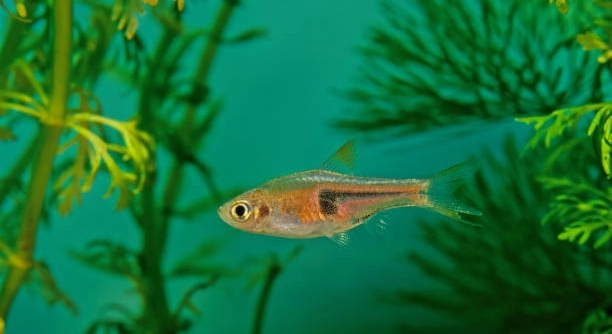
Rasboras are small, lively fish that often brighten up home aquariums with their shimmering colors. Watching them glide gracefully in schools can be calming, especially when they twist and turn together in spiral formations.
Rasboras move in a spiral primarily due to social and environmental cues. Coordinated swimming is a defensive mechanism against predators, helping the group maintain cohesion while responding quickly to changes in water flow and nearby movements.
Observing these patterns offers insights into their natural behavior and helps aquarists create a more stimulating environment for their fish.
Understanding Spiral Swimming in Rasboras
Rasboras often swim in spirals as a natural part of their group behavior. This movement is influenced by how they interact with each other and their surroundings. When one fish changes direction, the others follow closely, creating a synchronized spiral pattern. These patterns are not random but serve practical purposes. Spiraling helps reduce stress by keeping the group together, which feels safer for the fish. It also improves their ability to detect subtle changes in the environment, like shifts in water flow or the presence of other creatures. Observing this behavior in your aquarium can be fascinating because it reflects how closely the fish communicate and respond to each other without any spoken signals.
The spiral movement is largely a social behavior, allowing rasboras to stay cohesive and coordinated while navigating their environment efficiently.
Maintaining proper tank conditions enhances these natural patterns. Clean water, sufficient space, and hiding spots help the fish feel secure, encouraging more fluid and consistent spiraling. When conditions are poor, the fish may scatter or appear stressed, interrupting their usual patterns. Providing a gentle current or flowing water can mimic natural habitats, stimulating more natural swimming behavior. Observing these interactions can give a deeper appreciation for their intelligence and instincts, as the group constantly adjusts and balances its movements, ensuring every individual is part of the coordinated motion.
Factors Influencing Spiral Movement
Temperature and lighting can subtly affect how rasboras move.
Water quality, tank size, and population density all play key roles in spiral swimming. If the water is too warm or crowded, the fish may become agitated, disrupting their formation. Proper lighting encourages normal activity, while consistent temperature helps them maintain energy levels. Additionally, adding plants or decorations provides visual cues that influence movement patterns. A balanced diet supports healthy energy for swimming, while stress from sudden changes can break the harmony of the spiral. Observing these factors allows you to adjust the environment for optimal behavior. Ensuring all these elements are well-maintained promotes more natural and consistent spiraling. Keeping a moderate number of fish with sufficient space, stable water parameters, and environmental enrichment results in a visually engaging and healthy tank. Proper care encourages the rasboras to express their natural group behavior, allowing you to witness their coordinated spirals regularly and enjoy a lively, balanced aquarium.
Coordination and Communication
Rasboras rely on subtle visual and sensory cues to maintain their spiral formations. Each fish watches the movements of its neighbors, adjusting speed and direction to stay synchronized. This constant feedback keeps the group cohesive and allows for smooth, continuous motion.
The coordinated swimming of rasboras is a clear example of collective behavior. Each fish responds to changes in direction or speed from nearby individuals, maintaining the spiral pattern. This synchronization reduces collisions and helps the group move efficiently through the tank. Even small disturbances, like a sudden shadow or water movement, are quickly communicated through the group, prompting a unified response. This precise coordination is essential for safety and comfort within their environment, reflecting an instinctive social intelligence that keeps the group stable. Observing them provides insight into how fish can communicate non-verbally while maintaining harmony in a confined space.
Environmental stability is crucial for consistent spiraling. Regular feeding schedules, steady water conditions, and minimal disturbances allow rasboras to focus on movement rather than stress responses. A tank with predictable routines encourages natural swimming behavior, while sudden changes in water chemistry or light can cause disorientation. Plants and structures within the tank create reference points that guide their motion, helping them maintain the spiral more consistently. By providing a calm, structured environment, you allow the fish to express their social patterns freely. Over time, the spiral formations become more pronounced and regular, showcasing the collective effort of the group to move together harmoniously.
External Influences
Water currents, tank decorations, and other tankmates can alter spiral swimming.
External factors have a significant impact on how rasboras move. Strong currents may force them to adjust their paths, while plants and ornaments provide obstacles that influence direction and speed. The presence of other species can also change the spiral, either causing hesitation or prompting tighter formations. Even minor changes, like moving a decoration or adjusting lighting, can temporarily disrupt the group’s coordination. Maintaining consistent tank conditions helps preserve natural behavior, allowing the fish to form smooth, continuous spirals. Understanding how these influences affect movement is important for creating an environment that supports their instinctive swimming patterns, ensuring a visually balanced and harmonious aquarium.
Natural Instincts
Spiral swimming is deeply rooted in rasboras’ natural instincts. It helps them stay safe in groups and respond quickly to changes in their surroundings. Each movement is coordinated without conscious thought, showing their strong social behavior.
These instincts are reinforced in captivity when the environment is stable and secure. Providing adequate space and familiar surroundings allows rasboras to express their natural patterns consistently.
Benefits of Spiral Movement
Spiral swimming improves both safety and social interaction among rasboras. It allows the group to stay cohesive, reducing the risk of stress or injury. Coordinated movement helps them detect environmental changes quickly, ensuring everyone in the group can react efficiently. This behavior also strengthens social bonds, as each fish relies on the others for guidance and stability. Over time, consistent spiraling can improve overall health by promoting regular exercise and reducing anxiety. It is a clear example of how instinctual behavior supports survival and well-being, even in a controlled tank environment.
Observing Patterns
Noticing how rasboras spiral can reveal much about their health and comfort levels.
FAQ
Why do rasboras swim in spirals?
Rasboras swim in spirals mainly as a social and protective behavior. Moving together helps them stay safe from potential threats and maintain cohesion within the group. It also allows them to respond quickly to changes in their environment, such as water movement or sudden disturbances. Spiraling is a natural instinct, and even in captivity, it shows how closely they observe and react to each other.
Is spiral swimming normal for all rasboras?
Yes, most rasbora species display some form of coordinated movement. The intensity of spiraling can vary depending on tank size, population, and environmental conditions. Fish in crowded or stressful conditions may spiral less or appear scattered, while healthy groups in a stable environment show clear, synchronized patterns. Observing consistent spiraling usually indicates the group is comfortable and well-adjusted.
Does tank size affect spiral movement?
Absolutely. A tank that is too small can limit movement, causing stress or erratic swimming. A larger tank allows rasboras to form more natural spirals, giving them space to swim freely and maintain proper group coordination. Providing enough room is essential for both mental stimulation and physical exercise.
Do decorations or plants influence spiraling?
Yes, plants, rocks, and other structures can guide the direction and shape of the spirals. Decorations create reference points that the fish use to navigate, while open areas allow smoother, larger patterns. Well-placed plants also reduce stress by providing hiding spots, which encourages more natural behavior.
Can water conditions change spiral behavior?
Water quality, temperature, and current significantly affect how rasboras swim. Stable parameters support regular spiraling, while sudden changes in temperature, pH, or filtration flow can disrupt movement. Maintaining clean water and a consistent environment ensures that spirals remain fluid and continuous.
Do other fish affect rasboras’ spirals?
Yes, tankmates can influence their movement. Peaceful, non-aggressive species usually integrate without disrupting the spirals, but larger or more active fish can cause hesitation or tighter formations. Observing interactions helps ensure that all species coexist without stress, allowing rasboras to display their natural group behavior.
How can I encourage spiral swimming in my tank?
Provide adequate space, stable water conditions, and a moderate number of rasboras. Adding gentle currents or plants can stimulate natural movement. Consistent feeding schedules and minimal disturbances also help the fish focus on swimming patterns rather than stress responses.
Is spiral swimming linked to health?
Yes, active and coordinated spiraling usually indicates healthy, unstressed fish. Poor spiraling can be a sign of illness, inadequate tank conditions, or overcrowding. Monitoring movement patterns can give early warnings about potential issues, allowing for timely adjustments to care and environment.
Do young rasboras spiral differently than adults?
Younger fish may form less defined spirals as they are still learning to coordinate with the group. As they mature, their swimming becomes more synchronized, reflecting stronger social instincts and better spatial awareness. Observing gradual improvement over time shows healthy development.
Can feeding affect spiral movement?
Yes, feeding times can temporarily alter spirals. Fish may converge or scatter briefly while searching for food. Afterward, they usually return to regular patterns. Balanced nutrition helps maintain energy levels necessary for consistent group swimming.
Are spirals the same at night or during rest periods?
Spiraling slows or stops during resting periods, especially under dim lighting. Rasboras become less active but remain close to the group for security. Understanding their natural activity cycle helps provide a more suitable environment and ensures that they feel safe during inactive periods.
Do stress or illness stop spiraling completely?
In severe cases, yes. Stress from overcrowding, poor water conditions, or aggressive tankmates can prevent normal spiraling. Illness can also disrupt coordination. Promptly identifying and addressing these factors helps restore healthy, synchronized movement, maintaining both well-being and social behavior.
Can spiral patterns indicate hierarchy?
Not in the traditional sense, but more confident fish may lead subtle direction changes, while others follow. The pattern is more about group cohesion than dominance, with each fish adjusting constantly to maintain harmony and minimize collisions.
How long does it take for new rasboras to form spirals?
New fish may take several days to adjust. They observe existing members and gradually integrate into the group. Providing stable water conditions and minimal stress accelerates this process, allowing spirals to form naturally as they feel secure and familiar with their surroundings.
Does lighting affect spiral movement?
Yes, bright or sudden lighting changes can cause temporary disruptions. Consistent, gentle lighting encourages normal activity and helps the fish maintain regular spiral patterns throughout the day. Overly harsh or fluctuating lighting can lead to hesitation or scattered swimming.
Can I track spirals to monitor fish behavior?
Observing and noting patterns can provide insights into health, stress, and group dynamics. Changes in spiraling behavior often reflect environmental or social shifts, making it a useful tool for maintaining a balanced, healthy tank.
Do spirals vary with species?
Different rasbora species may show variations in spiral tightness, speed, and size. While the underlying social and protective instincts are similar, the exact pattern depends on species traits, tank setup, and group size.
What is the best tank setup for spiral swimming?
A medium to large tank with stable water, gentle currents, plants, and hiding spots supports natural spiraling. Avoid overcrowding and aggressive species to maintain smooth, cohesive patterns. Consistency in environment, feeding, and light enhances group behavior and overall well-being.
How can I tell if spiraling is abnormal?
Erratic, fragmented, or absent spirals may indicate stress, poor water quality, or health issues. Monitoring behavior closely allows for timely interventions to restore normal swimming patterns and maintain the group’s safety and comfort.
Are spirals purely instinctive or learned?
They are primarily instinctive but refined through group interaction. Fish adapt to each other’s movements over time, improving synchronization and reinforcing social bonds, which strengthens the overall cohesion of the group.
Rasboras are fascinating fish, and their spiral swimming is a clear reflection of how instinct and environment work together. Observing them move in a coordinated group can be calming and rewarding, especially when the patterns are smooth and consistent. This behavior is not random; it is deeply rooted in their natural instincts to stay safe and connected. In an aquarium, the way they spiral tells a lot about their comfort and social cohesion. Healthy rasboras form tight, fluid patterns that demonstrate both their awareness of one another and their ability to respond to subtle changes in the tank. Watching them move as a group highlights their intelligence and the effectiveness of non-verbal communication. Each fish continuously adjusts to its neighbors, showing how the entire group functions as a single, coordinated unit, even without direct interaction.
Maintaining the right tank conditions is key to supporting this behavior. Water quality, temperature, tank size, and population density all play a role in how rasboras swim. When these factors are consistent and well-managed, spiraling becomes a regular and natural part of their daily activity. Adding plants and decorations can enhance the patterns by providing reference points, while a gentle current can encourage more fluid movement. Overcrowding, sudden changes in water conditions, or aggressive tankmates can disrupt their coordination, leading to stress and irregular swimming. By paying attention to these details, aquarists can ensure that their fish not only spiral naturally but also remain healthy and comfortable. Regular feeding schedules and proper nutrition also support energy levels, which are necessary for continuous and coordinated movement. Observing the group over time can give valuable insight into both individual and collective health, as deviations from normal patterns often signal environmental or social issues that need addressing.
Spiral swimming in rasboras is a mix of instinct, social interaction, and environmental influence. It shows how group behavior can serve practical purposes, such as protection and coordination, while also allowing the fish to express their natural energy. For those keeping rasboras, paying attention to these patterns is more than just a visual enjoyment; it is a way to ensure the fish are thriving. A stable, well-maintained tank allows them to move freely and consistently, reflecting both their physical well-being and their social comfort. By understanding the factors that influence spiraling, aquarists can create an environment that supports natural behavior and encourages healthy, active fish. Observing their movements regularly not only provides enjoyment but also serves as a practical guide to maintaining a balanced and supportive aquarium, where rasboras can display their instinctive and harmonious swimming patterns every day.

Hello,
If you enjoy the content that we create, please consider saying a "Thank You!" by leaving a tip.
Every little bit helps us continue crafting quality advice that supports the health, happiness, and well-being of pets around the world, for pets of all shapes, sizes, and species.
We really appreciate the kindness and support that you show us!