
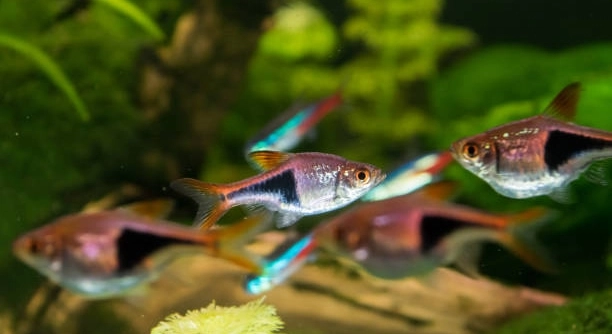
Keeping rasboras in a comfortable environment is important for their health and happiness. These small fish are sensitive to changes in temperature, and excessive heat can affect their behavior and overall well-being. Watching them closely is key.
Rasboras display several clear signs when water temperatures are too high. Common indicators include rapid gill movement, lethargy, clamped fins, seeking cooler areas, loss of appetite, color fading, and unusual swimming patterns. Recognizing these signs early helps prevent serious health issues.
Observing these behaviors closely allows you to maintain a safer environment for your rasboras. Each small change can have a big impact on their comfort and longevity.
Rapid Gill Movement
When rasboras feel too hot, their gills start moving faster than usual. I first noticed this in my own tank during a warm summer day. Rapid gill movement is their way of trying to take in more oxygen because warm water holds less oxygen. You might see them hovering near the surface, gently opening and closing their mouths, or staying close to areas where the water seems cooler. This behavior is a clear indicator that the temperature is higher than what they are comfortable with. It’s subtle at first, but with careful observation, it becomes obvious. Keeping the tank at a stable, suitable temperature can prevent stress and improve their overall health. Even minor temperature changes can trigger this response, so monitoring your heater and ambient room temperature is important.
Rapid gill movement often signals immediate discomfort in rasboras, making it an early warning sign of heat stress.
Monitoring gill activity closely helps you act quickly. Adjusting water temperature gradually and ensuring good aeration can make a noticeable difference. Fans or additional circulation can reduce hot spots, and moving the tank away from direct sunlight can prevent rapid temperature spikes. Keeping an eye on this behavior helps maintain their comfort and prevents prolonged stress that could lead to illness or reduced lifespan. Over time, I’ve found that even small interventions, like slightly lowering the heater or adding a floating plant for shade, can reduce gill strain. Rasboras respond quickly to cooler, well-oxygenated water, showing calmer swimming and more relaxed fins. Pairing temperature management with regular water changes ensures oxygen levels remain stable, reducing the chances of rapid gill movement returning. Consistent observation and small adjustments can make the tank environment much healthier and more stable for your fish.
Lethargy
Rasboras become less active when the water is too warm. They may hover in one spot or move slowly across the tank.
High water temperature can sap their energy and make normal swimming difficult. When I noticed my rasboras barely exploring the tank, I realized the heater was set too high. Lethargy is often accompanied by other signs like clamped fins or loss of appetite. It’s important to check water conditions and provide cooler areas, such as shaded spots or slightly lower temperature zones. Adding live plants or gentle water flow can encourage movement without adding stress. Temperature fluctuations, even if small, can worsen lethargy, so maintaining a consistent environment is crucial. Observing when the fish are most sluggish helps identify patterns and determine if heat is the main factor. Adjusting gradually prevents shock, allowing them to regain normal activity. Over time, small changes restored their liveliness and responsiveness, confirming the link between temperature and energy levels.
Clamped Fins
Clamped fins are a clear response to heat stress. Rasboras tuck their fins close to their bodies instead of spreading them out, making them look smaller and less active. I noticed this behavior when the water felt warmer than usual in my tank.
When rasboras keep their fins tight against their bodies, it signals discomfort. Warm water increases their metabolism, which can be stressful, causing them to conserve energy. Clamped fins often appear alongside other heat-related behaviors like lethargy or rapid gill movement. Over time, keeping fins clamped can affect swimming efficiency and overall health. Observing this behavior early allowed me to lower the water temperature gradually. Providing shaded areas and gentle water flow encouraged them to relax and spread their fins naturally again. Consistency in tank temperature is key to preventing recurring clamping.
Fins may remain clamped if heat persists. Adjusting water temperature slowly and monitoring behavior ensures rasboras regain normal fin posture. Shaded areas and plants can help reduce stress, creating a more comfortable environment.
Seeking Cooler Areas
Rasboras often swim toward cooler spots in the tank when it gets too hot. I noticed mine gathering near the filter outlet or under floating plants to escape warm water.
This behavior is a natural coping mechanism. Fish instinctively look for areas with lower temperatures or better oxygen levels. In my experience, observing where they spend most of their time helped identify uneven heating in the tank. Adjusting the heater, improving circulation, and adding floating plants created more comfortable zones. Cooler spots prevent overheating and reduce stress, helping rasboras stay active. Regularly checking water temperature across different areas ensures they always have refuge from heat.
Overheating can be subtle, so noticing repeated movement to cooler zones is crucial. Providing shade, gentle currents, and proper aeration allows rasboras to regulate their body temperature effectively. I found that even small adjustments, like slightly lowering the heater or rearranging plants, kept them comfortable throughout the day. Watching these behaviors carefully helps maintain a stable environment and prevents long-term health issues caused by prolonged heat exposure.
Loss of Appetite
Rasboras may stop eating when the water is too warm. I noticed mine ignoring food during hot afternoons, which was unusual for them.
This loss of appetite is a stress response. High temperatures affect digestion and energy levels. Keeping water cooler restored their interest in feeding gradually.
Color Fading
Heat can make rasboras lose their vibrant colors. Over a few days, I saw their bright stripes turn duller, signaling stress.
Prolonged exposure to warm water affects pigment cells, causing fading. Color changes are subtle at first but become more noticeable if temperatures remain high. Providing cooler water, shaded areas, and stable conditions helped my rasboras regain their natural colors within a week. Observing gradual color changes is important because it often accompanies other signs like clamped fins or lethargy. Maintaining proper temperature and tank conditions ensures their colors stay bright and healthy.
Unusual Swimming Patterns
Rasboras swim erratically when too hot. They may dart suddenly or swim near the surface more often.
How can I tell if my rasboras are too hot?
The most noticeable signs are rapid gill movement, lethargy, clamped fins, and unusual swimming patterns. I first realized my rasboras were too hot when they all started hovering near the surface and barely moved. Watching their behavior carefully is the easiest way to notice heat stress. Rapid gill movement happens because warm water holds less oxygen, so fish try harder to breathe. Lethargy shows as slower swimming or staying in one spot. Clamped fins make them look smaller, and swimming near cooler areas is a natural coping mechanism. Color fading and loss of appetite often follow if high temperatures continue. Monitoring these behaviors daily allows quick intervention before health problems arise.
What temperature is too high for rasboras?
Most rasboras thrive in water between 72°F and 78°F (22°C–26°C). Temperatures above 80°F (27°C) can start causing stress, especially if the heat persists for several hours. I noticed mine become restless and show clamped fins when the heater ran slightly higher than recommended. Temperature spikes due to direct sunlight or heater miscalibration can also cause discomfort quickly. Using a reliable aquarium thermometer and checking it at different spots in the tank helps ensure consistent water temperature. Even small changes can affect small fish like rasboras, so gradual adjustments are essential. Cooler water zones, floating plants, or air circulation help prevent overheating. Maintaining a stable temperature avoids long-term stress and supports overall health and coloration.
What should I do if my rasboras are showing signs of heat stress?
The first step is to lower the water temperature gradually. I never just turn off the heater; I reduce it slowly over a few hours to prevent shock. Adding floating plants or creating shade areas helps them find cooler spots. Improving water circulation with a gentle flow increases oxygen levels, which reduces rapid gill movement. Partial water changes with slightly cooler water also help lower the temperature without stressing the fish. Observing how they respond is key. If lethargy, clamped fins, or unusual swimming persists, continuing small adjustments while maintaining stable conditions usually restores normal behavior. Aeration with an air stone can further help oxygenate warmer water.
Will heat stress permanently harm my rasboras?
Short-term heat stress usually does not cause permanent damage if addressed quickly. I’ve seen my rasboras recover fully after a few hours of high temperatures once the water was stabilized. Prolonged exposure, however, can weaken their immune system, making them more prone to disease or infections. Color fading may persist temporarily, and stress can sometimes reduce appetite for several days. Consistent monitoring and proper water temperature prevent long-term effects. Ensuring stable conditions, adequate oxygen, and shaded areas reduces repeated stress events and helps fish regain energy, appetite, and normal coloration faster.
How can I prevent heat stress in the future?
Keeping the tank away from direct sunlight is one of the simplest steps I use. Reliable heaters with thermostats prevent unexpected spikes, while a thermometer at different tank points ensures accuracy. Adding floating plants or decorations gives fish cooler zones. Regular water changes and good aeration help maintain oxygen levels. Checking the tank at least once daily, especially during hot months, keeps me aware of any temperature fluctuations. Small adjustments early prevent major problems. Observing behavior like gill movement and swimming patterns also serves as an early warning system for heat stress. Consistency is key to keeping rasboras healthy.
Can adding more aeration help if the tank gets too warm?
Yes, additional aeration helps increase oxygen levels, which are reduced in warmer water. I often use air stones or sponge filters to keep water moving gently, giving rasboras areas with better oxygen access. While aeration does not lower temperature, it reduces stress from low oxygen. Fish tend to gather near well-oxygenated spots, and this reduces lethargy and rapid gill movement. Combining aeration with shading and gradual temperature adjustment makes a noticeable difference in comfort. Regularly monitoring how they respond to these changes helps confirm whether oxygen levels and water temperature are in a healthy range.
Are there signs that mean I should consult a vet?
If heat stress persists despite adjustments, a vet’s advice is helpful. I noticed a few of my rasboras became unusually weak and stopped eating for several days, signaling a potential health complication. Signs like severe lethargy, clamped fins for more than a day, or sudden color loss may indicate secondary illness caused by stress. Consulting a professional ensures proper treatment and prevents long-term harm. Early intervention is easier than treating complications later, and a vet can recommend additional measures like oxygenation techniques, water conditioners, or supportive care to restore fish health quickly.
This FAQ provides practical ways to identify, prevent, and respond to heat stress, helping keep rasboras active and healthy in their tank environment.
Rasboras are small, delicate fish that thrive best in stable and comfortable water conditions. Heat stress is one of the most common problems in home aquariums, and it can have a noticeable impact on their behavior and overall health. Overheating affects oxygen levels, metabolism, and energy, which can make rasboras behave unusually. I have seen firsthand how small changes in temperature can cause rapid gill movement, clamped fins, or lethargy. Observing these changes early is essential because rasboras rely entirely on their environment to regulate their body temperature. Unlike mammals, they cannot move to a cooler place outside the tank, so it is up to the aquarist to provide a suitable habitat. Small adjustments, such as lowering the heater slowly, improving water circulation, and adding shaded areas, can make a big difference in preventing stress.
Maintaining consistent water temperature is one of the most important steps in keeping rasboras healthy. Fluctuations, even minor ones, can trigger stress responses and affect their appetite, activity, and coloration. I have noticed that when the water is too warm, they tend to gather in cooler spots near filters or shaded areas, and they may refuse food until conditions improve. Adding floating plants or decorations not only provides visual interest in the tank but also gives fish places to escape from warmer areas. Regular monitoring with a thermometer ensures that the temperature remains within a safe range. Proper aeration is also key because warm water holds less oxygen, and additional circulation helps rasboras breathe more comfortably. Taking these steps consistently reduces the likelihood of heat-related health issues and allows the fish to display natural, active behaviors.
Creating a stable environment for rasboras is about more than just avoiding extreme heat. It involves paying attention to daily behavior, water quality, and habitat design. Observing the fish closely allows for early detection of any signs of stress, such as color fading or unusual swimming patterns, and lets you act before problems become serious. I have learned that small, gradual changes are always better than sudden adjustments, which can further stress the fish. By keeping the tank at a safe temperature, providing shaded areas, and maintaining good oxygen levels, rasboras remain active, colorful, and healthy. Overall, understanding their needs and responding promptly to environmental changes ensures that these small fish can thrive and enjoy a comfortable, stable home.

Hello,
If you enjoy the content that we create, please consider saying a "Thank You!" by leaving a tip.
Every little bit helps us continue crafting quality advice that supports the health, happiness, and well-being of pets around the world, for pets of all shapes, sizes, and species.
We really appreciate the kindness and support that you show us!