
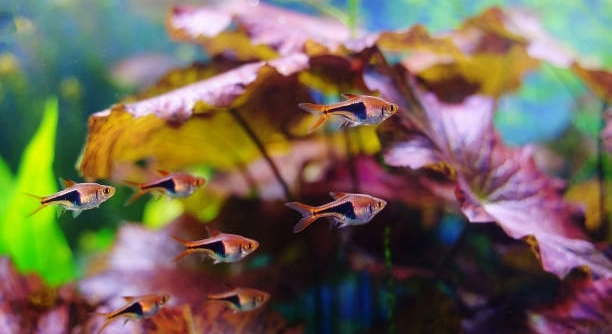
Lighting plays a significant role in creating a comfortable environment for rasboras. The right patterns can influence their behavior, reducing stress and promoting natural activity. Many hobbyists overlook how subtle changes in lighting affect these small fish.
Seven specific lighting patterns have been shown to calm rasboras effectively. Gradual dimming, soft diffused light, and consistent day-night cycles help maintain their natural rhythms. Alternating brightness gently and avoiding sudden flashes minimizes stress responses and encourages healthy schooling behavior.
Learning how to adjust lighting correctly can transform your aquarium into a peaceful space for rasboras. Applying these patterns ensures a harmonious and visually pleasing tank environment.
Soft Gradual Dimming
Soft gradual dimming mimics natural sunset and sunrise, helping rasboras feel secure. When lights fade slowly, their stress levels decrease, and they are more likely to explore the tank. Sudden changes in brightness can startle them, leading to erratic swimming and hiding. Implementing a timer ensures consistency, which is crucial for establishing predictable routines. Positioning the light at a gentle angle can prevent glare on the water surface, further reducing anxiety. Rasboras respond best when transitions last at least 15 to 30 minutes. Using dimmable LEDs allows flexibility in creating the ideal gradient. The effect of dimming is especially noticeable in the early evening when the tank transitions to darkness. Pairing dimming with plants or decorations that cast soft shadows enhances the calming effect. Observing the fish’s reactions over time helps refine the schedule. A well-timed dimming pattern encourages natural feeding and schooling behaviors, promoting overall tank harmony.
Gradual dimming creates a soothing environment that helps rasboras settle and swim more calmly, reducing stress and improving overall health.
Consistent, gentle dimming supports natural rhythms, making the aquarium feel safe. Rasboras move more smoothly, explore their surroundings, and engage in natural behaviors. This pattern reduces sudden stress reactions, encourages proper feeding, and fosters balanced activity throughout the day.
Soft Diffused Lighting
Soft diffused lighting spreads light evenly, avoiding harsh spots or glare that can disturb rasboras.
Using diffusers or frosted covers on LED lights can create a more uniform glow. Positioning lights above plants or decorations softens shadows and reflections, preventing sudden brightness contrasts. Rasboras are sensitive to sharp light, which can trigger hiding or frantic swimming. Diffused light encourages them to swim near the center and surface without fear. Combining diffused lighting with low-intensity settings enhances visibility while maintaining comfort. Observing how rasboras interact with different areas of the tank helps determine optimal placement. Daylight-mimicking bulbs with adjustable color temperature work well to balance warmth and brightness. Maintaining consistent lighting duration strengthens their circadian rhythm, contributing to stress reduction. Incorporating diffused light patterns alongside gradual dimming ensures a calm, predictable environment that supports schooling behavior and general well-being.
Proper soft diffused lighting can reduce stress and support natural movement. It creates a peaceful atmosphere that keeps rasboras comfortable and active.
Consistent Day-Night Cycles
Maintaining a regular day-night cycle helps rasboras feel secure. Lights should turn on and off at the same time daily. Consistency reduces stress and encourages natural behavior patterns, supporting healthy activity and feeding routines.
A consistent schedule aligns with the fish’s internal clock. Rasboras rely on predictable light changes to regulate their sleep and activity. Sudden shifts in lighting can disrupt their rhythm, causing restlessness or hiding. Using a timer ensures lights activate and deactivate at the same time each day. Observing their response can help fine-tune the cycle for optimal comfort. A stable environment promotes schooling behavior and reduces aggressive interactions. Over time, regular cycles enhance growth and overall tank health. Proper timing also supports plant health, contributing to a balanced ecosystem.
Day-night cycles influence feeding, swimming, and resting behaviors. Rasboras show calmer, more natural movements with a predictable lighting pattern, creating harmony in the tank.
Alternating Brightness Patterns
Alternating brightness introduces slight variations without sudden changes. This encourages natural activity while preventing stress.
Alternating brightness simulates dappled light similar to sunlight filtering through plants. Adjusting intensity at short intervals keeps rasboras alert without startling them. Using programmable LEDs allows gentle fluctuations over hours. Sudden, drastic changes should be avoided to prevent panic swimming or hiding. Watching how rasboras respond helps refine timing and intensity. Even minor adjustments can improve tank aesthetics while keeping fish comfortable. Soft patterns combined with dimming create a balanced environment. Repeated exposure helps rasboras adapt, reducing stress reactions over time. The effect is noticeable in their relaxed schooling and smoother swimming.
These patterns provide visual stimulation while maintaining calm. Rasboras react positively, staying near mid-tank and exploring naturally without sudden bursts of activity.
Low-Intensity Lighting
Low-intensity lighting reduces stress for rasboras, making the tank feel safer. Bright lights can trigger hiding or erratic swimming, so keeping illumination gentle helps them stay relaxed and active.
Soft, low lighting encourages exploration and schooling behavior. Positioning lights higher or using dimmable LEDs maintains comfort while allowing visibility.
Shadow Play
Creating gentle shadows adds visual interest without startling fish. Shadows from plants or decorations give rasboras safe zones to swim through naturally.
Shadows break up uniform light, reducing stress and promoting calm behavior. This subtle variation encourages natural movement, allowing rasboras to navigate the tank confidently.
Warm Light Tones
Warm light tones mimic natural sunlight, which rasboras find comforting. Cooler lights can appear harsh and increase stress levels.
Using bulbs with warm color temperatures helps fish remain calm and maintain regular activity patterns. This creates a natural and inviting tank environment.
FAQ
How long should the lights stay on for rasboras each day?
Rasboras benefit from a consistent lighting schedule of around 10 to 12 hours per day. Maintaining this period supports their natural circadian rhythm and reduces stress. Using a timer ensures lights turn on and off at the same time daily. Gradual dimming at the start and end of the cycle helps ease transitions. Avoid keeping lights on for extended periods, as this can overstimulate the fish and disrupt their normal behavior. Observing the fish’s activity can help fine-tune the timing to match their comfort levels. Proper duration encourages feeding, schooling, and resting behaviors effectively.
Can changing light colors affect rasboras?
Yes, color temperature impacts rasboras’ mood and activity. Warm light tones, similar to natural sunlight, are calming. Cooler or overly bright white light can make them anxious, leading to hiding or frantic swimming. Using adjustable LEDs allows experimentation with soft reds, yellows, or warm whites, which encourage natural movement without stress. Avoid frequent, sudden changes in color, as it can startle them. Combining color adjustments with dimming or diffused light patterns improves comfort. Fish often respond best to gradual shifts in tone rather than abrupt changes. Over time, they settle into calmer, more predictable swimming patterns.
Do rasboras prefer bright or dim areas in the tank?
Rasboras naturally seek areas that offer both light and cover. Bright zones near plants or decorations allow them to explore safely, while dimmer areas provide security. Avoid placing lights directly over open water without shaded zones, as this can increase stress. Gradual transitions from bright to dim areas create a balanced environment. Observing where the fish gather helps identify preferred spots and adjust lighting accordingly. Providing both intensity levels encourages natural behavior and comfortable schooling. Soft shadows and diffused light enhance the effect. Balancing light across the tank ensures no area becomes overly harsh or too dark.
Is it necessary to use a timer for lighting patterns?
Using a timer is highly recommended. Rasboras thrive on predictable light schedules, which reduce stress and support natural activity cycles. Timers prevent human error, ensuring lights turn on and off at the same time daily. Gradual dimming or alternating brightness patterns can be programmed to run automatically. Consistent timing encourages proper feeding, schooling, and resting behaviors. Without a timer, irregular light exposure can disrupt rhythms, causing restlessness or hiding. Observing fish response helps fine-tune the timer settings, providing a stable environment. Automation ensures long-term stability, benefiting both the fish and the overall tank ecosystem.
How do shadows affect rasboras’ behavior?
Shadows provide safe zones that mimic natural environments. Rasboras feel less exposed and are more likely to swim freely when gentle shadows are present. Decorations and plants casting soft shadows break up uniform lighting, reducing stress. Subtle shadow patterns encourage exploration and allow the fish to move naturally. Sudden or harsh shadows should be avoided, as they can startle the fish. Consistent, soft shadow play supports calm schooling and activity. Combining shadows with diffused or low-intensity lighting enhances the overall sense of security in the tank.
Can alternating light patterns help reduce aggression?
Yes, alternating light patterns reduce stress that can lead to aggressive behavior. Gentle variations in intensity or brightness encourage natural movement without startling rasboras. Using programmable LEDs to cycle between low and slightly higher brightness at gradual intervals prevents overstimulation. Stable patterns combined with soft dimming and shadows create a calmer environment. Fish tend to school more cohesively when stress is minimized, reducing chances of chasing or nipping. Observing how different patterns affect behavior allows customization for the tank. Maintaining a predictable but slightly varied light schedule supports balanced activity and healthy social interactions.
Are there signs that lighting is stressing my rasboras?
Yes, stress from lighting often appears as frantic swimming, hiding, or staying at the bottom of the tank. Sudden darting or clinging to plants indicates discomfort. Fish may avoid brightly lit areas or show irregular schooling. Adjusting intensity, color, or timing often resolves these behaviors. Gradual changes and observing responses are key to finding the optimal setup. Consistent light schedules, combined with dimming, diffused lighting, and gentle shadows, typically reduce stress. Tracking behavior over several days helps identify the best patterns. Correct lighting improves feeding, movement, and overall health while fostering natural behavior.
What is the best combination of lighting patterns for calm rasboras?
The most effective setup includes gradual dimming at the start and end of the day, soft diffused light, and a stable day-night cycle. Adding gentle shadows and low-intensity areas promotes security. Alternating brightness at subtle intervals can enhance natural movement. Warm light tones are preferable to harsh white or cool lights. Using timers for consistency ensures the fish adapt smoothly. Observing behavior helps fine-tune intensity, placement, and duration. Combining these patterns creates a balanced environment that encourages schooling, reduces stress, and promotes feeding. Over time, rasboras become more confident and display calmer swimming patterns.
Can lighting affect feeding behavior?
Lighting directly impacts feeding schedules. Bright or harsh light can make rasboras hesitant to approach food. Gentle, diffused lighting encourages regular feeding patterns. Gradual transitions and consistent timing help fish feel safe when feeding. Shadows can provide cover, making them more willing to explore the tank for food. Low-intensity and warm tones also enhance appetite. Observing how fish respond under different lighting allows for adjustments to optimize feeding behavior. Proper lighting ensures balanced nutrition and supports overall health. Consistent patterns reduce anxiety during feeding times, making the process smoother for both fish and caretaker.
How often should I adjust the lighting setup?
Adjustments should be gradual and infrequent. Rasboras adapt best to consistent patterns. Minor tweaks in intensity, tone, or timing can be made based on behavior observations. Avoid sudden or frequent changes, as this can increase stress and disrupt schooling. Periodic evaluation ensures lighting supports activity, feeding, and natural rhythms. Seasonal adjustments or changes in tank layout may require minor modifications. Keeping records of light schedules and fish behavior helps track what works best. A stable setup promotes long-term health, reduces stress, and ensures a calm and visually pleasing environment for the rasboras.
Lighting plays a crucial role in creating a calm and healthy environment for rasboras. Small changes in intensity, color, or timing can have a noticeable effect on their behavior. Gradual dimming, soft diffused light, and consistent day-night cycles all contribute to reducing stress and promoting natural activity. When the lighting is too harsh or inconsistent, rasboras may hide, swim erratically, or avoid certain areas of the tank. Observing how they react to different patterns helps in finding the most comfortable setup. A well-lit tank that mimics natural conditions encourages schooling, proper feeding, and smooth swimming, allowing the fish to display their natural behaviors more often. Incorporating elements like shadows, low-intensity areas, and warm light tones further enhances their comfort. Using programmable LEDs or timers can make managing these lighting patterns much easier, ensuring the fish experience predictable and safe transitions throughout the day. Over time, rasboras adapt to these routines, which reduces stress and promotes a calmer, more harmonious tank environment.
Consistency is key when it comes to lighting for rasboras. Regular day-night cycles help maintain their internal rhythms, making them feel secure and less prone to anxiety. Sudden changes in brightness or color can trigger stress responses, which may impact feeding habits and overall activity. Timers are useful tools for maintaining this consistency, as they prevent human error and ensure the lights turn on and off at the same times each day. Gentle adjustments, like alternating brightness or adding subtle shadows, can provide visual stimulation without causing discomfort. Soft, warm light tones tend to be the most calming, while cool or overly bright light may increase agitation. Observing the fish closely is important for assessing how they respond to different lighting strategies. Over time, these observations allow you to refine the setup for optimal comfort and natural behavior. A tank with carefully managed lighting not only looks appealing but also supports the long-term health and well-being of the rasboras.
Implementing thoughtful lighting patterns is a simple yet effective way to enhance the aquarium environment. Soft dimming, diffused light, and low-intensity zones can be combined to create a sense of security that encourages exploration and reduces stress. Shadows and alternating brightness add variation without startling the fish, while consistent schedules reinforce their natural rhythms. Attention to light tone and intensity supports feeding, swimming, and schooling behaviors, contributing to a well-balanced tank ecosystem. Rasboras respond positively to predictable and gentle lighting, becoming more confident and active as they adapt. By observing and adjusting lighting patterns based on behavior, the tank can maintain a calm and natural atmosphere that benefits both the fish and the overall aquarium health. Over time, a thoughtfully lit tank creates a space where rasboras thrive, displaying natural behavior, remaining active, and interacting with their environment in a stress-free way. This approach ensures a peaceful, visually pleasing aquarium that promotes the long-term well-being of the fish while making maintenance easier and more predictable.

Hello,
If you enjoy the content that we create, please consider saying a "Thank You!" by leaving a tip.
Every little bit helps us continue crafting quality advice that supports the health, happiness, and well-being of pets around the world, for pets of all shapes, sizes, and species.
We really appreciate the kindness and support that you show us!