
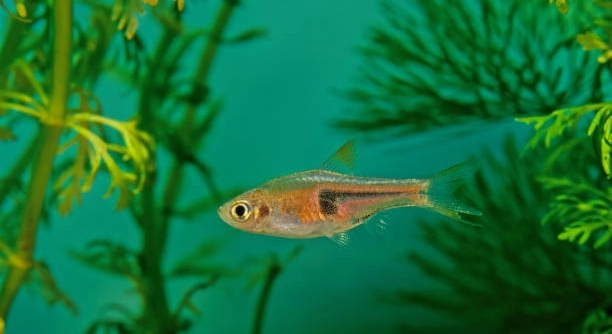
Many aquarists notice that rasboras often stay still in the morning. These tiny fish seem calm and motionless, creating a quiet, peaceful scene in the aquarium as they adjust to the day’s light and activity.
Rasboras stay still in the morning primarily due to lower light levels and their natural circadian rhythm. This behavior conserves energy while they gradually wake and prepare for feeding and social interaction within the tank.
Observing this behavior can reveal a lot about their health and daily patterns. Understanding these small routines helps maintain a calm and balanced aquarium environment.
Morning Light and Rasbora Behavior
In the early hours, the lighting in the tank is usually dim, which affects rasboras significantly. These fish are naturally cautious, and low light encourages them to remain still, conserving energy while they observe their surroundings. I often notice mine hovering near plants or decorations, barely moving until the light strengthens. This stillness is not a sign of illness but a natural response to reduced visibility. During this time, they are more alert to any movement or potential disturbances in the water. The slower activity in the morning also gives them a chance to gradually wake up and coordinate with other fish in the tank. Maintaining consistent light cycles helps rasboras feel secure and follow predictable patterns. Observing these subtle behaviors can be calming and gives insight into their daily routine. Morning stillness is just part of their natural rhythm, signaling readiness for the day ahead.
Low light levels trigger stillness, helping rasboras adjust to the morning gradually.
Consistency in lighting encourages normal activity and reduces stress, creating a healthier environment.
Feeding and Energy Levels
Rasboras tend to move slowly in the morning because they conserve energy before feeding.
After resting through the night, their metabolism is slower, so sudden bursts of activity are unusual. As the day progresses and feeding begins, their activity increases naturally. Food stimulates movement, and once they sense feeding time, they become more active and social. The timing of feeding affects their morning behavior, so keeping a regular schedule can help them settle into predictable patterns. I notice that when I feed them consistently at the same time, they leave their morning stillness sooner and interact with each other more. Skipping meals or changing feeding times can disrupt this routine, leading to irregular activity. Besides feeding, water temperature and oxygen levels also play a role in energy. Slightly cooler mornings can make them slower, while well-oxygenated, slightly warmer water encourages smoother movement. Monitoring these small details ensures rasboras remain healthy and display natural behaviors consistently.
Tank Environment and Comfort
Rasboras stay still when they feel safe and comfortable in their surroundings. Plants, hiding spots, and gentle water flow encourage this calm behavior, especially in the morning when they are less active.
A well-decorated tank provides security for rasboras, letting them rest without feeling threatened. They often choose corners or dense plants to hover near, reducing stress while observing their environment. Smooth water flow and stable temperature levels also contribute to their comfort. I notice mine linger near floating plants, moving slowly until activity increases later in the day. A stable environment not only encourages natural stillness but also supports overall health, helping them display consistent behavior patterns.
Water quality and tank setup strongly influence morning stillness. High oxygen levels, moderate temperatures, and clean water make rasboras more willing to move earlier, while poor conditions can prolong inactivity.
Social Behavior and Schooling
Rasboras often remain still in the morning to stay close to their school, maintaining group cohesion. This behavior reduces stress and ensures safety.
Schooling provides comfort and confidence, especially when light levels are low. Fish in a tight group can monitor each other and react quickly if danger arises. I notice mine forming small clusters near plants, barely moving until the tank becomes brighter and feeding starts. Social interaction gradually increases throughout the morning as each fish feels safe to explore further. Their stillness also strengthens bonds within the school, creating a calm and synchronized environment. By observing these patterns, it’s easier to understand how social dynamics influence activity.
Even minor changes in tank composition affect schooling. Adding new fish or rearranging decorations can make rasboras pause longer, reassessing safety. Maintaining stable social groups encourages predictable behavior, helping them stay active when appropriate and rest when needed.
Resting and Recovery
Rasboras stay still in the morning to rest after nighttime activity. This period allows their bodies to recover and conserve energy for the day ahead.
Resting in quiet areas or near plants helps them feel secure. I often see mine barely moving, conserving strength before feeding or swimming actively later.
Temperature and Water Conditions
Morning stillness is influenced by cooler water temperatures. Lower temperatures slow metabolism, making rasboras less active until the water warms slightly with daytime lighting. Consistent water conditions help maintain their natural rhythm, supporting health and predictable behavior patterns throughout the day.
Observing Individual Differences
Not all rasboras behave the same. Some may move slightly earlier, while others prefer staying still longer, reflecting unique personalities and energy levels within the school.
Why do my rasboras stay still even after the light is on?
Rasboras may remain still for several minutes even after the lights turn on because they are slowly adjusting to the change. Sudden light can feel overwhelming, so they prefer to observe and assess the environment before swimming actively. I notice mine often hover near plants or decorations during this period, waiting for the brightness to feel comfortable. Gradually, as they detect no danger, movement increases, and normal activity resumes. Consistent light schedules help them adapt more quickly over time.
Is it normal for rasboras to stay motionless for hours?
Extended stillness in rasboras is sometimes normal if the water conditions are slightly cooler or if they are conserving energy after nighttime activity. They often rest near secure spots like plant clusters or tank corners. However, if stillness is accompanied by unusual behavior such as clamped fins, faded color, or loss of appetite, it may indicate stress or illness. I always check water parameters when I notice prolonged inactivity to ensure everything is stable. Temperature, oxygen levels, and cleanliness all affect their energy and willingness to swim.
Do rasboras need more hiding spots to feel comfortable?
Yes, hiding spots significantly influence their morning stillness. Dense plants, decorations, and smooth surfaces provide secure areas where they can rest without feeling threatened. My rasboras often choose similar spots every morning, hovering quietly before exploring the tank. Adding extra cover can reduce stress, promote natural resting behavior, and help shy individuals gradually gain confidence. Even small adjustments, like floating plants or a rock cluster, can make a noticeable difference in how soon they become active.
Can feeding times affect morning activity?
Feeding schedules have a strong impact on rasbora activity levels. Fish anticipate food and may remain still until they sense feeding is near. I have found that keeping a consistent morning feeding routine encourages them to leave their resting spots sooner. Irregular feeding can make them hesitant to move or alter their usual patterns. Besides timing, the type of food matters; floating flakes or sinking pellets may change how they approach movement and interaction. Consistency creates predictability, which makes them feel safer and more willing to swim.
Do water temperature changes make rasboras stay still longer?
Yes, temperature influences metabolism, which directly affects activity. Cooler water in the morning slows their movement, making them hover quietly until the water warms slightly. In my experience, even a few degrees difference can change how quickly they become active. Maintaining a stable temperature reduces stress and supports natural behavior. Gradual increases from morning to daytime temperatures help them transition smoothly from rest to normal activity without sudden bursts of movement that can stress the school.
Could social dynamics affect their morning stillness?
Absolutely. Rasboras are schooling fish, and their activity depends on the group. If one fish feels insecure or if new fish are introduced, the whole school may remain still longer. I often see my group pause together, especially after rearranging tank decorations. Maintaining stable social structures encourages confidence, helping them leave hiding spots and engage in normal swimming routines sooner. Observing how each fish reacts provides insight into their social bonds and overall comfort within the tank.
Are there signs that stillness indicates illness?
While morning stillness is usually normal, certain signs suggest health issues. Prolonged inactivity, clamped fins, rapid gill movement, or loss of color can indicate stress, poor water conditions, or disease. I always monitor water quality and behavior closely, and if abnormalities persist, separating the affected fish and consulting resources or a professional is important. Healthy rasboras regain movement gradually as light and feeding stimulate activity, so deviations from this pattern deserve attention. Proper maintenance, observation, and predictable routines minimize the risk of illness affecting their morning behavior.
Does light intensity affect how quickly they start swimming?
Yes, light intensity plays a key role in morning behavior. Dim or soft lighting encourages slow adjustment and stillness, while brighter, sudden light may cause stress or rapid darting. I prefer using gradual lighting or a timer to simulate natural sunrise, which helps rasboras leave their resting spots calmly and begin normal activity at a comfortable pace. Over time, they learn to respond to the light cycle, showing steady morning movement without panic or hesitation.
Can adding more plants reduce morning stillness?
Adding plants or floating cover usually helps rasboras feel secure and leave hiding spots faster when they are ready. I have noticed that dense, layered plant arrangements give shy individuals the confidence to move sooner. The extra cover provides both resting areas and observation points, letting fish assess the environment safely. Over time, the group’s movement becomes more predictable, and their morning stillness becomes a natural, healthy part of their routine rather than a sign of stress.
Does water flow impact their activity in the morning?
Yes, gentle water flow encourages movement without causing stress. Strong currents can make rasboras cling to surfaces or hide, extending their stillness. I keep moderate flow in my tank, which allows fish to swim naturally while feeling secure. Balanced flow simulates a natural environment, helping them adjust to the morning gradually and leaving resting spots at a comfortable pace. This simple adjustment reduces prolonged inactivity and promotes consistent, healthy daily behavior.
This FAQ covers the most common reasons rasboras remain still in the morning, offering practical ways to support their natural routines.
Rasboras are delicate, small fish that show us how subtle daily routines can be. Their stillness in the morning is a natural behavior influenced by light, temperature, energy levels, and social patterns. Watching them hover quietly near plants or decorations can feel calming, but it also tells us a lot about their well-being. Morning stillness is usually not a problem; it is part of their normal rhythm. They are adjusting after nighttime rest, waiting for the environment to feel safe and comfortable before swimming actively. This quiet period allows them to conserve energy for feeding and social activity later in the day. Consistency in tank conditions makes these transitions smoother, and small changes in light, temperature, or social setup can make noticeable differences in their behavior.
A stable environment helps rasboras feel secure, which is essential for healthy daily patterns. Water quality, temperature, and oxygen levels all affect how soon they leave their resting spots. Proper hiding places, gentle water flow, and a predictable feeding schedule support their natural routines. I have found that keeping these factors steady reduces stress and encourages them to move at their own pace. Even minor changes, like rearranging plants or introducing new fish, can make them pause longer as they reassess safety. Observing their morning stillness gives valuable insight into their comfort level and health. By noticing how they respond to light, temperature, and social interactions, it becomes easier to support their needs without unnecessary interference.
Understanding morning stillness also helps improve overall aquarium care. Rasboras show us that small, consistent actions make a difference, from maintaining stable water conditions to offering appropriate cover and feeding schedules. Their quiet presence in the morning is part of what makes keeping them enjoyable, as it allows observation of subtle behaviors and interactions within the school. Taking time to notice these patterns strengthens the connection between the fish and the keeper while ensuring their health. Respecting their natural rhythm and providing a stable, secure environment promotes both activity and rest in a balanced way. Morning stillness is not a problem to fix but a natural, healthy aspect of their daily life that reflects the care and attention given to their tank.

Hello,
If you enjoy the content that we create, please consider saying a "Thank You!" by leaving a tip.
Every little bit helps us continue crafting quality advice that supports the health, happiness, and well-being of pets around the world, for pets of all shapes, sizes, and species.
We really appreciate the kindness and support that you show us!