
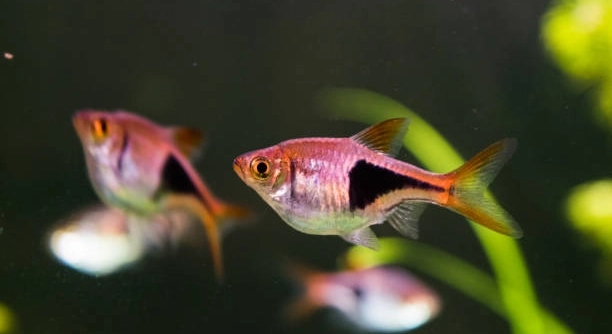
Do rasboras are small, active fish that bring life to any aquarium. Many aquarists enjoy watching their movements and routines, often noticing patterns in how they explore and interact within their environment.
Rasboras do display loyalty to certain spots in their tank. This behavior is influenced by safety, feeding patterns, and environmental familiarity. Fish often return to areas that provide shelter or comfort, demonstrating consistent spatial preferences over time.
Understanding these tendencies can help improve tank setup and care, ensuring a more comfortable environment for your rasboras to thrive.
How Rasboras Choose Their Spots
Rasboras often pick areas in the tank based on comfort and safety. They naturally seek places with cover, such as plants, rocks, or decorations, where they can hide if startled. Open areas are less appealing because they feel exposed. Lighting and water flow also influence their choice. Gentle currents are preferred, while strong currents may drive them away. Many aquarists notice that rasboras return to the same spots repeatedly, indicating a level of territorial comfort rather than aggression. Observing these patterns can help in arranging the tank to suit their preferences. Over time, their loyalty to specific spots becomes more obvious as they consistently gather in certain corners or near preferred plants. Even in groups, individual fish may have favored locations, while others stick together. By understanding these tendencies, aquarists can make the environment feel secure, reducing stress and promoting healthier, more active fish behavior.
Tank layout and plant placement play a key role in where rasboras settle.
Rasboras thrive in tanks that mimic natural habitats. Including a variety of plants, hiding spots, and calm areas allows each fish to find its preferred location. Observing their behavior can reveal which parts of the tank are most comfortable for them. Adjusting décor or lighting can influence where they spend time, ensuring they remain active and healthy. Consistent feeding spots also encourage them to return regularly, reinforcing their loyalty to familiar areas. Group dynamics matter as well; while some fish prefer solitude, others move together, often returning to the same cluster spots. Tank maintenance and water quality further impact their comfort, as rasboras avoid areas that feel unsafe or unclean. By considering these factors, aquarists can create a space where rasboras feel secure, display natural behavior, and enjoy better overall well-being.
Signs Rasboras Feel Comfortable
When rasboras stay in the same spot regularly, it shows they feel secure.
Comfortable rasboras display smooth, relaxed swimming patterns. They may hover near plants or decorations without darting or hiding frequently. This behavior indicates they recognize the area as safe, and they are not stressed by tank conditions. Observing these habits allows aquarists to identify which parts of the tank are most suitable.
Creating an environment where rasboras feel comfortable involves careful attention to tank structure, lighting, and water conditions. Balanced plant placement provides both shelter and open swimming areas. Smooth water flow ensures they are not constantly battling currents, which reduces stress and encourages them to stay in preferred spots. Regular feeding in consistent locations further reinforces their confidence in the environment, as fish learn where to find nourishment. Grouping patterns should be considered, as rasboras are social and often select spots near other members of the school. Avoiding abrupt changes in décor or tank layout maintains a sense of stability, allowing them to continue returning to familiar areas. Understanding these behavioral cues helps aquarists create a healthier, more predictable environment for their fish, supporting natural habits and overall well-being.
Encouraging Spot Loyalty
Providing stable decorations and plants helps rasboras choose and stick to spots. Avoid rearranging the tank frequently, as consistency promotes comfort. Feeding in the same area also reinforces their sense of security.
Rasboras develop attachment to specific spots over time when their environment feels safe. Consistent plant coverage, hiding spaces, and gentle water flow encourage them to return to familiar areas. Observing their behavior can reveal preferred locations, allowing adjustments to improve tank comfort. Even small changes in water temperature or lighting can influence where they gather, so keeping conditions stable is essential.
Group behavior influences individual spot loyalty as well. In schools, some rasboras follow dominant or confident members, which can determine cluster spots. By observing these dynamics, you can ensure all fish have access to safe areas. Proper tank setup allows each rasbora to express natural tendencies while maintaining a calm and secure environment, reducing stress and encouraging healthy activity.
Factors That Affect Spot Selection
Tank size, water flow, and plant placement all impact where rasboras settle. Providing varied zones encourages them to find comfortable spots naturally.
Water quality and consistent maintenance strongly influence spot selection. Rasboras avoid areas with poor oxygenation, debris, or fluctuating temperature. Dense plant clusters offer shelter, while open zones are less favored, especially when light is strong. Flow patterns matter; gentle currents attract fish, while strong currents discourage lingering. Feeding routines also reinforce location preference, as fish associate certain areas with food availability. By considering these factors, aquarists can guide rasboras toward specific tank zones, creating a more predictable and stable environment. Consistency in these elements reduces stress and promotes long-term health.
Common Spot Preferences
Rasboras often choose areas with moderate plant coverage, gentle currents, and soft lighting. They tend to avoid open, exposed sections of the tank, preferring corners or spaces with nearby shelter.
Schools of rasboras usually cluster in consistent areas. Individual fish may have slightly different preferences, but overall, they return to spots that feel secure and calm.
Observing Behavior Patterns
Regular observation helps identify preferred locations and interactions. Watch for repeated hovering, resting, or feeding near the same decorations. These patterns indicate comfort, safety, and social dynamics within the school. Consistency over days or weeks confirms loyalty to particular spots. Adjusting tank elements based on these observations can enhance their environment and reduce stress.
Adjusting the Tank Environment
Small changes in décor or lighting can encourage rasboras to explore new areas while maintaining comfort.
FAQ
Do rasboras always return to the same spot?
Rasboras often return to preferred spots, especially if the area feels safe and comfortable. Plants, decorations, and calm water flow encourage repeated visits. While individual fish may explore, they usually settle back in familiar areas once they feel secure.
Can tank layout affect their loyalty?
Yes, tank layout plays a big role in spot selection. Placing plants, rocks, or hiding spaces consistently allows rasboras to form habits around certain areas. Open spaces and strong currents can discourage lingering, while consistent décor encourages comfort and familiarity.
Do all rasboras have the same preferences?
Not exactly. While they share general tendencies, individual fish may favor different spots. Some prefer corners, others near dense plants, or close to decorations. Observing each fish helps in understanding their specific needs and creating a balanced environment for the school.
How long does it take for them to settle?
Settling time varies but typically takes a few days to a couple of weeks. Fish adjust to new environments gradually, learning where they feel safe. Maintaining stable water conditions and consistent décor speeds up this process, encouraging them to adopt preferred spots more quickly.
Does feeding location influence loyalty?
Yes, feeding habits directly influence spot loyalty. Fish tend to return to areas associated with food. Placing food consistently in the same spot reinforces comfort and encourages repeated visits. Over time, these areas become reliable gathering points for the school.
Will adding more plants change their favorite spot?
Adding plants can shift their preferences, but changes should be gradual. Rasboras appreciate stable conditions, so introducing new elements slowly allows them to explore without stress. Some fish may adopt new spots, while others remain loyal to their original locations.
Do water conditions impact their chosen areas?
Absolutely. Temperature, oxygen levels, and water flow affect comfort. Fish avoid areas with poor water quality or strong currents. Maintaining stable and appropriate water parameters ensures rasboras feel safe in their preferred spots and promotes healthy, stress-free behavior.
Can rasboras show social influence on spot choice?
Yes, group dynamics matter. In a school, some confident or dominant fish may lead the others to certain areas. Less assertive individuals often follow, creating clusters. Recognizing these social patterns helps in designing tank layouts that accommodate group behaviors while giving space to all fish.
Is it normal for them to explore new spots?
Yes, exploration is natural. Rasboras occasionally investigate different areas, especially during feeding or after minor environmental changes. As long as they continue returning to familiar locations, occasional exploration is part of normal behavior and does not indicate stress or discomfort.
How can I encourage them to use the entire tank?
Use balanced décor and plant placement to create multiple appealing zones. Gentle currents, varied lighting, and scattered hiding spots invite movement. Consistent feeding in different areas encourages exploration, while stable water conditions maintain comfort and prevent stress-related avoidance of certain spots.
What signs indicate a fish is unhappy with a spot?
Signs include excessive hiding, rapid darting, or avoiding previously preferred areas. Stress, poor water quality, or insufficient shelter often cause these behaviors. Observing fish closely and adjusting tank conditions can help them feel secure and encourage a return to normal spot loyalty.
Does tank size matter for spot loyalty?
Yes, larger tanks provide more options, allowing multiple preferred areas. Smaller tanks may limit choices, so arranging plants and decorations thoughtfully is important. Even in limited space, consistent layout supports spot loyalty and reduces stress for each fish in the school.
Can sudden changes disrupt their habits?
Yes, abrupt rearrangements or new additions can cause temporary disorientation or stress. Fish may explore more or hide excessively. Gradual adjustments and maintaining familiar reference points help them adapt without losing established spot preferences.
How do lighting changes affect their behavior?
Rasboras prefer gentle, consistent lighting. Bright or fluctuating light may push them toward shaded or hidden areas. Gradual adjustments allow them to adapt while maintaining comfort and encouraging them to remain in chosen spots consistently.
Are some rasboras more loyal than others?
Yes, individual temperament influences loyalty. Some are more adventurous, exploring multiple areas, while others consistently return to a favorite spot. Understanding these differences helps in arranging a tank that accommodates both types, providing safe areas for everyone in the school.
Can spot loyalty improve overall health?
Yes, familiar and secure areas reduce stress, which supports immune function, appetite, and activity levels. Providing preferred spots and stable conditions helps rasboras maintain natural behavior, resulting in healthier, more vibrant fish that thrive in their tank environment.
How do I track their preferred spots?
Regular observation is key. Note where fish spend most time, especially during feeding or rest periods. Recording patterns over days or weeks reveals consistent areas, allowing adjustments in décor, feeding, or lighting to reinforce comfort and promote natural spot loyalty.
Do rasboras compete for favorite spots?
Some minor competition occurs, especially in small tanks. Dominant individuals may claim preferred areas, while others find nearby alternatives. Providing multiple hiding spots and open zones reduces conflict and ensures each fish has a safe, comfortable location to settle.
Can changing water flow encourage them to try new spots?
Yes, gentle variations in current can prompt exploration. Rasboras often follow smoother flow areas, so adjusting filtration or adding gentle circulation near underused sections encourages them to expand territory while maintaining comfort and safety.
Are all decorations equally effective in encouraging spot loyalty?
No, effectiveness varies. Dense plants, caves, and smooth rocks offer shelter and comfort, while sparse or sharp décor may be avoided. Observing fish interactions with different elements helps identify which decorations support their preferred spots and reduce stress in the tank.
Rasboras are small, delicate fish that show remarkable consistency in their behavior when provided with a comfortable environment. Over time, they develop preferences for specific spots within the tank, usually areas that offer shelter, calm water flow, and moderate lighting. Observing these patterns can be both interesting and helpful, as it allows aquarists to better understand their fish and adjust the tank environment to suit their needs. Each rasbora may have a slightly different preference, but most display loyalty to areas where they feel safe and secure. The presence of plants, rocks, or other decorations that provide hiding spots encourages this behavior. Even the layout of the substrate and the position of tank elements can influence which locations the fish prefer. By noting where they spend most of their time, it becomes easier to make small adjustments to improve their comfort and overall well-being. Consistent tank conditions, including temperature, water flow, and cleanliness, also reinforce their loyalty to chosen spots, helping them feel at ease and reducing stress levels.
Maintaining an environment that supports spot loyalty requires thoughtful planning and careful observation. Rasboras respond well to stable setups where changes are gradual, allowing them to explore safely without feeling threatened. Feeding patterns also play a role, as fish tend to return to areas associated with food. In a school, social dynamics may influence spot selection, with more confident or dominant individuals often leading the group to particular areas. Ensuring that there are multiple comfortable zones in the tank helps reduce competition and ensures that every fish has a space to retreat to when needed. Adequate plant coverage and strategically placed decorations provide both security and variety, encouraging natural behaviors while allowing each fish to express its personality. Paying attention to their movements over time can reveal which spots are most important to them, enabling aquarists to create a more predictable and stress-free environment. Consistency in tank conditions and careful observation combine to enhance the health and happiness of the entire school.
Understanding rasboras’ preference for certain areas highlights the importance of catering to their natural instincts. Their loyalty to spots is not simply a matter of habit; it reflects their need for safety, comfort, and routine. By designing a tank that accounts for these tendencies, aquarists can create a more harmonious setting where the fish feel secure and thrive. Adjusting the tank thoughtfully—through careful plant placement, gentle water flow, and stable lighting—helps maintain their preferred areas while encouraging occasional exploration. Observing how they interact with their environment and each other provides insight into their social and spatial behavior. Ultimately, recognizing and supporting rasboras’ spot loyalty contributes to a healthier, more natural habitat. By focusing on stability, comfort, and consistent care, it is possible to foster an environment where rasboras feel confident in their chosen areas, display natural behaviors, and enjoy overall better health.

Hello,
If you enjoy the content that we create, please consider saying a "Thank You!" by leaving a tip.
Every little bit helps us continue crafting quality advice that supports the health, happiness, and well-being of pets around the world, for pets of all shapes, sizes, and species.
We really appreciate the kindness and support that you show us!