
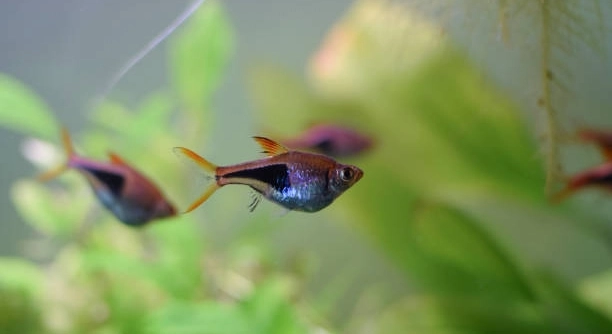
Rasboras are small, social fish often kept in community aquariums. They move in groups and display lively interactions with other fish, making them interesting to observe. Many hobbyists notice patterns in their behavior over time.
Rasboras are capable of recognizing familiar tankmates through repeated interactions. They form social bonds, remember individuals, and adjust their behavior based on past experiences with other fish, demonstrating a level of memory and social awareness uncommon in smaller aquarium species.
Observing these behaviors can provide insight into the social dynamics of your aquarium and improve the overall care and harmony of your fish.
How Rasboras Identify Their Tankmates
Rasboras rely heavily on visual and chemical cues to identify other fish in their tank. Over time, they notice patterns in swimming, feeding, and interactions. These cues help them distinguish between familiar tankmates and newcomers. Social interactions, such as following a specific fish during feeding or swimming together in groups, reinforce recognition. Studies suggest that repeated exposure to the same individuals strengthens memory. In mixed-species tanks, rasboras often show preference for their own kind, but they can recognize and tolerate other species that pose no threat. Subtle behaviors, like synchronized swimming or gentle nudging, indicate acknowledgment and comfort around specific tankmates. Recognizing familiar fish reduces stress, as the presence of known individuals creates a stable social environment. Over time, rasboras may even adjust their position in the tank based on previous interactions, forming small subgroups or clusters with certain fish. This behavior shows their ability to remember and respond to social patterns.
Familiar tankmates help rasboras feel secure, reducing aggression and promoting calmer, more predictable behavior in community tanks.
Memory in rasboras extends beyond recognition. They can recall which tankmates are dominant or more active, allowing them to navigate social hierarchies. Young or new fish often take time to integrate, and established groups adjust their interactions accordingly. This memory influences feeding order, swimming patterns, and even resting areas within the tank. Fish that are repeatedly seen behaving aggressively may be avoided, while those showing cooperative or non-threatening behaviors are welcomed. Recognizing familiar faces supports healthy social structure and ensures stress levels remain low. Over time, this recognition becomes a subtle but important aspect of daily tank life, improving overall harmony.
Benefits of Social Recognition in Rasboras
Recognizing tankmates strengthens group cohesion and reduces unnecessary stress among fish.
Social recognition encourages stable behavior, preventing fights and promoting coordinated swimming. When rasboras remember each other, feeding becomes smoother, and aggressive displays decrease. Fish that know their companions often exhibit less hiding and more exploration. In a tank with consistent tankmates, rasboras can establish routines that benefit overall health. They swim in loose schools, following familiar individuals, which provides security and confidence. This consistency also allows you to observe natural behaviors without interference from stress-induced actions. Over months, the relationships formed impact their daily life, from choosing resting spots to reacting to disturbances. Even minor interactions, like subtle nudges or side-by-side swimming, reinforce bonds. These patterns highlight the importance of maintaining stable groups in aquariums, especially for small, social species like rasboras. Proper care and awareness of social dynamics can lead to a harmonious, lively tank where fish thrive and exhibit natural behaviors.
How Long Rasboras Remember Tankmates
Rasboras can remember familiar tankmates for several weeks to months. The duration depends on repeated interactions and consistent tank conditions. Stable environments help strengthen their memory and maintain social bonds. Stress or frequent changes may shorten recognition periods.
Memory retention in rasboras is influenced by routine and exposure. Fish that interact daily with the same group are more likely to remember individuals over long periods. Feeding times, swimming together, and social interactions reinforce recognition. Disruptions such as sudden tank additions, aggressive fish, or relocation can temporarily affect memory. Consistent observation shows that familiar fish continue to receive preferential attention even after a break in interactions, suggesting a lasting recognition ability. Environmental cues like tank layout and hiding spots also play a role in memory, as fish associate certain areas with specific companions. Overall, repeated and stable interactions are key to maintaining recognition over time.
Even in larger groups, rasboras show clear preference for specific tankmates. They adjust swimming patterns and feeding behavior based on prior experiences. Memory helps reduce stress and improve social harmony. Fish remembered from past interactions are more likely to be tolerated and included in loose school formations. Subtle behaviors like synchronized swimming or gentle nudging continue to appear with familiar companions. Unfamiliar fish may be approached cautiously or avoided until recognition is established. Long-term memory supports the development of structured groups, allowing fish to interact predictably. Maintaining consistent companions and a stable environment enhances memory retention and encourages calmer, more cohesive behavior.
Factors That Affect Recognition
Age, tank size, and species diversity all influence recognition ability in rasboras. Younger fish may take longer to remember others, while smaller tanks promote frequent interaction and faster recognition.
Stress, frequent tank changes, or aggressive tankmates can reduce memory retention. Rasboras exposed to new fish often need extra time to adjust. Group size matters; larger schools may cause recognition to be less precise because fish encounter many individuals. Water quality, temperature, and lighting can also impact their focus and comfort levels, indirectly affecting memory. Tankmates of different species may be remembered differently depending on interaction frequency. Familiarity strengthens over repeated exposure, and predictable routines help solidify recognition. Sudden changes or overcrowding can disrupt social bonds, making fish appear forgetful. Overall, stable conditions and consistent social exposure are crucial for preserving recognition among tankmates.
Recognizing New Tankmates
Rasboras approach new tankmates cautiously at first. They observe behavior, swim patterns, and reactions before fully interacting. Gradual exposure helps them feel secure and accept newcomers over time.
They rely on repeated interactions to build familiarity. Quick introductions or sudden changes may cause stress and hesitation. Consistency allows recognition to develop naturally.
Social Hierarchies Among Rasboras
Even in small groups, rasboras form subtle hierarchies. Dominant fish often lead swimming groups or take the first turns at feeding spots. Subordinate fish adjust their behavior to avoid conflict, following or yielding to stronger individuals. Over time, these hierarchies become stable, and fish recognize each other’s positions within the group. This social order helps reduce aggression and maintains calm within the tank. Fish that are remembered as non-threatening continue to interact freely, while those with a history of dominance or assertiveness may be approached more cautiously. Memory and recognition play key roles in keeping these hierarchies consistent and predictable.
Benefits of Stable Groups
Stable groups encourage calmer swimming patterns and consistent feeding behaviors among rasboras.
FAQ
How do rasboras show they recognize other tankmates?
Rasboras display recognition through consistent swimming patterns and interactions. They often follow familiar fish during movement or feeding, swim side by side, and avoid aggressive behavior toward known companions. Gentle nudges, synchronized turns, and staying close to certain fish are common signs of recognition.
How long does it take for rasboras to recognize new tankmates?
Recognition usually develops over several days to a few weeks. It depends on the size of the group, tank conditions, and frequency of interactions. Gradual exposure allows them to observe behaviors, establish comfort, and remember individuals without stress. Sudden introductions may delay recognition.
Can rasboras forget their tankmates?
Yes, memory can fade if fish are separated for long periods or if tank conditions are stressful. Changes in environment, aggressive newcomers, or inconsistent routines can disrupt memory. However, consistent exposure and calm surroundings help maintain recognition over months.
Do rasboras recognize tankmates of other species?
Rasboras can recognize other species, but familiarity often develops more slowly. They rely on visual and chemical cues and will interact cautiously until comfort is established. Non-threatening species that share routines and space are more likely to be accepted.
Does age affect recognition ability?
Younger rasboras may take longer to remember others, as they are still learning social cues. Adult fish typically recognize tankmates more quickly and maintain stable interactions. Memory strengthens with repeated exposure, regardless of age, though young fish need patience to adjust.
How does tank size influence recognition?
Smaller tanks allow more frequent interactions, helping fish remember each other faster. Larger tanks can make recognition harder because encounters are less frequent. Providing clear swimming paths and observation spots encourages repeated interaction, which strengthens memory even in bigger aquariums.
Can stress impact recognition?
Stress has a strong effect on memory. Poor water quality, aggressive tankmates, sudden changes, or overcrowding can reduce a rasbora’s ability to recognize companions. Calm, stable conditions are essential for maintaining social memory and preventing conflicts.
Why do rasboras form subgroups?
Subgroups often form based on familiarity and past interactions. Fish tend to swim with those they recognize, leading to loose clusters within the tank. These groups reduce stress and allow predictable social interactions, which helps maintain harmony in community setups.
How can I help my rasboras recognize new fish faster?
Introduce new fish gradually and maintain a stable routine. Feeding at the same time and allowing observation before direct interaction encourages recognition. Avoid overcrowding and provide hiding spots so both new and established fish feel secure. Repeated exposure over several days strengthens bonds.
Do dominant rasboras remember their subordinates differently?
Yes, dominant fish often recognize subordinates and adjust their behavior to maintain hierarchy. Subordinate fish also remember dominant individuals and avoid confrontation. This mutual recognition stabilizes the social structure and reduces aggressive interactions within the group.
What role does feeding play in recognition?
Feeding times are key for social learning. Rasboras notice who eats first, who follows, and how others behave during feeding. Familiarity develops as they repeatedly observe and interact during these times. Consistent feeding schedules reinforce memory and comfort with tankmates.
Are there signs that a fish does not recognize its tankmates?
Signs include isolation, hesitation to swim near others, sudden aggression, or frequent hiding. Fish that do not recognize companions may act cautiously or avoid interactions entirely. Over time, repeated exposure usually reduces these behaviors and builds recognition.
Do environmental cues help recognition?
Yes, familiar areas of the tank, like hiding spots or favorite swimming zones, assist memory. Fish associate these locations with specific companions, reinforcing recognition and promoting calm, organized swimming patterns.
Can recognition affect breeding behavior?
Rasboras often show preference for spawning near familiar companions. Recognizing other fish reduces stress, allowing natural breeding behavior to occur. Stable groups and consistent companions create a secure environment conducive to reproduction.
How does group size influence memory accuracy?
Smaller groups allow precise recognition of each individual, while larger groups may lead to less consistent memory. Even in bigger schools, repeated interaction with the same fish helps maintain familiarity and reduces stress, though recognition may be slower and less detailed.
Does lighting or tank decoration impact recognition?
Proper lighting and consistent tank layout help fish identify companions by making visual cues clear. Sudden changes in decoration or lighting can confuse fish temporarily, making it harder for them to remember familiar tankmates. Gradual changes are less disruptive.
Can rasboras recognize fish after a long separation?
Yes, in many cases, rasboras remember previous tankmates even after weeks apart. Recognition is stronger if prior interactions were frequent and positive. Some fish may need a short adjustment period, but memory often persists long term.
How do rasboras react to new aggressive tankmates?
They approach cautiously and may temporarily avoid certain areas or companions. Aggressive fish can disrupt established recognition patterns, forcing rasboras to reassess social dynamics. Gradual introductions and monitoring are essential to maintain calm interactions.
Is it important for aquarium hobbyists to monitor recognition?
Monitoring recognition helps maintain calm, stress-free tanks. Understanding how fish interact allows better management of feeding, social structure, and tank introductions. Observing familiar and new behaviors ensures healthy social bonds and reduces aggression, improving overall aquarium harmony.
Do water conditions influence memory?
Stable water temperature, pH, and cleanliness support cognitive function and social behavior. Poor conditions can increase stress, reducing recognition and altering normal interactions. Maintaining optimal water parameters is essential for long-term memory and healthy social dynamics.
Can recognition impact overall health?
Yes, fish that recognize tankmates experience less stress and more predictable routines, promoting stronger immunity and overall well-being. Stress from unfamiliar or aggressive fish can lead to illness, making recognition a subtle but important factor in maintaining healthy aquariums.
What are long-term signs that recognition is well-established?
Long-term recognition is shown by consistent schooling with certain individuals, predictable feeding order, and reduced aggression. Fish return to familiar companions even after temporary separations. Calm swimming, synchronized movement, and minimal hiding are indicators that memory and social bonds are strong.
How can hobbyists support recognition in community tanks?
Provide stable groups, gradual introductions, consistent routines, and proper tank conditions. Avoid overcrowding and aggressive species. Encourage repeated interactions through feeding and swimming patterns. A calm, structured environment promotes lasting memory and healthy social behavior.
Does recognition vary by rasbora species?
Some species may be more social or attentive than others, but most show recognition abilities. Differences are subtle, often relating to temperament and schooling behavior. Observing interactions within your specific species helps understand recognition patterns and social needs.
How do hobbyists identify stress versus simple unfamiliarity?
Stress signs include rapid swimming, erratic movements, hiding, or aggression. Unfamiliarity may show as cautious observation without extreme behaviors. Monitoring reactions over time helps distinguish stress from normal adjustment to new or unfamiliar tankmates.
Can recognition influence feeding hierarchy?
Yes, recognized individuals often take the lead during feeding. Familiarity helps fish know who is dominant, who follows, and who yields space. Stable recognition reduces competition and ensures smoother, less stressful feeding sessions.
Are there tools to help monitor recognition?
Observing daily interactions, swimming patterns, and feeding order provides insight. Keeping a consistent tank layout and maintaining group stability allows hobbyists to notice subtle behaviors that indicate recognition. Recording behaviors over time can help track social bonds.
Do decorations or hiding spaces affect group memory?
Yes, familiar hiding spots and landmarks support memory. Fish associate companions with certain areas, reinforcing recognition. Sudden changes may confuse fish temporarily, while consistent environments maintain calm, predictable interactions.
How do rasboras balance recognition with new introductions?
They gradually approach newcomers, observing and interacting cautiously. Recognition of established companions helps them maintain confidence while learning about new fish. Over time, memory adjusts, and social harmony can be restored without stress.
Can recognition prevent bullying in community tanks?
Recognition reduces conflicts by allowing fish to know who is dominant and who is safe. Familiarity leads to predictable behavior, minimizing bullying and promoting peaceful interactions, especially in small or stable groups.
Do tank size and decoration interact with recognition?
Yes, smaller tanks encourage frequent encounters, while larger tanks require structured observation and consistent routines. Decorations can serve as familiar reference points, helping fish recognize companions and navigate social dynamics confidently.
Is recognition more important in mixed-species tanks?
Yes, familiarity helps reduce stress and aggression in diverse groups. Recognizing both own species and non-threatening companions supports calm swimming, predictable behavior, and overall tank harmony. Repeated interactions are key to establishing these bonds.
How does repeated observation strengthen recognition?
Repeated exposure allows fish to memorize visual and chemical cues, reinforcing familiarity. Daily interactions like swimming together or feeding alongside each other build memory, ensuring recognition lasts even after short separations.
Can recognition help with breeding success?
Stable groups and familiar companions reduce stress, creating an environment conducive to spawning. Rasboras are more likely to exhibit natural breeding behavior when they feel secure and surrounded by known tankmates.
What happens when recognition fails?
Fish may hide, swim erratically, or become aggressive. Stress increases, and social harmony is disrupted. Maintaining stable conditions, consistent routines, and careful introductions prevents recognition failure and ensures smooth tank dynamics.
Are there signs of long-term recognition in behavior?
Consistent schooling, predictable swimming patterns, calm feeding interactions, and minimal hiding indicate strong recognition. Fish return to familiar companions after separation and interact with confidence, showing memory and social bonds are well-established.
Can memory be improved in rasboras?
Yes, repeated exposure to stable tankmates, consistent routines, and calm environments strengthen memory. Gradual introductions and stable social conditions enhance recognition over time, improving overall group behavior.
How important is recognition for tank health?
Recognition reduces stress, supports feeding routines, maintains social harmony, and prevents aggression. Fish that remember their tankmates are calmer, healthier, and more likely to display natural behaviors, making recognition a key factor in successful aquariums.
Final Thoughts
Rasboras are small, social fish that rely heavily on recognition to navigate their tank environment. Their ability to remember and identify tankmates plays a key role in maintaining calm and predictable behavior. When they recognize familiar companions, they swim more confidently, feed more efficiently, and avoid unnecessary stress. This recognition is not just a matter of preference—it helps create a structured social system within the tank. Fish that remember each other can develop loose groups or clusters, which reduces conflicts and promotes a sense of security. Over time, these social patterns become more established, making daily interactions smoother for both the fish and the aquarium keeper.
Memory and recognition in rasboras are influenced by repeated interactions and stable tank conditions. Consistency in feeding schedules, tank layout, and water quality helps reinforce memory and strengthen bonds between familiar fish. Changes in the tank, such as adding new fish or altering decorations, can temporarily disrupt recognition, causing hesitation or stress. However, rasboras are adaptable and will gradually learn to identify newcomers if introductions are handled carefully and slowly. Stable environments allow them to retain recognition for weeks or even months, highlighting the importance of maintaining calm, predictable conditions. Understanding these patterns can help hobbyists provide better care, reducing stress and aggression while supporting the overall well-being of their fish.
Observing rasboras over time shows that their recognition abilities have practical benefits for aquarium management. Fish that know their companions are less likely to display aggressive behavior, which makes the tank a more harmonious space. Memory also influences feeding order, swimming patterns, and resting spots, allowing hobbyists to anticipate behavior and provide a more suitable environment. Recognizing the value of social familiarity in rasboras can help in creating balanced community tanks where all species coexist more comfortably. By providing consistent routines, calm surroundings, and gradual introductions when necessary, hobbyists can ensure that these small fish not only survive but thrive, demonstrating the importance of social bonds in the life of a tank.

Hello,
If you enjoy the content that we create, please consider saying a "Thank You!" by leaving a tip.
Every little bit helps us continue crafting quality advice that supports the health, happiness, and well-being of pets around the world, for pets of all shapes, sizes, and species.
We really appreciate the kindness and support that you show us!