
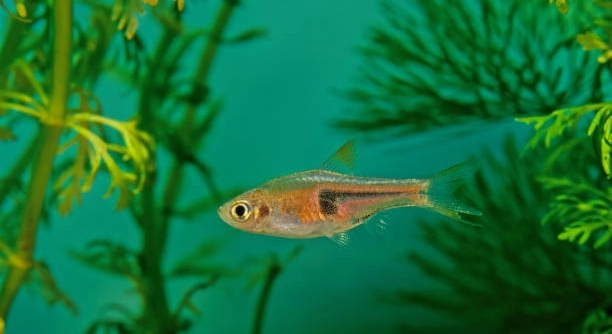
Rasboras are small, peaceful fish that often brighten home aquariums. They swim actively, but sometimes they seem to vanish, leaving owners unsure of their whereabouts. Observing their behavior can help understand why they hide.
Rasboras hide primarily due to environmental stress, including sudden changes in water conditions, presence of aggressive tankmates, insufficient cover, or illness. They seek shelter to reduce risk and maintain comfort within their habitat.
Learning what triggers these hiding behaviors can help you create a more comfortable and safe environment for your rasboras to thrive.
Sudden Changes in Water Conditions
Rasboras are very sensitive to water quality. Even small fluctuations in temperature, pH, or hardness can make them nervous. If water changes too quickly or becomes polluted, they tend to hide more often. I remember once adjusting the filter without checking the temperature, and several rasboras retreated into plants for hours. They feel safer in dense vegetation or behind decorations when something feels off. Over time, consistently unstable water can affect their health, causing stress and weakening their immune system. Stable conditions help them stay active and visible. Using a thermometer, checking pH regularly, and doing partial water changes can prevent these hiding episodes. Rasboras need gentle, gradual changes to adapt comfortably. Observing their usual swimming patterns can also indicate when something in the water has shifted. When conditions are right, they emerge more confidently and interact naturally.
Maintaining consistent water parameters reduces hiding behavior and supports overall health, helping rasboras remain active and visible in their aquarium environment.
When you keep an eye on temperature and cleanliness, you’ll notice them exploring more freely rather than staying hidden.
Presence of Aggressive Tankmates
Aggressive fish can intimidate rasboras, causing them to hide to feel safe. Even minor chasing can trigger this behavior.
Aggressive or territorial fish create stress for rasboras. They may dart into corners, plants, or behind decorations to escape. Over time, constant stress affects feeding, growth, and coloration. Choosing calm, small tankmates helps reduce hiding. Setting up plenty of hiding spots like plants or caves gives rasboras refuge without isolating them. Observing interactions carefully allows adjustments, such as separating incompatible species. Even subtle bullying, like nipping fins, prompts hiding. Ensuring adequate space and reducing overcrowding also helps. Sometimes, just rearranging the tank decorations can give them a sense of safety, allowing them to swim more confidently. By understanding their needs and monitoring tank dynamics, rasboras show more natural behavior, staying visible and active without fear. Healthy social conditions and proper layout create a stable environment where these fish feel secure and flourish naturally.
Insufficient Cover
Rasboras need hiding spots to feel safe. Lack of plants, rocks, or decorations can make them anxious, causing them to hide in corners or near the tank bottom.
Providing adequate cover encourages natural behavior. Live or artificial plants, small caves, and driftwood give rasboras places to retreat when stressed. I once had a tank with mostly open space, and the rasboras spent most of their time darting nervously. Adding tall plants and hiding structures immediately changed their behavior. They began swimming more freely and showing their usual schooling patterns. Cover not only reduces stress but also improves confidence. Dense areas allow them to rest while still observing their surroundings safely. Without hiding spots, they may remain skittish and reluctant to explore, affecting feeding and social behavior.
Hiding areas also reduce competition with tankmates for space. By arranging decorations thoughtfully, each rasbora finds its own safe zone, improving overall tank harmony and helping shy individuals feel more comfortable.
Illness or Injury
Sick or injured rasboras often hide to recover, avoiding movement and interaction with others.
When rasboras feel unwell, they retreat to secluded spots to conserve energy and avoid predation. Changes in color, sluggish swimming, or clamped fins are common signs. I noticed one of my rasboras hiding for days with faded color and minimal movement. Monitoring water quality and diet is crucial to prevent illness. Quarantining new or affected fish also protects the rest of the tank. Observing their behavior closely helps detect early symptoms before conditions worsen, allowing timely intervention. Stress from illness can lead to more hiding, so addressing the root problem is essential. Regular feeding schedules, clean water, and minimal disturbances support recovery and prevent further issues.
Early detection and proper care allow rasboras to return to normal activity. When treated appropriately, they regain confidence and resume swimming openly, restoring their usual vibrant presence in the tank.
Nighttime Activity
Rasboras are naturally more cautious at night and often hide when the lights go off.
Dim lighting or complete darkness makes them seek shelter, resting in plants or behind decorations until daylight returns.
Overcrowding
Too many fish in one tank increases stress and forces rasboras to hide frequently. Space limitations reduce swimming freedom and create constant tension.
Overcrowded conditions disrupt natural schooling behavior. Rasboras may struggle to find food or proper hiding spots, leading to constant skittishness. I experienced this when adding too many tankmates at once; several rasboras spent most of their time behind decorations. Reducing the number of fish and ensuring proper tank size immediately improved visibility and activity. Providing adequate swimming areas alongside sufficient hiding spots balances security and movement, allowing each fish to feel safe. Overcrowding also increases aggression among species, making even calm rasboras retreat. A well-planned stocking level promotes healthy interaction, feeding, and schooling without excessive hiding.
Breeding Behavior
During breeding, rasboras often hide to protect themselves or their eggs from other fish in the tank.
Why do my rasboras hide immediately after adding them to a new tank?
New environments can be stressful for rasboras. Sudden changes in water parameters, temperature, or unfamiliar surroundings make them feel unsafe. When I first moved a small school into a freshly cycled tank, they immediately retreated into plants and decorations. Providing ample hiding spots and keeping the environment calm helps them gradually explore. Slowly acclimating them to the water by floating their bag and adding tank water in intervals reduces stress. Avoid sudden movements or tapping on the glass, as these actions prolong hiding. Over time, they will feel secure enough to swim openly, often returning to schooling behavior once comfortable.
How can I tell if hiding is caused by illness or just shyness?
Illness usually comes with visible changes. Look for faded color, clamped fins, lethargy, or difficulty swimming. Shy but healthy rasboras maintain normal coloration and may dart around quickly when startled but resume normal swimming after hiding. I noticed one rasbora hiding more than usual with slightly pale color and slow movements, which indicated an early infection. Observing feeding behavior is another clue; sick fish may ignore food, while shy ones still eat when offered in quiet areas. Regular water testing, proper diet, and observing interactions can help differentiate stress-related hiding from health problems. Quarantining suspected sick fish prevents spreading illness and allows focused care.
Can lighting affect hiding behavior?
Yes, lighting plays a significant role. Rasboras often feel safer in dimly lit areas or under floating plants. Bright lights, especially sudden changes, can trigger hiding. I had a tank with strong overhead lighting, and my rasboras spent most of the day behind decorations. Adding soft lighting and providing shaded areas encouraged them to swim more openly. Using a consistent light schedule helps establish routines, reducing stress-related hiding. LED lights with adjustable intensity or floating plants can create gentle gradients, giving rasboras comfort while maintaining visibility for observation. Light management can significantly improve their confidence and natural behavior.
Does tank size influence hiding?
Absolutely. Overcrowded or small tanks increase stress, causing rasboras to hide more. Limited swimming space makes them feel trapped and vulnerable. I once had a small 10-gallon tank with six rasboras; they barely ventured out of plants. Upgrading to a larger tank and providing open swimming areas alongside hiding spots drastically changed their behavior. A proper tank size allows normal schooling and reduces tension with tankmates. When planning a tank, consider both swimming space and cover. Even calm species need room to feel secure. Adequate space ensures each fish can find its own area to retreat without constant confrontation.
Will aggressive tankmates make hiding worse?
Yes. Aggressive or fin-nipping fish increase stress, prompting rasboras to seek shelter constantly. I added a few territorial fish to an otherwise peaceful tank, and several rasboras spent days behind plants. Providing calm tankmates and arranging decorations to offer multiple hiding spots helps balance security and visibility. Monitoring fish interactions is important; even subtle chasing can create chronic stress. Separating incompatible species or using dividers ensures safety while maintaining social dynamics. Proper selection of tankmates fosters confidence in rasboras, allowing them to swim freely without fear.
Can hiding affect feeding and growth?
Hiding reduces access to food, which can stunt growth over time. Rasboras that remain in secluded areas may miss multiple feedings, especially if tankmates are faster eaters. I noticed shy fish in my tank losing weight compared to more confident schoolmates. Offering food near their hiding spots, using floating or sinking pellets, and feeding small portions multiple times a day encourages them to eat safely. Ensuring each fish has access to proper nutrition supports growth and health. Consistent observation helps identify individuals struggling to feed. By addressing hiding behavior, you also improve their overall condition and prevent long-term health issues.
What are the best ways to reduce hiding behavior?
Providing stable water conditions, adequate cover, appropriate lighting, and calm tankmates is key. I rearranged my tank decorations, added more plants, and maintained a steady water schedule, and my rasboras gradually became more visible. Gradual acclimation for new fish, regular feeding, and monitoring for illness also contribute. Patience is essential; some rasboras naturally take longer to feel safe. Combining environmental stability with thoughtful tank setup encourages confidence and reduces hiding without forcing interaction. Creating a predictable, secure habitat allows them to display normal schooling and exploratory behaviors, improving their overall quality of life in the aquarium.
Is hiding normal for all rasboras?
Yes, some hiding is normal, especially during stressful periods, nighttime, or breeding. I noticed my rasboras would retreat more during water changes or when introducing new tankmates. Understanding their natural tendencies and providing refuge ensures they remain healthy and comfortable. It’s when hiding is prolonged or paired with illness signs that intervention becomes necessary. By observing patterns, adjusting the environment, and maintaining consistent care, you can differentiate normal behavior from stress or health issues. Hiding in moderation is part of their natural instincts and helps them feel secure.
Can breeding increase hiding?
During breeding, rasboras often seek secluded areas to protect eggs or themselves from other fish. I observed my pair hiding among dense plants while laying eggs. Providing calm areas with dense vegetation or spawning mops reduces stress and ensures successful reproduction. Breeding periods are temporary, and hiding usually decreases once eggs are deposited or fry begin to swim. Monitoring water quality and keeping tankmates calm prevents disturbance. Creating a safe, quiet environment helps rasboras focus on reproduction while minimizing excessive hiding, allowing other fish to maintain normal activity levels.
Rasboras are small, delicate fish that can brighten any aquarium, but their hiding behavior can sometimes puzzle owners. Hiding is a natural response to stress, environmental changes, illness, or social dynamics in the tank. Recognizing why rasboras hide is important for maintaining their health and wellbeing. Each fish has its own personality, and some are naturally more timid than others. Providing a secure and stable environment allows these shy fish to feel comfortable and gradually explore their surroundings without fear. Consistent water conditions, gentle lighting, and quiet handling make a noticeable difference in their confidence. Even small changes, like adjusting the position of plants or decorations, can create a safer space that encourages them to swim openly. Understanding their instincts helps owners respond appropriately without overreacting or causing additional stress.
Hiding can also serve as a useful indicator of potential problems in the tank. When rasboras retreat more than usual, it may signal poor water quality, illness, or aggressive tankmates. Observing their behavior closely allows for early detection of health or environmental issues before they become severe. Regular water testing, a balanced diet, and careful observation of interactions between tankmates are essential for maintaining a healthy community. Creating enough hiding spots alongside open swimming areas balances security with freedom of movement, which reduces stress and promotes natural schooling behavior. Even in a peaceful tank, rasboras appreciate having choices about where they can rest and feel safe. Providing proper care and attention ensures they remain active, healthy, and visually vibrant, giving the tank a more dynamic and harmonious appearance.
Finally, patience is key when managing rasboras and their hiding habits. It may take time for new fish to acclimate or for shy individuals to gain confidence. Over time, with consistent care and a stable environment, most rasboras gradually spend less time hidden and more time swimming visibly. Avoid rushing them or forcing interaction, as this can increase stress and prolong hiding behavior. By creating a comfortable and secure tank environment, owners support both the physical and emotional wellbeing of their fish. Understanding their behavior not only improves the overall aquarium experience but also strengthens the bond between owner and pet. Recognizing the reasons behind hiding allows for informed decisions that benefit the fish and create a peaceful, thriving aquarium environment. With careful attention, rasboras can flourish, exhibiting their natural colors, energy, and schooling behavior, adding beauty and liveliness to any home tank.

Hello,
If you enjoy the content that we create, please consider saying a "Thank You!" by leaving a tip.
Every little bit helps us continue crafting quality advice that supports the health, happiness, and well-being of pets around the world, for pets of all shapes, sizes, and species.
We really appreciate the kindness and support that you show us!