
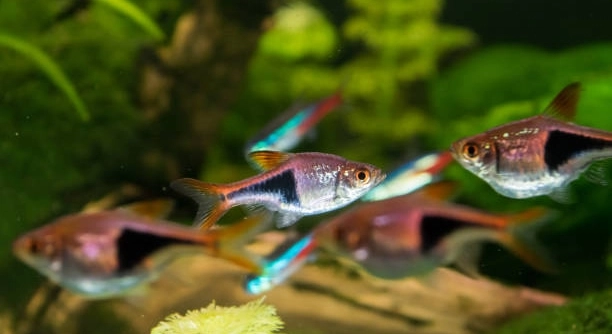
Are your Rasbora schools always skittish and darting around the tank at the slightest movement? Many aquarists face this challenge, as these small fish are naturally sensitive and can become stressed in unfamiliar or poorly maintained environments.
The most effective way to calm nervous Rasbora schools is by optimizing their tank environment. Ensuring consistent water parameters, adding hiding spots, reducing sudden movements near the tank, and maintaining proper lighting helps the fish feel secure and reduces erratic behavior.
Keeping your Rasboras happy involves more than just feeding them. Small changes in their surroundings and daily care can dramatically improve their comfort and social behavior within the school.
Understanding Stress Triggers in Rasbora Schools
Rasboras are highly sensitive fish, and their stress often comes from multiple sources at once. Sudden movements near the tank, overly bright lighting, or rapid changes in water temperature can cause them to dart frantically. Even compatible tankmates may unintentionally startle them if the species is too boisterous. Overcrowding is another major factor; Rasboras thrive in groups, but too many fish in a small tank creates tension and competition for resources. Equipment noise, such as filters or air pumps, can also contribute to stress, especially if placed too close to their hiding spots. Observing your fish for early signs of nervousness, like frequent hiding, jumping, or clumping at the bottom, is essential. Addressing these triggers proactively helps prevent long-term stress-related health issues and improves their overall activity levels.
Providing a stable environment reduces panic responses and encourages calm schooling behavior. Small adjustments in tank setup can make a noticeable difference in their comfort.
Once you identify the main stress triggers, implementing gradual changes is key. Start by adjusting lighting to a softer level, adding plants or ornaments for hiding spaces, and arranging decorations to create open swimming areas while offering security. Maintain consistent water parameters, including temperature, pH, and cleanliness, to minimize sudden shocks. Limit disturbances around the tank and ensure tankmates are peaceful and compatible. Over time, Rasboras will become more confident and display natural schooling behavior, swimming in unison without frantic darting. Careful observation and incremental adjustments allow you to respond to stress without overwhelming the fish, ensuring they feel safe and secure in their habitat. This approach not only improves their behavior but also supports long-term health and vibrancy, making the tank a more enjoyable and balanced environment.
Proper Tank Setup for Calm Rasboras
A well-structured tank helps reduce anxiety and supports natural schooling patterns.
Tank size, plant placement, and hiding spaces are critical for calming nervous Rasboras. A minimum 20-gallon tank allows ample swimming room, while floating plants and shaded areas mimic their natural environment. Soft substrate and gentle filtration reduce water disturbance, preventing constant startle responses. Position decorations to create visual barriers and open swimming paths, which help the fish feel secure without confinement. Maintaining stable water conditions and gradual lighting transitions also contributes to a relaxed atmosphere.
Rasboras respond strongly to their surroundings, and a thoughtful tank setup is essential for their comfort. Incorporate live plants for cover, ensure adequate swimming space, and monitor water parameters regularly. Gentle filtration and minimal sudden disturbances support calmer behavior, allowing the school to form natural patterns. By arranging the tank strategically, you create an environment that promotes both security and activity. Over time, the fish will display coordinated schooling, reduced panic, and increased interaction within their group. A stable, well-planned setup is the foundation for keeping nervous Rasboras comfortable and healthy, turning a stressful tank into a serene and balanced habitat for these delicate fish.
Maintaining Stable Water Conditions
Stable water conditions are crucial for calm Rasboras. Sudden changes in temperature, pH, or hardness can trigger stress, making the fish jittery and prone to hiding. Regular monitoring and gradual adjustments prevent panic and support natural schooling behavior.
Consistent water parameters help nervous Rasboras feel secure. Rapid fluctuations in temperature or chemistry can cause erratic swimming, loss of appetite, and even illness. Using a reliable heater, testing water frequently, and performing partial water changes maintain stability. Avoid introducing chemicals or new fish abruptly, as these can shock the system. Over time, stable conditions allow Rasboras to establish routines and interact peacefully within their school, reducing frantic movements and overall stress.
Monitoring water quality includes keeping track of ammonia, nitrites, and nitrates. Maintaining proper filtration and performing routine partial water changes prevent buildup of harmful substances. Gradual adjustments in pH or temperature reduce shock and allow fish to acclimate comfortably. Rasboras are highly responsive to their environment, so even small changes can have noticeable effects on behavior. Observing their reactions and adjusting accordingly ensures long-term health, calmer schooling, and a thriving aquatic community. Consistency is key for creating a stress-free habitat where Rasboras can flourish naturally.
Adjusting Tank Lighting
Bright or harsh lighting can make Rasboras nervous. Using softer or dimmed lighting reduces stress and encourages natural activity.
Lighting affects both comfort and behavior in Rasboras. Too intense light can cause them to dart and hide, while moderate or filtered lighting provides a sense of security. Floating plants or shaded areas soften direct light and create retreat spots. Adjusting photoperiods gradually rather than abruptly prevents shock and supports their natural rhythm. Overhead light timers help maintain consistent day-night cycles, reducing anxiety. Proper lighting encourages calmer schooling, more visible activity, and healthier interactions within the group, contributing to a balanced and peaceful tank environment.
Too much light exposes Rasboras to constant stress, leading to fatigue and vulnerability to disease. Soft, diffused lighting combined with hiding areas allows the school to move confidently while feeling protected. Timing lights to mimic natural day-night cycles helps maintain normal feeding and swimming routines. Incorporating floating plants or decorative elements provides shade and retreat spaces, reducing startle responses. Gradually adjusting intensity rather than sudden changes allows the fish to acclimate comfortably. A thoughtful lighting plan enhances visibility, supports natural behavior, and keeps the school calmer and more active without overwhelming them.
Providing Hiding Spots
Hiding spots help Rasboras feel safe and reduce stress. Plants, caves, and decorations give them places to retreat when they feel nervous or threatened.
Dense vegetation and ornaments allow the fish to establish secure areas. These safe zones prevent constant darting and support natural schooling behavior.
Controlling Tank Activity
Minimizing sudden movements near the tank prevents Rasboras from panicking. Loud noises, tapping on glass, or rapid changes in lighting can startle them.
Keeping a calm environment encourages relaxed swimming patterns. Rasboras respond to consistent, gentle surroundings and settle into their usual routines. Observing their behavior while maintaining low disturbance helps reinforce security within the school.
Feeding Practices
Feeding small, frequent meals reduces competition and anxiety. Overfeeding or irregular schedules can trigger aggressive or frantic behavior among Rasboras.
Choosing Compatible Tankmates
Selecting peaceful tankmates avoids stress and aggressive interactions. Rasboras thrive with other non-territorial, gentle fish.
FAQ
Why are my Rasboras always darting around the tank?
Rasboras naturally react to sudden changes and disturbances. Frequent darting often results from bright lighting, rapid water fluctuations, or nearby movements. Providing hiding spots, stable water parameters, and gentle lighting reduces stress and encourages calmer schooling behavior.
How many Rasboras should I keep together?
Rasboras are social fish that thrive in groups. A minimum of six is recommended to encourage natural schooling. Small groups or isolated fish may feel insecure, leading to nervous or erratic swimming patterns. Larger groups allow the school to move in unison, promoting confidence.
Can tankmates affect Rasbora behavior?
Yes, aggressive or overly active fish can stress Rasboras. Peaceful, non-territorial tankmates are best. Species like tetras, small rasboras, and some livebearers usually coexist well. Avoid large, predatory, or fin-nipping fish that may trigger constant panic responses.
How does water temperature influence nervous behavior?
Rasboras prefer stable water between 74–80°F. Rapid temperature swings can shock them, leading to frantic swimming or hiding. Using a reliable heater and monitoring with a thermometer keeps conditions consistent, reducing stress and supporting healthy schooling patterns.
Does tank size matter for Rasboras?
Yes, they need space to swim comfortably. A 20-gallon tank or larger is ideal for a small school. Overcrowding creates tension and competition for space, increasing nervous behavior. Open swimming areas combined with hiding spots encourage security and natural activity.
What role does lighting play in Rasbora stress?
Harsh or overly bright lighting can make Rasboras jittery. Soft or diffused light, along with shaded areas created by plants or decorations, helps them feel secure. Gradually adjusting light intensity and using a timer for consistent day-night cycles reduces anxiety.
How often should I feed my Rasboras?
Small, frequent feedings are better than a single large meal. Overfeeding can create competition and aggressive behavior, while irregular feeding may cause panic at feeding times. Balanced portions with high-quality flakes or micro-pellets maintain health and calm activity.
Why do my Rasboras hide constantly?
Excessive hiding usually indicates stress or insecurity. Check water quality, lighting, and tankmates. Providing dense plants, caves, or other retreat areas gives them a sense of safety while encouraging gradual exploration of the tank.
Can sudden noises outside the tank affect Rasboras?
Yes, loud sounds, tapping on glass, or vibrations can startle Rasboras. Keeping the tank in a low-traffic area and minimizing abrupt disturbances supports calm schooling and reduces erratic swimming.
How do I know if my Rasboras are truly healthy?
Healthy Rasboras swim in coordinated schools, eat regularly, and display vibrant colors. Nervous or clamped fins, erratic movements, or constant hiding may indicate stress, poor water quality, or illness. Maintaining consistent care, tank conditions, and a peaceful environment ensures long-term health and behavior stability.
Can decorations really help calm my Rasboras?
Yes, hiding spots and visual barriers reduce perceived threats. Plants, caves, and ornaments allow Rasboras to feel secure while moving freely. A balanced tank layout with open swimming areas and retreat zones encourages confidence and natural schooling patterns.
Is it normal for Rasboras to jump sometimes?
Occasional jumping is natural, often linked to stress or sudden disturbances. Ensuring the tank has a secure lid and stable conditions reduces the risk of escape and injury, keeping the school safe and calm.
How long does it take for Rasboras to calm down?
Adjustment varies by individual and group size. With stable water, proper lighting, hiding spots, and compatible tankmates, many Rasboras show calmer behavior within a few days to a couple of weeks. Patience and observation are key.
Are live plants better than artificial for calming Rasboras?
Live plants provide natural cover, improve water quality, and offer retreat zones. They create a more realistic environment that reduces stress. Artificial plants work too, but live plants support long-term comfort, growth, and behavior in a more natural way.
Can changing the tank layout too often stress my fish?
Yes, frequent rearranging can make Rasboras feel insecure. Gradual changes are acceptable, but maintaining consistent hiding spots and swimming areas helps the school adapt without panic. Stability is essential for reducing nervous behavior and promoting healthy schooling.
Final Thoughts
Keeping Rasbora schools calm requires attention to both their environment and daily care. These small, delicate fish are naturally sensitive and react quickly to changes in lighting, water quality, and tank activity. By maintaining stable water parameters, such as temperature, pH, and cleanliness, you can prevent sudden stress that causes frantic swimming or constant hiding. Gradual changes and careful observation allow you to notice early signs of nervousness and address them before they become serious problems. A stable and predictable environment is one of the most effective ways to encourage calm and healthy behavior.
Tank setup plays a key role in supporting relaxed schooling. Providing hiding spots like plants, caves, or decorations helps Rasboras feel secure and reduces panic. Open swimming areas combined with shaded retreats give them both freedom and safety. Lighting should be soft and gradual rather than harsh or sudden, and decorations should create natural barriers while allowing movement. The placement of tankmates is equally important, as aggressive or overly active fish can disturb the school. Choosing peaceful species and arranging the tank thoughtfully ensures that Rasboras feel comfortable interacting and forming cohesive groups. Over time, these small adjustments can make a noticeable difference in their behavior.
Daily care habits also contribute to calmer Rasboras. Regular feeding with appropriate portions, careful handling of the tank environment, and limiting sudden disturbances support overall well-being. Observing their responses to changes in light, water, or surroundings helps you fine-tune their habitat. While Rasboras may never be completely unreactive, consistent care and attention allow them to settle into natural schooling patterns, swim confidently, and enjoy a stress-free life in the tank. By combining stable conditions, thoughtful tank design, and attentive maintenance, you can create a peaceful environment that supports both the physical health and emotional comfort of your Rasbora school.

Hello,
If you enjoy the content that we create, please consider saying a "Thank You!" by leaving a tip.
Every little bit helps us continue crafting quality advice that supports the health, happiness, and well-being of pets around the world, for pets of all shapes, sizes, and species.
We really appreciate the kindness and support that you show us!