
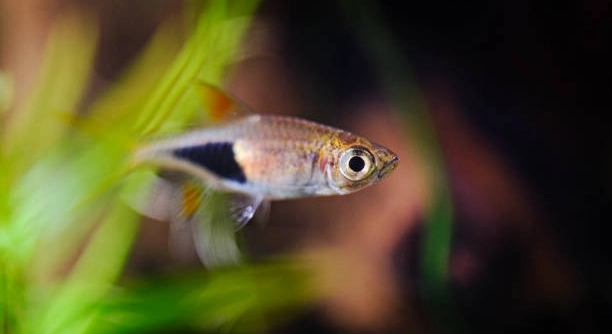
Many aquarium enthusiasts enjoy watching rasboras swim together in harmony. These small, active fish thrive in social groups, and observing their interactions can be both calming and rewarding for any fish keeper.
Rasboras exhibit distinct behaviors when they experience social isolation, including reduced swimming activity, hiding more often, showing signs of stress, decreased appetite, and avoiding interaction with other fish. Recognizing these indicators allows owners to take steps to restore their fish’s social environment.
Noticing these subtle signs early can help improve your rasbora’s well-being and maintain a balanced, healthy aquarium environment for all your fish.
Changes in Swimming Patterns
When a rasbora is feeling isolated, its swimming habits often shift noticeably. Normally active and social, an isolated rasbora may linger near the bottom of the tank or stick close to corners, avoiding open water. Schooling behavior decreases, and the fish may separate from others entirely. This behavior is often subtle at first, appearing as brief pauses or slower movement compared to its usual energetic patterns. Over time, the fish may develop repetitive or erratic swimming motions, circling alone or bumping into objects. Observing these changes carefully can provide early clues to isolation, helping you adjust the tank environment. Lighting, tank layout, and the presence of hiding spots can influence their comfort levels. Ensuring enough companions for social species like rasboras can reduce stress and encourage natural swimming behavior. This simple observation can prevent long-term health issues linked to prolonged isolation and inactivity, keeping your fish lively and engaged.
Slower, hesitant swimming often signals stress from social isolation and requires attention to restore group interaction and normal activity levels.
Adjusting the tank to include more companions or rearranging decorations can gently encourage the fish to rejoin others. Providing ample hiding places reduces stress, allowing isolated rasboras to feel secure while gradually resuming normal swimming patterns. Consistency in feeding times and maintaining water quality also support recovery. Over a few days, careful observation of movement, interaction, and energy levels will indicate whether the fish is reintegrating successfully. Noticing these subtle changes early helps prevent further stress-related problems like reduced immunity or loss of appetite. Integrating social species thoughtfully ensures the tank remains a balanced and healthy environment, promoting both individual and group well-being.
Reduced Appetite
A rasbora experiencing isolation often eats less than usual. Even with regular feeding, it may ignore food or nibble only occasionally, showing decreased interest.
Isolation impacts appetite through stress, lowering energy and willingness to compete for food. Social interaction is vital, as many rasboras feed more confidently within a group, following others’ cues. Stress-induced appetite loss can lead to weight loss and weaken the immune system, increasing susceptibility to disease. Observing feeding habits is a practical way to detect isolation early. Consistent monitoring ensures timely intervention, such as adjusting tank companions or offering familiar foods in smaller portions to encourage eating. Recovery depends on addressing social needs, environmental comfort, and minimizing stress. Regular, calm feeding sessions can help isolated rasboras regain confidence in feeding alongside others, restoring normal nutritional intake and supporting overall health.
Would you like me to continue with the next sections on hiding behavior and stress signs?
Increased Hiding
Isolated rasboras spend more time hiding behind plants, rocks, or decorations. They avoid open areas, showing signs of stress and reluctance to interact with other fish.
This behavior is a natural response to feeling unsafe or alone. Hiding reduces exposure to potential threats and helps the fish cope with social deprivation. Over time, the fish may remain hidden for long periods, only emerging briefly for food or movement. Frequent hiding can indicate chronic stress, which affects appetite, immune response, and overall activity. Adjusting tank mates or providing a small group can encourage the fish to leave hiding spots and regain confidence.
Placing secure hiding areas alongside open swimming space helps isolated rasboras balance safety and interaction. Gentle encouragement, such as feeding near visible areas, can gradually reduce hiding and restore natural social behavior. Monitoring these changes is important for long-term health and happiness.
Lethargy and Reduced Activity
Isolated rasboras often appear unusually lethargic, moving slowly or resting for extended periods. Their energy levels drop compared to normal active swimming patterns.
Prolonged inactivity can result from stress caused by social deprivation. Without companions to interact with, rasboras may lose motivation to explore or school, which affects overall vitality. This lack of activity can also lead to weaker muscles and decreased stamina, making reintegration more difficult. Observing changes in movement frequency and responsiveness provides insight into the fish’s emotional state and health. Small adjustments, like adding compatible tank mates or modifying the environment with more stimulating areas, can help restore normal activity levels.
Providing gentle, gradual opportunities for exercise, such as structured feeding routines or rearranging decorations, encourages movement. Maintaining consistent water quality and temperature further supports energy recovery. Over time, activity levels should return, signaling improved well-being and reduced stress for the fish.
Erratic Swimming
Isolated rasboras may swim in unusual patterns, darting suddenly or circling the tank repeatedly. These movements are signs of stress and discomfort, reflecting their unsettled state.
Erratic swimming can also indicate frustration from lack of social interaction. The fish may bump into decorations or walls more frequently, showing disorientation.
Clinging to Tank Surfaces
Rasboras experiencing isolation sometimes cling to tank walls or decorations instead of swimming freely. This behavior reduces exposure to open areas and offers a sense of security.
Faded Colors
Social isolation can cause rasboras to lose their vibrant colors. Dull or pale coloration reflects stress and lower overall health.
Avoidance of Companions
Even when other fish are present, isolated rasboras may actively avoid them. They swim away or keep distance, showing reduced interest in group interaction and school behavior.
FAQ
How many rasboras should I keep together?
Rasboras are social fish that thrive in groups. Keeping at least six together helps maintain natural schooling behavior. Smaller groups can lead to stress, increased hiding, and reduced activity. Ensuring a proper group size encourages interaction, promotes healthy swimming patterns, and reduces isolation-related issues.
What are the signs of stress in rasboras?
Stress in rasboras can show through erratic swimming, hiding, faded colors, reduced appetite, or lethargy. These behaviors often indicate social isolation, poor water quality, or an unsuitable tank setup. Observing fish closely helps identify stress early and allows for corrective measures.
Can tank decorations cause isolation?
Yes, tank layout can influence social behavior. Overcrowded or complex decorations may provide too many hiding spots, causing a fish to avoid companions. Ensuring open swimming areas alongside secure hiding spots balances comfort and interaction. Regularly assessing the tank layout helps prevent unintended isolation.
How long does it take for a rasbora to recover from isolation?
Recovery time depends on severity and environmental changes. Providing companions, stable water conditions, and safe spaces can help rasboras regain normal behavior within days to weeks. Gradual reintegration and observation are important to avoid further stress during recovery.
Should I change the water when a rasbora seems isolated?
Maintaining clean, stable water is always important, but frequent changes alone do not solve isolation. Consistent water quality supports overall health, making fish more receptive to social reintegration. Combining clean water with group companionship yields the best results.
Can a single rasbora survive alone?
A single rasbora can survive but will likely be stressed, display abnormal behaviors, and have reduced lifespan. These fish are naturally social, so providing a group is essential for mental and physical well-being. Isolation can compromise appetite, immunity, and overall activity.
Are some rasbora species more prone to isolation?
Yes, certain species, like the harlequin rasbora, show stronger schooling instincts and are more affected by isolation. Less social species may tolerate smaller groups but still benefit from companionship. Understanding your species’ social needs helps prevent stress-related behaviors.
What foods help isolated rasboras regain strength?
High-quality flake food, frozen or live brine shrimp, and daphnia encourage feeding in stressed fish. Offering familiar foods in small amounts can coax isolated rasboras to eat, supporting recovery and preventing weight loss. Feeding near visible areas may encourage interaction with companions.
How can I encourage a rasbora to rejoin its group?
Introduce companions gradually and ensure hiding spots are available for security. Rearranging decorations or adding plants can create a stimulating environment. Gentle feeding routines in visible areas help isolated fish regain confidence to rejoin their school. Patience is key to successful reintegration.
Do water parameters affect isolation behavior?
Stable water temperature, pH, and cleanliness are crucial. Fluctuations can increase stress, making fish more prone to hiding and lethargy. Consistent parameters combined with social interaction reduce stress, helping rasboras display natural schooling and active behaviors.
Can adding mirrors help isolated rasboras?
Mirrors are not a replacement for real companions. While they may temporarily stimulate curiosity, mirrors do not fulfill social needs. Relying on mirrors alone can lead to frustration and does not address long-term isolation. Real group interaction is necessary for proper well-being.
Is it normal for rasboras to hide even with companions?
Occasional hiding is natural, but persistent hiding despite a group signals stress or discomfort. Monitoring behavior, tank conditions, and social dynamics helps identify problems early and allows adjustments to encourage active participation.
How do I prevent isolation in new rasboras?
Introduce at least six fish at once or gradually acclimate newcomers to existing groups. Ensure adequate space, hiding areas, and proper water conditions. Observing behavior during the first weeks helps prevent long-term stress and encourages healthy schooling.
Can isolation affect breeding behavior?
Yes, isolated rasboras often show reduced interest in breeding. Social interaction stimulates natural reproductive behaviors, so maintaining a group improves the likelihood of successful breeding and healthier offspring.
What is the role of tank size in preventing isolation?
A sufficiently large tank allows schooling behavior and adequate swimming space. Crowded or small tanks increase stress and reduce social interaction. A balanced environment with space for group movement and hiding spots is essential for preventing isolation.
How often should I monitor isolated rasboras?
Daily observation is important for early detection of stress. Track swimming patterns, hiding frequency, color vibrancy, and appetite. Consistent monitoring ensures timely interventions and helps maintain a healthy, socially active group.
Does lighting impact social behavior?
Moderate lighting encourages normal activity and interaction. Excessive brightness may cause hiding, while very dim lighting can reduce energy levels. A stable, appropriate light cycle helps rasboras feel secure and promotes schooling behaviors.
Are there signs that isolation has long-term effects?
Persistent lethargy, chronic hiding, faded colors, and reduced appetite suggest prolonged stress. Long-term isolation can weaken immunity and affect lifespan. Early recognition and corrective measures are crucial to prevent lasting damage.
Can other fish species help prevent rasbora isolation?
Only compatible schooling species may encourage interaction, but true companionship comes from members of the same species. Mixing with other species may reduce loneliness slightly but does not replace social bonds within the rasbora group.
What are simple daily routines to support social rasboras?
Feeding at consistent times, maintaining clean water, observing behavior, and providing varied spaces for swimming and hiding help support social health. Gradually reinforcing interaction with companions ensures balanced activity and reduces signs of isolation.
How do I know if intervention is needed?
Intervene if you notice persistent hiding, lack of appetite, lethargy, faded colors, or avoidance of companions. Small adjustments in tank mates, layout, or feeding routines can prevent long-term stress and help the fish regain normal behavior.
Can stress from isolation trigger illness?
Yes, prolonged isolation weakens the immune system, making rasboras more susceptible to infections and diseases. Addressing social needs and maintaining optimal tank conditions reduces the risk and supports overall health.
What is the best environment for socially active rasboras?
A medium to large tank with at least six companions, open swimming areas, hiding spots, stable water parameters, and moderate lighting provides a secure and stimulating environment. Regular observation ensures the fish remain active, healthy, and socially engaged.
Are there behavioral signs that isolation is improving?
Increased swimming activity, rejoining the school, brighter colors, consistent feeding, and reduced hiding indicate recovery. Gradual improvements show the fish is adapting to companions and environmental changes, signaling reduced stress and restored social behavior.
How important is patience during reintegration?
Patience is crucial. Forcing interaction can increase stress, so allow the fish to adjust at its own pace. Gradual exposure, secure spaces, and consistent care foster confidence and successful reintegration without causing additional anxiety.
What are the long-term benefits of preventing isolation?
Preventing isolation ensures active schooling behavior, vibrant coloration, consistent appetite, healthy immune function, and overall longevity. Socially supported rasboras are more resilient, display natural behaviors, and contribute to a harmonious aquarium ecosystem.
Can isolation be reversed completely?
Yes, with proper care, group reintroduction, stable environment, and attention to stress indicators, rasboras can regain normal social behaviors, energy, and color. Early detection and consistent intervention maximize the chances of full recovery.
How often should I add companions if one fish is isolated?
Adding companions gradually, in small numbers, helps reduce stress. Introducing one or two at a time and observing interactions ensures the isolated fish adjusts safely without aggression or further anxiety.
Do temperature changes influence social behavior?
Stable, appropriate water temperature supports normal activity and schooling. Sudden changes can increase hiding, lethargy, and stress. Maintaining a consistent temperature tailored to the species reduces isolation tendencies and promotes overall health.
Can diet alone improve isolation behaviors?
Diet supports recovery but does not replace social interaction. High-quality, varied foods encourage feeding and energy levels, but companions and environmental adjustments are necessary to address the root cause of isolation.
Is it normal for rasboras to hide after adding new fish?
Yes, temporary hiding is normal during acclimation. Persistent avoidance indicates stress or incompatibility. Monitor interactions and adjust tank layout to ensure new and existing fish feel safe and can interact naturally.
How do I balance hiding spots and open areas?
Provide enough decorations for security without overcrowding. Open swimming areas allow schooling, while plants or rocks offer refuge. This balance encourages exploration, reduces stress, and helps isolated fish rejoin the group confidently.
Are stress-reducing supplements useful?
Certain stress-reducing water conditioners can help calm fish temporarily, but they do not replace social interaction. Use them alongside companions, proper tank layout, and consistent care for best results.
Can observing isolated fish help prevent future problems?
Yes, daily monitoring of swimming patterns, feeding, hiding, and coloration provides early warning signs. Consistent observation allows proactive adjustments, preventing long-term stress and promoting overall social health in the aquarium.
How do I know if a rasbora is ready to school again?
Signs include approaching other fish, reduced hiding, swimming more actively, eating confidently near companions, and regaining coloration. Gradual participation in group swimming indicates readiness for full reintegration.
What are simple environmental tweaks to reduce isolation?
Adjust decorations to create clear swimming paths, add hiding spots for security, maintain stable water conditions, moderate lighting, and provide sufficient companions. These changes encourage natural behaviors and reduce signs of stress from isolation.
Can stress from isolation affect reproduction long-term?
Yes, prolonged isolation can delay or prevent breeding behaviors. Ensuring a supportive group environment restores confidence, encourages mating displays, and improves overall reproductive success.
How do I support shy or timid rasboras?
Provide plenty of hiding areas, gradual exposure to companions, consistent feeding routines, and stable water parameters. Avoid sudden changes or aggressive tank mates. Gentle reinforcement helps timid fish regain confidence and participate in schooling.
What are the signs of a successful reintegration?
Consistent group swimming, increased appetite, reduced hiding, brighter colors, and normal energy levels indicate successful reintegration. Observing these behaviors shows the fish is adapting to companions and feeling secure.
Can isolation affect lifespan?
Chronic stress from isolation can shorten lifespan by weakening immunity, reducing appetite, and limiting natural activity. Providing a social group, stable environment, and attentive care supports long-term health and longevity.
How do I prevent isolation in future tanks?
Plan for group size, species compatibility, tank size, and layout before adding rasboras. Ensure a balance of open swimming areas and hiding spots, stable water parameters, and consistent feeding routines to promote natural schooling and prevent isolation.
What role does water quality play in social behavior?
Clean, stable water minimizes stress, supports health, and encourages social interaction. Poor quality can cause hiding, lethargy, and appetite loss, making fish more prone to isolation. Regular maintenance is essential for active, thriving rasboras.
How do I address persistent hiding despite companions?
Assess tank layout, water quality, and compatibility. Offer more hiding spots, reduce aggression from other fish, and maintain consistent care. Gradual encouragement and observation help the fish feel secure and rejoin group activity.
Are there signs that a rasbora is permanently stressed?
Chronic lethargy, persistent hiding, faded colors, and reduced appetite despite environmental improvements suggest long-term stress. Continued monitoring and intervention are necessary to improve well-being.
Can social behavior improve naturally over time?
Yes, with proper group size, tank setup, stable conditions, and gradual exposure, isolated rasboras can recover normal schooling and activity patterns naturally, though attentive care speeds the process.
How do I maintain a harmonious tank after reintegration?
Keep an appropriate group size, provide hiding spots and open swimming areas, maintain water quality, monitor interactions, and feed consistently. This balance prevents renewed stress and ensures ongoing social health.
What are the long-term benefits of monitoring isolated fish?
Consistent observation allows early detection of stress, prevents illness, supports natural behaviors, and promotes vibrant, healthy, socially active fish. This proactive approach ensures a stable and engaging tank environment.
How important is group dynamics for rasboras?
Group dynamics are crucial. Schooling encourages confidence, activity, and feeding. Properly balanced groups prevent isolation, reduce stress, and promote overall health, making social interaction essential for well-being.
Can I mix rasbora species to prevent isolation?
Some compatible species may coexist, but true companionship comes from the same species. Mixing types may slightly reduce loneliness but does not replace natural schooling instincts. Proper planning ensures social fulfillment.
How do I encourage natural behavior in isolated rasboras?
Provide stable water, appropriate tank mates, a balanced layout with open and hiding areas, regular feeding routines, and patient observation. These measures support natural swimming, feeding, and social interaction.
What is the impact of prolonged hiding on health?
Extended hiding reduces exercise, increases stress, weakens immunity, and lowers appetite. Addressing social needs, tank layout, and companions prevents long-term health issues and restores vitality.
Can environmental enrichment reduce isolation stress?
Yes, rearranging decorations, adding plants, and creating open swimming paths stimulate activity, encourage interaction, and reduce stress. Enrichment helps isolated fish feel secure while promoting natural behaviors.
How can I tell if a rasbora is stressed by companions?
Signs include chasing, constant hiding, erratic swimming, or avoiding certain fish. Monitor behavior and adjust tank composition or layout to reduce stress and restore balance.
Are there preventive measures for shy or timid rasboras?
Introduce groups gradually, maintain stable water, provide hiding spots, avoid aggressive tank mates, and encourage gentle interaction. Consistent care supports confidence and social engagement.
How do I maintain consistency in a social rasbora tank?
Regular feeding, monitoring behavior, water maintenance, and balanced tank layout ensure social stability. Consistency reduces stress, supports natural schooling, and prevents isolation.
What role does light cycle play in social interaction?
Stable, moderate lighting encourages exploration and group swimming. Sudden changes can increase hiding or lethargy, while a predictable cycle supports normal activity and social behavior.
Can isolation affect growth in young rasboras?
Yes, stress from social deprivation can slow growth, reduce appetite, and weaken immunity. Providing a group and supportive environment ensures healthy development and energy levels.
How do I prevent aggression when adding new companions?
Introduce new fish gradually, provide hiding spots, monitor interactions, and separate if necessary. Gradual integration minimizes stress and promotes harmony in the tank.
What are the signs of stress recovery in rasboras?
Return to schooling, brighter colors, active swimming, consistent feeding, and reduced hiding indicate recovery. Gradual improvement shows reduced stress and restored social behavior.
Can stress from isolation trigger illness later?
Chronic stress weakens immunity, making fish prone to infections. Addressing social needs and environmental stability reduces long-term health risks and supports overall well-being.
How can I balance group size and tank space?
Ensure enough room for all fish to swim freely while providing hiding spots. Overcrowding increases stress, while too few fish can cause isolation. Balance is key for healthy social dynamics.
Are there warning signs that isolation is worsening?
Persistent hiding, faded colors, decreased appetite, lethargy, or erratic swimming indicate worsening isolation. Early intervention is crucial to prevent long-term stress and health problems.
What is the best approach for reintegration after isolation?
Gradual introduction to companions, secure hiding spots, consistent feeding, stable water conditions, and careful observation allow fish to regain confidence and social behavior safely.
How do I maintain long-term social health for rasboras?
Provide adequate companions, balanced tank layout, hiding spots, open swimming areas, regular monitoring, and stable water conditions. These measures encourage schooling, reduce stress, and support overall well-being.
Can isolated rasboras recover completely from stress?
Yes, with proper care, stable environment, social reintegration, and patient observation, isolated rasboras can regain normal behavior, energy, and coloration, restoring their social and physical health.
How do I prevent recurring isolation?
Maintain sufficient group size, compatible species, proper tank size, and a balanced layout with hiding and open areas. Regular monitoring ensures fish remain socially active and healthy.
What are subtle signs of isolation I should watch for?
Look for occasional hiding, slower swimming, reduced appetite, faded colors, and avoidance of companions. Early detection allows timely intervention to prevent long-term stress.
Can isolation affect reproduction cycles?
Yes, stress from isolation reduces breeding behavior. Social interaction stimulates reproductive activity, so maintaining a group is essential for successful mating and offspring production.
How do I manage shy fish in a mixed tank?
Provide hiding spots, gradual introductions, stable water, and gentle feeding routines. Encourage participation without forcing interaction to support confidence and social integration.
Are there environmental cues that encourage schooling?
Open swimming areas, moderate lighting, consistent feeding, and the presence of companions stimulate natural schooling behavior. Balanced tank layout enhances comfort and reduces isolation stress.
What is the effect of constant hiding on social learning?
Persistent hiding limits interaction, preventing fish from learning natural group behaviors. Encouraging safe, gradual participation restores social skills and normal activity levels.
Can environmental enrichment reduce isolation effects permanently?
Enrichment helps, but permanent effects require companions and stable conditions. Plants, decorations, and varied swimming spaces support natural behaviors alongside social interaction.
How do I know if a rasbora is stressed by the tank itself?
Signs include frequent hiding, erratic swimming, faded colors, or lack of appetite. Assess tank size, layout, water quality, and companions to identify and correct stressors.
Are isolated rasboras more prone to disease?
Yes, stress weakens immunity, making fish more susceptible to illness. Providing a social group and stable environment supports overall health and disease resistance.
How do I encourage timid rasboras to eat?
Offer familiar foods in small amounts, feed near hiding spots, maintain calm surroundings, and ensure companions are present. Gradual encouragement promotes appetite and confidence.
What are early interventions for isolation?
Introduce companions, adjust tank layout, provide hiding spots, maintain stable water, and monitor behavior. Early action prevents long-term stress and restores social behavior.
Can isolation affect interactions with other species?
Yes, isolated fish may avoid or react unpredictably to other species. Proper reintegration, companions, and a balanced environment reduce stress and improve overall tank harmony.
How often should I check behavior during reintegration?
Daily observation is recommended, tracking swimming patterns, hiding, feeding, and coloration. Consistent monitoring ensures safe and effective reintegration into the group.
**Are stress-reducing
Understanding your rasbora’s behavior is key to keeping them healthy and happy in your aquarium. These small, social fish thrive in groups, and noticing subtle signs of isolation early can prevent long-term stress. Behaviors like hiding, erratic swimming, reduced appetite, faded colors, and lethargy are clear indicators that your fish may be feeling isolated or uncomfortable in their environment. Observing these patterns regularly allows you to make small adjustments before the issue becomes serious. Maintaining stable water conditions, proper tank size, and a balanced layout with open swimming areas alongside secure hiding spots helps support natural behavior. By paying attention to these details, you create an environment that encourages social interaction and keeps your rasboras active, confident, and visually vibrant.
Reintegrating isolated rasboras into a group requires patience and consistency. It’s important to introduce companions gradually and provide spaces where the fish feel secure while encouraging interaction. Adjusting tank decorations, feeding routines, and light conditions can make the fish more comfortable and reduce stress. High-quality food offered in visible areas can help stimulate appetite and encourage social behavior. Recovery is not always immediate, and each fish responds differently, but careful observation of swimming activity, coloration, feeding habits, and willingness to join the group will indicate progress. Over time, these small but consistent efforts help rasboras regain confidence, improve energy levels, and restore normal schooling behavior. A structured approach to tank management ensures that all fish feel safe, supported, and able to express natural behaviors.
Preventing isolation from the start is the best way to maintain a harmonious aquarium. Keeping an adequate number of rasboras together, monitoring behavior daily, and maintaining clean, stable water conditions are essential practices. Even minor changes to the tank layout or group composition can affect social dynamics, so it is helpful to evaluate the environment regularly. By observing your fish closely, responding promptly to stress indicators, and providing a supportive social setting, you promote overall health and longevity. A well-maintained, balanced aquarium fosters natural behaviors, vibrant colors, and active interactions, ensuring your rasboras thrive both physically and socially. These steps create a sustainable environment where your fish can remain energetic, confident, and socially engaged for years to come.

Hello,
If you enjoy the content that we create, please consider saying a "Thank You!" by leaving a tip.
Every little bit helps us continue crafting quality advice that supports the health, happiness, and well-being of pets around the world, for pets of all shapes, sizes, and species.
We really appreciate the kindness and support that you show us!