
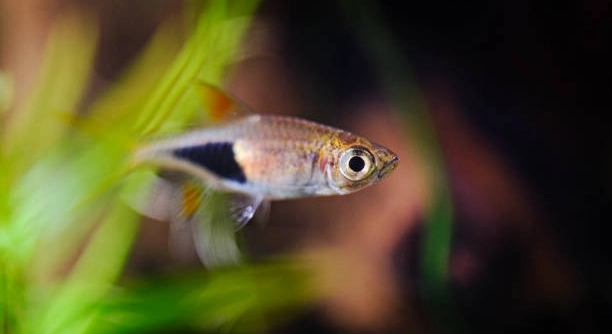
Rasboras are small, lively fish that bring energy to any aquarium. Their gentle nature makes them ideal for community tanks. Many aquarists enjoy watching them, often visiting the tank several times a day to observe their behavior.
Rasboras can adjust to frequent tank visits, provided they experience consistent care and a stable environment. Over time, they become accustomed to human presence, showing reduced stress responses and maintaining regular swimming and feeding patterns.
Frequent observation can become a pleasant routine, allowing you to notice subtle behaviors and health changes in your rasboras. Understanding their adjustment process helps create a calmer and more interactive tank environment.
Understanding Rasboras’ Natural Behavior
Rasboras are naturally shy and social fish. In their natural habitats, they live in groups, often moving in coordinated schools to feel safe. When first introduced to a tank, they may hide or swim cautiously. Over time, they observe their surroundings and begin to recognize patterns, including human presence. Frequent visits from aquarists can initially cause stress, but rasboras gradually learn that these interactions are harmless. Their behavior adapts, showing more confidence in swimming near the surface or exploring different areas of the tank. Providing hiding spots and maintaining consistent water conditions supports this adjustment. Watching rasboras acclimate can be rewarding, as small changes in behavior indicate comfort. Tank layout, lighting, and feeding routines also influence their responsiveness. Consistency and patience are key for these fish to develop trust and reduce anxiety associated with frequent observation. Adjusting gradually helps them remain healthy and active in a home aquarium setting.
Their ability to adapt relies heavily on predictable care, calm movements, and a stable environment that does not overwhelm them.
Acclimating rasboras to regular observation requires careful attention to their comfort. Sudden movements or loud noises can cause stress, leading to erratic swimming or hiding. Introducing new decorations or changing water parameters abruptly may also increase anxiety. Gradual exposure, such as approaching the tank slowly and feeding on a routine schedule, allows them to build confidence. Over weeks, rasboras begin to associate visits with positive experiences, often swimming closer to the glass or exhibiting natural schooling behavior. Observing their subtle signals, like fin positioning or color changes, can indicate whether they feel secure. Maintaining proper temperature, filtration, and water quality ensures they remain healthy and resilient. Small adjustments to tank lighting or rearranging plants should be done slowly to prevent startling them. By providing a predictable and calm environment, their natural curiosity can flourish without compromising their well-being, making tank visits a manageable and even enjoyable experience for both the fish and the aquarist.
Signs of Comfort During Frequent Visits
Rasboras show comfort through relaxed swimming, schooling behavior, and reduced hiding. They may explore the tank’s mid-levels or come closer to the glass during feeding times.
Recognizing comfort signals is important for maintaining their well-being. Fish that are acclimated respond calmly to movement outside the tank, showing steady swimming and social interaction. Stress indicators, like rapid darting or staying hidden, decrease as they adjust. Creating an environment with adequate plants, open swimming spaces, and consistent feeding schedules supports this behavioral adaptation. Additionally, limiting sudden light changes and avoiding tapping the glass can reinforce a sense of safety. Over time, you can notice subtle behaviors, such as gentle fin movements and occasional surface investigation, indicating trust. Keeping a consistent routine while observing their responses ensures they remain relaxed. Tracking these behaviors helps identify early signs of health issues or discomfort. By carefully observing and responding to these cues, rasboras can maintain a stable and low-stress environment. Understanding their comfort patterns allows aquarists to plan visits that are non-intrusive, making regular observation an enjoyable aspect of tank care. Maintaining a consistent and calm approach promotes a positive experience for the fish while supporting their natural behavior and overall health.
Adjusting Tank Environment
Frequent visits require a stable environment to reduce stress in rasboras. Consistent water temperature, gentle filtration, and secure hiding spots help them feel safe while interacting with humans.
Small changes in the tank can greatly affect their comfort. Rasboras respond to light, noise, and sudden movements. Keeping the tank in a quiet area and maintaining predictable feeding schedules allows them to acclimate to observation. Floating plants or small decorations provide places to retreat, giving them control over their exposure. By minimizing sudden environmental changes, they gradually show confidence, swimming more openly and participating in natural schooling behaviors. Consistency in water parameters like pH and temperature prevents unnecessary stress, supporting their health and adaptability.
Using dim lighting during observation times can encourage natural activity without startling them. Regular but calm interactions teach them that visits are not threatening. Avoid tapping or sudden movements, as these can provoke hiding. Introducing minor changes slowly helps rasboras adjust comfortably, reinforcing positive responses over time. Proper tank layout, enriched with plants and open swimming areas, ensures they maintain healthy behaviors even with frequent observation. Watching them gradually gain confidence can be very rewarding and supports long-term well-being.
Feeding and Interaction
Rasboras respond well to regular feeding during frequent visits. Offering consistent meal times helps them anticipate care and reduces stress.
Timed feedings create a sense of routine that encourages natural behavior. They quickly learn to associate the presence of humans with food, approaching the surface or mid-water levels calmly. Observing their response during feeding provides insights into health and activity levels. Overfeeding should be avoided, as it can disrupt water quality and cause health issues.
Interaction can be enhanced through gentle gestures like slowly moving hands near the tank or offering live or frozen foods. Repeated exposure to calm human presence reinforces trust, while sudden movements or tapping may cause them to retreat. Rotating plant cover or adding small structures gradually keeps the tank stimulating without overwhelming them. Monitoring their reaction to different stimuli helps in adjusting care routines to ensure comfort. Feeding routines, combined with a stable environment, promote a positive experience during visits and support their overall well-being.
Minimizing Stress During Observation
Rasboras are sensitive to sudden movements and loud noises. Approaching the tank slowly and calmly allows them to remain relaxed. Consistent routines help them feel secure during frequent visits.
Providing hiding spots and stable water conditions reduces stress. Observing from a distance initially lets them adjust gradually to human presence without fear.
Gradual Exposure Techniques
Introducing gradual exposure helps rasboras become comfortable with frequent visits. Start by spending a few minutes near the tank daily without touching or tapping. Over time, increase interaction by offering food while maintaining calm movements. This method allows them to associate human presence with positive experiences.
Monitoring Behavior
Regularly watching their swimming patterns and schooling behavior indicates comfort. Signs of stress, like darting or hiding, suggest adjustments are needed.
FAQ
How often can I visit the tank without stressing my rasboras?
Rasboras adjust best to calm, predictable visits. Short, consistent observation periods a few times daily are ideal. Avoid sudden approaches or loud noises, as these can startle them. Over time, they learn that human presence is harmless, reducing stress and encouraging natural swimming behavior.
Will my rasboras hide if I visit too often?
Yes, frequent visits can cause hiding if they feel threatened. Observing their behavior is important—darting, staying near decorations, or staying at the bottom are signs of stress. Providing plants and caves allows them to retreat safely, helping them adjust at their own pace.
Can feeding during visits help them acclimate?
Offering food consistently during visits helps rasboras associate humans with positive experiences. Small amounts of flakes, frozen, or live food encourage them to swim closer and reduce anxiety. Avoid overfeeding, as it can affect water quality and health, which would increase stress instead of reducing it.
Do rasboras recognize their owners?
Rasboras can become familiar with repeated, calm human presence. They may swim closer or respond to feeding routines. Recognition is gradual and based on consistent interactions. Abrupt changes in approach or tone may disrupt their comfort level, so steady, gentle behavior is essential.
Will frequent visits affect their schooling behavior?
Properly managed visits do not negatively affect schooling. Rasboras may initially separate or hide, but once accustomed, they return to coordinated swimming patterns. Maintaining a stable tank and consistent routines supports normal social behavior and helps them feel safe during observation periods.
What environmental factors help reduce stress during visits?
Stable water temperature, gentle filtration, and adequate lighting reduce anxiety. Adding floating plants or other hiding spaces allows them to control exposure. Avoid tapping the glass, sudden rearrangements, or bright lights during observation. Predictable care routines enhance their confidence and comfort.
How can I tell if my rasboras are stressed from frequent visits?
Indicators include rapid darting, clinging to corners, color fading, or refusing food. Consistently monitoring their swimming and interactions provides clues. Adjusting visit frequency, reducing disturbances, and ensuring water quality can help mitigate stress and restore natural behavior.
Can adult and young rasboras adjust differently to frequent visits?
Younger rasboras may be more skittish initially, while adults usually adapt faster if previously exposed to humans. Both benefit from gradual exposure, predictable feeding, and a calm environment. Patience and observation are key to ensuring all age groups adjust comfortably.
Is it necessary to limit tank decorations for frequent observation?
Decorations should provide hiding and exploration options. Too many obstacles can stress them, while too few remove security. Balance is important. Open swimming areas with scattered plants or small caves allow them to navigate freely while feeling protected during regular visits.
Can rasboras learn to approach me voluntarily?
Yes, with consistent, gentle interaction. Over weeks, they can swim closer during feeding times or calmly explore near the glass. Learning occurs gradually and relies on positive reinforcement through routine and calm behavior. Patience ensures the fish associate visits with safety and food rather than stress.
How does lighting affect their response to frequent visits?
Bright or sudden lighting can trigger hiding or erratic swimming. Dimmed or stable lighting encourages calm behavior. Observing at consistent times with gentle light helps rasboras predict human presence without fear, promoting comfort and natural activity.
Are there long-term benefits to frequent, calm observation?
Frequent, gentle visits allow you to monitor health, notice early signs of illness, and reinforce positive behavior. Rasboras that acclimate to observation often show steady swimming, active schooling, and regular feeding, contributing to their overall well-being and a balanced tank environment.
Final Thoughts
Rasboras are delicate yet resilient fish that can adapt well to frequent tank visits if their environment is managed carefully. Their natural instincts make them cautious at first, but over time, they can recognize human presence as non-threatening. A calm and predictable routine is essential, as sudden changes or loud disturbances can trigger stress. Providing adequate hiding spots and maintaining consistent water parameters helps them feel secure. These measures allow rasboras to display natural behaviors, such as schooling and exploring, even when the tank is regularly observed. Watching them gradually gain confidence is rewarding, as it reflects both their adaptability and the stability of their environment. Understanding their tendencies helps in creating a balance between regular interaction and their need for security, which is key for their long-term health and happiness.
Frequent observation can be a valuable tool for ensuring their well-being. It allows you to monitor their swimming patterns, feeding habits, and overall activity levels. Subtle changes in behavior can indicate stress, illness, or environmental issues, enabling early interventions before problems escalate. While rasboras may initially hide or swim nervously, consistent and gentle visits gradually reduce these behaviors. Regular feeding routines tied to visits can reinforce positive associations, encouraging them to approach the front of the tank calmly. Lighting, tank layout, and environmental enrichment also play a role in helping them feel comfortable. Small adjustments, like dimming lights during observation or adding floating plants, can significantly improve their confidence. Maintaining a stable environment while observing them ensures they remain healthy, active, and stress-free over time.
Ultimately, patience and consistency are the most important factors when introducing rasboras to frequent visits. They respond positively to steady care and gentle interactions, gradually learning to navigate their space with ease. Abrupt movements, loud noises, or sudden changes in the tank should be avoided, as these can quickly undo progress. Over weeks and months, their reactions shift from cautious hiding to confident swimming and interaction. Observing their adjustment provides insight into their needs and preferences, helping refine routines for feeding, lighting, and tank maintenance. By focusing on stability, positive reinforcement, and gradual exposure, rasboras can thrive even with frequent human presence. This approach not only ensures their health but also strengthens the connection between the aquarist and the fish, creating a harmonious and balanced environment that benefits everyone in the tank.

Hello,
If you enjoy the content that we create, please consider saying a "Thank You!" by leaving a tip.
Every little bit helps us continue crafting quality advice that supports the health, happiness, and well-being of pets around the world, for pets of all shapes, sizes, and species.
We really appreciate the kindness and support that you show us!