
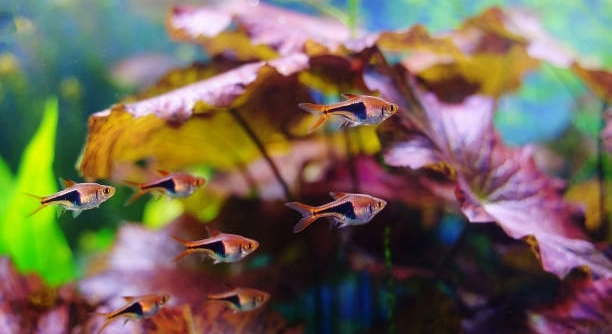
Rasboras are small, lively fish that bring energy to any aquarium. Their natural curiosity and constant movement make them a favorite among fish enthusiasts who enjoy a vibrant tank environment every day.
Maintaining active rasboras requires consistent water quality, balanced nutrition, proper tank size, and stimulating surroundings. Regular monitoring of temperature, pH, and diet ensures optimal health, while creating spaces for exploration and schooling supports their natural behaviors and overall vitality.
Proper care and attention can extend their active life, keeping your aquarium bright and lively for months to come.
Consistent Water Quality
Keeping the water clean is essential for rasboras to stay active. I make it a habit to change about 20% of the tank water every week. Removing debris and leftover food prevents harmful bacteria from growing. Using a reliable water filter also helps maintain clarity and stability. Testing the water regularly for ammonia, nitrites, and nitrates ensures the levels remain safe for the fish. Rasboras are sensitive to sudden changes, so avoiding drastic fluctuations in temperature or pH is important. I have noticed that when water conditions are stable, the fish swim more energetically and school together naturally. Small adjustments, like gently rinsing filter media without soap, help preserve beneficial bacteria. Over time, maintaining consistent water quality not only reduces stress for the rasboras but also prevents common illnesses. Clear, stable water encourages them to explore every corner of the tank and interact actively with each other.
Clean water promotes healthy and lively behavior in rasboras, keeping their movements sharp and consistent daily.
A well-maintained aquarium supports long-term health. Clean water reduces the risk of infections and promotes strong immune systems. Rasboras thrive in stable environments with minimal stress. Providing consistent water quality helps prevent lethargy and encourages natural schooling behaviors. Observing the fish in clear, balanced water reveals their vibrant colors and playful movements. Regular maintenance, combined with careful monitoring, ensures that the rasboras remain energetic. A tank with stable conditions allows them to feed well and explore confidently. Even minor water imbalances can slow their activity, so routine checks are key. Over time, a stable aquatic environment creates a rhythm for the fish, supporting both physical and mental well-being. Their overall happiness and longevity are closely linked to the water quality maintained in their habitat.
Balanced Diet
A proper diet keeps rasboras active and healthy. Feeding them small portions two or three times daily prevents overfeeding and maintains energy levels.
Providing a mix of high-quality flakes, pellets, and occasional live or frozen food ensures they get essential nutrients for growth and vitality. Variety supports their natural hunting behavior, keeping them engaged and alert. Overfeeding can lead to poor water quality and sluggish movements, so portion control is important. I like to rotate their diet weekly, offering different textures and flavors. Even small treats like daphnia or brine shrimp can spark activity and curiosity. Proper nutrition strengthens their immune system and promotes vibrant coloration, making them look lively and healthy. Watching them swim energetically after a meal is always satisfying.
Feeding rasboras a balanced diet is crucial for sustained activity and overall well-being. Proper nutrition supports their energy, growth, and vibrant coloration.
A well-planned diet directly influences behavior and health. High-quality flakes or pellets provide essential vitamins and minerals, while live or frozen foods supply protein for growth and energy. Feeding in measured amounts prevents waste and keeps the water clean. Including occasional live foods stimulates natural instincts and adds variety to their meals, preventing boredom. Balanced nutrition strengthens immune systems and enhances swimming performance, allowing rasboras to school actively and explore their tank environment. Consistency in feeding schedules supports regular activity patterns. Adjusting portions based on tank size and fish count ensures every rasbora receives enough food without overloading the system. Proper nutrition, combined with clean water and suitable tank conditions, forms the foundation for keeping these fish lively. Observing their playful interactions and vibrant colors is a clear sign that their diet and care routines are effective.
Proper Tank Size
Rasboras need enough space to swim freely. Crowded tanks reduce activity and increase stress, making them less energetic.
A tank that is too small limits movement and can cause behavioral issues. I use a tank that gives each fish at least one gallon of water. Larger tanks allow schooling, which keeps rasboras active and coordinated. Hiding spots like plants or small decorations make them feel safe while encouraging exploration. Open swimming areas combined with secure spaces create a balanced environment that supports natural behaviors. Proper tank size also helps maintain water quality, reducing stress and promoting long-term health.
Ensuring ample swimming space helps rasboras exhibit lively, natural behaviors. A spacious tank allows for exploration, schooling, and consistent energy throughout the day.
Providing sufficient room for rasboras is essential for their well-being. When the tank is appropriately sized, water circulation improves, making filtration more efficient. I’ve observed that rasboras in larger tanks swim confidently, interact more, and display brighter colors. Overcrowding can lead to competition for food and stress-related illness. Including both open swimming areas and safe hiding spots supports mental stimulation and prevents fatigue. Even moderate decorations should not block movement, as too many obstacles can restrict activity. A properly sized tank combined with environmental enrichment fosters consistent energy and enhances the overall health of the fish, keeping them active and vibrant.
Stimulating Environment
Rasboras stay active when their tank mimics natural conditions. Plants, rocks, and gentle currents create variety and movement.
I like adding live or artificial plants to the tank. They provide shelter, break up swimming paths, and give the fish places to explore. Small decorations or rocks create hiding spots that reduce stress while encouraging curiosity. Gentle water flow simulates their natural habitat, prompting natural swimming patterns. Changing the arrangement occasionally keeps their environment engaging and prevents monotony.
A dynamic tank environment improves mental and physical stimulation. Adding plants, decorations, and controlled currents encourages exploration, schooling, and interaction, which maintain activity levels.
Creating an enriching environment helps rasboras feel secure while staying energetic. A variety of plants and structures allows them to swim through different paths and interact naturally. Gentle currents mimic rivers or streams, promoting movement and supporting their instinctual behaviors. I rotate some decorations periodically to provide new visual and spatial experiences. Hiding spots reduce stress, letting the fish rest when needed and return to activity with confidence. This setup enhances social interactions and supports overall vitality. Observing their curiosity and playful schooling behavior shows that environmental stimulation directly impacts energy levels. A thoughtfully arranged tank ensures that rasboras remain active and engaged daily.
Regular Temperature Checks
Rasboras are sensitive to sudden temperature changes. Keeping the water stable between 74°F and 80°F supports their activity and overall health.
Using a reliable heater and thermometer ensures the tank stays within this range. I check the temperature daily, especially during seasonal changes, to prevent stress and lethargy.
Adequate Lighting
Proper lighting encourages natural behavior and activity. I keep the tank light on for about 10 to 12 hours daily.
Lighting enhances color and helps regulate day-night cycles. Too much light can stress rasboras, while too little reduces movement and feeding activity. Balanced lighting keeps the fish energetic and engaged throughout the day.
Grouping and Social Interaction
Rasboras are schooling fish and thrive in groups. I keep at least six together to encourage active swimming and coordinated movements.
Schooling provides safety and mental stimulation. When in groups, rasboras display natural behaviors, swim confidently, and interact consistently, which promotes longer-lasting activity and reduces stress.
Gentle Feeding Routine
Feeding at consistent times helps rasboras stay energetic. I provide small amounts twice daily to prevent overeating and maintain water quality.
FAQ
How often should I change the water for my rasboras?
I change about 20% of the tank water every week. This routine helps remove waste and leftover food while keeping ammonia and nitrite levels low. Regular partial water changes maintain stability without shocking the fish, which keeps them active and healthy.
What is the ideal tank size for rasboras?
A minimum of 10 gallons works for small groups, but I prefer larger tanks. More space allows them to school freely, explore decorations, and maintain energy levels. Crowded conditions can stress the fish, reducing activity and increasing the risk of illness.
Can rasboras live alone?
Rasboras are schooling fish and feel safer in groups. I always keep at least six together. Alone, they become shy, hide more, and may swim less. Groups encourage natural schooling, playfulness, and consistent movement.
What should I feed my rasboras?
I provide a mix of high-quality flakes, pellets, and occasional frozen or live foods. Variety keeps their diet balanced and stimulates natural hunting behavior. Feeding small amounts two to three times daily prevents overfeeding, maintains water quality, and keeps them energetic.
How important is water temperature?
Water stability is critical. I maintain the temperature between 74°F and 80°F. Sudden changes can stress rasboras, slow their movements, and affect feeding. A reliable heater and thermometer ensure consistent temperature, supporting long-term activity and overall health.
Do rasboras need decorations in their tank?
Yes, they benefit from plants, rocks, and hiding spots. I add both live and artificial plants to break up swimming areas and provide shelter. Decorations reduce stress, encourage exploration, and promote playful interactions, keeping their energy levels high.
How much lighting do rasboras need?
I keep the tank lit 10 to 12 hours daily. Proper lighting highlights their colors, supports normal day-night cycles, and encourages movement. Too much light can stress them, while too little reduces swimming activity and feeding interest. Balanced lighting is key for their vitality.
Can rasboras live with other fish?
Yes, they do well with peaceful species. I avoid aggressive or large fish that might bully them. Compatible tank mates reduce stress and allow rasboras to swim freely, school naturally, and stay energetic throughout the day.
How can I tell if my rasboras are healthy?
Active swimming, vibrant colors, and regular feeding indicate health. I watch for signs like lethargy, clamped fins, or loss of appetite. Early observation and water checks help prevent illness and ensure they remain lively.
Is water pH important for rasboras?
Yes, I maintain a slightly acidic to neutral pH, around 6.5 to 7.5. Stable pH reduces stress, supports metabolism, and keeps the fish swimming actively. Sudden shifts can weaken immunity and decrease overall activity.
How often should I rearrange the tank?
I occasionally move decorations or plants to create new spaces for exploration. Small changes prevent boredom, encourage curiosity, and promote natural behaviors, keeping rasboras more engaged and active.
What is the best way to introduce new rasboras to the tank?
I quarantine new fish first to prevent disease and slowly acclimate them to temperature and water chemistry. Gradual introduction reduces stress, allows them to integrate with the group, and encourages consistent activity and schooling.
How do I prevent my rasboras from getting stressed?
Stable water, proper tank size, consistent feeding, and a safe environment reduce stress. I observe their behavior daily and adjust conditions as needed. Less stress means more active swimming and longer-lasting health.
Can I use artificial plants instead of live ones?
Yes, artificial plants work well. I combine them with live plants when possible. They provide shelter, reduce stress, and encourage exploration, keeping rasboras active while requiring less maintenance than live plants.
Do rasboras need a filter?
Absolutely. A gentle filter maintains water quality, removes waste, and keeps oxygen levels consistent. I use a filter suitable for the tank size to prevent strong currents, which could tire the fish or disturb their schooling behavior.
How long do rasboras usually live?
With proper care, rasboras can live 5 to 7 years. Maintaining water quality, a balanced diet, proper tank size, and environmental enrichment supports longevity, keeps them active, and ensures a lively aquarium for years.
Should I worry about overfeeding?
Yes, overfeeding reduces water quality and can cause lethargy. I provide small portions and remove uneaten food promptly. Controlled feeding keeps the tank clean and the rasboras energetic.
Is it okay to keep different rasbora species together?
Generally, yes, as long as they have similar care needs. I combine species with compatible water preferences and temperaments. Mixed groups encourage schooling, natural interactions, and sustained activity without stress.
How do I know if the tank is too crowded?
I watch their behavior. If rasboras start hiding, fighting, or swimming less, the tank may be overcrowded. Providing at least one gallon per fish prevents stress, promotes schooling, and maintains daily activity.
What is the easiest way to maintain water clarity?
Regular partial water changes, proper filtration, and avoiding overfeeding are key. I also remove debris and clean decorations occasionally. Clear water keeps rasboras healthy, encourages movement, and allows me to observe their natural behavior clearly.
Rasboras are small, lively fish that bring a lot of energy to an aquarium. Keeping them active requires attention to their basic needs. Clean water, a balanced diet, proper tank size, and environmental enrichment all play important roles. When these elements are in place, rasboras display their natural behaviors, swim confidently, and school together harmoniously. Observing them move through plants, hide among decorations, and interact with other fish can be rewarding. Their activity levels often reflect the quality of care they receive, making it easier to notice when something in their environment needs attention. Small adjustments, like monitoring temperature or rearranging plants, can make a big difference in their overall health and energy.
Regular maintenance is key to a thriving rasbora tank. Changing a portion of the water weekly and keeping the filter clean ensures stable water conditions. Testing for ammonia, nitrites, nitrates, and pH prevents problems before they become serious. A stable water environment reduces stress and supports long-term activity. Feeding small, consistent portions of a varied diet ensures they get the nutrients they need without polluting the water. I rotate foods like flakes, pellets, and occasional frozen or live options to provide both nutrition and mental stimulation. Balanced nutrition strengthens immune systems, improves coloration, and encourages energetic swimming. It’s clear that a combination of careful feeding, clean water, and proper tank conditions contributes directly to the vitality of rasboras.
Providing a stimulating environment makes a big difference in keeping rasboras active. Adding plants, rocks, and hiding spots encourages exploration and creates a sense of safety. Gentle water currents simulate their natural habitats and support normal swimming patterns. Keeping them in groups allows for schooling behavior, which not only reduces stress but also promotes movement and social interaction. Lighting for about ten to twelve hours a day helps regulate their day-night cycle and enhances their colors, contributing to their overall well-being. Paying attention to these details ensures that rasboras remain lively and healthy over time. Ultimately, consistent care, observation, and thoughtful adjustments to their environment are what help these small fish stay active and vibrant, creating a tank that is both visually appealing and full of life.

Hello,
If you enjoy the content that we create, please consider saying a "Thank You!" by leaving a tip.
Every little bit helps us continue crafting quality advice that supports the health, happiness, and well-being of pets around the world, for pets of all shapes, sizes, and species.
We really appreciate the kindness and support that you show us!