
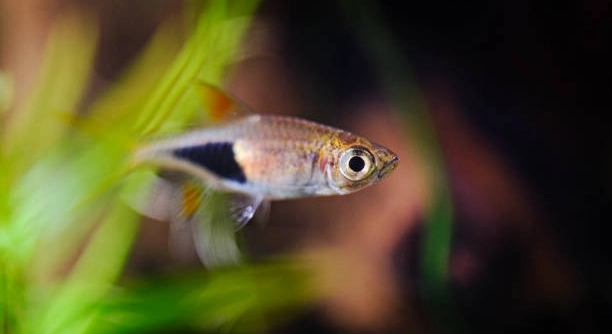
Are your rasboras swimming lazily in the tank without much color? Many hobbyists struggle to find the right lighting that brings out their natural vibrancy and keeps them active throughout the day. Small adjustments can make a big difference.
Rasboras generally prefer moderate to low-intensity lighting with warmer tones. Soft white, daylight-balanced, and subtle blue lights tend to enhance their coloration, reduce stress, and encourage natural swimming behavior, making the aquarium environment more suitable and comfortable for these fish.
Finding the right lighting is simpler than it seems and can dramatically improve both the appearance and well-being of your rasboras. Choosing suitable colors will help them thrive in your aquarium.
Soft White Light for Calm Swimming
Soft white lighting creates a gentle environment for rasboras, reducing sudden stress and promoting calmer swimming patterns. This light mimics natural daylight without being too harsh or bright. Many aquariums use soft white bulbs because they allow the fish to show their colors naturally while avoiding over-stimulation. Placing the light evenly across the tank ensures all areas are illuminated, preventing shadows that can make fish feel unsafe. The warm tone of soft white light also enhances the red, orange, and gold hues in rasboras, making them appear more vibrant. Additionally, plants in the tank benefit from this lighting, encouraging growth and improving water quality. Observing rasboras under soft white light can reveal subtle behavioral changes, like increased schooling or exploratory movements, which indicate comfort and reduced stress. Adjusting the duration of the light to mimic natural day and night cycles further helps maintain their health. Overall, soft white light balances visibility, aesthetics, and comfort.
Soft white light is effective in keeping rasboras active and visually striking. Its gentle tone benefits both fish and plants.
Using soft white light can transform a simple aquarium into a peaceful habitat. Fish swim more naturally, plants thrive, and the tank looks balanced and inviting. Consistent lighting schedules reinforce the fish’s internal rhythms, promoting health and longevity. Choosing the correct wattage and positioning the bulbs to avoid glare ensures that colors remain vivid without startling the rasboras. For tanks with taller plants or décor, soft white light penetrates evenly, preventing dark zones where fish might hide excessively. Observing the subtle glow on the water surface can also enhance the calming effect of the tank for anyone watching. This lighting type is versatile enough for mixed-species tanks and supports the aesthetic of natural-looking environments. It encourages natural behavior such as schooling, feeding, and exploring, which contributes to their overall well-being. The warm tones also provide an inviting view, making the aquarium an attractive centerpiece in any room. Properly installed soft white lighting is a straightforward upgrade that improves both fish health and tank appeal.
Blue Accent Lighting for Color Enhancement
Blue accent lighting highlights rasboras’ natural coloration. It brings out iridescent scales and adds depth to the tank’s appearance.
Blue lighting emphasizes subtle hues and helps create a visually dynamic environment.
Using blue accent lighting can dramatically enhance the reflective scales of rasboras, giving them a brighter and more vibrant look. Unlike harsh white lights, blue tones are less stressful for the fish and can simulate the gentle shimmer of open water. This effect is especially noticeable in darker tanks or aquariums with dense vegetation, where the contrast between light and shadow becomes more prominent. The blue hue also enhances the visibility of red and orange markings, making schooling behavior more striking. Many aquarists pair blue accent lights with soft white lighting to balance color enhancement with natural ambiance. Timing the blue light during evening or specific display periods can mimic natural twilight, providing an enriched environment that feels safe and engaging for the fish. It also encourages subtle activity patterns, as rasboras respond to the soft illumination without the fear induced by bright lighting. Over time, this lighting arrangement supports both aesthetic appeal and behavioral comfort, creating an aquarium that is visually pleasing and suitable for the long-term health of the fish.
Daylight Balanced Lighting
Daylight balanced lighting provides a natural look that closely mimics the sun’s rays. Rasboras appear more vibrant, and plants receive adequate illumination for growth. This lighting supports healthy behavior and makes the tank visually appealing without causing stress.
Using daylight balanced bulbs helps maintain consistent color tones in the aquarium. It evenly illuminates the tank, allowing rasboras to show their full range of colors, from subtle silvers to brighter reds and oranges. The light is neither too harsh nor too dim, creating a stable environment that supports normal swimming and feeding patterns. Plants respond well, growing steadily and contributing to a natural tank atmosphere. Maintaining this lighting for 8–10 hours a day supports circadian rhythms in the fish, encouraging calm activity during light periods and restful behavior when the light is off. Positioning the bulbs to avoid glare also prevents fish from hiding excessively.
The balance provided by this lighting type encourages exploration while keeping rasboras comfortable. Subtle shadows created by daylight balanced light offer hiding spots without making the tank feel dark. Fish interact more naturally with each other, displaying schooling behavior that looks lively and coordinated. The color rendering ensures that both the fish and plants maintain visual appeal, enhancing the overall aesthetic of the tank. By combining consistent timing with this light spectrum, the aquarium feels closer to a natural habitat, supporting both the physical health and stress reduction of the rasboras.
Low-Intensity Lighting
Low-intensity lighting reduces stress and keeps rasboras feeling secure. It’s gentle on their eyes and prevents overstimulation, promoting steady movement throughout the tank.
Soft, low-intensity lights help rasboras remain active without causing anxiety. Fish often dart or hide under bright lights, but dimmer lighting encourages natural behavior.
When using low-intensity lighting, the tank feels calmer, and rasboras explore more freely. The subdued brightness minimizes reflections and harsh shadows, which can otherwise startle the fish. It also allows plants to grow at a slower, steadier pace, maintaining a balanced ecosystem. This type of lighting is particularly effective in tanks with shy or small species, as it reduces competition for light and creates safer zones for hiding. By adjusting the height and angle of low-intensity bulbs, aquarists can highlight key areas of the tank, such as planted sections or decorative elements, without overwhelming the fish. Consistent use over time fosters a predictable environment that reduces stress and promotes healthier interactions, feeding habits, and natural swimming patterns.
Warm White Lighting
Warm white lighting creates a cozy atmosphere in the tank. Rasboras tend to appear more relaxed, and their colors are enhanced subtly without harsh glare.
This lighting works well with plants and decorations, providing a natural feel. Fish remain active and display normal schooling patterns, making the aquarium visually pleasing and comfortable.
Combination of Soft White and Blue Lights
Combining soft white and blue lights balances calmness with color enhancement. The white light maintains a natural look, while blue tones bring out iridescent scales, creating a vibrant yet stress-free environment for rasboras.
Adjustable LED Lighting
Adjustable LED lighting allows precise control of brightness and color temperature. This flexibility supports different moods and tank conditions while keeping rasboras comfortable.
FAQ
What type of light is best for rasboras?
Rasboras thrive under moderate lighting that is not too harsh. Soft white, warm white, or daylight balanced lights are ideal because they enhance natural colors without stressing the fish. Blue accent lights can be added to highlight iridescent scales. Avoid very bright or intense lighting, which may cause hiding or erratic swimming.
How many hours should the lights be on each day?
Keeping lights on for 8 to 10 hours daily works best. This mimics a natural day-night cycle, supporting healthy circadian rhythms in the fish. Too long or inconsistent lighting can stress rasboras, affect feeding patterns, and reduce overall activity. Timers are helpful to maintain a consistent schedule.
Can too much light harm rasboras?
Yes, overly bright or prolonged lighting can stress rasboras. Stress can lead to hiding, loss of color, or weakened immune response. Using low to moderate-intensity lighting and adding shaded areas or plants provides relief and a comfortable environment. Gradual light changes are better than sudden intense illumination.
Should I use colored lights in the tank?
Colored lights, such as blue or red accent lighting, can enhance rasbora coloration and tank aesthetics. Blue light is particularly effective at highlighting iridescent scales without causing stress. However, it should be used in moderation and combined with natural or soft white light to maintain a balanced environment.
Is it necessary to adjust lighting for planted tanks?
Yes, plants require adequate light to grow, so balancing fish needs with plant needs is important. Daylight balanced or soft white lights work well for both. Make sure light intensity does not stress the fish while providing enough for plant photosynthesis. Plants also create shaded areas, which help rasboras feel secure.
Can rasboras adapt to different lighting conditions?
Rasboras are adaptable but prefer gradual changes in lighting. Sudden switches from dim to bright light can startle them and cause stress. Slowly adjusting intensity or color over a few days helps them acclimate while maintaining their activity levels and coloration.
Does lighting affect rasbora behavior?
Yes, lighting directly impacts behavior. Proper lighting encourages natural schooling, exploration, and feeding patterns. Dim or low-intensity lighting reduces stress and promotes calmer movement, while harsh or fluctuating light can cause hiding, erratic swimming, or aggression among tank mates.
Are LEDs better than fluorescent lights for rasboras?
LEDs are generally preferred because they are energy-efficient, adjustable, and produce less heat. They can simulate different light temperatures and intensities, allowing precise control for both fish and plants. Fluorescent lights also work, but LEDs provide more flexibility in achieving the ideal environment for rasboras.
How do I know if the lighting is too intense?
Signs of intense lighting include fish hiding, swimming frantically, or staying near shaded areas. Plants may bleach under very strong light, and colors may appear washed out. Observing daily behavior helps determine if adjustments are needed to reduce intensity or create shaded zones.
Can lighting influence breeding behavior?
Yes, proper lighting supports breeding. Moderate, consistent light helps maintain natural activity and stress-free conditions, which are essential for spawning. Too bright or fluctuating lighting can prevent breeding or disrupt egg-laying behavior. Pairing soft white or daylight balanced light with low-intensity periods encourages natural reproductive cycles.
How should I position lights in the tank?
Lights should be evenly distributed to avoid overly bright spots and harsh shadows. Positioning above the tank and slightly offset prevents glare, creating a more natural environment. Plants or decorations can be used to create shaded areas, giving rasboras space to hide if needed, while maintaining visual clarity in the tank.
Is it necessary to turn lights off at night?
Yes, turning off lights at night is essential. Rasboras need a period of darkness to rest and maintain natural rhythms. Continuous lighting can lead to stress, reduced immune function, and abnormal behavior. Using a timer ensures consistent day-night cycles without requiring manual adjustment.
Can multiple light types be used together?
Combining lights, such as soft white with blue accent LEDs, works well to enhance colors while keeping the environment calm. The key is moderation—avoid overly bright combinations, and ensure transitions are gradual. This setup supports both the aesthetic appeal of the tank and the comfort of the fish.
How often should lighting be replaced or maintained?
Lighting should be checked regularly to ensure bulbs or LEDs are functioning correctly. Replace old bulbs that dim or shift color temperature. Cleaning covers and fixtures also improves light distribution. Proper maintenance guarantees consistent lighting that supports rasbora health and tank appearance.
Does tank size affect lighting choices?
Yes, larger tanks may require higher-intensity or multiple lights to reach all areas evenly. Small tanks need less power, and overly strong light can stress the fish. Positioning and intensity should be tailored to the size, depth, and layout of the aquarium for optimal results.
Can lighting affect algae growth?
Yes, excessive or poorly timed lighting can encourage algae growth. Balanced light duration and intensity help prevent algae overgrowth while still providing enough illumination for fish and plants. Including shaded areas and live plants can also reduce algae by competing for nutrients and light.
Do different rasbora species have different lighting preferences?
Most rasboras prefer moderate, calm lighting, but slight variations exist. Some species may display brighter colors under specific tones like blue or soft white. Observing behavior and coloration under different setups can help determine the best lighting for each species without causing stress.
What’s the simplest way to improve lighting for rasboras?
Start with soft white or daylight balanced LEDs, maintain 8–10 hours per day, and provide shaded areas with plants or décor. Gradual changes in intensity and combining subtle accent colors can enhance coloration while keeping fish comfortable. This approach balances visual appeal and the fish’s well-being.
How can I tell if my rasboras are happy with the lighting?
Happy rasboras swim actively, display natural colors, school together, and explore the tank without hiding excessively. They feed regularly and interact calmly with other fish. Monitoring behavior over time ensures the lighting supports a healthy, stress-free environment.
Are there any budget-friendly lighting options that work well?
Basic LED strips or affordable soft white bulbs can provide suitable lighting without high costs. Even inexpensive lights can be effective if intensity and duration are controlled. Combining simple lights with plants for shaded areas creates a comfortable and visually appealing tank.
Can lighting changes help improve dull coloration?
Yes, adjusting lighting can enhance natural colors. Using soft white or blue accent lights can make reds and iridescent tones more visible. Gradual adjustments ensure the fish remain stress-free while their colors become more vibrant and pronounced over time.
Is it better to have lights on during feeding time?
Yes, lighting during feeding encourages active behavior and visibility. Fish are more likely to explore and eat when the environment feels natural. Avoid sudden or overly bright light at feeding time, as this can startle the fish. Gradual illumination works best.
How does seasonal lighting variation affect rasboras?
Mimicking seasonal changes by slightly adjusting light intensity or duration can benefit rasboras. Gradual changes simulate natural conditions, supporting healthy behavior, feeding, and breeding patterns. Abrupt changes, however, can cause stress and disrupt normal activity.
Are timers necessary for proper lighting?
Timers are highly recommended to maintain consistent day-night cycles. They prevent accidental over- or under-lighting and ensure the fish follow a predictable rhythm, which reduces stress and supports long-term health. Timers simplify maintenance and keep the tank environment stable.
Can I combine natural sunlight with artificial lighting?
Natural sunlight can be used cautiously, but direct sunlight may overheat the tank or promote algae growth. Combining indirect sunlight with controlled artificial lighting provides a balanced, safe environment for rasboras while enhancing their colors naturally.
Do nocturnal or dim lights benefit rasboras at night?
Dim night lighting is optional but can help monitor fish without disturbing their rest. Red or low-intensity LEDs allow observation while maintaining a restful environment, avoiding disruption of natural sleep cycles.
How important is light placement for small vs. large tanks?
Placement is crucial. Small tanks require even distribution to avoid glare, while large tanks may need multiple lights to ensure coverage. Proper placement prevents stress, ensures color visibility, and supports plant growth. Adjust intensity based on tank depth and layout.
Can incorrect lighting affect overall tank health?
Yes, inappropriate lighting can stress fish, inhibit plant growth, encourage algae, and disrupt feeding patterns. Properly balanced lighting is essential for the health, behavior, and aesthetic appeal of both rasboras and the entire aquarium ecosystem.
What are the easiest changes to improve lighting effects?
Switching to soft white or daylight balanced LEDs, using accent blue lights sparingly, and adjusting duration are simple ways to improve lighting. Adding plants or décor for shaded areas enhances comfort and promotes natural behavior. These adjustments are effective without complex setups.
How do I know if the light spectrum is suitable?
A suitable spectrum enhances fish coloration, maintains plant growth, and reduces stress. Soft white, warm white, or daylight balanced lights are generally safe. Observing fish behavior, colors, and plant health over time indicates whether the spectrum meets tank needs.
Can lighting influence water temperature?
Yes, intense or poorly ventilated lights can raise water temperature. LEDs produce less heat than fluorescent or halogen bulbs, helping maintain stable conditions. Monitoring temperature ensures that lighting does not negatively impact fish or plants.
What’s the long-term benefit of proper lighting?
Consistent, suitable lighting supports natural behavior, vibrant colors, plant growth, and reduced stress. It creates a stable environment that promotes long-term health, breeding potential, and a visually appealing tank for both rasboras and aquatic plants.
Finding the right lighting for rasboras can make a significant difference in their behavior, appearance, and overall health. Proper lighting encourages natural swimming patterns, enhances their colors, and reduces stress. Rasboras are small, active fish that respond strongly to the environment around them, so even subtle changes in light intensity or color can affect their comfort. Using soft white, daylight balanced, or warm white lighting generally provides a stable and calm environment, while blue accent lighting can bring out the iridescent tones in their scales. Low-intensity lighting is particularly helpful for shy or smaller species, as it creates shaded areas that make the fish feel secure. Choosing lighting that complements the plants and décor in the tank further improves the aquarium’s aesthetics while supporting a natural, healthy habitat. Observing how the fish behave under different lighting conditions can provide insight into what works best, allowing you to make small adjustments that have a big impact on their well-being.
Consistency is also key when it comes to lighting. Rasboras benefit from a predictable day-night cycle that mimics natural conditions. Lights should generally be on for 8 to 10 hours a day, with periods of darkness to allow the fish to rest. Using a timer is an effective way to maintain a consistent schedule, preventing overexposure or sudden light changes that could cause stress. Gradual adjustments to lighting, whether in intensity, spectrum, or duration, help the fish acclimate without disrupting their natural behavior. Proper positioning of the light ensures that the tank is evenly illuminated, preventing overly bright spots or harsh shadows that could make rasboras hide excessively. Plants in the aquarium also benefit from well-planned lighting, which supports growth, improves water quality, and provides additional shaded areas for the fish. Balancing the needs of both fish and plants is essential for creating a healthy, visually appealing environment.
Finally, maintaining appropriate lighting is not only about aesthetics but also about long-term health. Healthy lighting promotes vibrant colors, encourages natural schooling and feeding patterns, and supports breeding behavior in some species. Poor or inconsistent lighting can lead to stress, reduced activity, and even health issues over time. Monitoring fish behavior, color, and overall activity is the best way to determine if the lighting setup is effective. Simple adjustments, like adding shaded areas, combining light types, or changing intensity gradually, can improve comfort and help the fish thrive. Ultimately, choosing the right lighting is about creating an environment where rasboras can feel safe, display their natural beauty, and live a healthy, balanced life. Thoughtful lighting decisions enhance both the visual appeal of the aquarium and the quality of life for its inhabitants.

Hello,
If you enjoy the content that we create, please consider saying a "Thank You!" by leaving a tip.
Every little bit helps us continue crafting quality advice that supports the health, happiness, and well-being of pets around the world, for pets of all shapes, sizes, and species.
We really appreciate the kindness and support that you show us!