
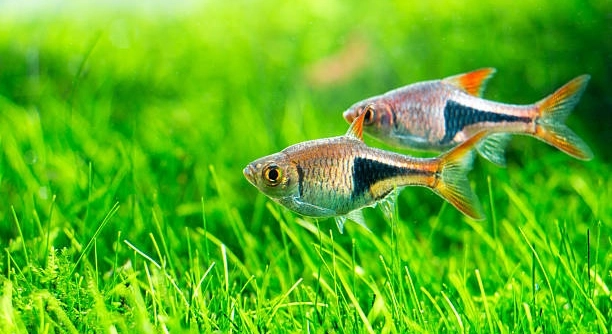
Are your rasboras showing unusual behavior in the tank lately? Keeping an eye on their movements and appearance is essential for maintaining a healthy aquarium. Subtle changes can indicate that something is off with their well-being.
Early signs of illness in rasboras include loss of appetite, lethargy, faded coloration, frayed fins, and unusual swimming patterns. Monitoring water quality and tank conditions is critical, as environmental stress often contributes to the onset of disease.
Recognizing these warning signs early allows you to take timely action and maintain a thriving, healthy environment for your fish. Proper care can prevent minor issues from becoming serious problems.
Common Signs of Illness in Rasboras
When observing your rasboras, some signs clearly indicate health issues. Look for changes in their behavior such as swimming erratically, hiding more than usual, or staying near the surface. Physical changes are also important, including faded colors, torn fins, clamped fins, or visible spots on their bodies. Loss of appetite is another warning signal. Sometimes fish may refuse food completely, even if they are normally active during feeding time. Respiratory changes, like rapid gill movement or gasping at the water surface, often indicate stress or poor water quality. Tank conditions like temperature fluctuations, high ammonia levels, or overcrowding can worsen these symptoms. Identifying these signs early allows you to act quickly. Paying close attention to their daily routines and visual appearance is the most effective way to notice illness before it escalates into something more severe.
Noticing these signs early can save your fish from serious health problems. Observation is key.
Regular checks and consistent tank maintenance significantly reduce the risk of disease. Proper filtration, stable temperature, and balanced feeding help rasboras remain healthy. Being proactive in cleaning the tank and monitoring water parameters prevents common health issues. By observing their interactions and appearance daily, you can catch minor problems before they become severe. Even small changes, like slight color fading or unusual hiding, can indicate the need for adjustments in care. Consistency in tank conditions and attention to fish behavior are the most effective ways to maintain a thriving aquarium. Establishing a routine for checking water chemistry, removing uneaten food, and inspecting plants ensures the environment supports their well-being. Overall, combining careful observation with proper care practices helps rasboras live longer, healthier lives while minimizing stress and illness.
Causes of Illness in Rasboras
Poor water quality is a leading factor in rasbora illness. Regular water testing and partial water changes prevent dangerous chemical buildup.
Stress and improper diet often weaken their immune system, making them more susceptible to disease. Overcrowding or sudden environmental changes can trigger illness. Uneaten food left in the tank can decay, raising ammonia levels and introducing bacteria. Temperature swings can cause shock, reducing their ability to fight off infections. Even minor infections can quickly spread if the tank is not properly maintained. Balancing diet with high-quality flakes or live food supports overall health, while consistent water parameters stabilize their environment. Monitoring behavior closely helps identify stress before it escalates into disease, and separating affected fish promptly prevents further spread. Awareness of these factors allows for better preventive care and ensures rasboras remain vibrant and active in the tank.
Early Warning Behaviors
Rasboras that swim erratically, stay near the surface, or hide constantly may be signaling stress or illness. Changes in appetite or refusal to eat are also important indicators to watch closely.
Observing subtle behavioral changes can help prevent serious health issues. Fish that once swam actively may start lingering in corners or dart suddenly without reason. Some may lose interest in food entirely, while others may breathe faster or show slight trembling. These behaviors often indicate underlying problems such as poor water quality, parasitic infections, or stress from tank conditions. By noticing these patterns early, it becomes easier to take corrective action and prevent the condition from worsening, preserving the overall health of your rasboras.
Behavioral monitoring works best when combined with routine tank checks. Watching interactions between fish can reveal dominance stress or illness spreading. Consistent observation allows timely adjustments in feeding, water changes, and tank conditions. Even small daily differences, like a fish ignoring food or isolating itself, signal the need for attention. Maintaining stable water temperature, avoiding overcrowding, and ensuring proper filtration all support their immune system. Paying attention to these details ensures that rasboras remain active, vibrant, and less prone to sudden illness.
Physical Signs to Monitor
Faded colors, frayed fins, and white spots are clear physical signs of sickness in rasboras. Observing their bodies daily helps catch issues early before they worsen.
Physical symptoms are often the first visible indicators of health problems. Rasboras with dull or pale coloring may be stressed, malnourished, or infected. Torn or clamped fins can result from fin rot or aggressive tank mates. White or cloudy patches on the body and fins may indicate fungal or parasitic infections. Swollen bellies, sunken eyes, or unusual growths are also warning signs. By regularly examining your fish and noting any changes, you can address health issues promptly. Quick response to these signs prevents the progression of disease and helps maintain a healthy aquarium environment.
Daily observation combined with proper care is essential. Maintaining clean water, stable temperature, and balanced feeding routines reduces the likelihood of these physical symptoms. Early detection allows for timely treatment and isolation if needed, preventing the spread of disease to other tank inhabitants. Consistency in monitoring body condition and fin integrity ensures that any minor issues are addressed quickly. Paying attention to these details helps your rasboras stay healthy, active, and visually vibrant. Regular inspections foster a safer, more stable environment and encourage long-term well-being.
Water Quality Concerns
High ammonia or nitrite levels in the tank can quickly harm rasboras. Regular testing ensures a safe environment and prevents illness.
Temperature fluctuations and low oxygen levels also stress fish. Maintaining stable conditions keeps rasboras active and reduces vulnerability to disease.
Common Tank Stressors
Overcrowding, sudden changes in tank layout, and aggressive tank mates increase stress for rasboras. Stress lowers their immunity, making them more prone to infections. Keeping the tank balanced with sufficient hiding spots and appropriate population density helps maintain their health and prevents behavioral issues.
Basic Care Adjustments
Feeding smaller, frequent meals and ensuring clean water supports recovery. Avoid overfeeding, which can lead to waste buildup and water contamination, worsening health problems.
FAQ
How can I tell if my rasboras are stressed?
Signs of stress include hiding more than usual, clamped fins, faded colors, or unusual swimming patterns. Rapid gill movement and refusal to eat are also common indicators. Stress is often caused by poor water quality, sudden environmental changes, or aggressive tank mates.
What is the most common illness in rasboras?
Fin rot, parasitic infections, and fungal growth are common issues. Fin rot usually presents as frayed or discolored fins. Parasitic infections may cause white spots, lethargy, or rapid breathing. Fungal infections often appear as cotton-like patches on the body or fins.
How often should I check water parameters?
Water testing should be done at least once a week. Monitor ammonia, nitrite, nitrate, pH, and temperature. Sudden spikes in these parameters can quickly harm rasboras, so regular checks prevent illness and maintain a stable tank environment.
Can diet affect their health?
Yes. A balanced diet of high-quality flakes, frozen, or live food strengthens immunity. Avoid overfeeding, which can lead to water pollution and stress. Feeding small portions multiple times a day ensures better digestion and reduces leftover food that could harm water quality.
What should I do if one fish looks sick?
Isolate the sick fish in a separate quarantine tank to prevent spreading disease. Treat with appropriate medication depending on symptoms. Maintain clean water and stable conditions in both tanks to support recovery. Observation during treatment is essential to monitor progress.
Can poor tank conditions make healthy fish sick?
Absolutely. High ammonia, nitrite spikes, temperature swings, overcrowding, or poor filtration can weaken the immune system. Even minor stressors may trigger illness. Consistent maintenance and proper tank setup reduce the risk of disease and keep rasboras active.
How can I prevent common diseases?
Regular water changes, avoiding overfeeding, maintaining proper population density, and monitoring water quality are key steps. Providing hiding spots reduces stress, while quarantine of new fish prevents introducing infections. A stable environment supports long-term health.
When should I call a veterinarian or expert?
If symptoms persist despite proper care or worsen rapidly, seek advice from a fish health professional. Severe fin rot, fungal infections, or unexplained lethargy may require specialized treatment. Early intervention improves recovery chances and reduces risks to other tank inhabitants.
Are there signs that indicate irreversible illness?
Signs like extreme weight loss, severe fin disintegration, or unresponsiveness can suggest advanced disease. In such cases, recovery may be difficult. Focus on preventing these conditions through early detection, proper care, and stable tank conditions to avoid irreversible damage.
How long does it take for rasboras to recover from illness?
Recovery depends on the type of illness, severity, and treatment. Minor stress or fin rot can improve within days with proper care. Parasitic or fungal infections may take one to two weeks. Consistent observation, clean water, and proper diet speed up recovery.
Can rasboras hide their sickness?
Yes, they often hide symptoms until the condition worsens. Subtle changes in behavior or appearance may be the first sign. Daily observation and routine tank checks are critical to catch issues before they become serious.
What role does tank layout play in their health?
Hiding spots, plants, and stable décor reduce stress. Open areas allow for swimming while dense areas provide security. Sudden changes in layout can stress fish, weakening immunity. A balanced environment promotes natural behavior and supports overall health.
Is it necessary to treat all fish in the tank when one is sick?
Treatment depends on the illness. Highly contagious diseases like parasitic infections may require treating the entire tank. For isolated cases like minor fin rot, targeted treatment or quarantine is often sufficient. Observation and correct diagnosis guide proper action.
How often should I feed rasboras during illness?
Feed smaller amounts once or twice a day. Overfeeding can worsen water quality and delay recovery. Offer easily digestible food to encourage eating without overwhelming the tank. Monitor their appetite closely and adjust portions as needed.
Can tank mates affect their health?
Aggressive or territorial fish can stress rasboras, increasing susceptibility to disease. Peaceful, compatible species help maintain a calm environment. Observing interactions and separating problematic fish can prevent stress-related health issues.
Are there home remedies for minor illnesses?
Some issues like mild fin rot may improve with clean water, slight salt treatment, or improved diet. Avoid using harsh chemicals without guidance. Observation and preventive care are often more effective than home remedies alone.
How can I make illness detection easier?
Keep a routine of daily observation and record behavior, appearance, and feeding habits. Clear tank water and well-lit conditions help spot changes early. Early detection is key to successful treatment and preventing spread.
Can stress alone cause death in rasboras?
Prolonged stress weakens immunity and can lead to secondary infections or organ failure. Consistently stable water parameters, proper diet, and peaceful tank conditions are essential to prevent stress-related mortality.
What is the best way to treat fungal infections?
Fungal infections usually require antifungal treatments and clean water. Isolating affected fish prevents spreading, while maintaining optimal temperature and aeration supports recovery. Careful observation ensures treatment effectiveness and prevents recurrence.
How long should I quarantine new fish?
A quarantine period of two to four weeks helps detect hidden diseases. Monitor for abnormal behavior, appetite loss, or physical signs. Only introduce healthy fish into the main tank after the quarantine period to protect the existing population.
What if multiple fish fall ill simultaneously?
Check water quality immediately, as chemical spikes or contamination often cause mass illness. Isolate severely affected individuals, treat appropriately, and perform partial water changes. Rapid action minimizes losses and prevents further spread.
Can environmental enrichment improve their immunity?
Providing plants, hiding spots, and varied swimming areas reduces stress, indirectly supporting immune function. A calm, stimulating environment encourages natural behavior and helps fish resist illness more effectively.
How do I know if medication is working?
Improvement in appetite, swimming behavior, and physical appearance indicates effective treatment. Lack of progress after several days may require reevaluation, additional care, or consultation with a professional. Tracking daily changes ensures timely adjustments.
Are there signs of recurring illness?
Repeated color fading, fin damage, or intermittent lethargy may indicate unresolved underlying problems. Consistent observation and maintaining stable tank conditions help prevent recurrence and support long-term health.
Can stress from water changes trigger illness?
Yes. Sudden large water changes, temperature shifts, or new water chemistry can stress fish. Gradual water replacement and acclimation reduce the risk of stress-induced illness and maintain stability in the tank environment.
How important is tank hygiene during illness?
Maintaining a clean tank is critical. Remove uneaten food, clean filters, and perform partial water changes regularly. Good hygiene reduces bacteria and fungus growth, supporting recovery and preventing disease spread.
Is it safe to combine new and sick fish?
Never mix sick fish with new or healthy fish. Quarantine sick individuals until fully recovered to prevent transmission of infectious agents. Keeping populations separate ensures the overall health of the tank.
Can temperature adjustments help recovery?
Slightly raising or stabilizing water temperature can aid metabolism and support immune function, depending on species requirements. Avoid sudden changes, as abrupt shifts can stress fish and worsen illness.
How do I handle fin rot effectively?
Isolate affected fish, maintain clean water, and use antibacterial treatments if needed. Monitor daily for improvement. Preventing overcrowding and maintaining balanced water chemistry reduces the likelihood of recurrence.
Should I remove decorations during treatment?
Only if they harbor bacteria or fungus. Otherwise, maintaining hiding spots reduces stress. Clean any removable items with safe methods to support tank hygiene without disturbing the fish excessively.
Can water additives prevent illness?
Some additives help stabilize pH, remove chlorine, or support immunity. Use cautiously and according to instructions. Relying solely on additives without proper care and water management is insufficient to prevent disease.
How long should treatment last for common infections?
Treatment length varies depending on severity and type. Typically, antifungal or antibacterial treatments last seven to fourteen days. Continue observation after treatment to ensure full recovery and prevent relapse.
Are there specific signs for parasitic infections?
Parasites often cause white spots, rapid breathing, scratching against surfaces, or erratic swimming. Early detection and appropriate anti-parasitic treatment prevent spread and reduce stress-related complications.
Can overcrowding alone cause disease?
Yes. Overcrowding increases stress, waste buildup, and competition for food, weakening immunity. Proper stocking density ensures healthier, more active rasboras and minimizes disease risk.
What is the role of oxygen levels in preventing illness?
Low oxygen levels stress fish and reduce their ability to fight infections. Adequate aeration and water movement help maintain healthy oxygen levels, supporting immunity and overall vitality.
How do I know when a fish is beyond recovery?
Signs include extreme lethargy, unresponsiveness, severe fin disintegration, or organ failure. At this point, humane decisions may be necessary. Prevention and early detection are the best strategies for avoiding such outcomes.
Can water temperature influence disease outbreaks?
Yes. Sudden temperature drops or fluctuations can trigger stress-related illnesses. Keeping temperature stable within species-appropriate ranges supports immunity and reduces the likelihood of infections.
Is it safe to use multiple medications at once?
Combining treatments should be done carefully and only if compatible. Overlapping medications can stress fish, affect water chemistry, or reduce effectiveness. Follow expert guidance to ensure safe and effective treatment.
How important is routine observation for long-term health?
Daily monitoring of behavior, appetite, and appearance allows early intervention. Consistent observation is the most effective preventive measure, ensuring rasboras remain active, healthy, and less prone to sudden illness.
Can a sick fish infect others immediately?
Contagious diseases can spread quickly, especially in close quarters. Early isolation and treatment are essential to prevent outbreaks and protect the rest of the tank population.
Are there visual cues for stress that mimic illness?
Yes. Clamped fins, hiding, and color fading may indicate stress rather than disease. Identifying the underlying cause helps address the issue without unnecessary treatments.
What should I record during illness monitoring?
Track behavior, appetite, water parameters, physical changes, and treatment progress. Detailed notes help identify patterns, assess treatment effectiveness, and prevent recurring problems.
Can seasonal changes affect rasboras’ health?
Temperature, light, and water chemistry fluctuations during seasonal changes can stress fish. Maintaining stable conditions indoors mitigates these risks, ensuring consistent health year-round.
How do I balance preventive care with treatment?
Regular maintenance, clean water, balanced feeding, and observation reduce disease likelihood. Treatment addresses issues when they arise. Combining both strategies supports long-term health and minimizes risks.
Is it necessary to treat minor injuries?
Small scrapes or fin nicks may heal on their own if water is clean. Severe or persistent injuries require isolation and treatment to prevent infection and further complications.
Can behavioral enrichment reduce illness?
Providing hiding spots, plants, and open swimming areas reduces stress and supports immune function. A stimulating environment encourages natural behaviors and promotes resilience against disease.
Are there long-term signs of recovered illness?
Healthy rasboras regain bright colors, normal swimming, and appetite. Monitor for lingering fin damage or minor behavior changes. Long-term care ensures full recovery and prevents relapse.
How do I know if treatment caused stress?
Watch for hiding, reduced feeding, rapid breathing, or lethargy during medication. Adjust environment, reduce handling, and maintain water quality to minimize treatment-related stress.
Can tank size influence illness risk?
Smaller tanks limit swimming space, increase waste concentration, and elevate stress. Adequate tank size supports healthier, more active fish and reduces disease susceptibility.
What is the safest way to introduce medication?
Follow manufacturer instructions carefully, dose accurately, and monitor fish closely. Avoid overdosing and remove carbon filters if instructed. Gradual introduction prevents shock and maximizes effectiveness.
Are plants helpful during illness?
Live plants improve oxygenation, reduce stress, and support a balanced ecosystem. Ensure plants are healthy and free of contaminants to avoid introducing pathogens.
How long should I observe a recovered fish before considering it fully healthy?
Monitor for at least one to two weeks after treatment. Ensure consistent appetite, normal behavior, and stable physical condition before reintegration into the main tank.
Can multiple minor issues combine to make a fish sick?
Yes. Minor stressors like poor diet, slightly high ammonia, and overcrowding can weaken immunity collectively, leading to illness. Addressing all factors prevents combined effects.
How do I prevent recurring stress-related illnesses?
Maintain stable water parameters, balanced diet, proper stocking, hiding spaces, and consistent observation. Minimizing stressors ensures long-term health and reduces chances of repeated illness.
Are some rasbora species more prone to disease?
Yes. Some species may be more sensitive to water changes, temperature fluctuations, or diet deficiencies. Understanding species-specific needs ensures proper care and reduces susceptibility.
Can quarantine help even if the fish appear healthy?
Quarantine allows observation for hidden illnesses, preventing introduction of disease into the main tank. A standard two to four-week quarantine period is recommended for all new fish.
How do I treat mild parasitic infections at home?
Use approved anti-parasitic treatments and maintain clean water. Isolate affected fish, monitor for improvement, and avoid overmedication. Small infestations often respond well to early, targeted care.
Are there symptoms that appear only at night?
Some issues, like lethargy or hiding, may be more noticeable at night. Observing during all activity periods helps detect subtle illness signs.
Can rapid water changes shock rasboras?
Yes. Sudden temperature or chemistry shifts can stress fish. Gradual changes and acclimation prevent shock and maintain stable conditions.
How do I balance multiple tank inhabitants during treatment?
Isolate affected fish if needed, maintain stable water for others, and monitor interactions. Proper separation ensures treatment effectiveness without compromising overall tank health.
What is the best routine for long-term illness prevention?
Daily observation, weekly water testing, consistent feeding, clean filters, proper stocking, and environmental enrichment together reduce illness risk and maintain a stable, healthy aquarium.
How do I avoid overusing medications?
Use medication only when necessary, follow instructions carefully, and focus on preventive care. Regular water maintenance and observation often reduce reliance on treatments.
Are there visual signs of stress that mimic illness?
Yes, hiding, clamped fins, or faded color may result from stress. Correcting environmental factors often resolves these issues without medication.
Can improper lighting affect health?
Inconsistent or too intense lighting may stress rasboras. Balanced light cycles support natural behavior and help maintain immunity.
How important is consistency in care?
Consistency in feeding, water maintenance, observation, and tank stability is critical. Irregular care increases stress and susceptibility to disease, while regular routines promote long-term health.
Can minor fin tears heal on their own?
Yes, if water quality is good and stress is low. Severe or infected tears require isolation and treatment to prevent worsening.
How can I distinguish between injury and disease?
Injuries are usually localized and sudden, while diseases often progress gradually and affect multiple fish. Observing behavior, environment, and tank mates helps identify the cause.
Are quarantine tanks necessary for treatment?
Quarantine tanks prevent disease spread, reduce stress on healthy fish, and allow controlled treatment conditions. They are highly recommended for contagious or severe illnesses.
Can environmental stress trigger latent infections?
Yes. Hidden pathogens may activate when fish are stressed due to poor water, overcrowding, or sudden changes. Stable conditions prevent outbreaks.
How do I maintain water quality during illness?
Perform frequent partial water changes, monitor parameters, remove debris, and maintain filtration. Clean water supports recovery and prevents further health issues.
Are there behavioral changes after recovery?
Some fish may remain cautious or hide more after illness. Continued observation ensures they regain normal activity and feeding habits.
How do I handle recurring fin rot?
Check water quality, reduce stress, treat promptly, and maintain a balanced diet. Preventive care and consistent monitoring help avoid recurrence.
Can temperature fluctuations trigger illness recurrence?
Yes. Sudden drops or spikes stress fish, weaken immunity, and may cause previous illnesses to reappear. Stable conditions are essential for long-term health.
What are the most overlooked signs of sickness?
Minor color fading, slight fin clamping, reduced appetite, or brief hiding often go unnoticed. Early attention prevents these small signs from developing into serious issues.
How long should a fish remain isolated during treatment?
Isolation should continue until symptoms fully resolve and behavior returns to normal. Premature reintegration risks spreading disease to healthy tank mates.
Can live food carry diseases?
Yes. Always source from reputable suppliers and quarantine new live food when possible. Proper handling reduces risk of introducing pathogens into the tank.
How do I know if environmental changes are beneficial or harmful?
Monitor fish behavior, appetite, and color. Positive changes result in more active swimming and normal feeding, while stress indicators show negative effects.
Are some medications harmful long-term?
Overuse or incorrect dosing can harm fish or disrupt tank ecology. Follow instructions carefully and limit treatment to necessary periods only.
How do I handle sudden disease outbreaks?
Act immediately: isolate sick fish, test water, treat appropriately, perform partial water changes, and monitor all tank inhabitants to minimize impact and prevent further spread.
Can stress-induced illness affect reproduction?
Yes. Stressed rasboras may stop breeding or produce weaker offspring. Maintaining stable, low-stress conditions encourages natural reproductive behavior.
Is observation alone enough to detect all illnesses?
Observation is crucial but not foolproof. Combined with water testing, proper feeding, and environmental management, it provides a strong defense against disease.
How often should I clean the tank during illness?
Partial water changes every few days and regular removal of debris help maintain hygiene. Avoid complete cleaning that may stress fish further.
Are some tank setups more prone to disease?
Overcrowded, poorly filtered, or unstable tanks increase disease risk. Adequate space, filtration, and stable parameters support healthier rasboras.
Can multiple minor illnesses combine into a serious problem?
Yes. Small issues like stress, poor diet, or water quality collectively weaken immunity and can lead to more severe illness if not addressed promptly.
How do I distinguish normal behavior from illness signs?
Know your fish’s usual routines, color, and appetite. Deviations from normal activity, feeding, or appearance are the earliest indicators of potential health problems.
Can tank location affect health?
Exposure to drafts, direct sunlight, or vibrations may stress fish. A stable, quiet location supports consistent behavior and overall well-being.
**What is the best
Caring for rasboras requires attention to both their environment and their behavior. These small, delicate fish are sensitive to changes in water quality, temperature, and tank conditions, which means even minor fluctuations can impact their health. Observing their daily habits, such as swimming patterns, feeding behavior, and interactions with tank mates, provides important insights into their overall well-being. Subtle signs like faded colors, clamped fins, or temporary hiding can indicate stress or the early stages of illness. By paying close attention to these cues, you can address potential problems before they develop into serious health issues. Regular tank maintenance, including partial water changes, monitoring water parameters, and keeping the environment clean, is essential. A well-maintained tank reduces the likelihood of disease and creates a stable habitat that allows rasboras to thrive. Maintaining consistent care routines, such as feeding high-quality food and avoiding overstocking, also plays a significant role in preventing illness and supporting long-term health.
Proper nutrition is another key factor in keeping rasboras healthy. Providing a balanced diet that includes high-quality flakes, frozen foods, or occasional live food strengthens their immune system and supports growth. Overfeeding, however, can lead to water pollution, stress, and digestive problems. Feeding smaller portions multiple times a day ensures that fish receive adequate nutrition while keeping the tank clean. In addition to diet, stress reduction is critical. Overcrowded tanks, aggressive tank mates, or sudden environmental changes can weaken immunity and make fish more susceptible to disease. Offering hiding spots, plants, and open swimming areas helps rasboras feel secure, reducing stress-related issues. Monitoring their behavior after any changes in the tank, including rearranging decorations or adding new fish, helps identify any potential problems early. Addressing these factors consistently allows rasboras to remain active, vibrant, and healthy over time.
Observation, preventive care, and timely action are the most effective ways to maintain rasbora health. Daily monitoring allows you to notice even the smallest changes in behavior or appearance, which can be the first indication of a problem. Prompt intervention, whether through water adjustments, dietary changes, or medication when necessary, can prevent minor issues from escalating. Isolation of sick individuals in a quarantine tank prevents disease spread and gives the affected fish the best chance to recover. Consistent maintenance, including checking water parameters and removing uneaten food, supports overall tank stability. Understanding their specific needs and responding quickly to changes ensures that rasboras live longer, healthier lives. By combining careful observation, proper nutrition, stress management, and consistent tank maintenance, you can create an environment where these small, delicate fish thrive. Over time, this proactive approach not only prevents illness but also fosters a vibrant, balanced aquarium that supports the well-being of every fish.

Hello,
If you enjoy the content that we create, please consider saying a "Thank You!" by leaving a tip.
Every little bit helps us continue crafting quality advice that supports the health, happiness, and well-being of pets around the world, for pets of all shapes, sizes, and species.
We really appreciate the kindness and support that you show us!