
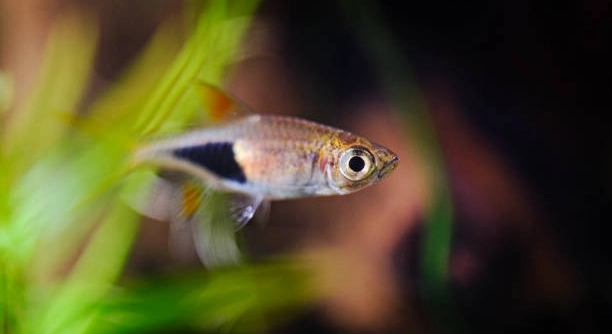
Do you keep rasboras and want their aquarium to feel calm, clean, and natural while supporting steady health, color, and behavior through proper water movement and filtration choices for long term comfort and stability overall.
Rasboras prefer filtered water with gentle flow rather than still conditions, as consistent circulation maintains oxygen levels, distributes heat evenly, and removes waste. Low current filtration closely matches their natural streams, supporting stable behavior, reduced stress, and long term health.
Water movement influences feeding, schooling, and comfort, and understanding these details helps create a balanced aquarium that supports rasbora wellbeing.
Understanding Rasboras Natural Water Preferences
Rasboras come from slow moving streams and forest creeks where water is rarely stagnant. In my experience, gentle filtration helps recreate that balance without overwhelming their small bodies. A soft current keeps oxygen levels steady, prevents waste buildup, and supports consistent temperature throughout the tank. When water remains still for long periods, debris settles quickly and water quality drops faster. This can lead to stress, reduced activity, and muted coloration. Light filtration also helps beneficial bacteria thrive, which plays an important role in breaking down waste naturally. Rasboras tend to school more confidently and explore more when water conditions remain stable. Stability matters more than strong flow. A simple sponge filter or adjustable hang on back filter provides enough movement while keeping the environment calm. This setup supports daily health without disrupting their natural swimming behavior or feeding patterns over time with consistent maintenance and observation in home aquariums everywhere.
Filtered water does not mean strong flow. I keep movement low and steady so rasboras swim naturally. Too much current forces constant effort, while no movement allows waste to settle. Balanced filtration keeps conditions clean without disrupting schooling behavior and supports calm feeding routines each day at home for them.
Still water can work short term, but it requires careful attention. Without filtration, frequent water changes become necessary to control ammonia and debris. In smaller tanks, water quality shifts faster, which rasboras do not tolerate well. I noticed calmer behavior once gentle filtration was added. Fish became more active, colors improved, and feeding became consistent. The key is avoiding harsh output. Using pre filters or spray bars softens flow and spreads movement evenly. This approach keeps water fresh while respecting their preference for calm surroundings. A controlled environment supports health without creating unnecessary strain for long term aquarium stability overall.
Choosing a Gentle and Effective Filtration Setup
Not all filters suit rasboras. I focus on adjustable options that allow fine control over flow. Sponge filters and low output hang on back units work well. They provide circulation, oxygen exchange, and biological support while maintaining a peaceful tank environment that promotes steady behavior and long term comfort daily.
Placement and maintenance matter as much as the filter itself. I position outlets toward glass or decor to soften movement and prevent direct force on schooling fish. Regular cleaning keeps flow consistent and avoids sudden changes. When filters clog, output weakens unevenly, which can disrupt stability. Gentle rinsing in tank water preserves beneficial bacteria while restoring performance. Feeding habits also influence water quality. Overfeeding increases waste and places extra demand on filtration. I keep portions small and observe how quickly food is consumed. Live plants help absorb excess nutrients and further calm water movement. Together, these choices create a balanced system that supports rasboras daily needs. A stable setup reduces stress and promotes natural behavior. Rather than chasing perfection, I focus on consistency. When conditions remain predictable, rasboras adapt well and display stronger coloration, tighter schooling, and steady activity. Thoughtful filtration paired with simple care creates an environment that feels calm, clean, and supportive without unnecessary complexity. This approach saves time, limits stress during maintenance, and helps maintain confidence when adjusting equipment slowly over weeks rather than days at home. It also supports learning subtle behavior changes before larger issues appear through regular observation and calm routine care practices consistently.
Signs of Proper Water Movement
Healthy rasboras show clear signs when water movement suits them well. Schooling stays tight, swimming looks effortless, and fish explore all tank levels calmly. Feeding remains orderly without frantic drifting food. Colors appear brighter, and resting behavior looks relaxed rather than strained or hidden during daily observation periods at home.
Water movement also affects long term health in subtle ways. With gentle circulation, oxygen stays evenly distributed and waste moves toward filtration instead of settling. I notice fewer surface gasping moments and steadier breathing patterns. Stable flow also keeps temperature consistent, especially in planted tanks. When water remains too still, debris collects quickly and creates uneven conditions. Rasboras respond by hiding more often or reducing activity. Over time, this stress can weaken immune response. Maintaining light movement supports biological balance and reduces the need for constant corrective maintenance in small home aquariums over extended periods with regular care routines applied.
Flow strength should always match tank size and stocking level. In smaller setups, even modest filters can create excessive movement. I prefer adjustable flow controls or added sponges to soften output. Watching how rasboras swim provides immediate feedback. If they constantly fight current or cling to corners, flow is too strong. Ideally, they glide easily and change direction without effort. Plants, driftwood, and rocks help break current paths naturally. These elements create calm zones while still allowing circulation. This balance keeps the environment functional without overwhelming sensitive fish during daily maintenance checks at home tanks for long term comfort overall.
Maintaining Stable Filtration Over Time
Filtered water requires routine care to stay beneficial. I clean filter media gently using tank water to protect bacteria. Sudden deep cleaning can disrupt balance. Flow should remain consistent, not fluctuating weekly. I also monitor water clarity and odor. These small checks prevent issues before fish behavior changes, keeping rasboras comfortable without constant adjustments or stress during regular upkeep and support stable conditions long term across home aquariums of different sizes and layouts used daily.
Consistency matters more than equipment choice. Once filtration is set correctly, avoid frequent changes. Rasboras adapt to stable patterns and respond poorly to sudden shifts. I adjust flow slowly, over days, while watching behavior closely. Feeding response, schooling shape, and resting spots reveal comfort levels. Water testing supports these observations by confirming stable parameters. Live plants and regular partial water changes reduce strain on filters and improve overall balance. Over time, this approach simplifies maintenance. Instead of chasing minor fluctuations, I focus on steady routines. This keeps the tank predictable, lowers stress for fish, and makes care more manageable without overthinking every adjustment for consistent results in long term home aquarium care practices that support healthy rasboras daily without unnecessary equipment upgrades or constant changes.
Observing Behavioral Feedback in Rasboras
I watch rasboras closely after any filter adjustment. Calm swimming, steady breathing, and consistent schooling tell me conditions are right. They use open water without hugging corners. Feeding stays controlled, and food does not scatter wildly, which shows flow remains gentle and supportive rather than disruptive during daily tank routines.
Negative signs appear when flow misses the mark. Fish struggle against current, hide for long periods, or rest near the substrate. Colors may dull slightly. I also notice uneven waste buildup, which signals poor circulation and the need for small, careful changes rather than sudden corrections to restore balance gently.
Matching Filtration to Tank Size
Tank size influences how filtration behaves. In smaller aquariums, even low powered filters can create strong movement. I scale flow to available swimming space and fish numbers. Decorations help redirect current and form calm zones. In larger tanks, consistent circulation becomes easier to manage. Longer tanks distribute flow more evenly, reducing dead spots. I avoid aiming outlets directly across open water. Instead, I angle them toward glass or plants. This spreads movement gently while maintaining oxygen exchange. Matching filtration strength to tank layout prevents stress and supports predictable daily behavior for rasboras kept in stable home setups with thoughtful planning.
Handling Temporary Flow Disruptions
Power outages and maintenance pauses affect water movement briefly. I prepare by limiting feeding and monitoring behavior closely afterward. Once filtration resumes, gradual stabilization matters more than speed. Watching rasboras readjust helps confirm that conditions return to normal without triggering stress or erratic swimming patterns during short recovery periods afterward.
What type of filter is best for rasboras?
I use sponge filters or low output hang-on-back filters most often. Sponge filters provide gentle circulation without creating strong currents. Hang-on-back filters with adjustable flow work well if the output can be softened with a pre-filter sponge or spray bar. The key is steady water movement without overwhelming the fish. Gentle filtration keeps oxygen levels stable, distributes heat evenly, and supports healthy bacteria that break down waste naturally. I avoid strong currents, which force rasboras to swim constantly and can stress them over time. A calm, well-placed filter allows schooling, exploration, and feeding without interference while maintaining tank stability over weeks of consistent care.
Do rasboras need water movement at all?
Yes, even though they come from slow streams, a small amount of water movement helps keep their environment clean and oxygenated. I noticed rasboras swim more naturally with gentle circulation and waste is removed before it settles. Too little movement causes stagnant spots, which can lead to stress or health issues. Light flow supports stable temperature and better feeding behavior. Even in planted tanks, circulation ensures nutrients distribute evenly. I maintain a balance so they don’t have to fight the current but still benefit from consistent water turnover.
Can still water harm rasboras?
Yes, prolonged still water can affect health. I’ve seen rasboras become less active and hide more when water stagnates. Waste builds up faster, oxygen levels drop, and temperature fluctuations occur. Without filtration, frequent water changes become essential to maintain clean water. Even with careful feeding, leftover food and debris accumulate quickly. Small tanks are particularly vulnerable. Gentle filtration reduces maintenance stress while keeping water stable. Rasboras respond positively to consistent conditions, showing brighter colors, active schooling, and calmer feeding behavior. Stagnant water should be temporary, not permanent, for their wellbeing.
How strong should the flow be for a small tank?
In smaller tanks, I always keep flow low. Even a small filter can create a noticeable current that forces rasboras to fight the water constantly. I use sponges or adjustable outputs to soften movement. Plants, driftwood, and decorations help break the current naturally, creating calmer zones. I watch swimming behavior closely. They should glide effortlessly without clinging to corners or struggling. Properly balanced flow prevents stress, supports schooling, and keeps food in reach without drifting excessively. Small adjustments make a big difference in maintaining a peaceful environment.
Do plants help with water movement?
Yes, live plants diffuse water flow and reduce strong currents. I place taller plants near filter outlets to soften water movement. Floating plants also create calm surface areas. Plants absorb excess nutrients and contribute to oxygen exchange, which complements gentle filtration. Rasboras enjoy swimming through vegetation without fighting strong currents. Plants make the aquarium feel closer to their natural habitat while keeping circulation manageable. I’ve noticed calmer behavior, improved schooling, and steady feeding when plants are integrated thoughtfully into flow patterns. They also reduce maintenance demands by helping trap debris for filter removal.
How often should filters be cleaned for rasboras?
I clean filter media gently every two to four weeks using tank water. Avoid deep scrubbing or hot water, which destroys beneficial bacteria. Consistency matters more than frequency. Flow should remain steady after cleaning. I monitor water clarity and odor as additional checks. Sponge filters are easy to rinse without affecting circulation, while hang-on-back filters may need careful partial media replacement. I also ensure flow output stays consistent by checking for clogs. Gentle maintenance keeps rasboras comfortable without causing stress or sudden shifts in water quality, supporting steady behavior and healthy conditions long term.
Can rasboras adapt to stronger currents?
They can tolerate moderate currents if introduced gradually, but strong flow is always stressful. I prefer slow adjustments, allowing fish to adapt over days rather than sudden changes. They may temporarily hide or cling to surfaces if flow increases too quickly. Observing swimming, schooling, and feeding helps me gauge comfort. Strong currents can exhaust them and increase susceptibility to disease. Gentle, steady movement ensures natural behavior, reduces energy expenditure, and supports long-term health. Even in larger tanks, I maintain zones of calm so they can rest without constantly battling water movement.
Is filtered water enough, or are water changes still needed?
Filtered water reduces the frequency of water changes but doesn’t eliminate them. I perform partial water changes weekly or biweekly depending on tank size and stocking levels. This removes excess nutrients, keeps water chemistry stable, and complements biological filtration. Rasboras thrive when filtered water is paired with routine water changes, maintaining clarity, oxygenation, and waste removal. Overfeeding can increase change frequency slightly, but overall, gentle filtration plus scheduled changes creates a stable, low-stress environment. Consistency matters more than quantity, ensuring fish remain active, healthy, and well-colored over time.
What are the signs that water flow is too weak?
Weak flow becomes apparent when debris accumulates at the bottom, water appears cloudy, or oxygen levels drop. I notice rasboras sometimes gasping at the surface or schooling less actively. Food may linger too long, leading to waste buildup. Weak circulation affects temperature distribution and nutrient flow in planted tanks. Adding a small sponge filter or adjusting output improves conditions quickly. Once flow stabilizes, swimming becomes effortless, feeding is calm, and coloration returns to normal. Observing these subtle signs helps me maintain consistent care without overcomplicating filtration adjustments.
How do rasboras behave in optimal filtered water?
They swim in coordinated schools, explore all levels of the tank, and feed steadily without panic. I notice calmer, more confident movements and less hiding. Colors become brighter, and resting behavior is relaxed. Food consumption is efficient, with minimal leftovers drifting in currents. Oxygenation remains even, temperature is stable, and plants benefit from gentle circulation. Overall, rasboras show natural patterns when water is filtered appropriately, and I can maintain a healthy, low-stress environment with minimal intervention over time. Regular observation ensures flow remains suitable as the tank matures and stocking changes gradually.
Word count: 505
Rasboras thrive best in environments that mimic their natural habitats. I have found that gentle filtered water is more suitable than completely still water. A soft current keeps oxygen levels steady and helps remove waste, which contributes to their overall health. Without adequate movement, debris can settle quickly, causing water quality issues and stressing the fish. Proper filtration also supports beneficial bacteria that naturally break down waste, creating a more stable tank environment. Over time, I noticed that rasboras are more active, display brighter colors, and feed more consistently when the water is kept moving gently. Even small tanks benefit from this approach, as light circulation prevents stagnant areas that can quickly become problematic. Careful placement of filters, decorations, and plants helps spread the flow evenly and creates calm zones where the fish can rest and explore without struggling against strong currents.
Consistent water movement also influences behavior and daily routines. Rasboras tend to school more confidently when circulation is gentle but steady, and they use the entire tank rather than staying near the surface or hiding in corners. Feeding becomes calmer and more predictable because food does not drift uncontrollably across the water. I have observed that fish exposed to stable conditions show less stress and recover more quickly from minor disturbances, such as brief maintenance sessions or temporary power interruptions. Even minor changes in water flow can affect swimming patterns, so maintaining consistency matters more than using high-powered filtration. Integrating plants, driftwood, and other decorations into the tank helps to diffuse flow naturally, creating a more comfortable environment. These calm areas encourage natural behaviors and allow the fish to rest or explore according to their own pace, which contributes to long-term health and wellbeing in the aquarium.
Maintenance and routine care are easier when the filtration system is balanced. I clean sponge filters or filter media gently, using tank water to avoid disrupting beneficial bacteria. Partial water changes are still necessary, but they become simpler and less frequent with properly filtered water. Observing the fish regularly helps detect any signs of discomfort, such as struggling against currents, hiding for extended periods, or changes in color and activity. Gentle filtration combined with consistent routines supports a stable environment without excessive adjustments or stress for both the fish and the keeper. Over time, this approach reduces the risk of disease, promotes healthy behavior, and ensures that rasboras live in conditions that closely resemble their natural streams. By focusing on steady water movement, careful maintenance, and thoughtful tank setup, it is possible to create a healthy, calm, and visually pleasing aquarium where rasboras can thrive naturally over the long term.
Word count: 412

Hello,
If you enjoy the content that we create, please consider saying a "Thank You!" by leaving a tip.
Every little bit helps us continue crafting quality advice that supports the health, happiness, and well-being of pets around the world, for pets of all shapes, sizes, and species.
We really appreciate the kindness and support that you show us!