
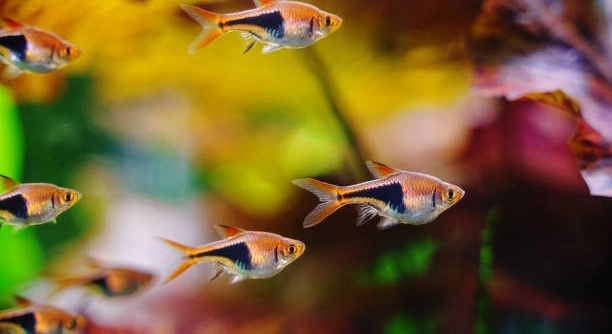
Have you ever noticed your rasboras swimming nervously in their tank when someone walks by or taps the glass? These small fish seem alert to subtle changes in their environment and react quickly to any disturbance.
Rasboras are sensitive to water vibrations, using their lateral line system to detect movement and changes in their surroundings. This sensory ability helps them respond to potential threats, locate food, and communicate with other fish in their group.
Learning how vibrations affect their behavior can improve tank care and create a calmer, healthier environment for your rasboras to thrive.
How Rasboras Sense Vibrations
Rasboras rely on a specialized sensory system called the lateral line, which runs along their sides. This line detects small changes in water movement and vibrations. I noticed that even minor disturbances, like someone tapping the tank or adjusting decorations, make my rasboras shift quickly. These fish interpret vibrations as signals, often reacting by schooling tightly or darting away. The lateral line helps them navigate their surroundings safely and avoid danger. It also plays a role in finding food, as moving prey creates vibrations in the water. Over time, I realized that keeping the tank calm and avoiding sudden movements improved their behavior. Even gentle currents or water flow changes can catch their attention, showing how sensitive they are. Understanding this has made me more mindful about tank placement and daily care. The fish seem more relaxed when I minimize loud or abrupt vibrations around the aquarium.
Rasboras are especially responsive to frequent vibrations. Even small, repeated disturbances can stress them.
Regular monitoring of water conditions and tank activity helps maintain a balanced, peaceful environment. Proper care reduces stress and supports their natural behavior.
Effects of Vibrations on Rasbora Behavior
Excessive vibrations make rasboras swim erratically or hide more often.
When the tank experiences frequent disturbances, rasboras can become stressed, which affects their overall health. Stress may lead to decreased appetite, slower growth, and weakened immune systems. I observed that my fish would avoid areas near the filter or heater if the water movement was too strong or irregular. Vibrations also influence their social behavior. Normally, rasboras swim in coordinated schools, but persistent disturbances can break this formation, causing them to act skittish or isolated. Even changes in lighting, equipment, or household noise levels can amplify the effects of water vibrations. By keeping the tank stable, with minimal external disruptions and gentle water flow, the fish display more natural schooling and feeding behavior. Simple adjustments, like moving the aquarium away from heavy foot traffic or loud appliances, can reduce stress. Paying attention to how they respond helps create a healthier, calmer tank, allowing rasboras to thrive in their environment and exhibit normal, active behavior consistently.
Minimizing Stress from Water Vibrations
Rasboras react quickly to changes in water movement, so keeping the tank stable is important. Gentle handling and avoiding sudden taps or bumps can reduce stress and help maintain their natural behavior and health over time.
Using soft filtration and placing the tank in a quiet area has noticeably calmed my rasboras. I also observed that adding plants and hiding spots helps them feel secure, giving them areas to retreat when vibrations occur. Adjusting equipment like heaters or filters to reduce sudden water flow changes made a big difference. Small habits, like walking slowly around the tank and avoiding loud noises nearby, also improve their comfort. Over weeks, the fish became more relaxed, swimming naturally and schooling closely. Even minor adjustments to daily maintenance, such as slow water changes, contributed to a calmer environment. Monitoring their reactions regularly helped me identify which changes were most effective in reducing stress.
Frequent disturbances can weaken rasboras’ immune systems, so minimizing vibrations supports overall health. Consistency is key for their well-being.
Tools and Techniques to Reduce Vibrations
Placing tanks on stable, padded surfaces can significantly lessen vibrations.
Using foam pads or vibration-absorbing mats under the aquarium helped me notice a clear improvement in how my rasboras behaved. This method reduces the impact of footsteps or nearby furniture movement. Positioning equipment carefully, like filters and heaters, prevents unnecessary water disturbances. I also added live plants and decorations that absorb energy from flowing water, softening sudden currents. Observing how my fish respond during maintenance allowed me to adjust techniques gradually. Simple practices like filling the tank slowly, handling decorations with care, and keeping a consistent daily routine all contribute to lowering stress from vibrations. Over time, the fish became more confident and active, showing that small changes make a noticeable difference. These approaches work together to maintain a calmer, healthier environment for rasboras, helping them display natural behaviors consistently.
Common Signs of Stress in Rasboras
Rasboras under stress from vibrations may hide more than usual or swim in quick, jerky movements. They can also stay near the bottom of the tank, avoiding open areas until the environment feels calm again.
Changes in color or loss of appetite are also common indicators. I noticed my fish would sometimes ignore food when the tank was too noisy or water flow was strong. Observing these signs early helps in adjusting the environment quickly. Providing calm, consistent conditions encourages them to resume normal behavior, improving overall health and activity levels over time.
Choosing the Right Tank Location
Placing the aquarium in a quiet, low-traffic area reduces stress. Avoiding spots near doors, speakers, or heavy appliances helps maintain stable conditions.
Adjusting Water Flow and Equipment
Filters and pumps can create vibrations that unsettle rasboras. Using adjustable flow equipment or placing decorations to diffuse water movement can make the tank calmer and more comfortable.
Benefits of a Calm Environment
A stable, low-vibration tank encourages natural schooling and feeding behavior. Rasboras thrive and display healthier activity levels when disturbances are minimized.
FAQ
How sensitive are rasboras to vibrations compared to other fish?
Rasboras are fairly sensitive because of their lateral line system, which detects small changes in water movement. I noticed that even gentle taps on the tank or slight water currents make them react immediately. Compared to some larger or less schooling fish, rasboras respond faster and more visibly to disturbances.
Can vibrations harm rasboras physically?
Direct physical harm from typical tank vibrations is rare. However, frequent or strong vibrations can stress them, which weakens their immune system over time. I’ve seen stressed fish become more prone to illness and eat less. Maintaining a stable, calm environment prevents these health problems.
Do all rasbora species react the same way?
Most rasbora species are sensitive, but the intensity varies. Smaller species or those that school tightly, like harlequin rasboras, tend to show more noticeable reactions. I observed that larger or solitary species may be less jittery but still respond to strong water movements.
How can I reduce vibrations from filters and pumps?
Using adjustable flow filters or placing soft foam pads under equipment helps a lot. I added small decorations to diffuse water flow and noticed calmer behavior. Slowing down the water intake or redirecting output can also prevent sudden currents that stress them.
Will tank placement affect sensitivity to vibrations?
Yes, placement is crucial. Tanks near doors, heavy appliances, or areas with frequent foot traffic transmit more vibrations. I moved my aquarium to a quiet corner away from noise, which made my rasboras noticeably more relaxed and active. Even small adjustments in location help.
Can vibrations affect breeding or schooling?
Frequent disturbances can disrupt natural behaviors. I noticed that during periods of high vibration, my rasboras stopped forming tight schools or showing breeding interest. A calm tank encourages natural social interactions and increases the chances of healthy spawning behaviors.
Are there signs that indicate vibration stress immediately?
Rapid, erratic swimming, hiding constantly, or staying at the bottom are common signs. Color fading and refusing food can also indicate stress. I keep a close watch for these behaviors during maintenance or when introducing new equipment. Early intervention helps prevent long-term problems.
Is it okay to have some water movement for oxygenation?
Yes, moderate movement is healthy. Rasboras need oxygenated water, but strong or turbulent currents can be stressful. I use gentle filter settings or redirect water flow to create calm circulation while keeping oxygen levels sufficient. This balance supports both health and comfort.
Can vibrations from outside the house affect the tank?
Yes, vibrations from heavy footsteps, appliances, or construction can disturb sensitive rasboras. I sometimes notice fish reacting even to minor outside activity. Using vibration-absorbing mats and choosing a quiet location minimizes these effects.
How do plants and decorations help with vibration sensitivity?
Live plants, rocks, and driftwood absorb energy from water movement, softening currents. I added several plants in my tank and noticed my rasboras hiding less and swimming more naturally. Strategic decoration placement can reduce stress and improve overall tank harmony.
Is it possible for rasboras to get used to minor vibrations?
Some minor, consistent vibrations may become less alarming over time. I noticed my fish gradually ignored gentle water changes or small tank movements. However, sudden or irregular disturbances will still trigger strong reactions, so consistency is key.
What daily habits reduce stress from vibrations?
Moving slowly around the tank, avoiding tapping the glass, and handling equipment gently helps. I maintain a consistent feeding schedule and carefully fill water during changes. These small actions create a predictable environment, keeping rasboras calmer and more confident in their tank.
Can multiple rasboras help each other cope with vibrations?
Yes, schooling behavior provides security. I noticed that when a few fish startle, the rest follow, but the group can collectively recover faster. Having enough companions allows them to react naturally and reduces long-term stress caused by external disturbances.
Do temperature fluctuations interact with vibration stress?
Yes, sudden temperature changes can increase stress. I make sure water temperature remains stable because rasboras are sensitive to both vibration and temperature. Even minor shifts combined with disturbances can amplify stress, so monitoring both factors is important for their health.
Are there special tank designs that help minimize vibration effects?
A tank with a stable stand, gentle filtration, and dense plants or decorations works best. I also keep equipment that generates minimal noise and flow. These features reduce vibration transmission and provide hiding spots, allowing rasboras to feel safe and behave naturally.
How long does it take for rasboras to calm after a disturbance?
It varies, but generally a few minutes to half an hour is enough if conditions are stable. I’ve seen my fish gradually return to normal swimming and schooling after sudden taps or water movement. Consistently calm surroundings shorten recovery time.
Are juvenile rasboras more sensitive than adults?
Yes, young rasboras are usually more reactive. I noticed juveniles startle more easily and hide longer after vibrations. Providing gentle conditions, plants, and a quiet tank is especially important for young fish to ensure proper growth and reduced stress.
Can vibrations affect feeding habits?
Yes, frequent disturbances often reduce appetite. I’ve observed my rasboras ignore food when water movement is strong or unpredictable. Calmer conditions encourage regular feeding, helping maintain growth, energy levels, and overall health in the tank.
Do decorations alone reduce all vibration stress?
Decorations help, but they cannot eliminate all stress. I found that combining plant cover, gentle flow, careful equipment placement, and mindful daily habits works best. Decorations provide hiding spots, but consistent care ensures rasboras remain relaxed and healthy.
Is there a limit to how much vibration rasboras can tolerate?
Repeated or strong vibrations over time overwhelm their stress response. I noticed prolonged exposure leads to hiding, erratic swimming, and weaker immune responses. Balancing water movement, tank placement, and careful handling ensures they remain comfortable and active without long-term harm.
Do different substrates affect vibration sensitivity?
Yes, soft substrates like sand absorb some vibrations, while hard gravel may transmit more. I switched to finer sand and noticed a calmer behavior in my rasboras. Substrate choice is a simple way to reduce minor disturbances and enhance comfort.
Can I use background noise to mask minor vibrations?
Soft, consistent background noise, like gentle music or white noise, may reduce stress from sudden external vibrations. I tried low-level sound in the room, and my fish appeared less reactive to footsteps or distant activity. Consistency is key to avoid adding new stress.
How often should I monitor for vibration-related stress?
Daily observation is best. I check behavior, feeding, and schooling patterns each day. Early detection of stress signs allows quick adjustments, ensuring my rasboras remain healthy and active while minimizing long-term issues.
Are there any warning signs that indicate serious stress?
Persistent hiding, severe color loss, refusal to eat, or unusual swimming patterns are red flags. I immediately review tank conditions and equipment setup when these appear. Prompt action prevents illness and helps rasboras recover quickly.
Can a single rasbora manage vibrations alone?
Single fish are more vulnerable to stress. I recommend keeping them in groups because schooling behavior offers safety and reduces anxiety from vibrations. Alone, rasboras may react more intensely and hide longer, which can impact feeding and health.
Do water changes influence vibration stress?
Yes, sudden water changes can startle rasboras. I pour water slowly and avoid splashing to reduce stress. Gentle, gradual changes maintain stability and minimize reactions while keeping the tank clean.
How long should new equipment be adjusted to reduce vibrations?
Testing equipment for a few days and monitoring fish behavior helps. I adjust flow, placement, and vibration-absorbing measures gradually until my rasboras swim calmly. Patience ensures long-term comfort and healthier activity levels in the tank.
Can stress from vibrations affect lifespan?
Chronic stress can shorten lifespan by weakening immunity and increasing susceptibility to disease. I focus on creating a calm environment, reducing vibrations, and observing daily behavior to support long-term health and longevity for my rasboras.
Do nighttime vibrations disturb rasboras?
Yes, sudden movements at night can wake and stress them. I keep tanks in quiet rooms and avoid tapping or bumping equipment during nighttime hours. Consistent darkness and minimal disturbances support restful periods.
Are there any signs that vibrations have minimal impact?
If rasboras continue schooling, feeding, and exploring normally, minor vibrations likely aren’t stressful. I notice calm swimming and regular behavior as indicators that conditions are acceptable. Observation over time confirms their comfort.
Can gentle water currents be beneficial?
Yes, gentle currents mimic natural conditions and encourage exercise and feeding. I use slow, controlled filtration to keep water moving without startling the fish, promoting healthy activity while minimizing stress.
Do decorations affect oxygenation along with vibrations?
Yes, dense plants and driftwood slow water movement but can slightly reduce surface oxygen. I balance decoration placement with filter output to maintain adequate oxygen while softening vibrations. Rasboras remain healthy and calm with this setup.
Is there a difference between morning and evening sensitivity?
Rasboras may react more to activity during the day due to increased external vibrations. I’ve noticed calmer responses during quieter evening periods. Maintaining predictable daily patterns reduces stress and helps them adjust naturally.
Can stress from vibrations be reversed?
Yes, consistent calm conditions, gentle water flow, and minimal disturbances allow rasboras to recover. I observed previously stressed fish resume normal schooling, feeding, and swimming within days when the environment remained stable and predictable.
Do tank mates influence vibration reactions?
Yes, peaceful companions help rasboras feel secure. I noticed more confident swimming and quicker recovery from disturbances when other calm schooling fish were present. Aggressive or overly active tank mates can amplify stress responses.
Are there signs that vibrations affect breeding success?
Yes, stressed rasboras often delay or avoid spawning. I observed reduced courtship behavior and hiding among breeding pairs when water movement or vibrations were frequent. Calm, stable tanks encourage natural reproduction and increase breeding success.
How do I balance oxygenation and vibration sensitivity?
Gentle water flow, well-placed plants, and adjustable filtration maintain oxygen without creating strong vibrations. I monitor fish behavior closely and adjust equipment gradually, keeping oxygen levels sufficient while preserving a calm environment for rasboras.
Can vibrations from tapping the glass ever be ignored?
Minor, consistent taps may be tolerated over time, but sudden or irregular impacts still trigger reactions. I avoid tapping entirely because even small disturbances can startle sensitive fish, and consistent calm behavior improves their health and comfort.
Is there a difference between juvenile and adult reactions to vibration?
Juveniles are generally more sensitive and hide longer, while adults recover faster. I observed that young rasboras require extra care, gentle flow, and secure hiding spots to reduce stress and ensure proper growth.
Do external household vibrations matter if the tank is stable?
Yes, vibrations from appliances or construction can still transmit through the floor. I use vibration-absorbing mats and select quiet areas to minimize impact, ensuring the tank remains calm despite external activity.
Can long-term vibration stress cause behavioral changes?
Yes, chronic stress can lead to skittish swimming, reduced schooling, and reluctance to feed. I noticed that after reducing disturbances, my rasboras gradually returned to normal behavior, showing that consistent care can reverse negative effects.
Do floating decorations help with vibration absorption?
Yes, floating plants can diffuse energy and reduce sudden water movement. I placed floating plants in my tank, and my rasboras seemed calmer, hiding less and swimming more naturally. They provide an extra layer of comfort without blocking swimming space.
Are small tanks more sensitive to vibration issues?
Yes, vibrations transmit more easily in smaller tanks. I noticed stronger reactions in my 10-gallon setup compared to a larger 20-gallon tank. Using soft substrates, decorations, and careful equipment placement helps offset the increased sensitivity.
Can vibration stress affect coloration?
Yes, stressed rasboras may lose brightness or appear dull. I observed that reducing disturbances restored their natural colors, showing that calm conditions support both health and visual vibrancy.
How often should equipment be checked for vibration impact?
Regular checks, at least weekly, are useful. I monitor filter, pump, and heater placement, adjusting if vibrations seem to disturb the fish. Routine maintenance ensures long-term stability and minimizes hidden stress factors.
Do frequent water changes increase vibration sensitivity?
Yes, abrupt changes can startle rasboras. I pour water slowly and avoid splashing to minimize stress. Gentle, gradual changes maintain stability while keeping the tank clean and fish healthy.
Are rasboras more sensitive than tetras or guppies?
They are generally comparable to tetras, sometimes more reactive due to schooling instincts. Guppies may tolerate minor disturbances better, but I noticed all small schooling fish react to sudden vibrations, so care is still needed.
Can sound vibrations affect them similarly to water vibrations?
Yes, loud or low-frequency noises can create subtle water movement that rasboras detect. I keep room noise low and consistent, reducing sudden sound spikes to prevent stress.
Do seasonal changes impact vibration reactions?
Seasonal temperature or activity changes can increase stress sensitivity. I noticed rasboras react more during hotter months with increased household activity. Maintaining stable water temperature and minimizing sudden disturbances helps them stay calm year-round.
Can tank lids reduce vibration impact?
Yes, lids prevent direct splashes and reduce sudden air movement, softening the impact of small external vibrations. I noticed calmer behavior when my tank had a secure lid, helping rasboras feel protected.
Do aquarium decorations need to be secured against vibrations?
Yes, loose rocks or driftwood can shift and create sudden disturbances. I ensure decorations are stable, which prevents unexpected movements and keeps the fish calm. Proper placement supports both safety and stress reduction.
Can overfeeding interact with vibration stress?
Yes, excess food increases cleaning and water movement, which can stress rasboras. I feed small, controlled amounts to maintain calm conditions while meeting nutritional needs.
Is it better to introduce new fish during low-activity periods?
Yes, adding fish when the tank is calm reduces combined stress from both vibrations and new introductions. I do this in quiet times to give rasboras a stable environment for adjustment.
Do water conditioners influence vibration sensitivity?
Not directly, but sudden water additions can cause movement. I pour treated water slowly to avoid creating currents that unsettle the fish, maintaining stability while keeping water safe.
Are there any tools to measure vibration levels in a tank?
Some hobbyists use small accelerometers or vibration sensors. I personally rely on careful observation of fish behavior, which provides immediate feedback on how sensitive my rasboras are to changes.
Can multiple small disturbances be worse than a single large one?
Yes, repeated minor vibrations accumulate stress over time. I noticed my rasboras become tense after several small taps or water movements, even if none were strong individually. Reducing frequency is as important as minimizing intensity.
Do night lights affect sensitivity to vibrations?
Indirectly, yes. Sudden shadows or light shifts combined with vibrations can startle fish. I maintain consistent dim lighting or complete darkness at night to reduce compounded stress.
How long does it take for new rasboras to adapt to tank vibrations?
It varies by individual and species, but generally a few days to a week with calm conditions is enough. I gradually introduced subtle flow changes while observing reactions, helping them acclimate comfortably.
Can stress from vibrations affect disease resistance?
Yes, stressed fish are more prone to infections. I noticed rasboras in calm tanks remained healthier and more active, showing stronger immune responses compared to those exposed to frequent disturbances.
Do substrate types like sand or gravel influence vibration sensitivity?
Yes, soft substrates absorb minor vibrations better than hard gravel. I switched to fine sand and saw my rasboras swim more confidently, with less hiding, showing that substrate choice impacts comfort.
Can vibrations affect tank filtration efficiency?
Strong vibrations can disrupt water flow and sediment movement, affecting filter performance. I monitor flow and adjust equipment placement to maintain both calm conditions and effective filtration.
Are glass tanks more prone to transmitting vibrations than acrylic?
Yes, glass transmits vibrations more directly. I added padding and stable stands to reduce transfer, which noticeably calmed my fish. Acrylic tanks naturally dampen some movement but still benefit from careful placement.
Do frequent cleaning routines increase vibration stress?
Yes, rough scrubbing or sudden water movement during cleaning can startle fish. I clean slowly, remove decorations gently, and minimize splashing to maintain calm, reducing stress during maintenance.
Can fish sense vibrations from outside the room?
Yes, strong movements or low-frequency sounds can travel through walls and floors. I noticed my rasboras reacting even when the tank wasn’t directly touched. Quiet surroundings and padded stands help minimize this effect.
Is there a limit to how much environmental vibration rasboras can tolerate long-term?
Yes, chronic exposure to high-frequency or strong vibrations can lead to prolonged stress, weakened immunity, and behavioral changes. I focus on consistent, calm conditions to ensure long-term health and prevent negative effects.
Do tank covers influence vibration sensitivity?
Yes, covers reduce splashes and sudden air movement, softening minor disturbances. I noticed calmer swimming and less hiding with a secure lid in place.
Can acclimation reduce sensitivity to minor vibrations?
Gradual exposure to small, consistent disturbances may help rasboras adjust. I slowly introduced slight water movement and saw reduced reactions over time, though sudden changes still startle them.
Do floating plants reduce stress from vibrations?
Yes, floating plants absorb energy from water movement, softening currents. I placed floating plants in my tank, and my rasboras appeared more relaxed and confident, hiding less and swimming naturally.
Are juvenile rasboras more affected than adults?
Yes, juveniles are more reactive and hide longer. I provided extra plants and gentle flow to reduce stress, helping young fish grow healthily while minimizing reactions to disturbances.
Do temperature changes interact with vibration stress?
Yes, sudden shifts increase stress sensitivity. I maintain stable temperatures alongside calm water conditions to ensure my rasboras remain relaxed and healthy.
Can multiple small vibrations over time be more harmful than a single large one?
Yes, repeated minor disturbances accumulate stress. I noticed rasboras become tense after several small taps or water movements, even if none were strong individually. Reducing frequency is essential.
Do nighttime vibrations disturb rasboras?
Yes, sudden nighttime disturbances can wake and stress them. I keep tanks in quiet rooms and avoid equipment movement at night.
Can calm tank mates reduce vibration stress?
Yes, schooling with peaceful companions provides security. My rasboras recover faster from disturbances when other calm fish are present, reducing overall stress.
Do vibrations affect breeding success?
Yes, frequent disturbances reduce courtship and spawning behavior. I maintain calm, stable conditions to encourage breeding and natural
Rasboras are delicate and sensitive fish that rely heavily on their environment to feel safe and behave naturally. Water vibrations, even small ones, can trigger stress responses that affect their swimming patterns, feeding habits, and social behavior. I have observed that even minor disturbances, like tapping the glass or sudden changes in water flow, can make these fish dart around or hide for extended periods. Over time, repeated stress from vibrations can weaken their immune systems, reduce their appetite, and even interfere with breeding behavior. Understanding the importance of a calm and stable environment is key to keeping rasboras healthy and active. Small adjustments, like moving the tank to a quieter area, using foam pads under equipment, or adding plants and decorations to soften currents, make a noticeable difference in their behavior. These measures help the fish feel secure, which allows them to display their natural schooling and feeding patterns more consistently.
Maintaining a stable tank involves paying attention to both external and internal sources of vibration. Household activities, such as walking near the tank, using appliances, or even construction noise, can transmit subtle vibrations that rasboras detect. Internal sources, including filters, heaters, and pumps, also contribute to water movement that can unsettle sensitive fish. I have found that using adjustable flow equipment and monitoring how the fish react during maintenance helps minimize unnecessary stress. Dense plantings and well-placed decorations not only reduce the direct impact of water movement but also provide hiding spaces where rasboras feel safe when disturbances occur. Even small, consistent habits, such as pouring water slowly during changes and avoiding sudden tapping on the glass, help reinforce a predictable environment. Over time, these practices lead to calmer, more confident fish that engage in normal behaviors rather than constantly reacting to perceived threats.
Creating the right environment for rasboras is about balance and consistency. While some water movement is necessary for oxygenation and filtration, excessive currents or irregular vibrations can overwhelm them. I have learned that observing fish behavior is the most effective way to gauge whether conditions are suitable. Signs such as erratic swimming, hiding, or loss of color indicate that adjustments are needed, while calm, active, and schooling fish show that the environment is comfortable. By maintaining stable water conditions, using gentle equipment, and minimizing external disturbances, rasboras can thrive, showing vibrant coloration, healthy appetites, and natural social behaviors. The key takeaway is that attention to detail and consistent care create a peaceful tank environment that supports the overall health and well-being of these sensitive, active, and beautiful fish.

Hello,
If you enjoy the content that we create, please consider saying a "Thank You!" by leaving a tip.
Every little bit helps us continue crafting quality advice that supports the health, happiness, and well-being of pets around the world, for pets of all shapes, sizes, and species.
We really appreciate the kindness and support that you show us!