
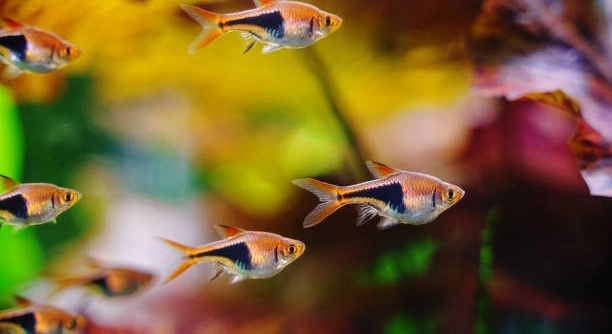
Many aquarium keepers notice rasboras suddenly darting after each other, creating quick flashes of movement. This behavior often appears playful, yet it follows natural patterns tied to communication, hierarchy, and comfort within a aquatic environment.
Rasboras dart after each other primarily due to social signaling, territorial boundaries, and mating displays. This behavior reflects instinctive group dynamics, stress responses, and dominance testing, which help establish order, reinforce cohesion, and maintain stability within schooling populations over time.
These quick chases reveal important clues about health, environment, and social balance, offering insight that helps improve everyday care decisions.
Social Structure and Communication
Rasboras are schooling fish that rely on close contact to feel secure and organized. Darting behavior often appears when individuals adjust spacing, reinforce roles, or react to subtle changes nearby. In a healthy group, short chases help maintain alignment and reduce confusion. Younger or smaller fish may follow stronger swimmers to learn movement patterns. Light darting can also release excess energy, especially in active tanks with steady feeding schedules. When lighting shifts or people approach the glass, rasboras may respond together through quick motion. This shared reaction strengthens group awareness and keeps the school tight. Observing these interactions over time shows consistency rather than chaos. Regular darting that ends quickly usually signals balance, comfort, and stable social rhythm within the tank. Such patterns become clearer as fish mature, allowing keepers to recognize normal behavior and avoid unnecessary worry during daily observation routines across different tank setups and seasons overall stability.
This behavior remains calm and controlled when conditions are suitable. Brief pursuits stop without injury, and fish return to schooling. Consistent feeding, proper tank size, and gentle flow support this natural interaction and help prevent prolonged chasing or isolation between individuals over long periods of time inside home aquariums daily.
Problems arise when darting becomes constant or aggressive. Poor water quality, limited space, or uneven group numbers can increase tension. A single fish may be targeted repeatedly, leading to stress and hiding. Monitoring ammonia levels, maintaining stable temperatures, and keeping rasboras in proper numbers reduces these risks. Adding plants creates visual breaks and allows weaker fish to rest. Small adjustments often restore calm behavior quickly. Paying attention to patterns rather than isolated moments helps determine whether intervention is needed for long-term well-being. This approach supports healthier tanks and encourages natural movement without disrupting established social balance over extended observation periods.
Environmental and Care Factors
Tank conditions strongly influence how often rasboras dart after each other. Space, lighting, and water flow shape movement patterns. When these factors remain stable, behavior stays brief and organized rather than intense or exhausting for the group. Sudden changes tend to increase restlessness and uneven pacing within confined tanks quickly.
Rasboras respond quickly to their surroundings, and even small shifts can affect behavior. Bright lights without shaded areas may push fish to move faster, while weak filtration can lower oxygen levels and raise stress. Overstocked tanks limit escape space, causing repeated chasing that does not resolve naturally. Maintaining a consistent routine helps reduce this pattern. Regular water changes, gentle currents, and steady lighting cycles support calmer movement. Feeding small portions at set times prevents frantic competition. Tank mates also matter. Peaceful species reduce tension, while faster or larger fish can trigger defensive responses. Group size should remain appropriate, since too few rasboras disrupt social balance. Observing fish daily allows early adjustments before issues escalate. When care remains thoughtful and steady, darting becomes brief, purposeful, and balanced, reflecting comfort rather than strain within the tank. This balance supports immune health, feeding response, and overall lifespan. Over time, keepers learn typical rhythms and notice when movement shifts. Responding early with simple changes prevents ongoing stress and preserves a peaceful, visually pleasing aquarium environment for both fish and observer through consistent care habits and patient daily observation practices at home that support long term stability and predictable behavior patterns without unnecessary intervention cycles.
Stress and Hierarchy Signals
Darting often increases when rasboras sort out hierarchy within the group. Short chases communicate position without causing harm. I notice this more after adding new fish or during growth stages, when roles are still forming and boundaries need quiet reinforcement between individuals over time in shared aquarium spaces at home.
Stress related darting looks different from normal social movement. The chases last longer and one fish may struggle to rest. This often links to temperature swings, loud surroundings, or sudden tank changes. I have seen this after missed water changes or uneven feeding. Rasboras rely on predictability to feel secure. When stress builds, movement becomes repetitive and tense rather than brief and balanced. Reducing noise, keeping hands out of the tank, and restoring routine usually lowers this behavior. Consistency allows the group to settle and resume calm schooling patterns over extended periods in home aquariums with attentive care daily habits.
Hierarchy driven darting is usually temporary and fades once balance is reached. Larger or older fish may lead movement, while smaller ones follow closely. This is not bullying when space and numbers are correct. I watch for torn fins or constant hiding, which signal a problem. Healthy rasboras rejoin the school quickly after brief chases. Providing plants and open swimming areas supports this adjustment. Once roles settle, darting becomes occasional and purposeful, fitting naturally into daily activity without disrupting feeding or rest patterns over time in stable, well maintained tanks with proper stocking and care from attentive keepers at home.
Recognizing When Darting Becomes a Problem
Darting shifts from normal to concerning when one fish is repeatedly targeted. Prolonged chasing, faded color, or refusal to eat point to imbalance. I pay close attention during feeding and rest periods. Healthy behavior includes recovery time and regrouping. When this disappears, intervention becomes necessary. Left unaddressed, stress weakens immunity and shortens lifespan in small schooling fish kept in home tanks under inconsistent care conditions that persist over time without corrective action from the keeper.
Correcting excessive darting starts with observation rather than panic. I review water parameters, tank size, and group numbers first. Small rasboras thrive in groups that allow shared movement without crowding. Rearranging decor can break sight lines and reduce repeated pursuit. Temporary separation of an injured fish may help recovery. Feeding evenly across the tank lowers competition. Gradual changes work better than sudden adjustments. Over time, calmer movement signals improvement. When care becomes steady, rasboras regain trust in their surroundings. This restores natural schooling behavior and reduces unnecessary stress within the aquarium. I have found patience matters more than constant interference in maintaining long term balance especially in established tanks with stable routines and consistent daily observation habits from dedicated home aquarium keepers over extended periods.
Feeding Patterns and Competition
Feeding time often triggers short bursts of darting among rasboras. Excitement builds quickly, and fish race toward familiar areas. I notice this most when food hits the surface. The behavior fades once food spreads evenly and everyone settles into steady eating patterns without lingering tension or repeated chasing afterward moments.
Irregular feeding schedules can increase competition and restless movement. When meals arrive late or portions feel uneven, darting lasts longer. I learned that smaller, frequent feedings reduce pressure. This keeps movement brief and prevents dominant fish from controlling access to food each day across the tank during calm routine care.
Tank Layout and Swimming Space
Tank layout affects how darting plays out within the group. Open swimming space allows quick movement without trapping weaker fish. I prefer a mix of plants and clear areas to guide flow. Dense corners offer rest, while open centers support schooling. Poor layout forces constant turns and collisions, increasing stress. Smooth substrate and rounded decor prevent injury during fast movement. When space feels organized, rasboras dart briefly and regroup. Balanced design reduces prolonged pursuit and supports natural pacing throughout the day. This approach keeps behavior predictable and easier to assess during daily observation without constant worry from keepers at home.
Lighting and Daily Rhythm
Lighting cycles also influence darting frequency. Sudden brightness changes cause quick reactions. I keep lights on timers to avoid surprise shifts. Gentle transitions help rasboras stay calm. When lighting remains steady, movement feels controlled and predictable rather than sharp bursts of frantic activity that disrupt rest and feeding rhythms daily.
FAQ
Why do rasboras suddenly dart after each other without warning?
Sudden darting usually follows a small change in the tank. This can include movement near the glass, feeding time, or a shift in light. I often see it when someone walks past quickly. Rasboras react as a group, and the movement spreads fast. When the tank stays calm, the behavior fades just as quickly.
Is darting a sign of aggression in rasboras?
Most of the time, darting is not aggressive. Rasboras use short chases to communicate and stay organized. I look for damage or constant hiding to judge intent. If fins remain intact and the fish regroup, the behavior is social rather than hostile within the group.
How long should normal darting behavior last?
Normal darting is brief. It may last a few seconds to a minute, then stop. I expect fish to return to schooling soon after. When movement continues for long periods without rest, it suggests stress or imbalance that needs attention from the keeper.
Can tank size affect how often rasboras dart?
Yes, tank size plays a large role. Limited space forces fish to cross paths too often. I noticed less darting after upgrading to a longer tank. Extra swimming room allows quick movement without trapping weaker fish or increasing tension during daily activity.
Does group size influence darting behavior?
Rasboras feel safer in proper group numbers. Too few fish increase nervous movement, while overcrowding raises competition. I aim for a balanced group that fits the tank size. When numbers feel right, darting stays controlled and does not focus on one individual.
Can water quality cause excessive darting?
Poor water quality often increases restless movement. Elevated ammonia or unstable temperature creates discomfort. I have seen darting rise before test results showed a problem. Regular testing and water changes reduce this behavior and support steady schooling patterns over time.
Why does darting increase after adding new fish?
New fish disrupt established order. Existing rasboras react by reinforcing roles and spacing. I expect extra darting for a few days after additions. As long as it decreases and no fish isolate, the group is adjusting normally without long term issues.
Is darting linked to mating behavior?
Yes, darting can increase during breeding periods. Males may chase briefly to display strength. This behavior appears more focused and repetitive but still short. I usually notice brighter color during this time, which helps confirm the cause without concern.
Should I separate rasboras that dart too much?
Separation is rarely needed. I only consider it if one fish is injured or refuses to eat. Most issues improve with tank adjustments instead. Changing layout, improving water quality, or adjusting feeding often resolves the behavior naturally.
Does feeding method change darting intensity?
Feeding style matters. Dropping food in one spot causes racing and chasing. I spread food across the surface to reduce competition. This simple change shortens darting and helps all fish eat without pressure or repeated pursuit.
Can lighting cause stress related darting?
Sudden light changes trigger quick movement. I use timers to keep lighting consistent. When lights turn on gradually, rasboras remain calm. Stable lighting reduces sharp reactions and supports a predictable daily rhythm inside the tank.
How do I tell normal darting from a problem early?
I watch patterns, not moments. Normal darting ends quickly and looks balanced. A problem shows repetition, faded color, or hiding. Daily observation helps catch changes early. Small corrections prevent long term stress and keep behavior within healthy limits.
Final Thoughts
Rasboras darting after each other is a behavior that often looks dramatic but usually carries simple meaning. In most cases, it reflects communication, structure, and comfort within the group. Over time, I have learned that these quick movements are part of how rasboras stay connected and aware of each other. When the tank environment is stable, darting stays brief and controlled. It becomes one of many natural motions that blend into daily activity. Observing these patterns helps build confidence in understanding fish behavior rather than reacting to every burst of movement. Calm schooling, steady feeding, and predictable rest periods usually follow healthy darting behavior. When these elements remain present, there is little cause for concern. Patience plays a large role in recognizing what is normal. Rasboras rely on routine, and their behavior reflects the balance they feel within their space.
Tank care strongly shapes how often darting appears and how intense it becomes. Simple choices such as tank size, layout, and lighting consistency influence daily movement. I have found that clear swimming areas paired with plant cover allow rasboras to move freely without pressure. Regular maintenance supports calm behavior more than constant adjustments. Clean water, steady temperature, and reliable feeding schedules reduce stress and competition. When darting increases, it often signals that something small needs attention rather than a major problem. Watching behavior over several days gives clearer insight than reacting to a single moment. Small changes, made slowly, often bring the group back into balance. This approach supports long term stability and keeps interactions natural instead of forced.
Understanding rasboras takes time and regular observation. Their behavior becomes easier to read as familiarity grows. Darting, when viewed in context, offers useful information about social balance, comfort, and environment. Rather than seeing it as a problem, it helps guide better care decisions. Each tank develops its own rhythm, shaped by routine and consistency. Paying attention to patterns allows keepers to respond calmly and effectively. Over time, this builds trust in both the fish and the care process. Healthy rasboras show energy without chaos and movement without fear. When darting fits into that pattern, it becomes a normal and even reassuring part of daily life in the aquarium.

Hello,
If you enjoy the content that we create, please consider saying a "Thank You!" by leaving a tip.
Every little bit helps us continue crafting quality advice that supports the health, happiness, and well-being of pets around the world, for pets of all shapes, sizes, and species.
We really appreciate the kindness and support that you show us!