
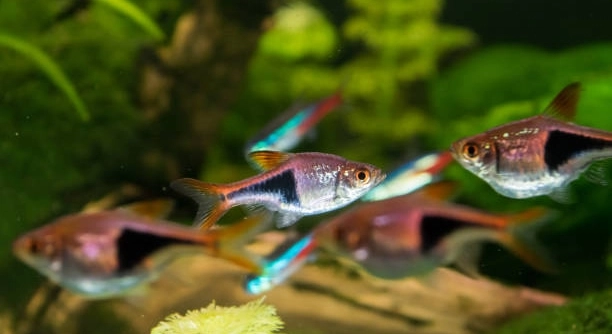
Have you ever noticed your rasboras swimming a little differently than before? Over time, these small fish experience changes that are easy to overlook but important to recognize. Observing them carefully can reveal subtle signs of aging.
Rasboras exhibit aging through physical and behavioral changes, including slower swimming, faded coloration, changes in body shape, decreased activity, and altered feeding patterns. Monitoring these indicators allows for better care and adjustment of their environment to maintain health.
Recognizing these signs early helps you provide the right care and ensures your rasboras remain healthy and active in their aquarium.
Changes in Appetite
As rasboras grow older, their eating habits can shift noticeably. They may become less interested in food or take longer to respond during feeding times. Some older fish nibble only occasionally, while others may skip meals entirely. This change can be gradual, making it easy to overlook. A reduced appetite can also be linked to slower metabolism and lower energy levels, which are common in aging fish. It’s important to ensure that younger, more active tankmates do not outcompete older rasboras during feeding. Offering smaller portions more frequently can help encourage eating. High-quality, easily digestible foods are beneficial, as they provide necessary nutrients without overwhelming older digestive systems. Monitoring appetite changes helps in understanding overall health and making adjustments to diet and feeding routines. Recognizing this pattern early allows for proactive care and can prevent complications related to malnutrition or weight loss in aging rasboras.
Observing appetite changes provides valuable insight into the health and aging process of rasboras. Adjusting feeding strategies can support longevity.
Keeping track of feeding habits helps ensure that older rasboras receive adequate nutrition and maintain healthy body weight.
Altered Social Behavior
Older rasboras often show changes in how they interact with other fish. They may become less active in schooling and spend more time alone. Reduced energy can make them less responsive to tankmates’ movements. In some cases, older fish retreat to corners or shaded areas, avoiding areas where younger fish gather. This shift is natural and helps them conserve energy. Monitoring these behavioral changes is important for tank management, as it allows adjustments to ensure all fish feel safe and comfortable. Providing calm spaces and reducing competition during feeding helps older rasboras maintain a stress-free environment. Behavioral observation combined with attention to swimming patterns and color can give a complete picture of aging, supporting proactive care and long-term health.
Reduced Activity Levels
Older rasboras tend to swim less and rest more. They may stay in one spot for longer periods and avoid chasing food or interacting actively with tankmates. This slowdown is a natural part of aging and reflects declining energy and metabolism.
The decrease in activity is often gradual, noticeable over weeks or months. Older fish may linger near plants, decorations, or the bottom of the tank. Reduced movement can affect their overall health if they are not given proper care. Ensuring water conditions are stable and providing gentle currents helps them stay comfortable. Avoid overcrowding, as older rasboras may struggle with competition and stress. Observing activity levels alongside other signs like appetite or coloration gives a clearer picture of their aging process.
Supporting older rasboras with softer environments and minimizing disturbances encourages them to maintain steady, gentle activity. Regular monitoring ensures they remain safe, comfortable, and relatively active despite natural energy declines.
Body Shape Changes
As rasboras age, their body shape can subtly shift. They may appear slightly thinner or develop a more rounded belly. Changes in musculature or fat distribution are common, affecting overall appearance and buoyancy. Maintaining proper diet and water quality can slow these changes and support healthy body structure.
Monitoring body shape involves observing their posture, fin condition, and how evenly they swim. Older rasboras may show slight curvature or reduced fin strength. Changes in shape can also indicate underlying health concerns if paired with other symptoms. Ensuring balanced nutrition and avoiding overfeeding supports gradual aging without causing stress or obesity. Regular tank maintenance and gentle water flow help preserve muscle tone and buoyancy. Noticing these subtle shifts allows for adjustments in care routines to maintain comfort and prevent injuries.
Adapting the tank environment to accommodate changing body shape helps older rasboras move more easily. Soft plants, hiding spots, and calm swimming areas reduce strain, supporting their health as they age.
Faded Fins
Older rasboras often develop fins that appear thinner or slightly torn. The edges may fray, and colors can fade. This is a natural part of aging and does not always indicate illness. Gentle water flow and careful tank maintenance can help reduce further wear.
Faded or worn fins may also result from minor bumps with decorations or interactions with tankmates. Observing fin condition regularly helps ensure these changes are purely age-related. Providing smooth surfaces and minimizing sharp objects in the tank allows older rasboras to swim safely without causing additional damage.
Slower Response to Feeding
Aging rasboras may take longer to react during feeding. They often wait until the food settles or let more active tankmates eat first. This slower response is linked to reduced energy and weaker reflexes, which are typical in older fish.
Increased Resting Periods
Older rasboras spend more time resting near plants or decorations. They conserve energy and avoid prolonged swimming, reflecting natural changes in stamina as they age.
Minor Scale Changes
Small, subtle changes in scales can appear as rasboras get older. They may look slightly duller or less smooth, showing normal signs of aging rather than disease.
FAQ
How can I tell if my rasboras are aging?
Aging rasboras show a combination of physical and behavioral changes. Look for slower swimming, reduced activity, faded coloration, fraying fins, altered body shape, and changes in appetite. Observing these patterns over weeks or months provides the clearest indication of natural aging rather than illness.
Is it normal for older rasboras to eat less?
Yes, a decreased appetite is common in aging fish. Their metabolism slows, and energy levels drop, so they may nibble less or eat more slowly. Offering smaller portions more frequently and providing soft, high-quality foods helps maintain their nutrition and body weight.
Why are my rasboras’ colors fading?
Color fading occurs gradually as part of the natural aging process. It can be influenced by lighting, diet, and water quality. While you can’t fully restore youthful brightness, maintaining stable conditions and feeding pigment-rich foods can slow the fading.
Do older rasboras need special care?
Yes, older fish benefit from gentler environments. Reduce strong water currents, ensure smooth tank decorations, and provide calm spaces for resting. Avoid overcrowding to minimize stress and competition during feeding, supporting overall comfort and well-being.
How often should I monitor aging signs?
Regular observation is key. Check swimming activity, appetite, color, fin condition, and body shape at least weekly. Documenting subtle changes helps you make adjustments early and prevents minor issues from becoming serious health concerns.
Can old rasboras still swim actively?
They can, but activity is usually slower and less frequent. Providing areas with minimal currents and gentle water movement allows them to swim comfortably without overexertion. Accepting reduced activity as normal helps prevent unnecessary worry.
Are scale changes dangerous?
Minor scale changes, such as slight dulling or unevenness, are typical in aging rasboras. These are usually harmless if not accompanied by redness, lesions, or abnormal behavior. Maintaining clean water and stable conditions supports healthy scales.
How do I prevent stress in aging rasboras?
Provide a stable environment with minimal sudden changes in temperature, water quality, or lighting. Include plants and hiding spots, avoid overcrowding, and feed consistently. Stress can exacerbate aging signs and make older fish more vulnerable to disease.
Can aging rasboras still interact with tankmates?
Yes, but interactions may be slower and more limited. Older rasboras may spend more time resting or avoiding active fish. Observing social behavior alongside swimming and feeding patterns ensures they are comfortable and not being harassed.
When should I be concerned about my older rasboras?
Seek attention if there’s a sudden decline in appetite, rapid color loss, visible wounds, unusual swimming patterns, or abnormal breathing. These changes may indicate illness rather than normal aging and require intervention to maintain health.
Does diet need to change as rasboras age?
Yes, older rasboras benefit from smaller, easily digestible portions and nutrient-rich foods. High-quality flakes, pellets, or frozen foods provide essential nutrients without stressing their slower digestive system. Feeding consistency helps maintain body condition and energy levels.
Will all rasboras show the same aging signs?
No, each fish ages differently. Some may retain color longer, while others slow down more quickly. Genetics, tank conditions, diet, and social dynamics all influence how aging manifests in individual rasboras.
How can I make my older rasboras comfortable?
Ensure gentle water flow, provide hiding spots, feed smaller portions frequently, and maintain high water quality. Minimizing stress and avoiding aggressive tankmates allows older rasboras to thrive despite natural declines in energy and activity.
Are there medical treatments for aging rasboras?
There are no treatments to reverse aging, but addressing specific health issues like fin rot, infections, or malnutrition can improve quality of life. Regular water testing and attentive care reduce the risk of age-related complications.
How long do rasboras typically live?
Rasboras usually live between 3 to 5 years, though some species and well-cared-for individuals may live slightly longer. Recognizing and supporting aging signs ensures they remain healthy and comfortable throughout their lifespan.
Can I still enjoy watching my older rasboras?
Absolutely. Their slower movements, subtle color shifts, and gentle behavior can be just as captivating as youthful energy. Adjusting expectations and observing their needs enhances appreciation for their aging process.
Is it necessary to separate older rasboras from younger ones?
Not always, but if older fish are being outcompeted for food or stressed by active tankmates, creating calm zones or separate areas can help. Providing plenty of space and hiding spots reduces tension and supports their well-being.
How do I track aging signs effectively?
Keep a simple log noting activity, appetite, coloration, fin condition, and social behavior. Regular monitoring highlights gradual changes and helps identify potential health issues early, allowing timely adjustments in care.
Can water conditions affect aging signs?
Yes, poor water quality accelerates stress and health decline. Stable parameters, proper filtration, and regular maintenance slow the appearance of aging symptoms and support long-term health in rasboras.
Do older rasboras need less light?
They may prefer shaded areas or calmer lighting as energy declines. Providing plants, floating decorations, or dimmer zones allows them to rest comfortably while still receiving enough light for overall health.
Observing aging in rasboras can feel subtle at first, but paying close attention over time reveals clear patterns. Slower swimming, faded colors, reduced appetite, and fraying fins are all normal signs of aging. Each fish ages differently, so some changes may appear sooner than others. By noticing these signs, you can adjust your care routine to better match their needs. Ensuring stable water conditions, providing gentle currents, and offering calm areas for resting can make a noticeable difference in their comfort. Small adjustments, like adding soft plants or avoiding overcrowding, help older fish feel secure and less stressed. Being aware of these changes allows you to respond proactively rather than reacting to problems only after they become serious.
Caring for aging rasboras also involves attention to their diet. Older fish often eat more slowly and need smaller, easily digestible portions. High-quality food that provides essential nutrients supports their energy levels and maintains healthy body condition. Overfeeding should be avoided, as older fish may not process large amounts efficiently, which can lead to digestive issues or stress. Monitoring their feeding habits is key to ensuring they get enough nutrition while avoiding competition with more active tankmates. Paying attention to how your rasboras respond during feeding helps you gauge overall health and spot potential issues early. Regular observation, combined with thoughtful adjustments, allows your fish to live comfortably even as they age.
Finally, aging rasboras remain a joy to watch. Their slower movements and more relaxed behavior offer a different kind of charm compared to youthful energy. Adjusting your expectations and understanding that their reduced activity, color changes, and minor physical changes are natural allows you to appreciate them fully at every stage of life. Providing a supportive environment ensures they stay comfortable, healthy, and visible in the tank. By taking simple steps such as maintaining water quality, providing hiding spots, monitoring diet, and observing behavior, you can enhance their quality of life as they grow older. Recognizing and embracing the aging process creates a meaningful connection with your rasboras and helps them thrive through all stages of life.

Hello,
If you enjoy the content that we create, please consider saying a "Thank You!" by leaving a tip.
Every little bit helps us continue crafting quality advice that supports the health, happiness, and well-being of pets around the world, for pets of all shapes, sizes, and species.
We really appreciate the kindness and support that you show us!