
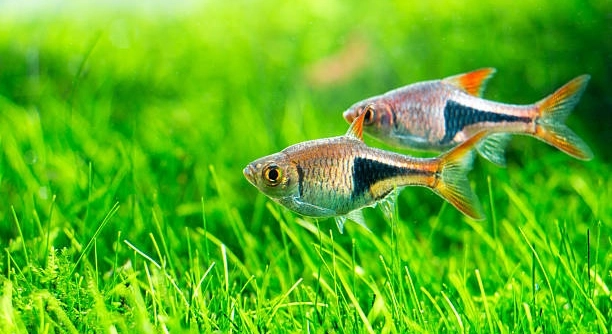
Keeping a community tank with Rasboras can be rewarding, but choosing compatible tank mates takes care and attention. Small, peaceful fish usually make the best companions, while aggressive or overly large species can cause stress and harm.
Selecting tank mates for Rasboras requires consideration of temperament, size, and water parameter compatibility. Ideal companions are calm, similar-sized fish that will not compete aggressively for food, territory, or attention, ensuring a harmonious and stress-free aquarium environment.
Knowing which species coexist peacefully with Rasboras will make your aquarium a healthier and more visually pleasing home for all its residents.
Understanding Rasbora Behavior
Rasboras are peaceful, schooling fish that thrive in calm environments. Observing them closely will show their preference for swimming together and staying away from overly aggressive or boisterous tank mates. They are active during the day but can be startled easily, so providing hiding spots with plants and decorations is essential. Maintaining stable water parameters also supports their natural behavior, keeping them healthy and less stressed. Even small changes in water quality or adding incompatible species can disrupt their harmony, leading to illness or aggression. It’s important to recognize that Rasboras are not solitary fish; they feel safer and display their natural swimming patterns in groups.
Rasboras generally get along best with other small, non-aggressive fish that share similar water preferences and activity levels.
When selecting tank mates, consider both temperament and size. Fish that are too large may view Rasboras as prey, while overly active fish can overwhelm them. Species that require different water temperatures or pH levels may create stress, so matching environmental needs is critical. Some popular companions include small tetras, Corydoras catfish, and peaceful dwarf gouramis. Ensuring a balanced diet for all species in the tank helps reduce competition and aggression. Careful observation after introducing new fish is important to detect early signs of stress or bullying. Adjusting decorations, providing sufficient space, and maintaining regular water changes support a harmonious tank where Rasboras can thrive alongside compatible companions.
Choosing Peaceful Tank Mates
Focus on fish that are calm and non-aggressive. Rasboras do best with species that will not nip fins or dominate the tank.
Suitable companions include small tetras, rasbora varieties, Corydoras, and small livebearers. Avoid larger cichlids or fast-moving fish that can create stress. Slow-moving bottom dwellers often balance the tank and occupy spaces Rasboras rarely visit. When adding new species, monitor interactions closely during the first few days to ensure harmony. Gradually introducing fish in small numbers allows Rasboras to adjust without sudden stress. Decorating the tank with plants and hiding spots can also reduce tension and give shy species refuge. By carefully choosing species that match temperament and size, you create a stable environment where all inhabitants feel secure, swim naturally, and maintain vibrant colors. Attention to detail ensures both health and a visually appealing, lively aquarium.
Matching Water Parameters
Rasboras prefer slightly acidic to neutral water with a temperature range of 72–78°F. Tank mates should thrive under similar conditions to avoid stress or illness. Stability is key.
Choosing companions that share water preferences minimizes health problems. Sudden changes in temperature, pH, or hardness can weaken immune systems and trigger disease. For example, fish from hard, alkaline waters may not tolerate soft, slightly acidic conditions preferred by Rasboras. Even compatible species require careful monitoring, as subtle differences in pH tolerance can create long-term stress. Regular testing of water parameters, along with slow acclimation of new fish, helps maintain a stable, healthy environment. Keeping parameters consistent supports natural behavior, coloration, and growth.
It’s important to understand both the ideal ranges and tolerances of each species. Rasboras do best with fish that can handle the same temperature and pH, preventing conflict and reducing stress. Incompatible water conditions can lead to lethargy, loss of appetite, or aggression. Planning tank additions around water compatibility ensures that all fish remain healthy and active. Consistent maintenance, including water changes and parameter checks, allows Rasboras to flourish alongside their chosen companions, creating a balanced, harmonious aquarium.
Avoiding Aggressive Species
Aggressive fish can stress Rasboras, leading to injury or disease. Select calm, non-territorial species for a peaceful tank.
Aggressive species, such as large cichlids or fast-moving barbs, can chase and harass Rasboras. Even minor bullying affects their health, causing hiding, reduced feeding, or color fading. Tank space and hiding spots help, but preventing aggression starts with careful selection. Choosing fish with similar temperament ensures harmony and allows all species to swim naturally.
Observing behavior before permanent placement is critical. Introducing new fish gradually allows monitoring for signs of dominance or aggression. Peaceful schooling species are ideal companions, while highly territorial or fin-nipping fish should be avoided entirely. Balancing numbers is also important; overcrowding increases competition and stress, even among compatible species. Providing a variety of hiding spots and visual barriers can reduce tension and prevent conflicts. Paying attention to interactions ensures Rasboras remain healthy and confident, enjoying a calm, stable environment alongside their compatible tank mates.
Considering Tank Size
A spacious tank reduces stress and aggression among Rasboras and their companions. More room allows each species to establish its own territory.
Overcrowding can lead to competition for food and hiding spots. Ensuring adequate swimming space helps Rasboras stay active and healthy while minimizing conflicts with other fish.
Feeding Compatibility
Tank mates should have similar dietary needs to prevent competition and ensure everyone receives proper nutrition. Rasboras eat small flakes, pellets, and occasional live or frozen foods.
Feeding multiple species with different requirements can create stress and uneven growth. Stick to small, peaceful species that share Rasboras’ diet. Monitor feeding times and amounts to maintain harmony and prevent aggression over food.
Monitoring Health
Regular observation helps detect early signs of stress or disease among Rasboras and their companions. Quick action prevents problems from spreading.
Plant and Decoration Use
Dense plants and hiding spots give Rasboras security and help reduce tension in a community tank.
What are the best tank mates for Rasboras?
The best tank mates are small, peaceful species that share similar water conditions. Examples include small tetras, Corydoras catfish, danios, and other Rasbora varieties. These fish swim at similar levels, reducing territorial disputes. Avoid large, aggressive, or fin-nipping fish, as they stress Rasboras and may harm them.
Can Rasboras live with shrimp or snails?
Yes, Rasboras are generally safe with shrimp and snails. Shrimp species like Cherry or Amano can coexist without problems, and snails help clean algae while staying out of the way. Very small or baby shrimp may be eaten, so monitoring is recommended until the shrimp grow larger.
How many Rasboras should be kept together?
Rasboras are schooling fish and should be kept in groups of at least six to display natural behavior. A larger group of 10–12 is ideal for a community tank. Keeping them in groups reduces stress, encourages active swimming, and promotes healthier social interactions.
Are there specific water parameters needed for tank mates?
Yes, tank mates should thrive in similar water conditions. Rasboras prefer slightly acidic to neutral pH (6.5–7.0) and temperatures between 72–78°F. Choosing species with matching parameters avoids stress and illness. Regular water testing ensures stability, supporting all fish in the aquarium.
Can Rasboras live with Betta fish?
It depends on the Betta’s temperament. Peaceful, non-aggressive Bettas may coexist, but many are territorial and can nip Rasboras’ fins. If attempting this combination, introduce Rasboras in groups and monitor interactions closely, providing hiding spaces to reduce conflict.
Do Rasboras need hiding spots?
Yes, they feel safer with plants, rocks, or decorations for cover. Hiding spots reduce stress, especially when introducing new tank mates. Live plants are ideal, offering shelter while also helping maintain water quality. Even calm tank mates benefit from visual breaks in the aquarium.
How should I feed Rasboras with other species?
Feed small, peaceful fish that share similar diets at the same time. Use flakes, pellets, or occasional frozen/live foods appropriate for Rasboras. Observing feeding ensures that all species get enough food and prevents aggressive behavior around mealtime. Adjust portions to reduce waste and maintain water quality.
Can Rasboras live in a small community tank?
Small tanks under 20 gallons are possible, but careful selection of tank mates is crucial. Avoid overcrowding, aggressive species, and fish that require different water parameters. A small group of Rasboras with compatible companions and plenty of plants can thrive even in limited space.
How do I introduce new fish to a Rasbora tank?
Introduce new fish gradually and monitor interactions closely. Quarantine new arrivals when possible to prevent disease. Slowly acclimate them to water conditions, and provide hiding spots to reduce stress. Observing behavior over the first few days helps ensure compatibility and prevents aggression.
What signs indicate Rasboras are stressed by tank mates?
Stress signs include hiding, loss of color, reduced appetite, or erratic swimming. Aggressive tank mates may chase or nip them. Observing daily behavior allows early intervention, either by rearranging the tank, adding cover, or separating problematic fish to maintain a peaceful environment.
Are there bottom-dwelling tank mates suitable for Rasboras?
Yes, bottom dwellers like Corydoras catfish, Kuhli loaches, or small peaceful loaches are ideal. They occupy different areas of the tank, reducing competition. They are gentle, share similar water requirements, and add activity at the lower level without disturbing Rasboras’ swimming patterns.
Can I mix different Rasbora species together?
Mixing peaceful Rasbora species is usually fine. Different types often share similar sizes and water needs. Ensure the tank is large enough to accommodate all individuals and provide sufficient hiding spots to reduce stress. Mixed groups can create a colorful, lively display without conflict.
How often should I monitor a community tank with Rasboras?
Daily observation is recommended, especially after adding new fish. Check for signs of stress, illness, or aggression. Regular water testing and maintenance help maintain a stable environment. Consistent monitoring ensures all species remain healthy and compatible over time.
Is it safe to keep Rasboras with fast swimmers?
Fast, boisterous fish may stress Rasboras by chasing or dominating them. Choose calm, moderate swimmers instead. If adding faster fish, ensure enough space and hiding spots to let Rasboras retreat and maintain natural behavior. Avoid species known for fin-nipping or territorial aggression.
What precautions should I take when selecting tank mates?
Consider temperament, size, water compatibility, and diet. Avoid aggressive, overly large, or highly territorial species. Provide adequate space, hiding spots, and observe interactions closely. Gradual introduction and consistent maintenance are key to keeping Rasboras healthy and stress-free in a community tank.
This FAQ covers the main concerns and practical steps for choosing suitable tank mates, ensuring Rasboras thrive in a harmonious aquarium.
Choosing the right tank mates for Rasboras is essential for creating a healthy and peaceful aquarium. These small, peaceful fish are sensitive to stress, and introducing the wrong species can lead to aggression, illness, or even death. Paying attention to temperament, size, and water parameters is the first step in ensuring that Rasboras live comfortably alongside other species. Small schooling fish with similar swimming levels, calm behavior, and compatible environmental needs are usually the best choices. Providing enough space, hiding spots, and a well-maintained tank also helps reduce conflicts and supports the natural behavior of all inhabitants. By prioritizing harmony in the tank, you create an environment where Rasboras can swim actively, display vibrant colors, and interact safely with their companions.
Water quality plays a crucial role in the success of a community tank. Rasboras prefer slightly acidic to neutral water and moderate temperatures. Tank mates should tolerate the same conditions to prevent stress and maintain health. Sudden fluctuations in temperature, pH, or hardness can weaken immune systems and increase susceptibility to disease. Regular water testing and careful acclimation of new fish help keep conditions stable. Even when fish are temperamentally compatible, environmental mismatches can create long-term problems. Planning your tank with water compatibility in mind ensures that every species can thrive. Keeping a close eye on the tank daily allows you to detect early signs of stress or illness and take corrective action before issues escalate.
Finally, observation and gradual adjustments are key to maintaining a balanced aquarium. Introducing new fish slowly, monitoring interactions, and adjusting the environment as needed helps prevent aggression and keeps Rasboras comfortable. Using plants, decorations, and hiding spots reduces tension and gives shy or smaller fish areas to retreat when needed. Feeding should also be managed carefully to ensure that all species get enough food without creating competition or aggression. Over time, attentive care will allow Rasboras and their tank mates to coexist peacefully, creating a lively and visually appealing community tank. Understanding their behavior and needs, combined with proper tank management, helps maintain long-term health and harmony in the aquarium, giving both Rasboras and their companions a safe and comfortable home.

Hello,
If you enjoy the content that we create, please consider saying a "Thank You!" by leaving a tip.
Every little bit helps us continue crafting quality advice that supports the health, happiness, and well-being of pets around the world, for pets of all shapes, sizes, and species.
We really appreciate the kindness and support that you show us!