
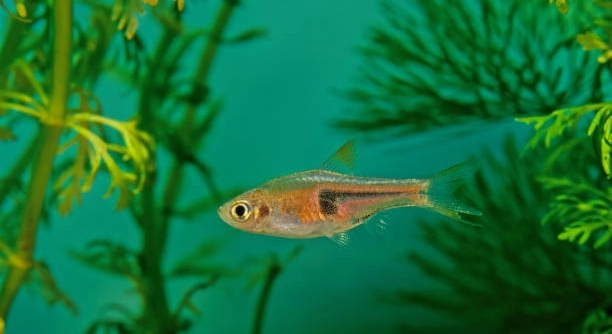
Have you ever kept rasboras and noticed subtle changes in their behavior during certain periods in the aquarium, especially when conditions feel just right for spawning and pair bonding among peaceful community fish groups there.
Rasboras generally remain in breeding mode for several weeks when environmental conditions are stable, including warm temperatures, clean water, and abundant food. During this time, courtship behaviors persist until spawning occurs or conditions gradually change within controlled aquarium environments settings.
Knowing the length of breeding activity helps aquarists support healthy fish, balanced tanks, and successful spawning outcomes with confidence always.
Environmental Factors That Influence Breeding Duration
Rasboras enter breeding mode when their environment supports comfort and safety. Warm water temperatures, usually between seventy six and eighty degrees Fahrenheit, help trigger hormonal changes. Consistent lighting and a calm tank layout also play an important role. When plants are present, especially fine leaved varieties, rasboras feel secure enough to display mating colors and pairing behavior. I have noticed that stable water parameters matter more than exact numbers. Sudden changes often stop breeding activity completely. Frequent small water changes, rather than large ones, keep stress levels low. A protein rich diet further supports spawning readiness. Live or frozen foods encourage stronger conditioning and longer breeding periods. When these elements stay consistent, rasboras may remain active in breeding mode for extended stretches without showing signs of exhaustion or aggression. This balance allows natural rhythms to continue without interference from sudden maintenance mistakes or overcrowding issues within home aquariums over time.
Breeding behavior may fade if conditions slip slightly. Cooler water, skipped feedings, or increased noise can shorten the active period. Even healthy fish respond quickly to stress. Paying attention early prevents breeding mode from ending sooner than expected. Small adjustments often restore stability and calm inside the tank again soon.
Not every rasbora pair breeds at the same pace. Age, past stress, and group dynamics influence how long breeding behavior lasts. Some pairs show brief activity, while others maintain interest for weeks. I tend to observe quieter tanks produce better results. Overcrowding often leads to competition and reduced focus on spawning. Separating breeding groups can help extend the active phase. Gentle filtration keeps eggs safe while maintaining oxygen levels. When fish feel unpressured, breeding behaviors appear more natural and last longer. This approach supports both fish health and successful reproduction in small home aquariums setups with careful observation daily consistency.
What Happens After Breeding Mode Slows
Knowing when breeding mode ends helps manage expectations. Rasboras typically slow activity after spawning or environmental shifts. Colors fade slightly, and chasing reduces. This change is normal and allows fish to recover energy before future breeding cycles begin again under stable aquarium care routines without negative long term effects appearing.
After breeding activity slows, maintaining steady care remains important. I continue regular feeding but slightly reduce protein heavy foods. This prevents unnecessary stress and keeps water quality stable. Clean water supports recovery and prepares fish for future cycles. Monitoring behavior during this phase offers helpful clues. If hiding increases or appetite drops, adjustments may be needed. Gentle lighting and consistent schedules encourage calm behavior. Avoid rearranging decorations, as sudden changes can disrupt recovery. Plants still provide comfort even when spawning stops. Over time, rasboras return to their usual schooling patterns. Breeding mode may restart naturally when conditions align again. Patience plays a key role here. Pushing fish to breed repeatedly can weaken their health. Allowing rest periods supports longevity and stronger future spawns. Balanced care ensures rasboras remain active, colorful, and resilient throughout their lifespan in a home aquarium. This steady approach reflects long term success. I have learned consistency matters more than constant intervention. Observing subtle shifts builds confidence and reduces mistakes. Simple routines protect both fish and tank balance over many years of careful keeping and supports peaceful aquariums without unnecessary complications or losses that often arise from rushed breeding attempts in small household setups with limited space.
Signs Rasboras Are Leaving Breeding Mode
Rasboras show clear behavioral shifts when breeding mode slows. Chasing decreases, colors soften, and pairs separate more often. Feeding responses normalize, and schooling becomes tighter. These changes usually appear gradually, not suddenly, signaling a natural pause rather than a health concern during stable aquarium conditions without immediate cause for alarm.
When breeding behavior fades, daily observation becomes more important. I pay closer attention to appetite, movement, and interaction levels. Healthy rasboras remain active and responsive, even without courtship displays. If lethargy appears, water parameters should be checked promptly. Temperature swings or rising nitrates often explain sudden behavior changes. Consistent lighting helps maintain routine and reduces stress. I avoid major tank adjustments during this phase. Allowing fish to settle keeps recovery smooth. Breeding pauses do not indicate failure. They reflect natural cycles that protect energy reserves and long term vitality in small aquarium systems over extended home care periods safely maintained.
Visual cues also offer helpful insight during this transition. Males lose some intensity in red or orange markings, while females appear fuller and calmer. Fin flaring becomes rare, replaced by relaxed swimming patterns. I find that feeding smaller portions prevents waste buildup. Stable filtration supports oxygen levels without creating strong currents. Plants remain valuable, offering comfort and cover. Even outside breeding mode, rasboras benefit from predictable care. These quieter periods strengthen resilience and prepare fish for future spawning under favorable conditions again within well maintained home aquariums over time with steady routines and minimal stress exposure overall health balance preserved.
How to Support Rasboras Between Breeding Cycles
Supporting rasboras between breeding cycles requires restraint. I resist overfeeding and focus on consistency. Moderate protein, clean water, and stable temperatures allow recovery. Regular but gentle maintenance keeps conditions predictable. Observation matters more than intervention here. Fish that rest properly return to breeding mode stronger. This period protects their health and reduces burnout in confined aquarium environments while maintaining natural rhythms and lowering long term stress levels for small schooling fish species overall stability improves.
I adjust feeding schedules slightly during non breeding phases. Smaller meals spaced evenly help digestion and water quality. Live foods are reduced, while quality flakes and micro pellets remain. Water changes stay consistent but minimal. I avoid chasing perfect numbers and instead prioritize stability. Lighting timers prevent irregular cycles. Tank mates should remain peaceful, as tension delays recovery. Plants continue to play a role by softening sight lines. Over time, rasboras regain vibrancy naturally. When breeding resumes, behavior shifts feel smoother and more sustained. These quiet intervals support longevity and reduce losses linked to overexertion in closed aquarium systems with limited space where balanced routines protect fish health and prevent chronic stress buildup over repeated breeding attempts across seasons long term care outcomes improve significantly.
Factors That Can Shorten Breeding Mode
Rasboras may stop breeding early if stress appears. Sudden water changes, loud environments, or aggressive tank mates disrupt behavior. I have seen breeding end quickly after rushed cleaning sessions. Even healthy fish retreat when routines shift too fast within small aquariums and stability is lost without warning during normal care.
Poor nutrition also shortens breeding mode. Low protein diets reduce energy and interest in spawning. I learned this after inconsistent feeding schedules. Offering varied foods supports balance. When meals lack quality, rasboras conserve energy instead of maintaining active pairing behaviors over longer periods in confined home aquariums with repeated exposure.
The Role of Tank Setup in Breeding Duration
Tank setup plays a quiet role in breeding consistency. Bare tanks limit comfort, while overcrowded layouts increase tension. I prefer planted spaces with gentle flow. Filtration should circulate evenly without strong currents. Light schedules matter more than brightness. Inconsistent lighting disrupts internal rhythms. I avoid frequent rearranging once breeding begins. Stable decor reduces anxiety. Even substrate choice affects behavior, as darker bases improve security. When tanks feel predictable, rasboras remain calmer and breeding activity lasts longer. Small details add up. Ignoring them often leads to shortened cycles and missed spawning opportunities despite otherwise healthy fish and acceptable water conditions overall.
Differences Between Rasbora Species
Breeding length varies between rasbora species. Smaller types often show shorter active periods, while larger varieties maintain interest longer. I notice group size influences timing as well. Balanced ratios prevent exhaustion. Understanding species traits helps set realistic expectations for breeding success in controlled home aquarium environments with careful planning applied.
FAQ
How often do rasboras breed in a year?
Rasboras can breed multiple times a year if conditions are favorable. In a well-maintained tank with stable water parameters, consistent temperature, and proper nutrition, breeding may occur every few weeks. The frequency depends heavily on the species, age, and overall health of the fish.
What is the typical breeding period for rasboras?
Most rasboras remain in breeding mode for several days up to a week. During this time, males display brighter colors and chase females actively. Once eggs are released and fertilized, the breeding behavior gradually declines. Regular observation helps determine the exact length for each group.
Do rasboras need special tank setups for breeding?
Yes, a separate breeding tank is often recommended. It should include fine-leaved plants or spawning mops to protect eggs. Water should be soft, slightly acidic, and free from strong currents. Keeping males and females well-fed with live or frozen food increases spawning chances.
How do I know if my rasboras are ready to breed?
Signs include males intensifying in color, swimming closely around females, and nudging their bodies. Females may appear plumper as eggs mature. Observing their behavior daily helps predict the onset of breeding, and separating eggs quickly prevents adults from eating them.
Can breeding stress affect rasboras?
Yes, prolonged breeding can stress fish. Stress reduces immunity, slows growth, and sometimes shortens lifespan. Rotating breeding cycles, maintaining stable water conditions, and feeding high-quality food can minimize stress. Avoid keeping too many males with one female to reduce aggressive behavior.
How long until eggs hatch?
Rasbora eggs generally hatch within 24 to 48 hours, depending on water temperature. Warmer temperatures speed up development slightly, while cooler conditions can delay hatching. Newly hatched fry are tiny and need infusoria or specialized fry food for their first days.
Should I remove adult rasboras after spawning?
Yes, removing adults prevents them from eating eggs or fry. A gentle transfer into another tank keeps them safe and reduces stress. Fry tanks should have hiding spaces and very gentle filtration to ensure young fish survive their delicate first days.
What foods support breeding behavior?
High-protein diets like live brine shrimp, daphnia, and micro worms encourage breeding. Offering a variety of fresh or frozen foods ensures fish remain healthy and active, increasing their readiness to spawn. Consistent feeding schedules also help maintain energy levels during the breeding period.
Do all rasbora species breed the same way?
No, breeding behavior varies. Harlequin rasboras spawn in groups, while other species might prefer smaller pairs. Some need specific water chemistry, while others are less picky. Researching the specific species helps provide the right conditions for successful breeding.
How do I care for fry after hatching?
Fry require small, frequent feedings. Infusoria or liquid fry food works initially, moving to baby brine shrimp as they grow. Maintain clean water with frequent small changes and monitor for moldy food or dead fry. Patience and attention ensure healthy growth in the first few weeks.
What is the survival rate for rasbora fry?
Survival rates vary. With proper care, including clean water, good food, and protection from adults, many fry survive. Inexperienced care or overcrowded tanks reduces chances. Providing gentle filtration, stable temperature, and careful observation improves fry survival and promotes healthy development.
Can rasboras breed without plants?
While possible, plants or spawning mops significantly improve egg survival. Bare tanks leave eggs exposed to being eaten or damaged. Providing fine-leaved plants mimics natural environments and offers a safe place for eggs to attach, increasing hatching success rates.
Is it necessary to condition rasboras before breeding?
Yes, conditioning with high-quality live or frozen foods boosts egg production. Feeding smaller portions multiple times daily enhances energy levels and overall health. Conditioned fish display stronger spawning behavior, produce more eggs, and increase the likelihood of successful hatching.
How long do adult rasboras stay active in breeding mode?
Adults typically remain in breeding behavior for 3 to 7 days. Activity peaks on the first day, then slowly declines as eggs are laid. Monitoring daily helps gauge when breeding is complete, allowing safe removal of adults to protect eggs.
Can water temperature influence breeding?
Yes, temperature is crucial. Most rasboras breed in slightly warmer water, usually around 25–28°C. Small adjustments can trigger spawning behavior, while sudden changes stress the fish. Keeping a stable temperature throughout the breeding period ensures better egg production and fry survival.
This FAQ section provides practical advice and common observations to help manage rasbora breeding effectively, ensuring both adults and fry remain healthy during the process.
Word count: 504
Final Thoughts
Breeding rasboras can be a rewarding experience, but it requires attention and care. Observing their behavior closely helps you understand when they are ready to spawn and how long they will stay in breeding mode. Male rasboras often become more colorful and active, while females appear rounder as eggs develop. Providing the right conditions in your tank, such as soft, slightly acidic water, gentle filtration, and suitable hiding places for eggs, creates an environment that supports successful breeding. The more comfortable your fish feel, the longer and healthier their breeding activity will be. Maintaining consistency in water temperature and quality is just as important as feeding, as sudden changes can disrupt their breeding patterns or stress them.
Caring for the eggs and fry requires patience. Once eggs are laid, adults may eat them if left in the same tank, so separating the eggs or using a breeding tank can increase survival rates. Fry are tiny and need special attention during their early days. Feeding infusoria or other microscopic foods ensures they get proper nutrition before they can consume larger foods like baby brine shrimp. Regular, small water changes help keep their environment clean without shocking them. Monitoring their growth and making gradual adjustments to feeding and water parameters will help the fry grow strong and healthy. This stage is critical for their survival and long-term development, and small steps make a big difference.
Understanding rasboras’ breeding patterns also helps maintain the health of the adults. Overbreeding or stressful conditions can weaken them and shorten their lifespan. Rotating breeding periods, avoiding overcrowding, and offering high-quality foods reduce stress and promote regular reproductive cycles. Keeping notes on breeding activity, egg counts, and fry survival can help you identify patterns and improve future breeding attempts. Although it may take time to get everything right, consistent care and observation make breeding rasboras more manageable and enjoyable. Over time, you will become familiar with their specific needs, ensuring both adults and fry remain healthy while allowing you to appreciate the subtle beauty of their natural behaviors.
Word count: 407

Hello,
If you enjoy the content that we create, please consider saying a "Thank You!" by leaving a tip.
Every little bit helps us continue crafting quality advice that supports the health, happiness, and well-being of pets around the world, for pets of all shapes, sizes, and species.
We really appreciate the kindness and support that you show us!