
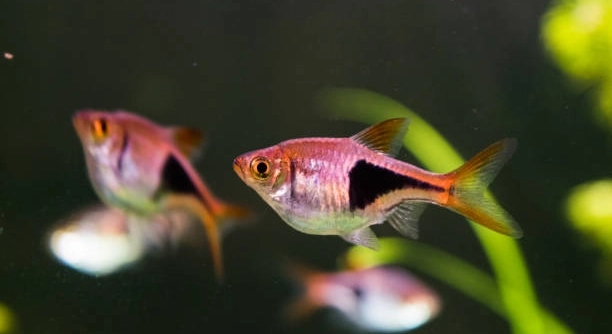
Do you ever find yourself caring for rasboras and wanting a calm, reliable feeding routine that supports their health, color, and behavior while keeping daily aquarium care simple and stress free for busy home aquariums
Effective daily feeding of rasboras relies on consistency, portion control, and varied nutrition. Providing small, regular meals with appropriate food types supports digestion, reduces waste, maintains water quality, and promotes growth, coloration, and long term vitality in captive aquarium environments.
Clear feeding habits influence health, behavior, and water conditions, setting the foundation for practical guidance that follows throughout this article.
Feed Small Portions Consistently
I feed my rasboras small portions at the same times each day because consistency keeps their bodies calm and predictable. Regular schedules help fish recognize feeding periods, reduce aggressive behavior, and support steady digestion. When food arrives evenly, rasboras spend less energy competing and more energy swimming naturally. Small portions prevent excess food from sinking and breaking down, which protects water clarity and oxygen levels. Overfeeding often leads to bloating and stress, while controlled feeding encourages balanced growth. I notice healthier coloration when meals remain modest and frequent. A measured approach also simplifies tank maintenance, reducing debris and filter strain. Daily consistency allows rasboras to thrive without sudden changes that can disrupt appetite, immune response, or overall comfort within a shared aquarium space. This routine builds trust between keeper and fish, creating a calm environment that supports long term stability and reliable feeding behavior across varied community tank settings consistently.
Feeding small amounts twice daily works best for most rasboras. This method limits waste, supports digestion, and keeps fish active without overwhelming their delicate stomachs or disrupting tank balance. I follow this practice to maintain steady energy levels and reduce maintenance demands while observing calmer feeding responses over time daily.
Portion size matters just as much as timing. I offer only what rasboras consume within two minutes. This prevents leftovers from settling into gravel or plants. Excess food breaks down quickly, raising ammonia and stressing fish. Smaller servings allow flexible adjustments based on activity, age, and tank population. Younger rasboras may need slightly more food, while adults benefit from restraint. Watching feeding behavior helps refine portions naturally. This approach supports stable water conditions, reduces cleaning frequency, and keeps fish comfortable. Careful portion control also improves long term health, growth consistency, and overall aquarium balance.
Offer a Varied and Appropriate Diet
Rasboras respond best to a diet that includes variety without excess. Rotating food types prevents nutritional gaps and keeps feeding behavior steady and predictable.
I rotate flakes, micro pellets, and occasional frozen foods to support balanced nutrition. Each option provides different proteins, fats, and vitamins needed for daily function. Variety encourages natural foraging behavior and improves coloration over time. I avoid feeding the same food continuously, which can limit nutrient intake. Frozen foods should remain occasional to prevent digestive strain. High quality commercial foods designed for small tropical fish work well as staples. Consistency in quality matters more than constant novelty. By observing how rasboras respond to each food type, I adjust frequency and portions carefully. This method supports digestion, immune strength, and stable energy levels while keeping feeding routines simple and manageable.
Match Food Size to Mouth Structure
I choose foods that fit a rasboras small mouth to avoid stress during feeding. Fine flakes and micro pellets allow easy swallowing, reduce spitting, and prevent wasted food. Proper sizing supports steady intake, smoother digestion, and calmer group behavior during daily meals in shared community tanks with mixed species present.
I pay attention to food texture because rasboras feed near the surface and mid water. Floating foods suit their natural habits, while sinking foods often go unnoticed. When food drifts slowly, fish feed without panic or crowding. I avoid large chunks that break apart unevenly. Consistent texture helps each fish eat evenly, limiting dominance by faster swimmers. This balance reduces stress and keeps weaker rasboras nourished. Matching food behavior to swimming level also limits debris settling below. Cleaner substrate means fewer water changes and steadier parameters, which supports long term health in well maintained home aquariums with routine care habits.
I also consider age and size differences within the group. Younger rasboras eat more frequently and benefit from finer foods. Adults require less but still need balanced nutrition. I watch slower fish closely and adjust feeding zones if needed. Spreading food across the surface prevents clustering. This ensures even access without competition. Observing subtle changes helps refine feeding choices over time. Appetite shifts often signal stress or water issues. Responding early keeps feeding predictable. This attentive approach improves survival, growth consistency, and overall harmony inside the aquarium for long term care success and stable community tanks at home setups everywhere.
Observe Feeding Behavior Daily
I observe feeding behavior daily to confirm all rasboras are eating well. Active but calm movement shows comfort. Chasing or hiding suggests imbalance. I look for leftovers after feeding, which signal portion errors. Regular observation helps catch issues early. Small adjustments protect water quality and fish health. This habit keeps routines steady and reduces sudden changes that disrupt appetite or social structure within mixed tanks over time with consistent care practices daily at home aquariums.
I use feeding time as a quick health check. Healthy rasboras respond quickly and eat smoothly. A fish that hesitates, spits food, or isolates may need attention. I adjust portions, food type, or timing rather than increasing quantity blindly. Feeding behavior reflects water conditions more than hunger alone. When patterns change, I test parameters and inspect filtration. Addressing the cause keeps feeding routines stable. Over time, this awareness builds confidence in care decisions. Feeding becomes less reactive and more intentional. Consistent observation supports long term success and reduces preventable losses in community aquariums. These habits create predictable systems that benefit fish longevity and keeper consistency across varied tank sizes and stocking levels without adding unnecessary effort daily during routine maintenance at home aquariums everywhere today.
Avoid Overfeeding Daily
I avoid overfeeding because rasboras process food quickly but suffer when excess accumulates. Too much food clouds water, strains filtration, and increases stress. Controlled feeding keeps digestion steady and reduces waste buildup. This habit protects fin condition, breathing patterns, and overall stability inside the aquarium over time for captive systems.
I measure portions carefully and never add more after fish stop showing interest. Leftovers sink fast and decay quietly. Feeding restraint lowers maintenance demands and keeps parameters predictable. When fish remain eager but calm, I know the balance is working for long term care in stable home aquarium setups daily.
Maintain a Consistent Feeding Schedule
I keep feeding times consistent because rasboras rely on routine to regulate appetite and activity. Predictable schedules reduce anxiety and aggressive competition. Fish learn when food arrives and wait calmly. Irregular timing often leads to frantic behavior and uneven intake. Consistency also helps me notice changes faster. When feeding response shifts, it signals stress, illness, or water imbalance. Morning and evening feedings work well for most tanks. Sticking to a schedule simplifies care, supports digestion, and stabilizes water quality. This structure benefits both fish health and daily maintenance habits across varied community aquariums with stable stocking levels long term success.
Limit Treats and Special Foods
I limit treats to occasional feedings because rich foods can disrupt digestion. Frozen and live options are useful but should not replace staples. Moderation prevents bloating and water issues. Careful use of treats maintains balance while still supporting natural feeding responses in small tropical species like rasboras kept daily carefully.
FAQ
How often should rasboras be fed each day?
Rasboras do best when fed once or twice daily in small portions. I stick to this schedule because it supports digestion and keeps behavior calm. Feeding more often usually adds waste without benefits. Feeding less often can cause stress or uneven growth. Consistency matters more than frequency. A regular routine helps rasboras recognize feeding times and respond predictably. This keeps water quality stable and reduces maintenance issues. In most home aquariums, twice daily feedings work well when portions remain controlled and appropriate for the tank size and population.
What is the best food type for rasboras?
High quality flakes or micro pellets designed for small tropical fish work best as daily staples. I prefer foods that float or sink slowly because rasboras feed near the surface and mid water. Occasional frozen foods like daphnia or brine shrimp can be added, but not daily. Variety supports balanced nutrition, but quality should remain consistent. Avoid large or hard foods that rasboras struggle to eat. Proper food choice improves coloration, energy levels, and overall health without complicating feeding routines.
Can rasboras be overfed easily?
Yes, rasboras can be overfed very easily. Their small size means they need less food than many keepers expect. I always feed only what they consume within two minutes. Excess food breaks down fast and harms water quality. Overfeeding often leads to bloating, lethargy, and stress. It also increases ammonia levels, which weakens immune systems. Controlled portions protect both fish and tank stability. Feeding less is safer than feeding more, especially in smaller aquariums with limited filtration capacity.
Should rasboras have fasting days?
An occasional fasting day can be helpful, especially in established tanks. I skip feeding once a week to give their digestive systems a break. This practice reduces waste buildup and helps prevent bloating. Healthy rasboras handle short fasts well. However, fasting should not replace proper portion control. Young or newly introduced fish may not need fasting days right away. Observation matters. If fish remain active and responsive, the routine is working. Fasting works best as a supplement to consistent feeding habits.
How do I know if my rasboras are eating enough?
I watch feeding behavior closely. Healthy rasboras approach food quickly, eat smoothly, and swim calmly afterward. Sunken bellies or constant chasing can signal problems. If some fish eat while others hide, portions or food distribution may need adjustment. I spread food across the surface to give everyone access. Appetite changes often reflect water quality issues rather than hunger alone. Regular observation during feeding times gives clear signals about whether intake is balanced and appropriate.
Do rasboras need live food to stay healthy?
Live food is not required for rasboras to stay healthy. I use it only occasionally. High quality prepared foods provide complete nutrition when chosen correctly. Live foods can encourage natural behavior, but they also add risk if overused. Frozen alternatives offer similar benefits with better control. Rasboras thrive without live food when daily feeding practices remain consistent and balanced. Simplicity often leads to better long term results and fewer problems in home aquariums.
Can feeding affect rasbora behavior?
Feeding habits strongly influence rasbora behavior. Irregular schedules often cause frantic swimming and competition. Consistent feeding promotes calm schooling and reduces aggression. I notice better group cohesion when portions stay small and predictable. Overfeeding can make fish sluggish, while underfeeding increases stress. Feeding routines shape daily activity patterns. When feeding is stable, rasboras swim more naturally and interact peacefully within the group. Behavior is often the first indicator of feeding issues.
Is it okay to feed rasboras and other fish together?
Yes, rasboras can be fed alongside other small community fish, but food choice matters. I select foods that suit the smallest mouths in the tank. Faster species may outcompete rasboras if food sinks too quickly. Spreading food across the surface helps. Observing mixed feeding ensures everyone eats. Adjustments may be needed based on tank dynamics. Proper planning keeps feeding fair and reduces stress in community setups.
Does feeding impact water quality directly?
Feeding directly affects water quality more than most factors. Uneaten food decays quickly and raises ammonia. I notice clearer water and steadier parameters when portions are controlled. Good feeding habits reduce filter strain and algae growth. Stable water quality supports immune strength and longevity. Feeding is one of the easiest areas to control, yet one of the most impactful. Careful feeding protects the entire aquarium system.
What should I do if rasboras stop eating?
When rasboras stop eating, I check water parameters first. Poor water quality often suppresses appetite. I also inspect temperature and filtration. Stress from tank changes or aggression can reduce feeding response. I avoid adding more food and focus on identifying the cause. Appetite usually returns once conditions stabilize. Feeding behavior is a reflection of environment health, not just hunger.
Final Thoughts
Daily feeding habits play a central role in how rasboras grow, behave, and adapt to their environment. Simple choices, such as portion size, food type, and timing, influence water quality just as much as filtration and maintenance routines. When feeding remains controlled and consistent, rasboras display calmer behavior, stronger coloration, and better overall balance. These outcomes are not the result of complex methods, but of steady practices repeated each day. Feeding becomes less about adding food and more about supporting stability. A thoughtful routine reduces stress for both fish and keeper, creating a predictable environment where small changes are easier to notice and correct. Over time, these habits form the foundation of a healthy aquarium system that remains manageable and reliable.
Observing rasboras during feeding offers insight that no test kit can replace. Their movement, appetite, and interaction patterns provide clear signals about comfort and health. Small adjustments made early often prevent larger issues later. Feeding routines also shape long term maintenance demands. When waste remains minimal, water changes become easier and parameters stay steady. This balance supports immune function and reduces the likelihood of disease. Feeding is one of the few aspects of aquarium care that can be refined daily without added cost or equipment. By paying attention and staying consistent, feeding becomes an effective tool rather than a source of uncertainty. This approach supports long term success without overcomplicating care.
A well fed rasbora is not defined by quantity, but by consistency and suitability. Simple foods, offered thoughtfully, meet their needs without excess. Treats and variety have value when used with restraint. The goal remains steady health rather than constant stimulation. Over time, these feeding practices create a rhythm that benefits the entire tank. Rasboras respond well to calm, predictable care, and feeding routines reflect that stability. Keeping things simple allows space for observation, learning, and confidence. With patience and consistency, feeding becomes a quiet but powerful part of maintaining a balanced aquarium where rasboras can thrive comfortably for years.

Hello,
If you enjoy the content that we create, please consider saying a "Thank You!" by leaving a tip.
Every little bit helps us continue crafting quality advice that supports the health, happiness, and well-being of pets around the world, for pets of all shapes, sizes, and species.
We really appreciate the kindness and support that you show us!