
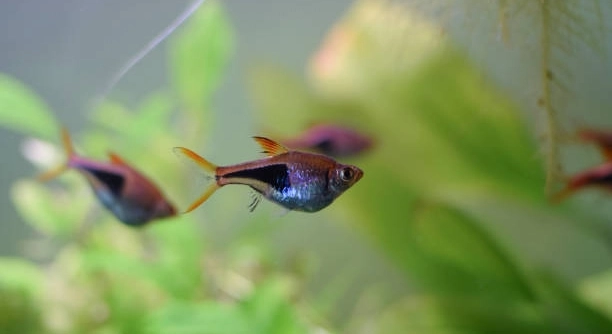
Rasboras are small, lively fish that thrive in community tanks. Moving them to a new aquarium can feel stressful for both the fish and the owner. Understanding their behavior helps make transitions smoother and safer for them.
Rasboras handle tank transitions best when changes are gradual, and water parameters are consistent with their previous environment. Sudden shifts in temperature, pH, or water chemistry can cause stress, illness, or unusual behavior, making careful acclimation essential.
Proper preparation and patience ensure that your rasboras adjust comfortably, reducing risks and promoting healthy activity in their new surroundings.
Preparing the New Tank
Setting up a new tank for rasboras requires careful attention to detail. First, ensure the tank is fully cycled and the water is clean. Filtration and aeration must be functioning well to provide oxygen and remove waste. Adding live plants and hiding spots helps reduce stress and creates a more natural environment. Water temperature should be consistent with their previous tank, ideally between 72 and 78 degrees Fahrenheit. Avoid sudden changes in pH or hardness, as rasboras are sensitive to water chemistry shifts. Lighting should be moderate, providing a day-night cycle that mimics natural conditions. Slowly introducing decorations and substrate will give the fish areas to explore and feel secure. Monitoring water quality daily during the first week is essential to detect any problems early. Using a thermometer, pH test kit, and ammonia test strips ensures that conditions remain stable. Preparing the tank well sets the foundation for healthy acclimation and minimizes stress.
Proper preparation makes the transfer smoother and helps the fish adjust to their new environment without unnecessary stress or health risks.
Even small changes, like adding new decorations or adjusting the filter, can impact rasboras. Gradual adjustments help them explore confidently and settle into their new home.
Acclimating Your Rasboras
Acclimating rasboras properly takes patience and observation. The water in the transport bag should gradually mix with the tank water over an hour.
Begin by floating the sealed bag in the tank to equalize temperature for about 15-20 minutes. Then, slowly add small amounts of tank water to the bag every 5 minutes. This process allows the fish to adjust to differences in pH, hardness, and other chemical parameters. Avoid pouring the bag water directly into the tank, as it may carry contaminants. Observe the fish closely for signs of stress, such as rapid gill movement or erratic swimming. Keep the tank lights dim during acclimation to reduce anxiety. After the process is complete, gently release the rasboras into the tank, giving them time to explore and find hiding spots. Continue monitoring behavior over the next few days, as full adjustment can take a week. Consistent feeding, regular water testing, and minimal disturbance help ensure that rasboras thrive in their new environment.
Monitoring Behavior After Transfer
Rasboras often show subtle signs of stress after a tank move. Watch for unusual hiding, rapid gill movement, or loss of appetite, as these indicate the need for careful observation.
Stress in rasboras can affect their immune system, making them more prone to illness. It’s important to observe swimming patterns, feeding habits, and interaction with other fish. Healthy rasboras are active, swim in small groups, and show curiosity. If you notice lethargy, clamped fins, or erratic swimming, it may be linked to water quality or acclimation speed. Regular water testing ensures parameters remain stable, reducing stress. Avoid sudden changes in temperature, light, or tank setup during the first week, as even minor disturbances can prolong adjustment. Proper observation and intervention help maintain the fish’s well-being and prevent long-term health issues.
Providing hiding spots and consistent feeding schedules encourages rasboras to explore and regain normal behavior. Gentle interaction and minimal disturbances during this period support a smoother adaptation.
Feeding Adjustments During Transition
Feeding rasboras during a tank move requires small, frequent meals. Avoid overfeeding, which can worsen stress or water quality.
Start with familiar foods, gradually introducing new options once they show regular appetite. Monitor for uneaten food to prevent decay and maintain water cleanliness. Live or frozen foods can stimulate interest and reduce stress. Feeding at consistent times helps establish a routine, giving the fish a sense of stability. Avoid sudden diet changes, as rasboras can be sensitive to unfamiliar foods, which may cause digestive issues or reluctance to eat. Incorporate high-quality flakes or pellets alongside occasional protein-rich treats to ensure a balanced diet. Keeping portions small and manageable encourages consumption without overwhelming the tank ecosystem, allowing the fish to focus on settling into their new environment comfortably.
Maintaining a consistent feeding plan and monitoring their reactions builds a predictable environment. Over time, rasboras adjust, showing improved activity, color, and social behavior, reflecting successful adaptation to the new tank.
Water Quality Checks
Maintaining water quality is critical after moving rasboras. Frequent testing for ammonia, nitrites, and nitrates ensures a safe environment. Small fluctuations can stress the fish and affect their health.
Regular partial water changes help stabilize parameters. Removing debris and uneaten food prevents harmful chemical buildup.
Adjusting Tank Environment
Light, temperature, and decoration placement can impact how rasboras adapt. Keep lighting moderate and consistent, avoiding sudden bright lights. Maintain stable water temperature between 72 and 78 degrees Fahrenheit. Rearranging decorations gradually allows the fish to explore without feeling threatened, providing hiding spots for security.
Regular observation helps identify any discomfort or stress. Rasboras may cluster in shaded areas or under plants initially. Gentle adjustments to flow from filters or the placement of new plants should be done incrementally. Ensuring oxygenation is adequate supports their activity and overall well-being. Monitoring behavior while making environmental tweaks ensures the fish remain comfortable and gradually become confident in their new surroundings.
Tank Companions
Compatible tank mates reduce stress and encourage natural schooling behavior. Choose peaceful fish that thrive in similar water conditions.
How long does it take for rasboras to adjust to a new tank?
Rasboras usually take a few days to a week to start behaving normally after a move. Some may adjust faster if water parameters closely match their previous environment. Observation during this period is important to spot stress signs and intervene if needed.
What signs show that my rasboras are stressed?
Common stress signs include hiding more than usual, clamped fins, erratic swimming, loss of appetite, and rapid gill movement. Coloring may fade temporarily. Early detection helps prevent illness, and adjusting water conditions or minimizing disturbances often reduces stress quickly.
Do I need to change their feeding schedule during acclimation?
It’s best to feed small amounts two to three times daily. Overfeeding can worsen stress or degrade water quality. Stick to familiar foods initially, gradually introducing new options only after they show regular appetite and activity.
Should I add water from the old tank to the new one?
Adding a small amount of old tank water during acclimation can help stabilize water chemistry and reduce stress. However, avoid transferring too much, as it may introduce contaminants or excessive waste. Gradual introduction is key.
Can I use a heater immediately after transfer?
Yes, but ensure the temperature matches their previous tank. Rasboras are sensitive to sudden changes, so gradually adjusting the heater prevents thermal shock. A stable 72-78°F is ideal for most species.
Is it normal for rasboras to hide a lot at first?
Yes. New surroundings can feel intimidating. Hiding under plants or decorations is natural and helps them feel secure. Over a few days, they should become more active as they grow accustomed to the environment.
How often should I test the water after a transfer?
Daily testing during the first week is recommended, focusing on ammonia, nitrites, and nitrates. Monitoring pH and temperature ensures the tank remains stable. Consistent testing prevents problems before they escalate.
Do rasboras need companions immediately after transfer?
Rasboras are schooling fish and feel safer in groups, but introducing companions gradually is safer if the tank is new. Avoid overcrowding, and ensure all fish tolerate similar water parameters and temperatures.
Can I clean the tank while rasboras are adjusting?
Avoid deep cleaning during the first few days. Light maintenance, like removing uneaten food or debris, is fine, but major changes can increase stress. Gradual care helps them settle comfortably.
What should I do if one rasbora seems sick after moving?
Isolate any fish showing signs of disease, such as lethargy, white spots, or unusual swimming. Check water parameters immediately and perform partial water changes. Observing the sick fish separately helps prevent spreading illness and allows targeted treatment.
How do I know if the water chemistry is right for rasboras?
Ideal parameters include a pH around 6.5-7.5, soft to moderately hard water, and consistent temperature between 72-78°F. Sudden shifts can stress fish, so gradual changes and careful monitoring are important for long-term health.
Can stress affect their color?
Yes, stressed rasboras may appear pale or dull. When conditions stabilize, they typically regain bright, natural coloration. Consistent feeding, stable water, and a calm environment help restore their appearance.
Are there foods that help reduce stress?
High-quality flakes or pellets with occasional live or frozen treats provide balanced nutrition and encourage feeding. Variety and proper portions support health, giving rasboras the energy to cope with environmental changes.
Should I keep the lights dim during the first few days?
Yes, dim lighting reduces stress and mimics a calm environment. Gradually returning to normal light levels encourages exploration without overwhelming the fish. Hiding spots under plants further support a sense of security.
What is the best way to acclimate multiple rasboras at once?
Float the transport bag for 15-20 minutes to equalize temperature. Slowly add small amounts of tank water over an hour, then gently release all fish together. Keeping them in a group helps maintain their natural schooling behavior.
Can sudden water changes cause long-term problems?
Yes, abrupt shifts in temperature, pH, or hardness can weaken their immune system and lead to illness. Always introduce changes gradually and monitor behavior to ensure recovery and comfort in the new tank.
How often should I observe them during the first week?
Frequent observation, several times daily, helps spot stress or abnormal behavior quickly. Note swimming patterns, appetite, and interactions with tank mates. Early detection of issues ensures rapid corrective actions and prevents complications.
Is it necessary to rearrange the tank decorations after moving in rasboras?
Not immediately. Rearranging can stress fish. Wait until they explore and settle before making changes. Gradual adjustments help them feel secure while still keeping the environment stimulating and engaging.
Can they adjust if the tank water is slightly different from their old tank?
Yes, but it’s better if differences are minor. Gradual acclimation, including mixing small amounts of old water, allows their bodies to adapt to new chemistry without shock or illness.
What if one rasbora hides constantly while others explore?
Some individuals are naturally shy. Provide extra hiding spaces and avoid disturbing the tank. Over time, even timid fish often become more active as confidence grows in a stable environment.
Are temperature fluctuations the biggest concern during transfer?
Temperature is critical, but pH, hardness, and ammonia levels are equally important. Maintaining all parameters within safe ranges reduces stress, prevents illness, and ensures successful adaptation to the new tank.
How long should I wait before adding new tank mates?
Wait at least one to two weeks to ensure rasboras are comfortable and water parameters are stable. Adding new fish too early can increase stress and trigger territorial or aggressive behavior.
Do rasboras react to noise or vibrations during adjustment?
Yes, loud noises or sudden vibrations can startle them and increase stress. Keeping the environment calm and avoiding frequent tapping or handling supports a smoother transition and promotes natural behavior.
Can I use water conditioners immediately after moving them?
Yes, water conditioners that remove chlorine or chloramine are safe and help reduce stress. Avoid adding excessive chemicals, and follow instructions carefully to maintain balanced water conditions for the fish.
Is it normal for rasboras to eat less in the first few days?
Yes, reduced appetite is common during adjustment. Continue feeding small portions at regular times. Appetite usually returns once they feel secure and accustomed to the new tank.
How can I tell if the acclimation process was successful?
Healthy rasboras will swim actively, feed well, and interact with their school. Colors should appear vibrant, and hiding should decrease over time. Consistent behavior over the first week indicates a smooth transition.
What is the biggest mistake owners make during tank transfers?
Rushing the process, such as adding fish directly without acclimation or making sudden water changes, often leads to stress, illness, or even death. Patience, careful monitoring, and gradual adjustments ensure their well-being and long-term health.
Are live plants helpful during adjustment?
Yes, live plants provide hiding spots, improve water quality, and reduce stress. They create a natural environment that encourages exploration and schooling while making the tank feel safer for newly transferred rasboras.
How important is water flow in the new tank?
Moderate water flow is ideal. Too strong a current can stress rasboras, while stagnant water may reduce oxygen levels. Adjusting filter output and observing their swimming behavior ensures comfort and proper acclimation.
Can rasboras recover quickly if stressed?
Yes, if water parameters are stable, feeding is consistent, and disturbances are minimized. Most rasboras regain appetite, activity, and coloration within a few days to a week after proper acclimation measures.
What steps prevent illness after transfer?
Regular water testing, partial water changes, consistent feeding, hiding spots, and gradual acclimation reduce the risk of disease. Observing behavior daily allows early intervention if problems arise, supporting a healthy, thriving school of rasboras.
Do I need to quarantine new fish before adding them?
Quarantining is recommended. It prevents the introduction of diseases into the main tank. A separate tank for observation and treatment before mixing with established fish keeps all rasboras safe and healthy.
How does tank size affect adjustment?
Larger tanks provide more space, hiding spots, and stable water conditions, helping rasboras feel secure. Smaller tanks may increase stress due to limited space and faster parameter changes, requiring more careful monitoring.
Are certain rasbora species harder to acclimate than others?
Some species, like the harlequin rasbora, are generally hardy, while others may be more sensitive to water chemistry or temperature fluctuations. Researching species-specific needs helps ensure smooth adaptation and reduces stress during tank transitions.
How often should I interact with the tank during acclimation?
Minimal disturbance is best. Observe from a distance to monitor behavior and water conditions. Avoid tapping the glass, moving decorations, or sudden changes that could stress the fish.
Can I mix rasboras with other schooling fish immediately?
Only if water parameters match and all species are peaceful. Introduce them gradually to avoid competition for space or food, reducing stress and allowing natural schooling behavior to develop.
Is it okay if rasboras hide more than usual at night?
Yes, nocturnal hiding is normal. As long as they are active during daylight hours and feeding normally, this behavior is not a concern. Providing plants and shaded areas encourages natural rest patterns.
How long should the first observation period last?
At least the first week, with frequent short checks daily. Look for normal swimming, schooling, feeding, and coloration. Continuous observation ensures early detection of stress or water-related issues, supporting a smooth adjustment.
Do rasboras need extra oxygen during transfer?
Not usually, as long as the bag or temporary container is not overcrowded. Ensure the water is well-oxygenated and avoid sealing for extended periods. Gentle aeration in the new tank supports recovery.
Can they forget previous feeding habits?
Stress may reduce appetite temporarily, but rasboras generally return to their normal diet once comfortable. Maintaining familiar foods and consistent feeding schedules helps preserve healthy habits during adjustment.
What if one rasbora refuses food while others eat?
This can happen with shy or stressed individuals. Keep offering small portions and ensure hiding spaces are available. Appetite usually returns once the fish feels secure and confident in the new tank.
Are partial water changes more important after a move?
Yes, they help maintain stable parameters and remove any waste from the transition. Frequent small changes are better than large sudden ones, which can cause additional stress.
Can temperature swings at night affect their acclimation?
Yes, fluctuations outside 72-78°F can stress rasboras and reduce immunity. Using a reliable heater and monitoring night temperatures ensures consistent conditions, promoting faster recovery.
How do I encourage schooling behavior after a move?
Keeping rasboras together, providing open swimming space, and minimizing disturbances encourages natural schooling. Plants and gentle flow create a comfortable environment that promotes group cohesion and confidence.
Should I remove any fish that seem aggressive during the adjustment period?
Yes, aggressive tank mates can stress newly transferred rasboras. Separate or rearrange fish if necessary to maintain calm conditions and allow the new arrivals to acclimate safely.
Can sudden lighting changes cause hiding or stress?
Yes, bright lights or sudden changes can frighten rasboras. Gradual adjustments and dimmed lighting during the first few days help them explore safely and feel secure.
How do I know when acclimation is complete?
When rasboras swim actively, feed regularly, display normal coloration, and interact naturally with the group, the acclimation period is effectively complete. Consistent monitoring ensures ongoing health.
Do live food supplements help reduce stress?
Yes, live or frozen foods encourage feeding, stimulate natural behavior, and provide extra nutrition. They can help rasboras regain appetite and energy during the first days in a new tank.
Can stress impact their long-term health?
Chronic stress weakens the immune system and can make rasboras more prone to disease. Maintaining stable water, hiding spots, consistent feeding, and minimal disturbances reduces long-term risks and supports healthy adaptation.
Is it normal for rasboras to cluster in one area initially?
Yes, clustering near plants or decorations is a natural stress response. As they become comfortable, they gradually spread out and explore the tank more actively.
How often should I check for leftover food?
After each feeding, monitor uneaten food to prevent decay and maintain water quality. Removing leftovers reduces ammonia buildup, helping rasboras remain healthy and stress-free.
Do decorations need to be rearranged after acclimation?
Rearrangement can be done gradually once fish are comfortable. Sudden changes may stress them, so incremental adjustments ensure continued confidence and natural behavior.
Can I use air stones to help during transition?
Yes, gentle aeration increases oxygen and reduces stress. Avoid strong currents, which may tire or frighten the fish, especially during the first days in a new tank.
What is the best way to track stress levels?
Observe behavior daily, including swimming, hiding, and feeding. Track changes in coloration and fin condition. Keeping notes helps identify patterns and allows timely intervention if stress persists.
Can stress from moving affect breeding behavior?
Yes, rasboras may delay spawning until fully comfortable. Providing stable water, hiding spots, and minimal disturbances encourages natural behavior and eventually supports breeding once stress subsides.
How can I make the acclimation easier for future moves?
Maintain stable water parameters, minimize sudden changes, and provide hiding spots in both tanks. Gradual acclimation and consistent feeding routines reduce stress and help fish adapt more quickly in subsequent transfers.
Are certain times of day better for moving rasboras?
Morning or late afternoon is ideal. Avoid midday when bright light and higher temperatures can increase stress. Choosing a calm period reduces anxiety and promotes smoother adjustment.
Do rasboras need monitoring after the first week?
Yes, continue checking behavior, feeding, and water quality. While initial adjustment may be complete, subtle issues can appear later. Regular observation ensures long-term health and comfort.
Can overcrowding worsen stress during acclimation?
Yes, too many fish in a small tank increases competition, reduces hiding spaces, and accelerates waste buildup. Maintain appropriate stocking levels to support a calm, healthy environment.
How long does it take for coloration to return fully?
Usually a few days to a week after settling. Vibrant colors indicate comfort, good nutrition, and proper water conditions, signaling that stress has been reduced and adaptation is successful.
Are there any tools to help monitor stress effectively?
Observation is the most reliable method. Supplement with water test kits, thermometers, and careful record-keeping. Tracking changes in behavior and water conditions helps prevent stress-related issues.
What should I avoid doing during acclimation?
Do not overfeed, rearrange decorations abruptly, introduce aggressive fish, or change water parameters suddenly. Avoid tapping the glass or sudden lighting shifts, as these can heighten stress and prolong adjustment.
How do I know if hiding is normal or a problem?
Hiding is normal in the first days. Persistent hiding with reduced feeding, pale coloration, or erratic swimming indicates stress or illness. Adjust water conditions, provide hiding spots, and monitor closely.
Can partial water changes improve stress recovery?
Yes, small, frequent water changes stabilize chemistry, remove waste, and maintain oxygen levels. Gradual changes prevent shocks and promote comfort, supporting faster acclimation and long-term health.
Are some rasboras more sensitive than others?
Yes, individual temperament and species affect stress tolerance. Shy fish may hide longer, while hardy species adapt faster. Observing each fish individually helps tailor care during transition.
Should I remove uneaten food immediately?
Yes, leftover food can decay quickly, increasing ammonia and nitrites. Removing it promptly protects water quality and reduces stress on the fish during adjustment.
How important is social behavior during acclimation?
Social behavior, like schooling, indicates comfort. Isolated or shy fish may need extra hiding spots and minimal disturbance. Encouraging group interaction helps rasboras regain confidence and reduce stress.
Do temperature swings affect long-term health?
Yes, repeated fluctuations weaken the immune system, increasing disease risk. Stable water conditions are crucial for both short-term acclimation and long-term well-being.
Can I use tank covers to reduce stress?
Partial covers can reduce light intensity and create a sense of security. Avoid complete darkening, as natural day-night cycles are important for activity and feeding routines.
How do I prevent aggression in a new tank?
Select peaceful, compatible tank mates, provide enough space and hiding spots, and introduce new fish gradually. Aggression increases stress and can impact the adjustment of rasboras.
What if water chemistry changes unexpectedly?
Perform partial water changes and adjust parameters gradually. Sudden shifts can stress rasboras and increase disease risk, so careful monitoring is essential for recovery.
Are floating plants helpful during acclimation?
Yes, they provide shade, reduce bright light, and create hiding spots. Floating plants help rasboras feel safe while exploring and settling into their new environment.
Can stress cause illness after moving?
Yes, weakened immunity from stress can make fish vulnerable to infections. Maintaining stable water, hiding spaces, and consistent feeding minimizes health risks during transition.
Is it normal for rasboras to explore less at first?
Yes, cautious exploration is expected. As they feel secure, activity increases. Providing plants, hiding spots, and gentle water flow encourages gradual movement and natural behavior.
Should I track water temperature continuously?
Yes, consistent temperature is vital. Use a reliable thermometer and monitor daily to prevent fluctuations that can stress rasboras and impact health during and after acclimation.
How can I tell if they are eating enough?
Observe daily feeding behavior and leftover food. Healthy rasboras consume small portions consistently. Appetite returning to normal indicates adaptation and reduced stress.
Can acclimation techniques differ for each species?
Yes, some rasboras are more sensitive to water chemistry or temperature. Researching species-specific needs ensures smoother transitions and minimizes stress during tank moves.
Are short acclimation periods risky?
Yes, rushing acclimation increases stress, weakens immunity, and can cause illness. Gradual introduction to new water conditions and careful monitoring are essential for safe transitions.
How can I support shy individuals?
Provide extra hiding spaces, minimize disturbances, and maintain a consistent routine. Shy rasboras usually become more confident over several days when they feel secure and unthreatened.
Do all rasboras respond the same to tank changes?
No, individual behavior varies. Some adapt quickly, while others hide or show stress longer. Monitoring each fish ensures proper care and supports overall group health.
**Can sudden noise impact feeding?
Moving rasboras to a new tank can feel overwhelming at first, but with careful preparation, it doesn’t have to be stressful for the fish or the owner. Ensuring the water is stable, the temperature is consistent, and the environment is safe makes a big difference. Rasboras are small, sensitive fish, and they respond quickly to changes in water chemistry, lighting, and surroundings. Taking the time to set up their new home properly helps them adjust more comfortably. Providing hiding spots, live plants, and gentle water flow creates a familiar environment that encourages natural behavior. Even small details, like avoiding sudden bright lights or tapping on the glass, reduce stress and make the fish feel secure.
Acclimating rasboras is just as important as preparing the tank. Gradual introduction to the new water, using small amounts of tank water mixed over time, helps their bodies adjust to pH, hardness, and temperature differences. Watching how they behave during this process is essential. Healthy rasboras will gradually start swimming more, exploring the tank, and showing normal feeding habits. Signs of stress, such as clamped fins, rapid gill movement, or excessive hiding, indicate that adjustments may be needed. Consistent observation, combined with small water changes and proper feeding, ensures that the fish remain healthy throughout the transition period. Patience is key, as each fish may adapt at its own pace.
Long-term care after a move is equally important. Maintaining stable water parameters, regular feeding, and a calm environment supports the fish’s immune system and overall well-being. Over time, rasboras regain their vibrant colors, confidence, and natural schooling behavior, which are signs that they have fully settled into their new home. Gradual adjustments to decorations, gentle introduction of tank mates, and continued monitoring of water quality prevent future stress and help the fish thrive. By understanding their needs and paying attention to small details, transferring rasboras becomes a manageable process. Careful planning and observation ensure that the fish remain healthy, active, and comfortable, making the experience rewarding for both the fish and the owner.

Hello,
If you enjoy the content that we create, please consider saying a "Thank You!" by leaving a tip.
Every little bit helps us continue crafting quality advice that supports the health, happiness, and well-being of pets around the world, for pets of all shapes, sizes, and species.
We really appreciate the kindness and support that you show us!