
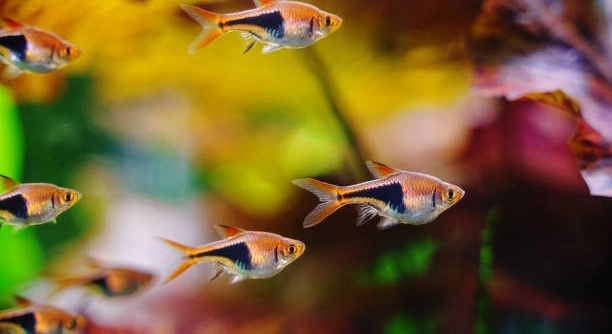
Rasboras are small, lively fish that brighten any aquarium with their graceful swimming and shimmering colors. They are usually peaceful and predictable, making them a favorite among hobbyists who enjoy observing their subtle behaviors.
Sudden twitching in rasboras is primarily caused by stress, poor water conditions, or internal parasites. Environmental changes, such as fluctuating temperature or ammonia spikes, can trigger involuntary muscle contractions, while infections may also provoke this rapid, erratic movement.
Recognizing the cause behind these twitches is essential for maintaining a healthy tank and keeping your rasboras comfortable and active. Observing patterns can prevent further complications and ensure their long-term well-being.
Understanding Stress in Rasboras
Stress is one of the main reasons rasboras twitch suddenly. Changes in their environment, such as new tank mates, sudden water temperature shifts, or moving the aquarium, can create tension. Overcrowding or aggressive fish nearby can also make them nervous. When stressed, rasboras may dart quickly, twitch repeatedly, or hide more than usual. Poor water quality, including high ammonia or nitrite levels, further worsens stress. It is important to maintain stable water parameters, consistent temperature, and provide enough hiding spaces with plants or decorations. Even small disturbances, like tapping on the glass or frequent rearrangement, can increase stress. Regular monitoring of tank conditions and gentle handling help reduce these reactions. Stress in rasboras not only affects their behavior but can also weaken their immune system, making them more prone to disease. Observing their patterns carefully allows you to identify and reduce sources of stress promptly.
Proper tank setup and minimal disturbances significantly lower stress and help rasboras swim calmly without sudden twitches.
Monitoring water quality, spacing fish appropriately, and limiting disturbances create a calmer, healthier environment for your rasboras to thrive, preventing stress-related twitching.
Water Quality and Its Impact
Water quality directly influences rasboras’ health. Poor filtration, sudden chemical changes, or high ammonia levels can cause twitching.
Maintaining clean water, regular testing, and gradual adjustments are essential to prevent stress-induced behaviors.
Rasboras are highly sensitive to water conditions, and even small fluctuations can trigger sudden movements. Unstable pH, improper temperature, or excess waste compounds stress quickly, leading to twitching or erratic swimming. Regular water changes, efficient filtration, and careful monitoring of chemical levels reduce these issues. Observing your fish after any water adjustment helps identify potential problems early. Introducing new water slowly and ensuring it matches the tank’s temperature and chemistry prevents sudden shocks. Overfeeding should also be avoided, as decomposing food can raise toxins. Properly maintaining tank hygiene is a straightforward way to keep your rasboras healthy, calm, and active. When water parameters are consistent, rasboras display normal behavior, making their twitching a rare occurrence. Keeping the environment stable supports their immune system and overall longevity, ensuring your tank remains a peaceful and vibrant habitat.
Parasites and Infections
Internal parasites or bacterial infections can cause rasboras to twitch suddenly. These health issues often result in erratic swimming, loss of appetite, or clamped fins. Prompt detection and treatment are essential to prevent worsening conditions.
Parasites, such as protozoans, attach to the fish’s digestive tract or gills, causing discomfort and irregular movements. Infected rasboras may scratch against objects or exhibit rapid fin fluttering. Bacterial infections, often arising from poor water quality or stress, can also trigger involuntary twitching. Quarantining affected fish and using appropriate medications help control the spread. Maintaining cleanliness, balanced nutrition, and minimizing stress are key to preventing infections. Observing daily behavior is crucial for early identification.
Early intervention ensures the affected rasboras recover quickly and reduces the risk of spreading parasites or infections to other tank inhabitants. Consistent monitoring and preventive care make a significant difference in overall fish health.
Feeding Practices
Overfeeding or sudden changes in diet can lead to twitching in rasboras. Uneaten food decays and affects water quality, stressing the fish and triggering muscle spasms.
Feeding small, controlled portions multiple times a day helps maintain healthy digestion and reduces leftover food in the tank. Rapid diet changes may shock the fish’s system, causing temporary twitching or hyperactivity. Nutritionally balanced flakes or pellets, supplemented with occasional live or frozen foods, support steady growth and reduce stress-induced behavior. Observing how the fish react to new foods allows adjustments without overwhelming their digestive system. Avoiding overfeeding and sticking to a regular feeding schedule prevents sudden twitches and promotes overall health.
Proper feeding routines, combined with consistent water quality monitoring, provide a stable environment. This reduces stress, prevents digestive issues, and keeps rasboras active without erratic movements. Paying attention to portion sizes, food type, and feeding frequency ensures the fish remain comfortable, minimizing involuntary twitching while supporting natural behavior and vitality.
Tank Environment
Sharp decorations or rough substrates can cause rasboras to twitch when they bump or scrape against them. Smooth surfaces and carefully placed decorations reduce accidental injury and stress.
Strong water currents may also make rasboras swim erratically. Adjusting flow and providing calm zones helps minimize sudden twitching.
Temperature Fluctuations
Rasboras are sensitive to sudden changes in water temperature. Rapid heating or cooling stresses their system, leading to involuntary twitching. Maintaining a stable, appropriate temperature with a reliable heater or thermometer prevents these movements. Regular monitoring ensures consistency and protects the fish from thermal shock.
Chemical Exposure
High levels of chlorine, heavy metals, or cleaning chemicals in the tank water can provoke twitching in rasboras. Using treated water and avoiding contamination ensures a safer environment and keeps the fish calm.
FAQ
Why do my rasboras twitch suddenly even in a clean tank?
Even in clean tanks, sudden twitching can occur due to minor stressors like subtle temperature changes, strong currents, or new tank decorations. Rasboras are sensitive to environmental shifts. Observing their behavior after adjustments can help pinpoint the exact cause and prevent repeated twitching.
Can overfeeding cause my rasboras to twitch?
Yes, overfeeding can lead to leftover food decomposing in the tank, affecting water quality. Poor water conditions stress rasboras, causing twitching. Feeding small portions regularly and removing uneaten food keeps their environment stable and reduces erratic movements.
Are twitching rasboras always sick?
Not always. Twitching can result from temporary stress, sudden changes in the tank, or minor environmental disturbances. However, frequent twitching combined with other signs like clamped fins, loss of appetite, or unusual swimming patterns may indicate parasites or bacterial infections.
How can I tell if parasites are causing twitching?
Parasites often produce additional symptoms like scratching against objects, rapid fin fluttering, or lethargy. Observing these signs alongside twitching is crucial. Quarantining affected fish and treating them with appropriate medication prevents the spread to other tank inhabitants.
Does water temperature affect twitching?
Absolutely. Sudden increases or decreases in water temperature can stress rasboras, causing involuntary twitching. Maintaining a stable temperature with a reliable heater or thermometer ensures they remain comfortable and active. Gradual adjustments are essential when changing water.
Can tank mates cause twitching?
Aggressive or overly active fish nearby can stress rasboras, leading to sudden twitching. Ensuring compatible species and providing hiding spaces or plants helps reduce tension and promotes calm behavior.
What role does diet play in preventing twitching?
A consistent, balanced diet supports digestive health and reduces stress. Abrupt changes in food type or overfeeding can trigger twitching. Offering high-quality flakes or pellets, occasionally supplemented with live or frozen food, keeps rasboras healthy and active.
How important is water quality for preventing twitching?
Water quality is critical. High ammonia, nitrite, or nitrate levels, along with sudden chemical changes, stress rasboras. Regular testing, proper filtration, and gradual water changes help maintain a stable environment, reducing twitching incidents.
Are there signs that twitching indicates a serious problem?
Yes, persistent twitching combined with clamped fins, unusual spots, faded colors, or lethargy may indicate infections or parasites. Immediate attention, quarantine, and treatment are necessary to protect the affected fish and the rest of the tank.
How can I prevent twitching long-term?
Maintaining stable water conditions, consistent feeding, gentle handling, and stress-free tank setups prevent most twitching. Regular observation, careful introduction of new fish, and prompt response to early signs of distress ensure rasboras remain healthy and active over time.
Can decorations or tank setup influence twitching?
Yes, sharp edges, rough substrates, or strong currents can trigger sudden movements. Smooth decorations, proper flow control, and sufficient hiding spaces minimize accidental bumps, providing a safe environment where rasboras swim naturally without involuntary twitching.
Is twitching more common in younger rasboras?
Younger rasboras may twitch more frequently as they adjust to their environment. Their smaller size and higher activity levels make them sensitive to stressors. With proper care, stable water, and gradual acclimation, these twitches usually decrease over time.
Does lighting affect twitching?
Bright or sudden changes in lighting can startle rasboras, causing twitching. Gradual adjustments, consistent day-night cycles, and shaded areas in the tank help reduce stress-induced movements.
Final Thoughts
Rasboras are small, delicate fish that add life and color to any aquarium. Their sudden twitching can be alarming, but it is often a signal that something in their environment needs attention. Observing your fish closely is the first step to understanding these behaviors. Stress, poor water quality, and sudden changes in the tank are common reasons for twitching. Even minor disturbances, like a new decoration or a slight temperature shift, can affect their behavior. Maintaining a calm and stable environment is essential. Providing hiding spaces, controlling water flow, and keeping tank mates peaceful helps minimize stress. Regular monitoring of water parameters, such as ammonia, nitrites, nitrates, and pH levels, ensures the fish remain comfortable and healthy. Proper filtration, frequent water changes, and avoiding overcrowding are simple but effective ways to create a safe environment.
Feeding practices also play a significant role in preventing twitching. Overfeeding or sudden changes in diet can stress rasboras and affect water quality. Feeding small, consistent portions and removing uneaten food keeps the tank clean and helps maintain their health. Offering a balanced diet of high-quality flakes or pellets, with occasional live or frozen foods, supports proper digestion and energy levels. Observing how your fish react to new foods is important for detecting any digestive issues early. Nutritional stability reduces the likelihood of twitching caused by internal discomfort. Additionally, preventing parasite infestations and infections through careful monitoring and quarantine procedures is key. If a rasbora exhibits persistent twitching alongside other signs, such as clamped fins, loss of appetite, or unusual spots, it may require treatment. Early detection and prompt action can prevent more serious health issues and protect the rest of the tank.
Creating a consistent routine and paying close attention to environmental factors helps ensure your rasboras remain calm and active. Maintaining stable water temperatures, proper lighting, and a stress-free tank setup prevents unnecessary twitching and promotes overall well-being. Smooth decorations, gentle water flow, and minimal disturbances contribute to a safe space where rasboras can swim naturally. By observing patterns and responding to small changes promptly, you can address potential problems before they escalate. Supporting their health through proper diet, water maintenance, and a carefully structured environment allows your rasboras to thrive. Understanding the causes behind twitching empowers you to take simple steps that enhance their comfort and longevity. A well-maintained tank not only reduces erratic movements but also encourages natural, healthy behavior, ensuring your rasboras remain vibrant and active for years to come.

Hello,
If you enjoy the content that we create, please consider saying a "Thank You!" by leaving a tip.
Every little bit helps us continue crafting quality advice that supports the health, happiness, and well-being of pets around the world, for pets of all shapes, sizes, and species.
We really appreciate the kindness and support that you show us!