
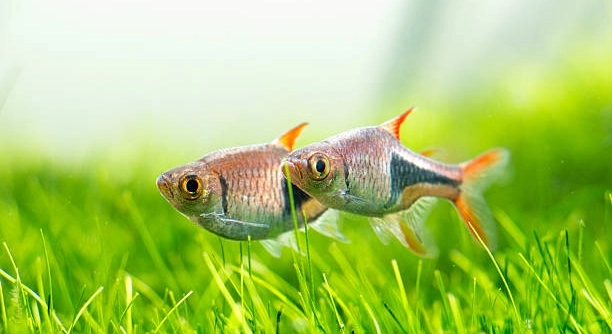
Do your rasboras seem restless or hide more than usual in your aquarium? Many hobbyists notice changes in their behavior when lighting conditions are altered. Strong tank lighting can impact both their activity and comfort levels in subtle ways.
Rasboras generally prefer moderate to low lighting rather than strong illumination. Excessive brightness can cause stress, reduce their natural activity, and lead to hiding behavior. Maintaining a balanced light level supports their overall well-being and natural behavior patterns.
Understanding how lighting affects their behavior is important for creating a comfortable environment. Small adjustments can improve both their health and the enjoyment of your tank.
How Strong Lighting Affects Rasbora Behavior
Strong lighting can make rasboras feel exposed and uneasy. In brightly lit tanks, they often spend more time hiding among plants or decorations. Excessive light can disrupt their natural swimming patterns and reduce interaction with other fish. Rasboras are naturally small and timid, so overly bright environments can increase stress and affect their overall health.
Stress from strong lighting may lead to reduced appetite or lethargy. A dimmer environment helps them feel secure and active.
Finding the right light balance is essential. Moderate lighting encourages normal swimming and allows colors to show without causing stress. Using floating plants or shaded areas can give rasboras places to retreat, mimicking their natural habitat. Adjusting the light gradually rather than abruptly can prevent shock, letting the fish acclimate comfortably. Observing their response over several days helps determine the ideal brightness. By creating a gentle, well-lit environment, their natural behavior and vitality are maintained.
Tips for Adjusting Tank Lighting
Start by reducing the intensity of your tank lights.
Gradually adjusting lighting over a week allows rasboras to adapt. Using timers ensures consistent day and night cycles, which helps regulate their internal rhythm. Positioning plants and décor to create shaded areas gives them options to hide without feeling stressed. Avoid placing the aquarium where direct sunlight hits, as this can increase light intensity and cause temperature fluctuations.
Moderate lighting not only supports comfort but also enhances the colors of your rasboras. Too much light may encourage algae growth, which can affect water quality and make the tank harder to maintain. Observing their activity patterns daily provides clues about whether the light level is appropriate. If they stay hidden for long periods or appear sluggish, further adjustment may be needed. Consistency is key; sudden changes can upset their routine. Ultimately, creating a balanced environment benefits both the fish and the overall appearance of the tank, promoting health and vitality without unnecessary stress.
Ideal Lighting Conditions for Rasboras
Rasboras thrive under moderate lighting that mimics their natural habitat. Too bright or harsh lights can make them nervous, while dimmed lights promote activity and social behavior. Using adjustable LED lights helps create the right balance without overwhelming them.
Providing moderate, even lighting encourages rasboras to swim freely and interact. Floating plants or leafy decorations can diffuse light, creating shaded areas where they feel safe. Natural light cycles help regulate their internal rhythms, reducing stress and improving overall health. By monitoring their reactions to different light levels, you can determine the ideal setting for your tank without disrupting their environment.
A balanced approach also benefits tank aesthetics. Moderate lighting enhances the vivid colors of rasboras without promoting excessive algae growth. Shaded zones prevent constant exposure, giving them control over where they feel comfortable. Combining soft illumination with strategically placed plants creates a visually appealing, stress-free environment that supports their well-being and natural behavior patterns.
Signs Rasboras Are Stressed by Light
Hiding excessively or staying at the bottom often indicates discomfort.
Rasboras may become lethargic, lose appetite, or display faded colors if lighting is too strong. Stress can cause erratic swimming or constant darting, signaling that the environment feels unsafe. These signs often appear gradually, making careful observation important for early intervention.
Long-term exposure to bright lighting can weaken immune responses, making them more prone to disease. Adjusting light intensity gradually while adding shaded areas encourages them to regain normal activity. Floating plants, driftwood, or decorations provide shelter and reduce direct exposure. Monitoring their behavior over several days helps confirm whether changes are effective. A consistent, gentle lighting routine supports health, maintains natural color, and encourages normal swimming patterns.
Adjusting Light Gradually
Sudden changes in lighting can stress rasboras. Gradually increasing or decreasing brightness allows them to adapt without panic. Small daily adjustments help maintain comfort while preventing shock.
Using a timer ensures a consistent day-night cycle. Predictable lighting supports natural behavior and reduces anxiety, keeping the fish active and healthy.
Choosing the Right Bulb
LED bulbs with adjustable intensity are ideal for rasbora tanks. They offer energy efficiency and customizable brightness, allowing precise control over light levels. Selecting bulbs that provide soft, natural tones can enhance both the fish’s comfort and their vibrant coloration.
Creating Shaded Areas
Providing plants, rocks, or driftwood creates shaded zones where rasboras can retreat. These areas reduce stress, encourage natural behavior, and give the fish a sense of security.
Monitoring Fish Behavior
Regular observation is essential. Noting changes in swimming, hiding, or feeding patterns helps identify if lighting adjustments are working or if further modifications are needed.
FAQ
Do rasboras need strong lighting to show their colors?
Rasboras do not require strong lighting to display their natural colors. Moderate lighting enhances their appearance while keeping them comfortable. Overly bright lights can stress the fish, causing colors to fade temporarily. Using adjustable LED lights allows you to maintain vibrancy without overwhelming them. Soft, even lighting is generally sufficient.
How long should the tank lights stay on each day?
A consistent 8 to 10-hour light cycle works well for rasboras. Using a timer helps maintain regularity, which supports their natural rhythms. Too much light can increase stress and promote algae growth. Dimmed or diffused lighting during the day can reduce tension while still allowing the fish to display their natural behaviors.
Can strong lighting harm rasboras long-term?
Yes, prolonged exposure to bright lights can lead to chronic stress. Stress can affect appetite, immune response, and overall activity. Fish may hide constantly, swim erratically, or lose color over time. Providing shaded areas and gradually adjusting lighting intensity helps prevent long-term effects while allowing them to thrive in the tank.
Are floating plants helpful for lighting management?
Floating plants are very effective at diffusing light. They create shaded areas that rasboras can retreat to, reducing stress. Plants also contribute to water quality and create a more natural environment. Combining soft lighting with strategically placed floating plants ensures a balance between illumination and comfort.
What type of bulbs are best for a rasbora tank?
LED bulbs are ideal because they offer adjustable intensity and energy efficiency. Choosing bulbs with natural, soft tones helps highlight the fish without overwhelming them. Avoid overly harsh or cold-toned lighting, which can increase stress. Adjustable LEDs also make it easy to fine-tune the environment according to the fish’s behavior.
How do I know if my rasboras are stressed by light?
Signs include hiding excessively, lethargy, faded colors, or erratic swimming. Reduced feeding and staying at the tank bottom are also indicators. Observing their daily behavior allows you to identify stress early and make lighting adjustments. Gradual changes and shaded areas help them feel secure and encourage normal activity.
Is direct sunlight harmful to the tank?
Direct sunlight can increase light intensity and cause temperature fluctuations, which may stress rasboras. It also promotes algae growth, which can affect water quality. Positioning the tank away from direct sunlight and relying on controlled artificial lighting helps maintain a stable, comfortable environment for the fish.
Can rasboras adapt to different light intensities?
Yes, they can adapt if changes are gradual. Sudden increases or decreases in brightness can cause stress. Slowly adjusting the light over several days and providing shaded areas allows them to acclimate naturally, supporting health and maintaining normal behavior. Consistency is key for long-term comfort and well-being.
Do rasboras prefer specific colors of light?
Soft, natural tones are best for comfort and color display. Avoid overly bright white or blue lights, which can make the fish nervous. Warm, balanced lighting creates a calm environment and enhances the tank’s aesthetics while keeping the fish stress-free.
How can I maintain tank aesthetics while keeping lighting safe?
Moderate lighting combined with plants, rocks, and driftwood creates a visually appealing environment without stressing rasboras. Adjustable LEDs allow control over brightness, and floating plants can soften light. This setup ensures both comfort for the fish and an attractive, natural-looking tank.
How quickly should I change the lighting schedule if needed?
Make gradual adjustments over several days to prevent stress. Rapid changes can disrupt natural behavior and affect health. Using a timer for consistency and providing shaded areas helps fish acclimate while maintaining a visually balanced tank environment.
Final Thoughts
Maintaining the right lighting for rasboras is an essential part of keeping them healthy and comfortable in your tank. Strong, harsh lights can easily stress these small, timid fish, making them hide or swim erratically. By contrast, moderate lighting encourages normal behavior, allowing them to swim freely and interact naturally. Choosing adjustable LED lights can make a big difference, giving you control over brightness levels to create a calm and stable environment. Floating plants, driftwood, and other decorations help diffuse light, providing shaded areas where rasboras can retreat when needed. This setup not only reduces stress but also supports their overall health and activity, making them more visible and vibrant without causing discomfort.
A consistent light cycle is just as important as the intensity of the light itself. Using a timer ensures that the fish experience regular day and night periods, which helps regulate their internal rhythms. Sudden changes in lighting or prolonged exposure to overly bright lights can disrupt this balance and lead to long-term stress. Observing the fish carefully can reveal signs of discomfort, such as hiding, faded colors, or reduced activity. Making small, gradual adjustments to both brightness and duration of light allows the fish to adapt comfortably. Creating a balanced environment, where they have control over how much light they experience, is key to maintaining a stress-free tank. This approach not only benefits the rasboras but also improves the overall appearance of the aquarium, keeping it visually appealing and natural.
Lighting also influences the overall aesthetics and maintenance of the tank. Moderate lighting enhances the vibrant colors of rasboras without promoting excessive algae growth, which can affect water quality and make the tank harder to manage. Shaded zones created with plants or décor give the fish a sense of security while maintaining a visually dynamic environment. Paying attention to both the behavior of the fish and the appearance of the tank allows for a practical, well-rounded setup. Over time, these small adjustments create a harmonious environment where rasboras can thrive, remain active, and display their natural colors. Consistency, observation, and careful management of lighting ensure that the fish remain healthy, stress-free, and comfortable, making the aquarium a balanced and enjoyable space.

Hello,
If you enjoy the content that we create, please consider saying a "Thank You!" by leaving a tip.
Every little bit helps us continue crafting quality advice that supports the health, happiness, and well-being of pets around the world, for pets of all shapes, sizes, and species.
We really appreciate the kindness and support that you show us!