
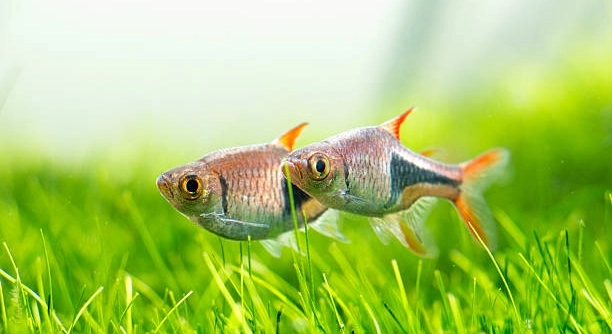
Male and female rasboras are popular choices for freshwater aquariums, known for their small size and peaceful nature. Many hobbyists enjoy keeping them but notice subtle differences between the sexes over time.
Male and female rasboras differ in body shape, coloration, fin size, and behavior. Males tend to be slimmer, more vibrant, and more active, while females usually appear rounder, have duller colors, and show different swimming patterns, especially during breeding periods.
Recognizing these differences can help you care for your fish better and create a more harmonious aquarium environment.
Body Shape Differences
Male rasboras are usually slimmer and more streamlined, giving them a graceful look as they swim. Their narrow bodies make them appear quicker and more agile, which is noticeable when they move through plants or chase food. Females, on the other hand, have fuller, rounder bodies. This roundness becomes especially clear when they are carrying eggs. The difference is not only visible from the side but also from above, as females take up more space in the tank. Observing these shapes over time helps identify the sexes without stress. Slim males often dominate small spaces with ease, while rounder females tend to stay in calmer areas, conserving energy. When swimming together, these differences become more obvious, as males twist and dart, while females glide more steadily. These traits are useful for breeding and for selecting compatible tank mates. Noticing body shapes early can prevent mistakes in mixing rasboras with other fish.
Body shape is a reliable indicator of sex, with males being slender and females noticeably rounder, especially during egg development.
Tracking body differences allows better care and tank management. Knowing who is male or female helps in planning breeding setups and ensures less stress for the fish. Observing their movement patterns alongside body shape provides a clearer understanding of their health. Slim males usually stay active, exploring every corner, while rounder females prefer slower swimming, often hovering near plants or hiding spots. These physical differences also affect how they interact socially. Males may show slight dominance, chasing smaller fish lightly, whereas females maintain a calm presence. Recognizing these distinctions early helps prevent overcrowding or accidental breeding in shared tanks. Tank layout can be adjusted to match their needs: males benefit from open swimming spaces, and females appreciate areas with cover. Paying attention to their shapes enhances the aquarium’s balance. Proper observation can improve the overall atmosphere and keep rasboras healthy and happy, making maintenance simpler and more predictable.
Coloration and Fins
Male rasboras typically display brighter colors that catch the eye, while females have softer, more muted tones.
Color and fin differences serve as clear visual cues for identification and mating purposes.
Males’ fins are often longer and more pointed, enhancing their vivid appearance. These extended fins help during displays of dominance or courtship, showing off their vibrancy and fitness. Females have shorter, rounder fins, which match their softer body colors and rounded shape. Differences in coloration are subtle at first but become obvious as males mature. Under proper lighting, males’ scales can shimmer, making them stand out in a community tank. Females’ more neutral hues allow them to blend into their surroundings, which can be protective when hiding from more active tank mates. Color intensity can also indicate health, with dull colors signaling stress or poor water conditions. Maintaining optimal water quality, feeding a balanced diet, and providing enough space can help both sexes reach their full color potential. Observing fins during swimming patterns reinforces the visual cues, making identification easier without handling the fish.
Behavior Differences
Males are usually more active and curious, swimming around the tank and exploring every corner. Females tend to be calmer, often staying near plants or hiding spots. Their activity levels make it easy to distinguish the sexes without disturbing them.
Males often show slight territorial behavior, especially during feeding or in the presence of other males. They may chase each other briefly but rarely cause harm. Females maintain a more relaxed presence, swimming slowly and avoiding conflicts. Observing their interactions over several days helps confirm which fish are male or female. These behavior patterns also influence tank dynamics, as males take more visible positions while females blend in, creating balance in group movement.
During breeding periods, males display chasing behavior, flaring fins, and vibrant colors to attract females. Females respond selectively, showing readiness by hovering near the chosen male. Outside breeding times, these differences are less pronounced but still noticeable in daily swimming patterns and energy levels. Understanding behavior helps manage tank layout and group composition effectively.
Size Differences
Males are slightly smaller and slimmer than females, who have fuller bodies, especially when carrying eggs. Size is a subtle but reliable indicator when observed closely.
On average, females grow a little larger in body mass compared to males. This difference is most noticeable when they are healthy and well-fed. Males remain more streamlined, which allows for quicker movements and better display during courtship. Tracking size over time can help determine age and maturity, which is useful for breeding purposes. Females’ larger size accommodates egg development, affecting swimming patterns and overall activity levels.
Males’ slimmer frame allows them to move swiftly among tank decorations, while females’ slightly larger size limits sudden bursts of speed but enhances stability. These size differences also influence social dynamics, as males assert themselves in open areas while females prefer sheltered spaces. Recognizing these patterns aids in pairing for breeding and maintaining harmony within the group. Proper diet and monitoring growth can ensure both sexes reach their optimal size and maintain good health.
Breeding Colors
Males develop brighter and more intense colors during breeding periods. This change helps attract females and signals readiness to mate.
Females’ colors remain softer and more subdued. Their muted tones allow them to stay less noticeable while selecting a suitable male for breeding.
Fin Shapes
Males usually have longer, more pointed fins that enhance their appearance during displays. These fins help signal strength and vitality to females and other males. Shorter, rounded fins in females make them less conspicuous but more maneuverable in the tank’s plants and hiding spots.
Egg Spot Visibility
Females often show a small, slightly darker spot near their vent when ready to lay eggs. This spot is less noticeable in males and serves as a visual cue during breeding.
FAQ
How can I quickly tell male and female rasboras apart?
Males are generally slimmer with brighter colors, longer fins, and more active swimming patterns. Females are rounder, duller in color, and prefer calmer spots in the tank. Observing them over a few days is the most reliable method.
Do male and female rasboras behave differently in a community tank?
Yes, males are more active and occasionally chase each other, especially during feeding or breeding displays. Females are calmer, often staying among plants or near hiding spots. This difference in activity helps maintain balance within the tank.
Is size a reliable way to identify sexes?
Size is helpful but not definitive. Females are slightly larger and rounder, particularly when carrying eggs. Males remain slimmer and more streamlined. Watching their growth over time gives a clearer picture.
Do colors change depending on breeding?
Males often become more vibrant during breeding to attract females. Females’ colors remain muted, allowing them to blend in. Healthy water conditions, proper diet, and lighting enhance these natural color differences.
Are fin shapes important in identification?
Yes, males have longer, more pointed fins, while females’ fins are shorter and rounded. These differences are noticeable during swimming and courtship displays. They also indicate maturity and readiness for breeding.
Do males and females have different dietary needs?
Not significantly. Both sexes thrive on a balanced diet of flakes, pellets, and live or frozen foods. However, females benefit from slightly higher protein during egg development to support reproductive health.
Can males be aggressive toward females?
Typically, males show mild chasing behaviors, mainly during breeding, but they rarely harm females. Ensuring plenty of plants and hiding spots helps reduce stress and allows females to avoid unwanted attention.
Does water condition affect male and female appearance?
Yes. Poor water quality can dull colors, reduce activity, and impact fin health in both sexes. Maintaining stable temperature, pH, and clean water ensures that males remain vibrant and females stay healthy.
How early can I distinguish males from females?
Juveniles are harder to differentiate, as body shape and color are less pronounced. By around three to four months, males start showing slimmer bodies, brighter colors, and longer fins, while females develop rounder bodies.
Do males and females interact differently during feeding?
Males often move quickly to the food, sometimes chasing each other slightly, while females eat more calmly. Observing these patterns can help identify sex without handling the fish.
Can environmental enrichment highlight sex differences?
Yes. Adding plants, rocks, and open swimming areas allows males to display their colors and fins while females can hover or hide. This setup emphasizes natural behaviors, making identification easier.
Are there any health concerns linked to sex?
Females carrying eggs may become slightly less active and need high-quality food. Males may develop fin wear if they display frequently against tankmates or decorations. Monitoring both ensures proper care and longevity.
Do males’ colors fade outside breeding season?
Yes, males’ vibrant colors are most pronounced during breeding. Outside of this period, colors may soften slightly but remain distinguishable from females’ muted tones. Healthy conditions help retain some brightness year-round.
Is it necessary to separate sexes for breeding?
Separating males and females is only required if controlled breeding is intended. In community tanks, natural interactions usually occur without issues, though males’ chasing may increase stress for females if space is limited.
Do males and females have different lifespans?
Both sexes generally live the same length, around three to five years in proper conditions. Lifespan depends more on care, water quality, and diet than sex.
How do I know if a female is ready to spawn?
A visible darker spot near the vent and a noticeably rounder body indicate readiness. She will hover near a chosen male and respond to his displays, signaling that egg-laying is imminent.
Can males display courtship without females present?
Yes, males may flare fins, chase other males, or swim energetically even if females are absent. These behaviors are natural and show their dominance and readiness for breeding.
Do males and females require different tank layouts?
Not strictly, but males benefit from open swimming areas to display themselves, while females appreciate hiding spots among plants. A balanced layout accommodates both sexes and reduces stress, supporting healthy behavior and breeding potential.
Is it possible to confuse males and females with other fish types?
Yes, some small schooling fish have similar body shapes and colors. Observing multiple characteristics—body shape, fin length, color intensity, and behavior—is key to accurate identification.
Can stress affect sex-specific traits?
Absolutely. Stress can dull male colors, reduce activity, and affect female egg development. Maintaining stable water conditions, proper diet, and enough space helps both sexes express their natural traits fully.
Are there any seasonal effects on male and female rasboras?
In home aquariums, seasonal changes have less impact than in the wild. However, light cycles and temperature stability can influence breeding readiness and color intensity, particularly for males.
What is the best way to monitor health differences between sexes?
Observe swimming patterns, coloration, fin condition, and feeding behavior. Males should stay active and vibrant, while females should maintain healthy body shape and moderate activity. Quick intervention prevents stress-related issues.
Do males and females show different responses to tankmates?
Males are more assertive, occasionally chasing tankmates lightly, while females are more reserved. Proper community planning minimizes stress and allows both sexes to thrive.
How do I encourage natural behavior in both sexes?
Provide hiding spots, open swimming areas, varied food, and stable water conditions. These elements allow males to display colors and fins, while females feel safe to explore and remain active, promoting natural, healthy behaviors.
Can identifying sexes improve breeding success?
Yes. Recognizing males and females accurately helps pair fish properly, reduces stress, and ensures better egg-laying and hatching rates. Observing behavior and physical traits increases the chances of successful breeding.
Is there a difference in energy levels between sexes?
Males are generally more active, constantly exploring and displaying. Females conserve energy, moving slower and focusing on feeding and resting. Understanding these differences helps maintain a balanced tank.
Are there visual signs of aging that differ between sexes?
Older males may show faded colors and minor fin wear, while females may appear slightly less plump and slower in swimming. Monitoring these signs ensures proper care for aging fish.
Can tank size influence male and female interactions?
Yes. Smaller tanks increase chasing and competition among males, which may stress females. Larger tanks reduce conflict, allow hiding spaces, and support healthy social interactions.
How do I tell the difference in very young rasboras?
Juveniles lack distinct color and fin differences. Subtle body shape cues emerge first, with males slimming and females rounding over a few months. Patience and careful observation are essential.
Are some rasbora species harder to sex than others?
Yes. Some species show minimal color or fin differences, making behavior and body shape the primary indicators. Consistent observation and comparing multiple traits improve accuracy.
Can lighting affect how sex differences appear?
Bright and balanced lighting enhances males’ colors and fin visibility. Poor or dim lighting may obscure subtle traits, making identification more challenging. Adjusting lighting helps reveal natural differences clearly.
Do males and females react differently to new tankmates?
Males may display territorial or chasing behavior briefly, while females are cautious and prefer to stay hidden initially. Observing these reactions helps integrate fish smoothly.
How often should I monitor sex-specific traits?
Regular weekly observation is sufficient. Noting body shape, color, fin condition, and behavior helps detect changes early and ensures both sexes remain healthy and stress-free.
Can diet enhance male coloration?
Yes, high-quality protein and color-enhancing foods intensify males’ colors and support fin health. Balanced feeding also benefits females’ overall health and reproductive readiness.
What should I do if I misidentify the sexes?
Correct identification over time is common. Observe multiple traits, including behavior, color, and body shape. Adjust tank setup or breeding plans as needed to match accurate sex identification.
Are there any tools to help identify sexes?
No special tools are required. Careful observation of body shape, fins, color, behavior, and breeding spots provides reliable identification. Patience and consistent monitoring are the most effective methods.
How long does it take to confidently identify males and females?
Usually a few weeks of observation, especially as fish mature. Watching multiple traits and interactions over time ensures accurate identification without handling or stressing the fish.
Can stress hide sex differences?
Yes. Stress can dull males’ colors, reduce activity, and alter females’ body shape. Stable water conditions, minimal tank disturbances, and sufficient space reveal natural differences clearly.
Do male and female rasboras react differently to breeding tanks?
Males display chasing and vibrant colors immediately, while females stay cautious, choosing the right moment to respond. Providing proper plants and hiding spots supports natural breeding behavior.
Is it possible for a female to mimic male traits?
Females rarely show male-like brightness or long fins. Occasionally, size or age variations may make traits appear misleading, so observing multiple characteristics is essential for accurate identification.
How important is observing social behavior for identification?
Extremely important. Behavior, such as chasing, hiding, and feeding patterns, complements physical traits, giving a clear picture of each fish’s sex. Regular observation helps maintain a peaceful, well-managed tank.
Can males show aggression outside breeding?
Yes, but it is usually mild and brief. Aggression outside breeding is often related to territory or food, not a threat to females. Monitoring interactions prevents stress.
How do I handle rasboras for inspection?
Avoid frequent handling. Observation from outside the tank is safest. Using a calm approach and natural lighting allows clear identification without disturbing the fish.
Do males and females react differently to water changes?
Males may become more active or display briefly, while females stay cautious and may hide. Gradual, consistent changes reduce stress and maintain natural behavior patterns.
Are some behavioral traits hereditary?
Yes. Males often inherit display behaviors and fin length, while females inherit body shape tendencies. Observing young fish alongside parents helps anticipate future traits.
Can tank decorations affect sex-specific behaviors?
Yes. Plants and hiding spots allow females to feel secure and males to display freely. A well-structured tank supports natural behaviors and accurate observation of traits.
Is there a difference in swimming patterns between sexes?
Males swim actively and assertively, often exploring open areas, while females move slower, staying near cover. These patterns help identify sexes without intervention.
Do males and females show different reactions to stressors?
Males often flare fins or dart briefly, while females retreat and stay still. Observing these responses helps identify sex and maintain proper care.
How do I encourage breeding without stressing either sex?
Provide stable water conditions, proper diet, and a tank with open areas for males and hiding spots for females. Monitoring interactions ensures minimal stress and natural behavior.
Are there visual signs of poor health that differ by sex?
Males may lose color or show fin damage; females may become unusually thin or inactive. Tracking these signs helps maintain both sexes in optimal condition.
Can lighting cycles trigger breeding behavior?
Yes, gradual increases in light duration can stimulate males to display and females to prepare for egg-laying. Proper lighting supports natural behavior and enhances sex differences.
How does tank size influence male displays?
Males need open space to show off colors and fins. Limited space can reduce displays and increase chasing, stressing females. Sufficient tank size supports natural social interactions.
Do males and females react differently to feeding schedules?
Males are often quicker and more assertive, while females feed calmly and may wait for a safe moment. Consistent feeding schedules help reduce conflict and stress.
Can observing fins alone identify sex?
Fins provide important clues, but should be considered with body shape, color, and behavior. Using multiple traits ensures accurate identification.
Is it possible for males and females to appear identical?
Juveniles and some species may look similar. Maturity, behavior, and multiple physical traits must be observed over time for confident identification.
Can water temperature affect sex-specific traits?
Extreme or fluctuating temperatures can stress fish, dulling male colors and reducing female activity. Stable temperature supports healthy expression of natural differences.
How do males signal readiness to breed?
Males display bright colors, flare fins, and chase females lightly. These behaviors indicate fitness and readiness to mate. Females respond selectively when prepared.
Do males and females have different resting habits?
Females often rest near plants or cover, while males remain active longer, swimming and occasionally displaying. These patterns help differentiate sexes during observation.
Are males more prone to fin damage?
Yes, active displays and chasing can lead to minor fin wear in males. Providing smooth decorations and adequate space reduces this risk.
Can females’ behavior indicate stress?
Yes, hiding excessively or refusing food can signal stress. Observing these behaviors ensures timely adjustments in tank conditions.
Do males and females show different social hierarchies?
Males establish brief dominance displays, while females generally stay peaceful. Recognizing this helps prevent conflicts and maintain a harmonious group.
How long should I observe before confirming sex?
Several weeks is ideal, allowing body shape, fin length, coloration, and behavior to fully reveal differences. Patience ensures accurate identification.
Can changing tank mates confuse sex identification?
Introducing new fish may temporarily alter behavior, but physical traits like body shape and fins remain reliable indicators. Observe after acclimation for clarity.
Does age influence sex traits?
Yes, younger fish may not show clear differences. As they mature, males develop slimmer bodies, brighter colors, and longer fins, while females round out and gain a subtle egg spot.
Can lighting, diet, and environment mask sex differences?
Poor conditions may dull colors, stunt fins, or alter behavior. Maintaining optimal care ensures traits are visible and behaviors natural.
Is continuous observation necessary for breeding success?
Yes, tracking interactions, behavior, and physical traits helps pair fish effectively, reduces stress, and ensures eggs are fertilized under ideal conditions.
Do males and females interact differently with new plants or decorations?
Males explore and display in open spaces, females hover cautiously around cover. This natural difference highlights sex traits while enriching the tank.
Are sex differences more visible in certain rasbora species?
Yes, some species show strong color and fin contrasts, while others rely more on body shape and subtle behavior differences. Observation remains key.
How do I minimize stress while identifying sexes?
Avoid handling, provide hiding spots, maintain clean water, and observe calmly. Stress-free fish show true body shape, color, and behavior for accurate identification.
Do males and females react differently to water changes?
Males may become briefly active, while females hide. Gradual changes reduce stress and maintain natural behavior, aiding sex identification.
Can observing multiple traits improve accuracy?
Yes. Considering body shape, color, fin length, behavior, and egg spots together ensures reliable identification without disturbing the fish.
Is there a difference in energy levels between sexes during breeding?
Males become more active and display frequently, while females remain selective and cautious. Recognizing these patterns supports effective breeding management.
Do environmental factors affect sex-specific traits?
Yes, stable water, proper diet, lighting, and adequate space support clear color, behavior, and fin differences, helping maintain healthy males and females.
Can misidentifying sexes affect tank harmony?
Yes. Pairing too many males can increase chasing, while underestimating females’ needs may stress them. Accurate identification ensures balance and reduces conflict.
Are there any visual cues that indicate male dominance?
Bright colors, flared fins, and assertive swimming signal male dominance. Observing these cues helps differentiate males from females and monitor social structure.
Do females ever challenge males?
Females rarely show aggression. They may resist briefly during chasing, but their behavior is generally calm and focused on feeding and hiding.
Is it possible for males to lose their bright colors?
Yes, stress, illness, or poor water quality can dull male coloration. Maintaining proper conditions ensures colors remain vibrant.
Do males and females respond differently to light intensity?
Males’ colors become more pronounced in bright light, while females remain muted. Adjusting lighting highlights differences without causing stress.
Can males’ chasing behavior indicate health?
Yes, active chasing and displays show good energy and fitness. Lack of movement or dull colors may signal illness or stress.
Do females’ movements indicate readiness to breed?
Hovering near males, subtle swimming patterns, and remaining calm during displays indicate female readiness for spawning.
How do I balance sexes in a community tank?
Provide open swimming areas for males, hiding spots for females, and ensure enough space for all. A proper male-to-female ratio reduces stress and supports natural behavior.
Are there signs that males or females are stressed due to tankmates?
Males may flare excessively or chase too much; females may hide constantly or eat less. Observing these behaviors helps adjust the tank setup for balance.
Can males and females coexist peacefully with other fish?
Yes, if tank conditions, space, and hiding spots are adequate. Understanding sex-specific behavior helps prevent aggression and maintains harmony.
Do males and females have different oxygen needs?
No, both sexes require similar oxygen levels. However, active males may benefit from slight water flow to support swimming and displays.
Can observing schooling behavior indicate sex?
Yes, males often lead or display while schooling, and females follow calmly. Watching group dynamics helps distinguish sexes naturally.
How often should I check for breeding readiness?
Weekly observation of color, fin display, and female egg spots is sufficient. This ensures timely intervention for successful spawning.
Do males and females react differently to tank rearrangements?
Males may explore and display more, while females hide temporarily. Gradual rearrangements reduce stress and maintain clear behavior patterns.
Is it normal for males to chase females frequently?
Yes, brief chasing is part of courtship and natural interaction. Excessive chasing may indicate overcrowding or stress.
Can diet affect breeding behavior in males and females?
Yes, protein-rich diets enhance males’ colors and energy, while females need proper nutrition for egg development. Balanced feeding supports successful breeding.
Do males and females show different responses to disease?
Males may become lethargic and lose color, while females may stop swimming actively or refuse food. Early observation prevents serious health issues.
How do I tell if a female is carrying eggs?
A rounder body and a subtle darker spot near the vent indicate egg development. Observing behavior alongside
Male and female rasboras show several differences that can help in identifying their sexes and understanding their behaviors in an aquarium. Body shape is one of the most noticeable traits, with males being slimmer and more streamlined, while females are rounder and fuller, especially when carrying eggs. These differences are easier to spot over time, as observing fish regularly allows you to see subtle changes in their shape and movement. In addition to body shape, coloration provides clear visual cues. Males are often more vibrant, displaying brighter colors and longer fins, while females remain muted with shorter, rounded fins. Paying attention to these visual details makes identification simpler and helps you maintain a balanced group of fish.
Behavior is another important factor that sets males and females apart. Males tend to be more active and curious, exploring open areas of the tank and showing chasing behavior during feeding or breeding displays. Females, on the other hand, are calmer and prefer to stay near plants or other hiding spots, moving more slowly and conserving energy. Watching these patterns over several days makes it easier to distinguish between the sexes without handling the fish. Recognizing behavioral differences also helps in arranging the tank properly. Providing males with open swimming areas supports their active nature, while offering plenty of cover allows females to feel safe. This balance can reduce stress and improve overall fish health.
Proper care of male and female rasboras involves observing both physical traits and behavior to create a healthy and harmonious environment. Understanding their differences is not just for identification but also for supporting their natural behavior and breeding potential. Diet, water quality, tank layout, and social interactions all play a role in maintaining vibrant males and healthy females. By paying attention to details such as body shape, fin length, coloration, and movement patterns, you can provide an environment that encourages natural behavior while reducing conflict and stress. Over time, these observations become intuitive, making it easier to notice changes in health, readiness for breeding, or social dynamics. Awareness of these differences improves not only your ability to identify males and females but also your capacity to support their well-being, ensuring that your rasboras thrive in a stable, comfortable aquarium.

Hello,
If you enjoy the content that we create, please consider saying a "Thank You!" by leaving a tip.
Every little bit helps us continue crafting quality advice that supports the health, happiness, and well-being of pets around the world, for pets of all shapes, sizes, and species.
We really appreciate the kindness and support that you show us!