
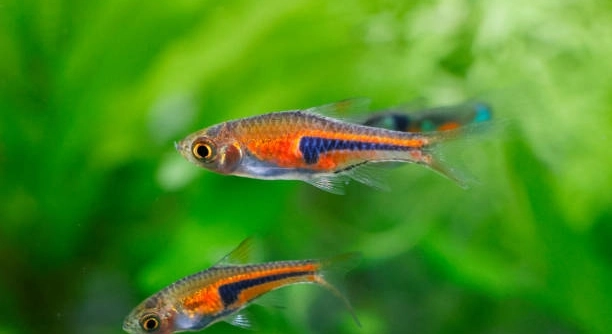
Rasboras are small, peaceful fish that thrive in calm, well-maintained aquariums. Observing their behavior closely can reveal whether they feel secure in their environment and are adjusting well to their surroundings.
A rasbora that feels safe will swim confidently, explore its tank, interact with other fish calmly, and maintain a healthy appetite. Stress behaviors such as hiding, darting, or staying at the bottom indicate discomfort or insecurity in its habitat.
Recognizing these signs is important for creating a balanced, supportive environment that encourages your rasbora’s health and natural behavior. It can help you make subtle changes to improve their comfort.
Creating a Comfortable Tank Environment
Rasboras feel secure when their tank mimics natural conditions. Start with plenty of plants and hiding spots, like small caves or driftwood. Open swimming areas are also important, allowing them to move freely without feeling trapped. Keep water clean and stable, checking temperature and pH regularly, since sudden changes can cause stress. Lighting should be gentle, not too bright, to reduce anxiety. Using a soft substrate can make them feel safer while exploring the bottom of the tank. Observing their swimming patterns can help you see if they are relaxed or tense. Avoid overcrowding by keeping the right number of fish, as too many can increase stress levels. Gentle water flow is best; strong currents can make them hide constantly. Including tank mates that are peaceful and non-aggressive also helps create a stable environment. Consistent feeding schedules give them confidence that their needs will be met without sudden surprises.
A tank with plants, hiding spots, and calm conditions promotes a rasbora’s sense of safety and reduces stress behaviors significantly.
Regularly watching your rasboras will help you notice small changes in behavior. These adjustments can prevent health issues and create a peaceful environment for them to thrive naturally.
Observing Daily Behavior
Pay attention to swimming habits and interactions with tank mates.
Rasboras that feel safe will swim in groups, explore plants, and occasionally interact with other fish without showing signs of fear. They may hover mid-water or near decorations, appearing calm and curious. If they suddenly dart, hide excessively, or avoid feeding, these are signs of stress. Some may even show color fading or cling to the bottom, indicating discomfort. By watching their patterns every day, you can learn what behaviors are normal for your fish and detect issues early. Adjusting water quality, adding more hiding spots, or reducing tank disturbances can restore their sense of security. Observing their feeding responses also helps gauge comfort levels, as a confident rasbora will eat eagerly. Even minor improvements in the environment can encourage natural schooling behavior and increase overall activity. Over time, consistent care and monitoring create a stable atmosphere where rasboras feel safe, interact normally, and display their natural beauty.
Recognizing Stress Signals
Rasboras show stress through hiding, rapid swimming, or loss of appetite. Faded colors, clinging to tank sides, or staying at the bottom often indicate discomfort. Recognizing these signals early helps you adjust their environment before health declines.
Sudden changes in behavior often relate to water quality, tank overcrowding, or aggressive tank mates. A rasbora that feels insecure may dart around or isolate itself from the group. Checking temperature, pH, and ammonia levels can quickly reveal issues. Adding more plants or hiding spots often helps them regain confidence. Even slight improvements in lighting and water flow can reduce stress, encouraging natural swimming and feeding habits.
Over time, consistent observation allows you to notice subtle behavior shifts. Rasboras may react to seasonal changes, feeding schedules, or minor tank adjustments. Addressing these issues promptly maintains their health and encourages natural interactions with tank mates. Calm fish indicate a safe and balanced habitat, reflecting effective care.
Encouraging Natural Behavior
Grouping rasboras with compatible tank mates promotes security and activity.
Rasboras thrive in small schools, which helps them feel safe and reduces anxiety. They are more likely to explore plants, swim mid-water, and interact with their environment when surrounded by familiar companions. Introducing gentle, non-aggressive species further stabilizes their behavior. Adequate space is crucial; cramped tanks lead to tension and avoidance behaviors. Observing interactions between fish can help identify any stress triggers. Feeding in the same area reinforces routine and provides reassurance, while varied hiding spots encourage natural exploration. Consistent water quality and gentle lighting complement these adjustments, creating an environment where rasboras can display their natural curiosity and swimming patterns confidently.
Maintaining their habitat with care ensures rasboras stay healthy and active. Regularly monitoring water conditions, providing appropriate plant cover, and keeping tank companions peaceful fosters a stable setting. Attention to lighting, substrate, and flow patterns supports calm behavior and prevents unnecessary stress. Even minor improvements, like rearranging decorations or adjusting feeding times, can have a noticeable impact. Encouraging natural schooling and exploration helps reduce anxiety, while careful observation identifies potential problems early. Over time, these steps create an environment where rasboras feel secure, interact naturally, and maintain their vibrant colors and energy levels consistently.
Tank Maintenance Tips
Keeping the tank clean prevents stress and illness in rasboras. Regular water changes, removing debris, and monitoring filters ensures a stable environment. Consistent care supports their comfort and natural behavior.
Maintaining proper water temperature and pH is essential. Sudden fluctuations can cause anxiety, while stable conditions encourage active swimming and normal feeding.
Feeding Practices
Offer small, frequent meals to keep rasboras comfortable and well-nourished. High-quality flake or micro-pellet foods meet their dietary needs efficiently. Observing feeding behavior helps identify stress or health issues.
Social Interactions
Rasboras are schooling fish and feel safer in groups. Keeping at least six together reduces anxiety and encourages natural swimming patterns, improving overall well-being.
Monitoring Health
Regularly check for signs of illness, such as color fading or unusual swimming. Early detection allows timely care and maintains a secure environment for your rasboras.
How can I tell if my rasbora is happy in its tank?
A happy rasbora swims actively in groups, explores plants, and reacts calmly to feeding times. Their colors remain vibrant, and they rarely hide for long periods. Watching for consistent swimming patterns and normal appetite gives clear insight into their comfort level.
Why does my rasbora hide all the time?
Excessive hiding usually indicates stress or insecurity. Common reasons include sudden changes in water temperature, poor water quality, or aggressive tank mates. Adding plants, hiding spots, and ensuring stable water conditions often helps them feel safer and encourages more natural behavior.
Is it normal for rasboras to stay at the bottom of the tank?
Rasboras occasionally rest near the bottom, but staying there constantly can signal stress, illness, or poor water quality. Check parameters like pH, ammonia, nitrites, and temperature. Providing mid-water hiding places and gentle currents encourages balanced swimming throughout the tank.
How many rasboras should I keep together?
Rasboras are schooling fish and feel secure in groups of at least six. Larger groups reduce anxiety and promote natural behavior. Smaller numbers often lead to stress, isolation, and hiding. Group size also helps them interact socially, which is important for overall health.
What tank conditions make rasboras feel safe?
They need stable water temperature, gentle lighting, moderate water flow, and clean water. Substrate should be soft, and plants or decorations should offer hiding and exploration spaces. Avoid overcrowding and aggressive species to maintain a peaceful environment. Consistency in these factors increases their sense of security.
Why do my rasboras dart around quickly sometimes?
Quick, erratic swimming often indicates stress from sudden disturbances, water changes, or strong currents. It can also be a reaction to aggressive tank mates. Adjusting tank setup, adding plants, or reducing flow can calm them and restore normal swimming patterns.
How can I tell if a rasbora is sick?
Signs of illness include faded color, clamped fins, loss of appetite, and unusual swimming or resting behavior. Early observation is key. Testing water quality, isolating affected fish if needed, and adjusting care can prevent serious health problems while keeping other tank inhabitants safe.
Do rasboras get along with other fish?
They are peaceful and do best with small, non-aggressive tank mates. Avoid large or aggressive species that may chase or stress them. Suitable companions include small tetras, danios, and other calm schooling fish, which allow natural interaction without tension.
How often should I feed my rasboras?
Small, frequent feedings are ideal, usually once or twice daily. Overfeeding can harm water quality, while consistent schedules reinforce a sense of security. High-quality flakes, micro-pellets, or occasional live foods maintain proper nutrition and encourage active, confident behavior.
What changes can make rasboras feel unsafe?
Sudden water parameter shifts, new aggressive tank mates, or drastic rearrangements of plants and decorations can trigger stress. Even temporary disturbances like loud noises or bright lights can make them hide. Gradual adjustments and maintaining consistent care help keep rasboras feeling safe and secure in their environment.
How can I encourage shy rasboras to explore?
Adding plants, gentle currents, and multiple hiding spots allows them to venture out at their own pace. Feeding in visible areas gradually helps them associate humans with safety. Consistency and patience are key for shy fish to feel confident and engage naturally with their surroundings.
Can I tell rasboras apart by behavior or color?
Yes, subtle differences exist. Some are naturally more active or bold, while others may be shy. Color intensity can also vary based on mood and health. Observing individual behavior helps identify each fish’s personality, which can guide care and tank arrangement.
What should I do if my rasboras seem stressed?
Check water quality first and make necessary adjustments. Add plants or hiding spaces and reduce tank disturbances. Monitor interactions with other fish and ensure proper schooling numbers. Small, consistent changes often restore calm behavior and a sense of security in the tank.
How important is water quality for rasbora safety?
Extremely important. Poor water conditions stress fish, making them hide, lose color, or stop eating. Maintaining stable temperature, pH, and low levels of ammonia and nitrites creates a secure environment. Regular testing and partial water changes prevent stress-related problems.
Do rasboras need a specific tank size?
Yes, adequate space is crucial. Small tanks limit swimming and increase stress, while larger tanks allow schooling, exploration, and natural behavior. A minimum of 10 gallons for a small group is recommended, with additional space for plants and decorations to promote comfort and security.
This FAQ section provides practical guidance to identify, prevent, and manage stress in rasboras while supporting healthy, natural behavior. Observing them closely ensures they thrive in a safe and balanced environment.
Rasboras are delicate, peaceful fish that respond strongly to their environment. Their behavior, color, and activity levels provide clear clues about how safe they feel. When a rasbora feels secure, it swims confidently in schools, explores the tank, and interacts calmly with other fish. Stress signs like hiding, darting, clamped fins, or staying at the bottom indicate discomfort or potential health issues. By observing your fish regularly, you can detect these subtle signals and make adjustments before problems escalate. Maintaining a stable, clean tank with proper water conditions is essential for their well-being, as sudden changes in temperature, pH, or water quality can trigger anxiety. Even minor environmental changes, such as rearranging plants or altering the lighting, can affect their sense of safety. A well-balanced tank allows rasboras to display natural behavior, eat regularly, and develop their vibrant colors, reflecting overall health and comfort.
Creating a safe environment for rasboras involves attention to both physical space and social structure. These fish thrive in small schools of at least six, which provides reassurance and reduces stress. Grouping them with peaceful, compatible tank mates encourages natural interactions and prevents bullying or aggressive encounters. The tank should include open swimming areas alongside plenty of hiding spots, such as plants, driftwood, or small decorations. Gentle water flow and soft substrate contribute to a comfortable habitat, while consistent feeding schedules reinforce a sense of predictability. Regular water testing and maintenance help avoid sudden spikes in ammonia or nitrites, which can harm fish and cause panic. Over time, consistent care allows rasboras to feel confident in their environment, swim freely, and engage with the tank naturally. Observing their daily behavior helps you identify issues early, ensuring the tank remains a safe, supportive home for all inhabitants.
Patience and careful observation are key to keeping rasboras comfortable. Each fish has its own personality—some are naturally bold and active, while others may be shy or cautious. Paying attention to these differences allows you to provide personalized care and create a supportive environment for every fish. When rasboras appear stressed, small adjustments such as adding hiding places, checking water conditions, or reducing disturbances can make a significant difference. Maintaining a secure, stable tank benefits not only the fish’s physical health but also their mental well-being. Over time, consistent care and observation foster a balanced, harmonious environment where rasboras can thrive, swim confidently, and enjoy a stress-free life. Understanding their behavior and needs ultimately makes keeping them more rewarding and ensures their long-term happiness in the aquarium.

Hello,
If you enjoy the content that we create, please consider saying a "Thank You!" by leaving a tip.
Every little bit helps us continue crafting quality advice that supports the health, happiness, and well-being of pets around the world, for pets of all shapes, sizes, and species.
We really appreciate the kindness and support that you show us!