
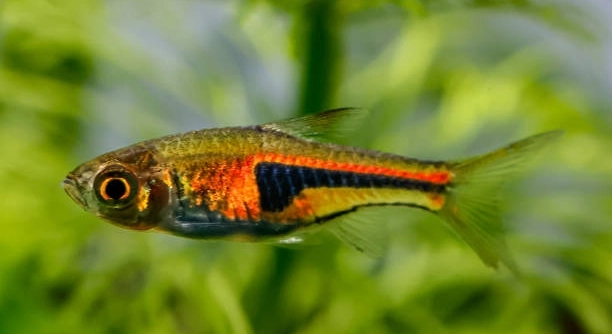
Are your rasboras happily swimming around the tank, always eager for their next meal? These small, lively fish can be charming companions, but their feeding habits sometimes raise concerns for attentive aquarists. Watching them can be surprisingly entertaining.
Rasboras can be prone to overeating if food is offered in excess or too frequently. Overfeeding can lead to digestive issues, water quality deterioration, and long-term health problems, making it crucial to maintain a controlled feeding routine.
Monitoring portion sizes and feeding schedules is essential for healthy rasboras. Understanding their dietary needs helps prevent problems and supports their overall well-being in your aquarium.
Common Signs of Overeating in Rasboras
Rasboras that eat too much may show clear physical and behavioral signs. They can appear bloated, swim sluggishly, or spend more time near the surface. Uneaten food often accumulates in the tank, affecting water quality and encouraging harmful bacteria growth. Observing your fish regularly helps identify these issues before they escalate. Changes in activity levels or appetite can indicate digestive discomfort or early health problems. Noticing a shiny, swollen belly or sudden weight gain is another sign that the feeding amount may be too high. It is important to separate any overfed fish temporarily to monitor their health. Adjusting the feeding schedule and portion size can help restore balance and prevent long-term effects. Over time, consistent observation builds a better understanding of your rasboras’ specific dietary needs and avoids unnecessary stress in the tank. Maintaining proper feeding habits keeps the fish active and healthy.
Monitoring your fish daily helps detect early signs of overeating. Quick action can prevent serious health issues.
Careful observation is essential to avoid repeated overfeeding. Different rasbora species have slightly different appetites, and adjusting portions based on size, activity, and tank conditions improves overall health. Overfeeding can lead to swim bladder issues, slow metabolism, and increased waste in the tank. Providing small, controlled portions multiple times a day is usually better than one large feeding. Using a feeding schedule ensures consistency, and removing uneaten food promptly reduces water contamination. Watching how quickly the fish consume food gives insight into their actual hunger levels. Supplementing with occasional live or frozen foods can help diversify nutrition without causing excess. Tankmates may also influence feeding behavior, as competitive fish may encourage overeating. Understanding individual and group dynamics in feeding prevents stress and promotes natural behavior. Gradual adjustments are safer than sudden changes, allowing fish to adapt comfortably. Maintaining water quality alongside controlled feeding keeps rasboras vibrant, active, and less prone to illness over time.
Best Feeding Practices for Rasboras
Overfeeding can be avoided with planned portion sizes and regular schedules. Observing actual consumption is key.
Feeding small amounts several times daily is better than one large serving. Adjust portions based on size, age, and tank population. Keep uneaten food minimal to maintain water quality and fish health.
Providing a balanced diet ensures rasboras receive adequate nutrition without overindulging. Flake foods, micro-pellets, and occasional live or frozen foods work well together. It is essential to monitor their eating patterns and adjust accordingly. Avoid leaving food in the tank for long periods, as decaying food can cause ammonia spikes and algae growth. Using a timer or consistent schedule prevents accidental overfeeding. Keeping a feeding log helps track daily portions and observe trends in appetite. Offering a variety of foods supports digestion and overall vitality, while small, frequent meals reduce stress on the fish. Over time, the fish become accustomed to a predictable routine, decreasing the risk of overeating. Providing high-quality nutrition and maintaining portion control contributes to a healthy, vibrant tank environment and ensures long-term well-being for all inhabitants.
Preventing Overeating in Rasboras
Portion control and feeding frequency are key to preventing overeating. Providing only what the fish can consume in a few minutes reduces leftover food and keeps the tank clean.
Using a small spoon or feeding tool helps measure exact portions. Feeding once or twice daily, depending on tank size and fish activity, prevents overindulgence. Observing how quickly food is eaten allows adjustments to portions over time. Overfeeding can stress the digestive system and increase waste, so controlling both quantity and timing is essential. Separating food into smaller amounts encourages natural foraging behavior and slows consumption, reducing the chance of bloating. Consistency is crucial; irregular feeding schedules can trigger overeating, even if the overall daily amount is correct. Monitoring tankmates’ behavior ensures that competitive fish do not consume too much, protecting slower eaters. Over time, these practices create a healthier environment and reduce the risk of health problems related to excessive feeding.
Maintaining water quality also prevents stress that may encourage overeating. Regular cleaning complements proper feeding routines.
Proper feeding involves balance, observation, and small adjustments. Each rasbora may have unique dietary needs influenced by age, size, and tank dynamics. Feeding small, measured portions allows better control over intake and prevents excess. Rotating types of food, such as flake, pellet, and occasional live or frozen options, provides varied nutrition without overfeeding. Paying attention to eating speed helps determine if the portions are appropriate. If some fish consistently leave food behind, the amount may need reduction. Monitoring activity levels, swimming patterns, and growth ensures a healthy, well-fed group without strain on water quality.
Signs of Digestive Issues from Overeating
Bloating, lethargy, and unusual swimming patterns indicate digestive distress. Immediate attention can prevent serious health problems.
Digestive issues often appear gradually. A fish may show a swollen belly, difficulty swimming, or reduced appetite. Uneaten food can worsen the problem by contaminating water, leading to ammonia spikes and bacterial growth. Over time, chronic overfeeding may result in swim bladder disorders or internal blockages. Observing your rasboras after feeding helps identify early signs before they escalate. Adjusting portion sizes and feeding schedules can relieve mild issues, while more serious cases may require temporary fasting or specialized foods to support digestion.
Monitoring fecal output provides additional insight. Normal, well-formed waste indicates healthy digestion, while irregular, stringy, or discolored waste signals overfeeding. Early intervention often prevents lasting damage. Avoid sudden dietary changes; gradual adjustments are safer and less stressful. Keeping the tank clean and stable enhances recovery and prevents secondary problems. Paying attention to individual fish is essential, as some may overeat more than others, especially in groups with dominant feeders. A consistent, measured approach to feeding protects overall health and supports natural behavior. Over time, these habits maintain a stable, healthy, and active tank environment.
Ideal Portion Sizes for Rasboras
Portion sizes should match the number of fish and their activity levels. Small amounts that can be eaten within two to three minutes prevent leftover food and reduce the risk of overeating.
Adjust portions based on observation. If food remains after feeding, reduce the next serving. Consistent measurement ensures the tank stays clean and fish remain healthy.
Choosing the Right Food
High-quality flake or micro-pellets work best for rasboras. They provide balanced nutrition without causing rapid bloating. Occasionally supplementing with live or frozen foods helps maintain natural dietary variety. Choosing food that sinks slowly allows fish to feed at their own pace, reducing stress and overeating.
Feeding Frequency Guidelines
Once or twice daily is generally sufficient for most adult rasboras. Younger fish may require slightly more frequent meals, but overfeeding should always be avoided. Maintaining a regular schedule keeps the fish healthy and prevents digestive issues.
FAQ
How do I know if my rasboras are overeating?
Overeating in rasboras is usually noticeable through physical changes and behavior. A bloated belly, lethargic swimming, and remaining food in the tank are common signs. You may also see irregular fecal matter, which often appears stringy or unusually colored. Observing feeding sessions carefully allows you to notice when fish are eating too quickly or consistently leaving uneaten food behind. Monitoring these signs regularly helps prevent long-term health problems like swim bladder issues or digestive blockages. Adjusting portion sizes and feeding schedules promptly can correct mild overeating before it becomes serious.
Can overeating affect water quality?
Yes, leftover food can decay in the tank, raising ammonia and nitrite levels. Poor water quality stresses the fish and encourages harmful bacteria and algae growth. Over time, overfeeding creates an unbalanced environment, making the tank less stable. Regular water testing and prompt removal of uneaten food are essential. Feeding only what the fish can consume in a few minutes helps maintain water clarity and chemical balance. Cleaner water supports healthier fish, reduces stress, and minimizes the risk of secondary health problems caused by overfeeding.
Is it better to feed small amounts multiple times a day?
Yes, dividing food into small portions encourages natural foraging behavior and reduces digestive strain. Feeding once a day may cause fish to eat too quickly, increasing the risk of bloating. Multiple small feedings allow better control over intake, and fish consume only what they need. Observing their eating patterns during these sessions helps determine the correct portion size. This approach also keeps the tank cleaner since less food remains uneaten. Over time, consistent small feedings improve fish health, activity levels, and overall well-being.
Can live or frozen foods help prevent overeating?
Yes, adding live or frozen foods occasionally provides variety and encourages slower, natural feeding behavior. Foods like daphnia, brine shrimp, or bloodworms are nutritious and often eaten more slowly than flakes or pellets. They help mimic natural feeding habits, reducing the tendency to overeat. However, these should be given in moderation to avoid digestive problems. Combining these with regular flake or pellet feedings ensures balanced nutrition while maintaining portion control. Observation is key, as some fish may overconsume certain foods, so careful monitoring is necessary to prevent bloating.
What should I do if my rasboras have digestive issues from overeating?
If digestive problems appear, temporarily reduce or pause feeding to allow the system to reset. Offering a small amount of easily digestible food, like high-quality flakes or peas, can help alleviate mild constipation. Monitor swimming behavior and fecal output closely. Ensure water quality remains stable, as stress from poor water conditions can worsen digestive issues. Gradually reintroduce normal feeding while maintaining controlled portion sizes. Avoid sudden diet changes, as they can increase stress. Over time, a careful feeding routine restores digestive health and prevents future issues from recurring.
Do tankmates influence overeating?
Yes, aggressive or faster-eating tankmates can encourage rasboras to eat more than necessary. In group settings, dominant fish may consume extra food, leaving others at risk of overeating or starvation. Observing feeding dynamics helps identify which fish need portion adjustments. Separating certain fish temporarily during feeding or providing multiple feeding points ensures all fish get proper amounts. Managing competition reduces stress and encourages healthier eating habits, preventing bloating and digestive strain in slower or more timid fish.
How often should I monitor my rasboras during feeding?
Monitoring should happen every feeding session, especially when adjusting portions. Watch how quickly they consume food and whether any leftovers remain. Daily observation allows early detection of overeating, digestive issues, or unusual behavior. Tracking these patterns over time helps refine portion sizes, feeding frequency, and diet variety. Consistent monitoring keeps fish healthy, water quality stable, and prevents long-term health complications. Small adjustments based on observation are often enough to maintain balance and prevent common problems caused by excessive feeding.
Are there long-term risks associated with chronic overeating?
Yes, chronic overeating can lead to obesity, swim bladder disorders, digestive blockages, and reduced lifespan. Excessive waste also impacts water quality, further stressing the fish. Over time, repeated overfeeding weakens immunity and increases susceptibility to disease. Maintaining proper feeding practices, monitoring portions, and providing a balanced diet are crucial to preventing these risks. Early intervention is key, as once physical or organ damage occurs, recovery may be limited. Healthy feeding habits ensure rasboras remain active, vibrant, and resilient in their tank environment.
Can I use feeding tools to prevent overeating?
Yes, tools like small spoons, feeding rings, or syringes help control portion sizes. Measuring food before feeding ensures fish receive only what they can consume quickly. Feeding tools also reduce waste and make observation easier, especially in tanks with multiple fish. Using these tools consistently establishes predictable routines, preventing overfeeding and protecting water quality. Observing results and adjusting as necessary ensures all fish get the correct amount of nutrition without stress or digestive issues. Over time, these tools simplify feeding while supporting long-term health.
How does age or size affect feeding amounts?
Younger or smaller rasboras generally require more frequent, smaller feedings to support growth, while adults need fewer meals. Portion sizes should reflect individual needs to prevent overfeeding. Observing appetite and growth ensures fish receive appropriate nutrition without strain. Adjusting feedings for different life stages maintains health, prevents bloating, and supports natural development. Proper portion management throughout life reduces long-term health risks and contributes to a stable, thriving tank environment.
Final Thoughts
Maintaining a healthy feeding routine for rasboras is essential to their overall well-being. Overeating can lead to a variety of issues, from bloating and digestive problems to poor water quality that stresses the fish. By observing their behavior during feeding and providing only the amount they can consume within a few minutes, it is possible to prevent most of these problems. Portion control, regular monitoring, and adjusting feeding amounts according to the number of fish in the tank are all practical strategies that make a noticeable difference. Even small changes in feeding habits can improve both fish health and the cleanliness of the aquarium.
Consistency is key when caring for rasboras. Feeding at the same times each day and using measured portions helps create a predictable environment for the fish. A regular schedule allows the fish to develop healthy eating habits and reduces the chance of overindulgence. Providing a variety of foods, such as flakes, micro-pellets, and occasional live or frozen options, supports balanced nutrition without overfeeding. Observing the fish’s appetite, swimming patterns, and overall activity helps identify subtle signs of overfeeding or digestive stress. When combined with regular tank maintenance, these steps ensure that the fish remain active, vibrant, and healthy.
Understanding the needs of each individual fish and the dynamics of the tank as a whole is equally important. Some rasboras may eat faster or more aggressively than others, so careful monitoring and adjustments may be necessary to ensure that all fish receive proper nutrition without overfeeding. Maintaining clean water and removing uneaten food promptly supports digestive health and prevents harmful bacteria from growing. Over time, establishing controlled feeding routines, observing behavior, and responding to changes in appetite or health will help prevent long-term issues. A balanced approach to feeding not only keeps rasboras healthy but also creates a stable and enjoyable aquarium environment that supports their natural behavior and long-term vitality.

Hello,
If you enjoy the content that we create, please consider saying a "Thank You!" by leaving a tip.
Every little bit helps us continue crafting quality advice that supports the health, happiness, and well-being of pets around the world, for pets of all shapes, sizes, and species.
We really appreciate the kindness and support that you show us!