
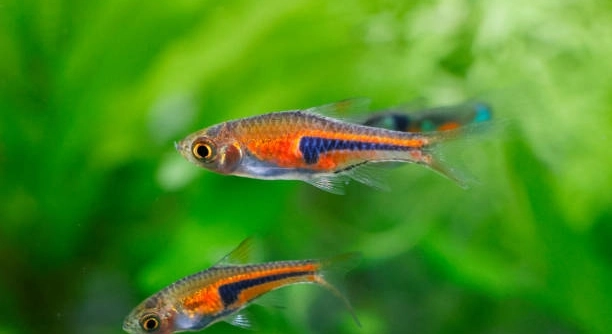
Keeping a school of fish happy and healthy often depends on the environment you provide. Many hobbyists enjoy watching their fish swim together, but arranging a tank to encourage schooling can be challenging. A well-planned layout can make a noticeable difference.
7 tank layouts that encourage schooling focus on creating open swimming areas, visual barriers, and focal points that guide movement. Using plants, rocks, and decorations strategically promotes natural schooling behavior while minimizing stress and territorial disputes among fish.
Choosing the right layout helps maintain harmony in your aquarium while giving your fish space to thrive and interact naturally.
Open Swimming Spaces
Creating open swimming spaces is essential for schooling fish. Fish move best in areas where there are no obstacles blocking their path. By leaving large, clear sections in the middle of the tank, you allow fish to swim together naturally. These open areas mimic rivers or lakes, helping fish feel safe and encouraging them to form cohesive groups. Avoid overcrowding decorations in the main swimming zone. Tall plants, rocks, or driftwood can be placed near the edges to provide shelter without restricting movement. Open swimming spaces also reduce stress, as fish are less likely to feel trapped or cornered. Fish tend to follow one another in clear spaces, which reinforces schooling behavior and improves overall activity. Proper lighting in these zones can further highlight the movement of your fish, making the display more visually engaging. Maintaining a balance between open areas and structured zones is key for a harmonious aquarium that supports natural schooling.
Open swimming areas improve fish activity and help maintain a peaceful environment. Clear zones allow fish to move together without interference.
Proper spacing in a tank not only promotes natural schooling but also encourages healthier behavior. Fish that can swim freely tend to show more vibrant colors and interact more with each other. A tank with clear zones reduces aggressive interactions because fish have room to retreat when needed. Placing plants and rocks at the edges creates hiding spots while keeping the center open. Using smooth, rounded decorations prevents accidental injuries during fast movement. Fish are more likely to exhibit natural behaviors, like synchronized swimming or coordinated turns, in these conditions. Additionally, monitoring water flow is important; gentle currents help guide schooling fish without stressing them. Adjusting layout over time allows you to observe how fish adapt and improve their schooling patterns. Overall, open swimming spaces are a simple yet effective method to encourage healthy, cohesive groups of fish while keeping the tank visually appealing and functional.
Visual Barriers
Visual barriers help fish feel secure and reduce aggressive encounters.
Strategic placement of plants, rocks, and ornaments creates sections within the tank, allowing fish to school while having areas to retreat. Fish often swim together more confidently when they feel protected. Barriers break up lines of sight, which minimizes stress and encourages natural movement patterns. Floating plants or tall background decorations can also serve as soft barriers without taking up swimming space. Properly spaced barriers guide fish movement along preferred routes, creating a flow that mimics their natural habitat. Over time, fish learn to navigate these spaces, forming consistent schooling patterns. The combination of barriers and open swimming zones balances freedom with security, resulting in a more dynamic and healthier aquarium environment. Consistent observation and minor adjustments ensure that barriers enhance schooling behavior rather than restrict it.
In addition to physical barriers, careful tank design considers depth, height, and plant density. Fish respond to vertical structures, which add layers to their swimming environment. By arranging taller plants in the back and shorter ones in the front, fish feel protected without losing sight of each other. Rocks or driftwood positioned diagonally create pathways, encouraging coordinated swimming and spontaneous turns that mimic natural schooling. Plants with varying textures and densities serve both as visual barriers and resting areas, giving fish a sense of safety. Open areas between barriers maintain clear swimming lanes, so fish can group together without obstruction. Lighting and color contrast further highlight pathways, making navigation easier for fish. Even subtle movements, such as a gentle current, can enhance schooling by guiding direction and flow. Observing how fish interact with barriers allows fine-tuning of placement to maximize schooling, reduce stress, and improve overall tank health. This careful planning ensures a balance between shelter and open areas, fostering natural, synchronized behavior.
Layered Planting
Layered planting gives fish a sense of depth and security. Placing tall plants at the back and shorter plants in front creates natural pathways, encouraging fish to swim together while exploring different sections of the tank.
Layered planting helps fish feel safe while moving in groups. By varying plant height and density, you create multiple zones for fish to navigate. This arrangement allows schooling fish to stay close while offering occasional hiding spots. Fish often use taller plants as visual cues, following each other along clear lines between layers. Soft-leaved plants reduce injury risk and provide gentle cover. Spacing the plants properly maintains open swimming lanes, preventing overcrowding. Layered planting also adds aesthetic appeal, giving the tank a more natural, dynamic look that mirrors rivers or lakes, which encourages natural schooling patterns.
Plants with different textures and heights can influence fish movement. Dense clusters near the sides act as refuges, while open central lanes allow coordinated swimming. Fish often circle around plant groupings, which reinforces their schooling behavior. Floating plants above can create shaded areas, helping shy fish feel secure without isolating them. Layering also affects water flow, as gaps between plants guide fish along gentle currents, promoting synchronized movement. This setup balances cover and open space, reducing stress and promoting healthy interaction. Over time, fish adapt to these pathways, enhancing both their activity levels and natural behavior, making the tank more lively and harmonious.
Curved Swimming Paths
Curved swimming paths guide fish movement naturally while maintaining group cohesion. Gentle bends created by rocks, driftwood, or plant arrangements encourage fish to follow consistent routes without feeling confined.
Curved paths create a flowing environment that promotes natural schooling. Fish tend to follow curves, reducing collisions and stress. Strategically placing decorations to form smooth bends allows fish to move in unison, maintaining group structure. Curves also prevent territorial disputes by breaking straight sightlines. This design mimics streams or river bends, giving fish familiar routes to swim. Over time, fish learn these pathways, forming predictable patterns. Using a combination of rocks, plants, and driftwood ensures the curves are functional while keeping the tank visually interesting. Curved paths enhance both the behavior and wellbeing of schooling fish.
In addition to guiding movement, curved swimming paths create dynamic spaces that encourage interaction. Fish often loop through these pathways in coordinated patterns, increasing activity and reinforcing social behavior. Placing plants or ornaments along the curves adds both shelter and focal points, making fish feel secure while maintaining clear lanes for schooling. The curves naturally slow movement in some areas, preventing aggressive bursts and allowing all fish to remain part of the group. Open spaces between curves ensure uninterrupted swimming, balancing flow and cover. Adjusting curves over time based on fish behavior can further enhance schooling consistency, resulting in a visually appealing and well-organized tank that supports healthy fish interactions.
Open Corners
Open corners allow fish to turn and regroup easily, supporting smooth schooling. By keeping tank edges clear, fish can navigate without feeling trapped, which reduces stress and encourages natural movement patterns.
These open corners also create a sense of spaciousness. Fish tend to use them as resting or turning points while maintaining group cohesion, making the tank feel more dynamic and organized.
Floating Plants
Floating plants provide shade and soft cover, giving fish areas to feel secure without restricting swimming lanes. They help reduce light intensity and create natural visual markers that fish can follow, reinforcing schooling patterns and calm behavior.
Mid-Level Structures
Mid-level structures, like small rocks or short plants, create intermediate zones that break up open spaces. Fish can use these zones for brief stops or to regroup, supporting organized schooling. Properly spaced structures guide movement without blocking swimming paths, maintaining balance between open areas and shelter.
Gentle Currents
Gentle currents encourage fish to swim together and maintain coordinated movement. Water flow should be steady but not strong, guiding schooling patterns naturally and promoting activity while reducing stagnant zones.
FAQ
How many fish should I keep to encourage schooling?
Keeping at least six to eight fish of the same species is ideal for schooling behavior. Smaller groups may struggle to form cohesive movement patterns, while larger groups can enhance natural interaction and create visually appealing, synchronized swimming. Species compatibility is also important to maintain harmony.
Can all fish school naturally?
Not all fish are natural schoolers. Species such as tetras, danios, and rasboras are known for schooling, while others, like bettas or cichlids, may prefer solitary or territorial behavior. Understanding the species’ natural tendencies ensures the tank layout supports their social needs.
Do decorations affect schooling behavior?
Yes, decorations play a critical role. Strategically placed rocks, plants, and driftwood create visual barriers and pathways that guide movement. Open swimming areas, combined with hiding spots, encourage fish to stay together while providing security, reducing stress and aggressive interactions.
How does tank size influence schooling?
Tank size directly impacts schooling. Larger tanks provide more room for coordinated swimming, while small tanks can limit movement and stress fish. Open spaces, gentle currents, and adequate vertical and horizontal room are essential to maintain natural schooling behavior.
Should I use floating plants for schooling fish?
Floating plants can help guide schooling patterns by creating shaded areas and visual markers. They reduce light intensity, making fish feel secure, and encourage coordinated movement underneath. However, placement should not block open swimming lanes, as freedom of movement is crucial for schooling.
How often should I rearrange the tank layout?
Frequent changes can stress fish, but occasional adjustments may enhance schooling behavior. Monitoring fish activity helps determine if pathways, barriers, or open spaces need slight modifications to encourage cohesion without causing confusion or stress.
Do water currents influence schooling behavior?
Gentle currents can positively affect schooling. They encourage coordinated swimming and prevent stagnant zones. However, strong currents may disrupt schooling and tire fish. Adjusting filter flow or adding water movement in specific areas can help guide fish naturally along desired paths.
Can schooling reduce aggression in the tank?
Yes, proper schooling setups often lower aggression. Fish in cohesive groups feel safer and are less likely to establish territories aggressively. Balanced open spaces, mid-level structures, and visual barriers allow fish to interact naturally without causing stress or conflict.
How do I know if my fish are schooling properly?
Schooling is indicated by synchronized swimming, following one another, and maintaining group cohesion. Fish should move in the same direction, make coordinated turns, and stay within visual contact. Disorganized swimming or isolated fish may signal stress, improper tank layout, or unsuitable group size.
Are plants more effective than rocks for encouraging schooling?
Both plants and rocks serve different purposes. Plants provide soft cover and visual cues, while rocks create mid-level structures and pathways. A combination of both offers security, navigation guidance, and open swimming lanes, supporting natural schooling patterns while enhancing tank aesthetics.
Does lighting affect schooling behavior?
Lighting influences fish comfort and movement. Soft or diffused lighting reduces stress and highlights visual pathways, while harsh lighting can cause hiding or erratic movement. Floating plants or shaded zones help regulate light exposure, encouraging natural schooling patterns.
Can schooling fish live with non-schooling species?
It is possible but requires careful planning. Non-schooling species may disrupt cohesion or create stress for schooling fish. Ensuring compatible temperaments, sufficient space, and clear swimming lanes allows different species to coexist without interfering with schooling behavior.
How do I maintain long-term schooling behavior?
Maintaining schooling behavior involves proper tank layout, group size, compatible species, and stable water conditions. Open spaces, mid-level structures, visual barriers, and gentle currents encourage consistent schooling. Monitoring fish health and adjusting the environment as needed ensures long-term success.
Do juvenile fish school differently than adults?
Juvenile fish often form tighter schools and may be more active, while adults may spread out slightly but still follow coordinated patterns. Tank design should accommodate both age groups, providing pathways and shelter suitable for growth and schooling development.
Is it necessary to feed fish in specific areas to encourage schooling?
Feeding in consistent zones can reinforce group behavior, as fish learn to congregate during feeding. This encourages schooling and reduces competition or chasing. Ensure all fish have access to food and avoid overcrowding in feeding areas to maintain harmony.
Can seasonal changes affect schooling?
Changes in temperature, light, or water flow may influence activity levels and schooling behavior. Maintaining stable conditions year-round supports consistent schooling patterns and reduces stress caused by environmental fluctuations.
How do I introduce new fish without disrupting schooling?
Introduce new fish gradually using a quarantine tank or slow acclimation process. Rearranging decorations temporarily can provide neutral zones, allowing fish to integrate without causing stress or breaking established schooling patterns.
Does tank shape impact schooling?
Yes, elongated tanks or those with curved paths promote natural movement and cohesion. Narrow tanks may restrict swimming, while very deep tanks require vertical and horizontal planning. Balanced dimensions with clear lanes and obstacles enhance schooling behavior.
What role does water temperature play in schooling?
Water temperature affects metabolism, energy, and swimming activity. Stable, species-appropriate temperatures support coordinated movement and reduce stress. Sudden fluctuations can disrupt schooling and cause erratic or lethargic behavior, so monitoring and maintaining consistent temperature is important.
Can overcrowding affect schooling?
Overcrowding reduces swimming space, increases stress, and may break up schooling groups. Maintaining proper stocking levels with adequate open zones and pathways ensures fish can swim together comfortably and maintain natural patterns.
How can I tell if the tank layout is effective?
Observe fish movement, cohesion, and activity. Effective layouts result in smooth, synchronized swimming, minimal hiding due to stress, and balanced use of open areas and structures. Adjustments may be needed if schooling appears fragmented or fish display aggression or lethargy.
Do certain substrates encourage schooling?
Substrate choice has a minor impact but can influence tank aesthetics and behavior. Smooth, neutral-colored substrates reduce stress and reflections, making fish feel secure. Avoid sharp or uneven surfaces that may injure fish while moving in groups.
Is water quality crucial for schooling?
Yes, poor water quality increases stress and disrupts schooling. Regular testing for ammonia, nitrites, nitrates, and pH, combined with proper filtration and maintenance, ensures fish remain active, healthy, and able to school naturally.
Can tankmates disrupt schooling patterns?
Incompatible or aggressive tankmates may fragment schools, cause stress, or lead to hiding. Careful species selection, adequate space, and proper layout prevent disruptions and allow schooling fish to maintain natural group behavior.
How do I balance decorations and open space?
Open space is essential for movement, while decorations provide shelter and visual markers. Arrange mid-level structures, plants, and rocks along edges or in curves to guide schooling without restricting lanes. Balance ensures cohesion, reduces stress, and encourages natural behavior.
Can schooling be encouraged in a small tank?
Even in smaller tanks, schooling can occur with proper planning. Use compact decorations, gentle currents, and at least a minimal group size. Maintaining open central lanes and visual pathways supports synchronized swimming, though large tanks provide more natural movement opportunities.
Does fish size affect schooling?
Yes, larger fish require more space to maintain cohesion, while smaller fish can form tighter groups. Adjust tank layout, group size, and open swimming areas according to species size to support effective schooling behavior.
How often should I observe schooling behavior?
Regular observation allows you to detect stress, aggression, or broken patterns early. Daily or frequent checks help ensure the tank layout continues to support cohesive schooling and allows timely adjustments to maintain natural behavior.
Can artificial structures mimic natural schooling cues?
Yes, rocks, driftwood, and synthetic plants can replicate visual cues from rivers or lakes. Properly arranged, these structures guide movement, provide shelter, and help fish maintain coordinated schooling behavior while enhancing tank aesthetics.
Do schooling fish require special feeding techniques?
Feeding should be even and distributed to prevent competition. Floating or sinking foods placed in multiple locations allow all fish to feed together without disrupting cohesion, reinforcing group swimming patterns during feeding times.
Is it necessary to monitor social hierarchy in schooling fish?
Some species establish loose hierarchies, which can affect movement and group cohesion. Monitoring interactions helps detect stress or bullying, allowing adjustments in tank layout or group composition to maintain healthy schooling behavior.
Can stress break up schooling patterns?
Yes, sudden changes in environment, water quality, aggressive tankmates, or overcrowding can disrupt schooling. Minimizing stress through stable conditions, proper layout, and compatible species helps maintain synchronized swimming and natural behavior.
Do seasonal light cycles affect schooling?
Consistent light cycles support natural circadian rhythms, which influence activity and schooling. Abrupt changes in light duration or intensity may temporarily reduce cohesion, so maintaining stable photoperiods encourages regular, predictable schooling behavior.
How important is vertical space for schooling?
Vertical space allows fish to move in three dimensions, improving group cohesion and activity. Combining open horizontal lanes with vertical variation from plants or mid-level structures provides a stimulating environment that supports natural schooling.
Can schooling improve overall fish health?
Yes, cohesive groups reduce stress, promote activity, and encourage natural behaviors. Fish that school properly tend to show brighter colors, better appetite, and more consistent growth, reflecting the benefits of a supportive tank layout and environment.
How can I integrate new decorations without disrupting schooling?
Introduce decorations gradually, placing them at edges or in neutral zones. Observe fish reactions and ensure open lanes remain for movement. Incremental changes minimize stress and allow fish to maintain group cohesion while adapting to new structures.
Do schooling fish prefer specific tank shapes?
Long, rectangular tanks with gentle curves support coordinated swimming, while very square or narrow tanks may restrict movement. Balanced dimensions with open lanes and guided pathways enhance schooling behavior and reduce stress.
How does substrate color affect schooling behavior?
Neutral or natural-colored substrates reduce reflections and stress, making fish feel secure. Fish respond better to consistent backgrounds, allowing them to focus on schooling and following visual cues from tankmates rather than being startled by bright or reflective surfaces.
Can schooling patterns change over time?
Yes, as fish grow, mature, or adapt to the environment, schooling patterns may evolve. Monitoring behavior and adjusting layout, decorations, or group size helps maintain cohesion and natural movement as conditions change.
Is regular tank maintenance important for schooling?
Consistent water changes, filtration checks, and cleaning prevent stress, aggression, and poor health, all of which can disrupt schooling. Maintaining optimal water quality and stable conditions supports synchronized swimming and overall fish wellbeing.
Can schooling behavior indicate tank health?
Yes, cohesive, coordinated movement usually reflects a stable, stress-free environment. Fragmented schools, hiding, or erratic swimming may signal poor water quality, inappropriate layout, or incompatible tankmates, requiring prompt adjustments.
Does tank temperature affect schooling speed?
Temperature influences metabolism and swimming activity. Stable, species-appropriate temperatures support consistent, coordinated movement, while fluctuations can cause lethargy or excessive activity, disrupting schooling patterns.
How important is tank decoration symmetry for schooling?
Symmetry is less important than functional layout. Clear swimming lanes, visual markers, and mid-level structures matter more than perfect balance. Proper placement encourages cohesion, smooth movement, and safe pathways without relying on symmetry.
Can schooling reduce mortality in tanks?
Proper schooling setups lower stress, aggression, and territorial disputes, indirectly reducing injury and mortality. Fish in cohesive groups are more active, feed better, and maintain health, demonstrating the benefits of a well-planned environment.
Should I consider plant density for schooling fish?
Yes, moderate plant density provides cover without restricting movement. Dense clusters at edges and open central lanes allow fish to form groups, navigate safely, and exhibit natural behavior, supporting both security and schooling cohesion.
Can schooling behavior be restored if lost?
Yes, with proper tank layout, compatible group size, visual barriers, and open swimming areas, disrupted schooling can often be restored. Gradual adjustments and observation are key to reestablishing coordinated movement and reducing stress.
Does feeding frequency impact schooling?
Regular, predictable feeding encourages fish to gather together, reinforcing schooling. Overfeeding or irregular schedules may cause competition, reduce cohesion, or stress fish, affecting synchronized swimming and overall group behavior.
How does tank depth influence schooling?
Depth affects vertical movement and space utilization. Adequate depth allows fish to use mid-level and surface zones, promoting natural patterns, group cohesion, and interaction while reducing stress from overcrowding or restricted swimming.
Are artificial currents better than natural flow for schooling?
Artificial currents can mimic natural water movement, guiding schooling patterns effectively. Gentle, consistent flow encourages coordinated swimming, while strong or erratic currents can disrupt behavior, stressing fish and fragmenting the group.
Can schooling patterns indicate stress?
Yes, irregular swimming, isolated fish, or frequent collisions suggest stress from layout, water quality, or incompatible tankmates. Observing schooling behavior is an effective way to monitor tank conditions and fish wellbeing.
Is schooling behavior affected by water clarity?
Clear water is essential for visual cues that guide schooling. Murky or poorly filtered water reduces cohesion, causes confusion, and increases stress, making proper filtration and maintenance critical for coordinated movement.
How do I combine open spaces and barriers effectively?
Open swimming lanes allow cohesive movement, while visual barriers provide shelter and guidance. Balance between these elements ensures fish can school naturally without feeling confined or exposed, enhancing both behavior and tank aesthetics.
Can schooling behavior improve breeding success?
In some species, cohesive groups reduce stress and increase confidence, which can indirectly support reproductive behavior. Healthy, coordinated schools create stable environments that encourage natural interactions and mating behavior.
Do schooling fish need different tank lighting than solitary species?
Moderate, consistent lighting supports visual cues for schooling without causing stress. Floating plants or shaded areas help reduce intensity while maintaining visibility, enhancing natural movement and group cohesion.
Are there signs of successful schooling to observe daily?
Smooth, synchronized swimming, coordinated turns, minimal chasing, and group cohesion are key signs. Fish should remain in visual contact, navigate lanes naturally, and use structures or open areas appropriately, reflecting a healthy schooling environment.
Can schooling behavior help identify health issues?
Yes, changes in cohesion, erratic swimming, or isolation may indicate illness, stress, or water quality problems. Monitoring schooling provides an early warning system for potential health concerns in the tank.
How important is tank width for schooling?
Adequate horizontal space is crucial. Wide tanks allow fish to form cohesive groups, maintain swimming lanes, and avoid collisions. Narrow tanks can restrict movement, stress fish, and disrupt schooling patterns.
Does the presence of predators affect schooling?
Predatory tankmates or aggressive species may fragment schools, increase stress, or cause hiding. Ensuring peaceful, compatible species supports natural schooling and reduces risk of aggression-related injuries.
Can seasonal plant growth affect schooling?
Yes, rapid plant growth may block swimming lanes or alter visual cues. Regular pruning and placement adjustments maintain open areas and pathways, ensuring schooling behavior continues uninterrupted.
Do schooling patterns vary by time of day?
Fish activity often peaks during daylight or feeding periods, with more cohesive swimming observed. Nighttime or low-light periods may reduce movement, but schooling usually resumes under normal conditions, reflecting natural rhythms.
Are schooling fish more active than solitary species?
Typically, yes. Schooling species rely on group coordination for safety and foraging, resulting in higher activity levels. Proper tank design enhances this behavior while preventing stress or collisions.
Can adding new fish disrupt established schools?
New additions may temporarily break cohesion. Gradual introduction, neutral zones, and observation help integrate newcomers without causing lasting disruption, allowing schools to reform naturally.
Is there a difference in schooling behavior between males and females?
Behavior can vary slightly; some males may be more territorial, affecting group cohesion. Maintaining balanced sex ratios and proper spacing ensures schooling behavior remains consistent and natural.
Do seasonal temperature changes affect schooling?
Yes, fluctuations can influence metabolism, activity, and cohesion. Maintaining stable, species-appropriate temperatures supports consistent swimming patterns and reduces stress, helping schools remain synchronized.
Can schooling fish adapt to different tank shapes over time?
Fish can adjust, but abrupt changes may cause stress. Gradual transitions and careful layout planning allow schooling behavior to adapt while maintaining cohesion and reducing aggression.
Are schooling patterns influenced by diet?
Balanced, consistent feeding supports activity and coordinated movement. Sudden dietary changes or uneven feeding may disrupt cohesion, so maintaining a stable diet enhances schooling behavior naturally.
How long does it take for new fish to start schooling?
Depending on species and tank conditions, new fish may take days to weeks to integrate. Adequate group size, proper layout, and observation help them learn paths and join cohesive movement patterns.
Can schooling behavior indicate social compatibility?
Yes, cohesive swimming reflects compatible species and balanced group dynamics. Fragmented schools, chasing, or isolation may signal mismatched species or temperament issues requiring layout or group adjustments.
Does water flow direction matter for schooling?
Yes, consistent flow guides fish along predictable paths, promoting coordinated movement. Misaligned or turbulent currents can disrupt schooling, increase stress, and cause erratic swimming, so careful placement of filters and flow sources is important.
Can schooling behavior be used to enrich the tank?
Yes, coordinated movement adds visual appeal, encourages activity, and stimulates natural behavior. Proper layout, open spaces, and interactive structures provide a dynamic, engaging environment for both fish and observers.
Are there signs of overstocking affecting schooling?
Yes, overcrowding leads to fragmented groups, stress, aggression, and reduced swimming space. Maintaining proper stocking levels and open lanes ensures schooling remains functional and fish health is preserved.
Do schooling fish prefer natural or artificial decorations?
Both can work if arranged thoughtfully. Natural items like rocks, driftwood, and plants provide familiar cues, while artificial structures can serve the same purpose. The key is creating pathways, shelter, and open zones to support cohesive swimming.
Can schooling behavior influence tank temperature regulation?
Indirectly. Active, coordinated fish generate some movement in water, but proper heating or cooling systems are essential. Schooling itself does not regulate temperature but reflects healthy, stress-free conditions that allow consistent metabolism.
Is schooling behavior affected by noise or vibrations outside the tank?
Yes, sudden loud noises or vibrations may startle fish, causing fragmentation or erratic swimming. Minimizing disturbances helps maintain cohesion and calm, predictable schooling behavior.
How can I test if my layout encourages schooling?
Observe group movement, cohesion, and interactions over time. Fish should swim in unison, follow pathways, and use open lanes without excessive hiding. Adjust structures, open spaces, and visual cues if schooling appears disrupted or irregular.
Do tank backgrounds impact schooling?
Neutral or natural backgrounds reduce distractions and visual stress. Fish can focus on each other and pathways, enhancing coordinated movement and reinforcing schooling patterns while maintaining a calm environment.
Can schooling behavior improve tank filtration efficiency?
Indirectly. Active, synchronized swimming promotes water circulation, helping filtration distribute evenly. While schooling itself does not replace filtration, it complements water flow and
Creating a tank that encourages schooling requires careful planning and attention to detail. The layout of the tank plays a crucial role in how fish interact and move together. Open swimming spaces, mid-level structures, and visual barriers all work together to create an environment that supports natural behavior. Fish need room to move freely while also having areas to feel secure. By balancing open lanes with strategic decorations, you provide both safety and freedom, which helps fish form cohesive groups and reduces stress. Careful consideration of tank size and shape also makes a difference. Larger tanks allow fish to swim in more coordinated patterns, while smaller tanks require thoughtful placement of decorations and plants to avoid overcrowding. Even the simplest changes, like repositioning a plant or adding a gentle current, can significantly improve schooling behavior and overall tank harmony.
Group size and species compatibility are equally important. Some fish naturally school, while others prefer solitary or territorial lifestyles. Keeping the right number of schooling fish allows them to move together confidently and maintain synchronized swimming. Introducing new fish should be done gradually to prevent disruption to established groups, and careful observation ensures all fish are adjusting well. Visual cues, such as floating plants or tall decorations, can guide movement and encourage cohesion, while mid-level structures offer stopping points and shelter. Open corners and curved swimming paths help fish navigate naturally without feeling trapped. Even lighting, substrate choice, and water flow can influence schooling, demonstrating that every detail of tank design matters. Paying attention to these elements creates a stable, healthy environment that supports natural behavior and keeps fish active, comfortable, and visually engaging for the observer.
Maintaining consistent water quality, stable temperature, and regular feeding schedules also contributes to successful schooling. Fish are sensitive to stress caused by poor water conditions or sudden changes, which can disrupt group behavior. Observing daily movement and interactions helps identify problems early, whether they involve overcrowding, incompatible tankmates, or issues with layout. Adjusting the tank gradually based on fish behavior ensures that schooling remains natural and consistent. Over time, fish learn pathways, interact harmoniously, and exhibit vibrant, coordinated movement that reflects a well-designed environment. By combining proper layout, compatible species, adequate space, and consistent maintenance, you create a tank that encourages schooling while promoting fish health and well-being. This thoughtful approach not only enhances the aesthetic appeal of your aquarium but also supports the long-term happiness and natural instincts of your fish, resulting in a lively, balanced, and dynamic aquatic habitat.

Hello,
If you enjoy the content that we create, please consider saying a "Thank You!" by leaving a tip.
Every little bit helps us continue crafting quality advice that supports the health, happiness, and well-being of pets around the world, for pets of all shapes, sizes, and species.
We really appreciate the kindness and support that you show us!