
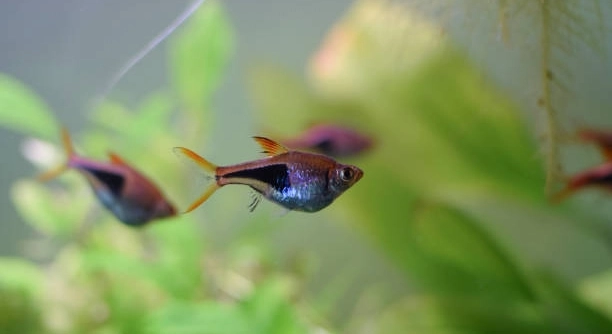
Are your rasboras suddenly showing signs of rapid breathing, leaving you concerned about their well-being? This behavior can be alarming, especially for those who care deeply about maintaining a healthy and balanced aquarium environment for their fish.
Rapid breathing in rasboras is typically caused by environmental stressors, including poor water quality, low oxygen levels, high temperatures, or disease. Addressing these factors promptly ensures proper gill function and helps prevent further health complications in your fish.
Understanding these causes will help you create a safer environment for your rasboras and maintain their overall health and comfort in the aquarium.
Common Causes of Rapid Breathing in Rasboras
Rapid gill movement in rasboras is often linked to changes in their environment. Poor water quality, including high levels of ammonia or nitrites, can irritate their gills and make breathing difficult. Low oxygen levels in the tank can also force them to breathe faster, especially in overcrowded conditions. High water temperatures reduce oxygen solubility, further stressing the fish. Illnesses like gill parasites or bacterial infections can directly affect respiratory function, causing visible distress. Observing behavior changes, such as staying near the surface or gasping at the waterline, can indicate underlying problems. Sudden changes in lighting or water chemistry can increase stress, leading to rapid breathing as a physiological response. Regular monitoring of tank conditions and careful observation of fish behavior helps detect early signs of trouble. A well-maintained environment with proper filtration, aeration, and temperature control minimizes these risks and promotes healthier breathing patterns in your rasboras.
Maintaining clean, oxygen-rich water is essential for rasboras to breathe normally and remain healthy in your tank.
Rapid breathing may also result from long-term stress or subtle environmental changes. Ensuring a consistent, stable habitat reduces strain on your fish. Adding live plants or proper aeration can increase oxygen levels. Avoid sudden water changes, as they can shock gill function. If disease is suspected, quarantine and treatment are necessary to prevent spreading. Feeding high-quality food supports their immune system, allowing them to cope better with minor stress. Keeping the tank at the correct temperature range prevents oxygen depletion. Observing behavior regularly helps catch problems early. Providing hiding spots and minimizing aggressive tank mates lowers stress levels. Clean filters and regular water testing create a safe, healthy environment. Combining these practices maintains optimal conditions for normal breathing and overall vitality in your rasboras.
How to Improve Water Conditions for Healthy Breathing
Regular water testing identifies issues like ammonia or nitrite spikes that affect breathing. Keeping the tank clean prevents toxins from building up.
Improving water conditions requires consistent care and attention. Perform partial water changes weekly to remove waste and reduce harmful chemicals. Ensure your filtration system is functioning properly and is sized for the tank. Increasing aeration with an air stone or adjusting the flow of the filter can raise oxygen levels effectively. Avoid overcrowding the tank, as too many fish compete for oxygen and space, stressing gills. Monitor temperature carefully, keeping it within the species’ recommended range. Adding live plants can also enhance oxygenation naturally. Maintaining these conditions reduces stress and helps rasboras breathe more comfortably. Observation is key; noticing changes in behavior can signal water-related problems before they worsen. Consistency in maintenance and careful attention to environmental factors ensures your rasboras thrive in a stable, healthy habitat.
Signs of Stress in Rasboras
Rapid gill movement is often accompanied by other stress indicators. Rasboras may hide more than usual, lose their vibrant coloration, or swim erratically. Observing these changes early can help prevent long-term health issues.
Behavioral changes often signal environmental or health problems. Rasboras may cling to tank surfaces, hover near the filter output, or avoid swimming freely. Loss of appetite and sudden lethargy are also common signs. Stress can weaken their immune system, making them more prone to infections and illness. Monitoring these behaviors daily allows for quick adjustments in tank conditions, such as improving water quality or removing aggressive tank mates, which helps restore normal breathing patterns.
Physical signs may also be subtle. Fin clamping, pale gills, or small lesions can indicate stress-related issues. Ensuring proper nutrition, stable water parameters, and minimal disturbances supports recovery. Providing plants or decorations offers hiding spots that reduce tension. Observing group behavior is important, as stressed rasboras may influence the rest of the school. Acting promptly to these signs prevents worsening of symptoms and promotes overall health.
Preventing Rapid Breathing Through Proper Care
Consistent maintenance and observation are key to preventing rapid breathing. Regular water changes, proper feeding, and a stable environment reduce stress and support respiratory health.
Setting up a tank that meets rasboras’ needs is essential. Maintain a clean environment with regular partial water changes and functional filtration. Monitor water temperature, pH, and oxygen levels consistently to avoid sudden shifts that can trigger rapid breathing. Avoid overstocking, as overcrowding increases competition for oxygen and heightens stress. Feeding small amounts of balanced food daily ensures they receive necessary nutrients without polluting the water. Including live plants helps oxygenate the tank naturally and provides shelter. Minimal sudden disturbances, like rapid movements or loud noises, also help maintain a calm environment.
Long-term care strategies improve breathing and overall well-being. Consistent monitoring of water quality prevents chemical buildup that irritates gills. Observing behavior daily allows early detection of stress or illness, ensuring quick corrective actions. Proper tank layout with open swimming areas and hiding spaces reduces tension within the school. Feeding a varied, high-quality diet supports immune function and growth, making fish more resilient to environmental stress. Over time, these measures stabilize the habitat, encourage natural behavior, and keep breathing patterns normal. Maintaining routine care and vigilance fosters a healthy, thriving aquarium where rasboras can flourish.
Common Water Quality Issues
High ammonia or nitrite levels can irritate rasbora gills, causing rapid breathing. Poor filtration or infrequent water changes often contribute to these problems. Maintaining clean water is essential for their health.
Low oxygen levels also stress fish. Overcrowding or high temperatures reduce oxygen availability, forcing rasboras to breathe faster. Proper aeration and careful stocking help prevent this.
Disease and Parasites
Gill infections or parasites can directly impact breathing. Bacterial or fungal growth on gills makes oxygen intake difficult, leading to visible rapid gill movement. Quarantining affected fish and using targeted treatments helps control infections and prevents spread to the rest of the tank.
Temperature Fluctuations
Sudden changes in water temperature can stress rasboras, causing increased breathing rates. Consistently monitoring and maintaining appropriate temperature prevents respiratory stress and supports overall fish health.
FAQ
Why is my rasbora breathing rapidly after a water change?
Rapid breathing after a water change usually indicates a sudden shift in water parameters. Even small differences in temperature, pH, or chemical composition can stress rasboras. They are sensitive to abrupt changes, and their gills react quickly to maintain oxygen balance. To prevent this, perform gradual water changes and match the new water’s temperature and pH as closely as possible to the tank. Adding water conditioners to neutralize chlorine and chloramines also helps reduce irritation. Observing fish for a few hours after a water change allows you to ensure they recover and return to normal breathing patterns without ongoing stress.
Can overfeeding cause rapid breathing?
Yes, overfeeding can indirectly lead to rapid breathing. Excess food decomposes in the tank, increasing ammonia and nitrite levels. These chemicals irritate gills, making rasboras breathe faster. Uneaten food also encourages bacterial growth, which further decreases water quality. Feeding small portions once or twice daily, removing uneaten food promptly, and maintaining proper filtration keeps the tank clean. A balanced diet with quality flakes or pellets ensures nutrition without creating excess waste. Overfeeding can also increase stress, reducing the fish’s immunity to illness, which may worsen breathing problems if combined with poor water conditions.
Does tank overcrowding affect rasbora breathing?
Overcrowding can significantly impact oxygen availability. When too many fish share limited space, competition for oxygen increases, leading to rapid gill movement. Crowded conditions also heighten stress, making fish more susceptible to illness. Maintaining proper stocking levels, usually one rasbora per two liters of water, ensures adequate space and oxygen distribution. Proper aeration and filtration can help in slightly fuller tanks, but overstocking should always be avoided. Observing how the fish interact and swim can indicate whether space is sufficient. Stress from overcrowding often appears as pale colors, clamped fins, and rapid breathing, signaling the need for adjustments.
Could illness be the reason for rapid breathing?
Diseases such as bacterial infections, fungal infections, or gill parasites directly affect respiratory function. Infected gills cannot process oxygen efficiently, forcing fish to breathe faster. Symptoms often include lethargy, loss of appetite, or visible gill damage. Quarantining the affected fish and treating with appropriate medications can prevent the spread to healthy individuals. Maintaining clean water, stable temperatures, and a stress-free environment reduces disease risk. Observing fish regularly allows early detection, making treatment more effective. Quick intervention improves recovery chances and restores normal breathing. Prevention through consistent tank maintenance is always more effective than relying on reactive treatments.
Is low oxygen in the tank a common cause?
Low oxygen is a frequent reason for rapid gill movement. High temperatures, poor aeration, or insufficient water circulation decrease oxygen availability. Rasboras may stay near the surface or gasp at water inlets when oxygen is limited. Installing air stones, increasing water movement, and keeping the tank well-planted can improve oxygen levels. Ensuring proper filtration circulation distributes oxygen evenly. Monitoring temperature and avoiding overcrowding helps maintain a stable oxygen supply. Quick action to correct oxygen deficiencies prevents long-term stress, supports immune function, and maintains healthy breathing in rasboras.
How do temperature changes affect breathing?
Sudden or prolonged temperature fluctuations stress rasboras and affect oxygen solubility. Warmer water holds less oxygen, making it harder for fish to breathe. Cold water can shock their system, temporarily increasing gill movement. Keeping the tank within the recommended temperature range, typically 24–28°C, ensures stability. Using a reliable heater and thermometer helps maintain consistent conditions. Gradual adjustments are safer when altering temperature for tank maintenance or seasonal changes. Observing fish during transitions helps detect early signs of stress, allowing corrective action before breathing problems become severe.
Can stress from tank mates cause rapid breathing?
Aggressive or territorial tank mates can stress rasboras, resulting in rapid breathing. Constant chasing or competition for food raises stress hormones, affecting gill function. Providing hiding spots, ensuring compatible species, and maintaining sufficient space can reduce tension. Stress management through proper tank setup encourages calm behavior and normal respiration. Regular observation of interactions helps identify problematic fish. Minimizing disturbances from external sources like loud noises or sudden movements also supports a stable environment.
When should I seek professional advice?
If rapid breathing persists despite optimal water conditions, proper feeding, and stress reduction, it may indicate a serious underlying illness. Consulting a veterinarian specializing in fish or an experienced aquarist ensures accurate diagnosis and treatment. Early intervention prevents complications and improves survival chances. Documenting water parameters, feeding habits, and behavioral changes helps professionals provide precise recommendations. Quick professional guidance can save the fish and prevent outbreaks that may affect the entire tank.
Final Thoughts
Rapid breathing in rasboras is often a sign that something in their environment or health needs attention. Water quality is the most common factor affecting gill function. High ammonia, nitrite, or nitrate levels can irritate gills and make breathing difficult. Overcrowding and poor aeration also reduce oxygen availability, forcing fish to breathe faster. Temperature fluctuations further affect oxygen solubility and can stress your fish. By keeping a clean tank, maintaining stable water parameters, and ensuring proper filtration and aeration, many breathing issues can be prevented. Observing your rasboras regularly helps catch changes early, allowing adjustments before problems become severe.
Stress and illness are other important factors to consider. Rapid gill movement can result from bacterial or fungal infections, gill parasites, or even injuries. Behavioral signs like hiding, clamped fins, pale coloration, or reduced appetite often accompany these issues. Stress from aggressive tank mates, sudden environmental changes, or overfeeding can also affect respiratory health. Providing hiding spots, minimizing disturbances, and ensuring a calm, balanced community tank helps rasboras feel secure. Early detection and proper treatment of illnesses are essential to restore normal breathing. Quarantining new or sick fish can prevent the spread of disease and maintain overall tank health.
Long-term care and prevention are the best ways to maintain healthy breathing. Regular water testing, gradual water changes, proper feeding, and stable temperature all contribute to a stress-free environment. Live plants can help increase oxygen levels while providing natural shelter, encouraging calm behavior and normal respiration. Paying attention to fish behavior allows you to address subtle problems before they worsen. Over time, consistent care ensures your rasboras thrive in a safe and stable habitat. Maintaining these routines not only improves their breathing but also supports overall health, vitality, and longevity, giving you a healthy, balanced aquarium to enjoy.

Hello,
If you enjoy the content that we create, please consider saying a "Thank You!" by leaving a tip.
Every little bit helps us continue crafting quality advice that supports the health, happiness, and well-being of pets around the world, for pets of all shapes, sizes, and species.
We really appreciate the kindness and support that you show us!