
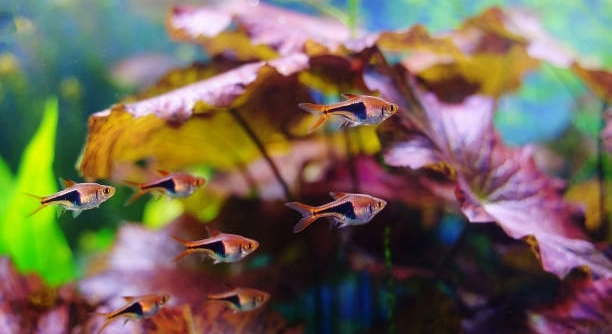
Transporting rasboras can be a stressful experience for these small, delicate fish. Changes in water, temperature, and movement can trigger physical and behavioral responses, making it essential for owners to understand how travel affects their well-being.
Rasboras handle travel stress primarily through physiological and behavioral adjustments. They may reduce activity, change swimming patterns, and rely on their innate stress response systems to cope with sudden environmental changes, minimizing energy expenditure while maintaining essential bodily functions.
Knowing how rasboras react can help you prepare for safe, less stressful transport and ensure their health remains stable during travel.
Preparing Rasboras for Travel
Before moving rasboras, it is important to create a stable environment. Gradually adjust them to a transport container, ensuring water from their tank is included to reduce shock. Maintain consistent temperature and avoid sudden light changes. Adding a small amount of stress-relief solution can calm them. Keep the container secure to prevent tipping or excessive movement. Gentle handling is crucial, as sudden movements can cause injury or further stress. Observe the fish closely for signs of agitation, such as rapid gill movement or erratic swimming. Limiting external disturbances, like loud noises or vibrations, helps them remain calm. Short-term fasting before transport can reduce waste production, keeping water cleaner. Ensuring proper oxygen levels and avoiding overcrowding are essential steps. Each of these measures contributes to minimizing stress and preserving the health of rasboras during transitions. Small, careful preparations make a significant difference in their comfort.
Travel readiness requires careful attention to water quality, temperature, and container stability to reduce stress.
Transport preparation directly influences rasboras’ resilience. Sudden changes in water parameters can trigger stress responses, affecting their immune system and behavior. By acclimating them gradually, using water from their tank, and maintaining stable temperature, their bodies can adjust without shock. Oxygen levels must be sufficient, and overcrowding avoided, to prevent physical strain. Observing behavior during preparation allows early detection of stress, while gentle handling reduces risk of injury. Fasting briefly lowers waste accumulation, keeping water cleaner. Even small disturbances, like vibrations or sudden noise, can elevate stress hormones, so a calm environment is necessary. Using stress-relief additives can further support their physiology. Overall, methodical preparation creates conditions for a smoother transition, ensuring that rasboras remain healthy and active throughout handling. This careful approach demonstrates that attention to detail significantly reduces stress and supports long-term well-being.
Signs of Travel Stress in Rasboras
Stress in rasboras often shows as sluggish movement, clamped fins, or loss of appetite.
Behavioral changes can indicate distress. Rapid gill movement, darting, or hiding are common signs, reflecting the fish’s efforts to cope. Stress can also weaken immunity, making them prone to illness if not addressed promptly. Observing these behaviors allows timely interventions.
Minimizing Stress During Transport
Keeping rasboras calm during transport relies on stable water and minimal movement. Covering the container and reducing light exposure can help. Avoid overcrowding, and make sure oxygen levels are sufficient. Small, gentle adjustments go a long way in preventing stress.
Using a soft container liner and adding water from their tank reduces sudden changes. Secure the lid to prevent tipping, and maintain a consistent temperature to avoid shock. Avoid tapping the container or exposing it to loud sounds. Short-term fasting helps keep the water cleaner. Observing fish behavior during transport allows immediate action if stress signs appear. Even minor care measures significantly impact their comfort.
Movement should be slow and deliberate. Handling must be minimal to reduce physical strain. Keep the environment quiet and stable. Adding a small amount of stress-relief solution can further calm them. These actions help ensure rasboras remain healthy and active during transit.
Post-Transport Care
Immediately after transport, acclimating rasboras to their new tank is crucial. Gradually mix transport water with tank water to prevent shock.
Rasboras need a calm environment after moving. Avoid sudden lighting or loud sounds and monitor them closely for abnormal behavior. Feed lightly to allow their digestive system to adjust. Check water parameters such as pH, temperature, and ammonia levels. Clean water and stable conditions support recovery. If any fish show signs of stress, isolate them if necessary to prevent further strain. Consistent observation ensures they adapt smoothly.
Reintroducing rasboras requires patience. Provide hiding spaces to reduce anxiety and maintain stable temperature and filtration. Avoid overcrowding and excessive feeding during the first few days. Monitor for clamped fins, sluggish swimming, or loss of appetite, and adjust care accordingly. Gradual acclimation and careful observation promote long-term health. Stress-relief solutions may assist recovery, but maintaining a stable, quiet environment is the most effective strategy. Supporting them gently during this phase helps restore energy and encourages normal behavior quickly.
Common Stress Triggers
Sudden changes in temperature or water quality can quickly stress rasboras. Excessive movement, bright light, and overcrowding also contribute. Recognizing these factors helps in planning safe transport and minimizing negative impacts on their health.
Handling and loud vibrations during transport can further aggravate stress. Even minor disturbances can trigger rapid gill movement or erratic swimming, making careful control of the environment essential for their well-being.
Monitoring Health After Transport
After moving rasboras, observe them closely for signs of stress. Reduced appetite, clamped fins, or lethargy are common indicators. Maintaining clean water, stable temperature, and minimal disturbance supports recovery. Adjust feeding gradually and ensure proper oxygenation to help them regain strength.
Environmental Adjustments
Providing hiding spots and gentle filtration can reduce stress. Maintaining consistent lighting and quiet surroundings helps rasboras adapt more comfortably.
FAQ
How long can rasboras be transported safely?
Rasboras can typically handle a few hours of transport if conditions are stable. Ensuring proper oxygen levels, avoiding overcrowding, and maintaining consistent temperature are key factors. Shorter transport times reduce stress, but careful preparation allows them to endure longer periods if necessary.
What is the best container for transporting rasboras?
A sturdy, clean container with a secure lid works best. Using water from their tank helps reduce shock. Soft liners or cushioning prevent injury from sudden movement. Avoid transparent containers in bright light and make sure there is enough space for all fish to move comfortably.
Should rasboras be fed before transport?
It is generally better to fast them briefly before transport. Fasting for 12–24 hours reduces waste accumulation in the container, keeping water cleaner. After transport, feed lightly to allow their digestive system to adjust gradually to the new environment.
How can I reduce stress during transport?
Minimizing sudden movements and vibrations is crucial. Covering the container to reduce light exposure and maintaining stable water temperature helps. Stress-relief additives can be used cautiously, but gentle handling and careful observation remain the most effective strategies.
What signs indicate rasboras are stressed?
Common stress signs include clamped fins, erratic swimming, rapid gill movement, or lethargy. Loss of appetite is also an indicator. Observing these behaviors early allows quick adjustments to the environment and care practices to prevent further health issues.
How do I acclimate rasboras to a new tank after transport?
Gradually mix transport water with tank water over 20–30 minutes to prevent shock. Maintain stable temperature, gentle filtration, and quiet surroundings. Provide hiding spaces and avoid sudden light changes. Feed lightly and monitor behavior closely to ensure a smooth adjustment period.
Can stress affect rasboras’ long-term health?
Yes, prolonged or repeated stress weakens the immune system, making them more susceptible to disease. Consistent care, proper transport preparation, and post-transport acclimation reduce the risk of long-term health problems and support overall vitality.
Is it necessary to use a stress-relief solution?
Stress-relief solutions are optional but can help calm rasboras. Use according to instructions and in moderation. They are not a substitute for careful handling, proper water quality, and minimizing environmental stressors, which remain the most important factors for healthy fish.
What water conditions help reduce travel stress?
Stable temperature, neutral pH, and clean, dechlorinated water are essential. Including some tank water in the transport container helps maintain familiar conditions. Avoid sudden chemical additions or temperature shifts, as these can increase stress and compromise their immune response.
How can I handle rasboras safely during transport?
Use soft nets or gentle scooping to transfer them. Avoid squeezing or rapid movements. Keep containers steady and minimize unnecessary handling. Observing them carefully during handling ensures they remain calm and reduces the risk of injury.
What should I do if a rasbora shows severe stress?
Immediately isolate the affected fish in a small, quiet tank with clean, stable water. Reduce feeding and monitor closely. Ensure proper oxygenation and minimal disturbance. If stress symptoms persist, consult a veterinarian experienced with fish for guidance on treatment.
How often should water be changed during longer transport?
For transports longer than a few hours, small water changes may be necessary to maintain oxygen levels and remove waste. Use water that matches the original tank’s temperature and pH to avoid additional stress. Keep changes gradual and controlled.
Can lighting affect rasboras during transport?
Yes, bright light can increase stress. Covering the container or using a dimmed environment helps keep fish calm. Sudden exposure to intense lighting may trigger rapid movement or agitation, so maintaining consistent, gentle lighting is ideal.
How can I reduce the risk of disease after transport?
Ensure clean water, stable temperature, and minimal handling. Avoid overcrowding and monitor behavior for early signs of illness. Gradual acclimation and careful observation reduce the likelihood of disease caused by stress or weakened immunity.
Are there differences between rasbora species in handling travel stress?
Yes, some species are more sensitive to changes in water quality or temperature. Research the specific species you own to understand their tolerance levels. Adjust transport methods and acclimation practices according to their unique needs.
What temperature is ideal during transport?
Maintain a stable temperature close to the fish’s natural tank environment. Sudden drops or increases can cause shock. Use insulated containers or heating/cooling methods if needed to keep temperature within safe limits.
How long does it take for rasboras to recover after transport?
Recovery usually takes a few hours to a couple of days. Providing calm surroundings, stable water conditions, and minimal disturbance supports faster adjustment. Monitor feeding and activity levels to ensure full recovery.
Can I transport rasboras with other species?
It is not recommended. Mixing species can increase stress and the risk of injury. Transporting only rasboras in a controlled environment ensures their safety and reduces the likelihood of aggressive interactions.
What should I do if multiple fish are stressed?
Check water quality and container conditions first. Ensure proper oxygenation, temperature, and minimal movement. Isolate severely stressed individuals if necessary. Gradual acclimation and careful observation help the group recover more quickly.
How do I prevent future stress during transport?
Consistent preparation, proper handling, stable water conditions, and gradual acclimation for each move are key. Observing behavior, maintaining calm environments, and addressing signs of stress early ensure safer and less stressful experiences for rasboras.
This FAQ provides practical, straightforward guidance to ensure rasboras remain healthy and calm during transport and post-transport care.
Final Thoughts
Transporting rasboras can be a delicate process, but careful preparation makes it manageable. These small, sensitive fish respond quickly to changes in water, temperature, and movement, so every step taken to reduce stress matters. Using water from their tank, maintaining consistent temperature, and providing a secure, stable container are essential measures. Even small adjustments, such as covering the container to reduce light exposure or minimizing vibrations, can significantly influence their comfort. Paying attention to these details ensures that the fish remain healthy and active during transport, reducing the risk of stress-related problems. By taking a systematic and careful approach, the overall experience becomes smoother for both the fish and the person handling them.
Post-transport care is equally important, as rasboras need time to acclimate to their new environment. Gradual mixing of transport water with tank water prevents sudden changes in water chemistry that could shock their system. Providing hiding spaces and keeping the tank environment calm and stable supports recovery. Monitoring behavior, such as swimming patterns, fin position, and appetite, helps identify stress early. Feeding should be done lightly at first, allowing their digestive system to adjust. Maintaining clean water, proper oxygenation, and stable temperature supports their immune system and reduces the likelihood of illness. A consistent routine and gentle observation during this period help rasboras regain normal behavior and energy.
Understanding the factors that affect travel stress allows for better long-term care of rasboras. Awareness of common stress triggers, careful handling, and proper acclimation are key components to keeping them healthy. Each step, from preparation to post-transport observation, contributes to their well-being. Regular monitoring and minor adjustments to the environment help prevent future stress. By focusing on stability, calm surroundings, and careful attention to behavior, owners can ensure that their rasboras continue to thrive. With patience and mindfulness, the challenges of moving these fish become manageable, and their overall health and happiness are preserved. Proper care during transport reflects a commitment to their long-term welfare and helps maintain their vibrant activity in the aquarium.

Hello,
If you enjoy the content that we create, please consider saying a "Thank You!" by leaving a tip.
Every little bit helps us continue crafting quality advice that supports the health, happiness, and well-being of pets around the world, for pets of all shapes, sizes, and species.
We really appreciate the kindness and support that you show us!