
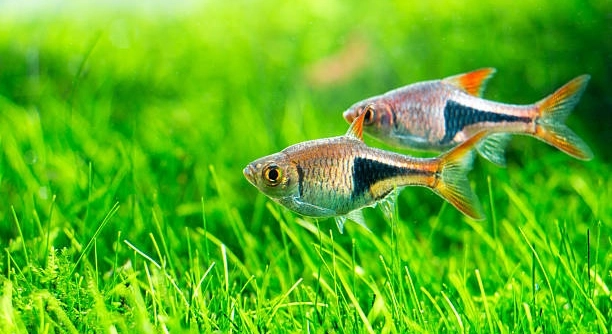
Introducing rasboras to a new aquarium can be both exciting and challenging. These small, vibrant fish are sensitive to sudden changes, and their wellbeing depends on a careful, gradual approach to their new environment.
The key to a smooth introduction of rasboras involves acclimating them slowly to the tank conditions. Gradual adjustment to water parameters, careful observation, and minimal stress during transfer are essential steps to ensure their health and long-term survival.
Following simple yet effective techniques can make the process easier and more enjoyable for both you and your fish. These strategies promote a peaceful, balanced aquarium environment from the start.
Preparing the Tank Properly
Before introducing rasboras, the tank must be fully set up and cycled. Ensure the water parameters match their natural habitat, with stable temperature, pH, and hardness. Adding plants and hiding spots reduces stress and encourages natural behavior. Avoid sudden changes to the environment, as rasboras are sensitive to fluctuations. Regular testing of water quality helps detect any imbalances early. A well-prepared tank not only supports their health but also allows them to settle quickly. Filtration should be gentle to prevent strong currents that may overwhelm them. Lighting should mimic a natural day-night cycle to help rasboras adjust comfortably. Cleaning the substrate before introducing fish prevents contamination and keeps water clarity high. Introducing other fish should be done only after the rasboras are acclimated, ensuring harmony.
Once the tank is ready, the introduction process becomes much smoother, minimizing stress and promoting healthy adaptation.
Keeping the environment consistent and observing the fish closely during the first few days ensures they establish routines and interact naturally without aggression or hiding excessively.
Acclimating Rasboras Slowly
Acclimation prevents shock and helps rasboras adjust to the new water conditions.
Start by floating the sealed bag in the tank for 15-20 minutes to equalize temperature. Gradually mix small amounts of tank water into the bag every five minutes over 30-45 minutes. This slow adjustment allows them to tolerate different pH and hardness levels. Avoid pouring the bag water directly into the tank to prevent introducing contaminants. Observing their behavior during this period can indicate stress levels, such as rapid gill movement or frantic swimming. A calm approach reduces mortality and ensures a successful transition. Using a net to transfer the fish gently into the tank further minimizes stress. Once in the tank, avoid feeding for a few hours so they can acclimate comfortably and explore their new environment.
Proper acclimation is one of the most effective ways to ensure rasboras thrive. This method reduces shock, encourages healthy activity, and allows them to settle into the tank naturally. Over time, they become confident swimmers, interact peacefully with other species, and show their vibrant colors. Consistent monitoring during the first week helps detect any signs of illness early, allowing timely intervention. By taking the time to acclimate slowly, you create a stable foundation for their health and well-being, fostering a calm and balanced aquarium where rasboras can flourish alongside other tank inhabitants.
Choosing Compatible Tank Mates
Rasboras do best with peaceful fish that won’t compete aggressively for food. Avoid large or territorial species that may stress them out. Small schooling fish or calm bottom dwellers are ideal companions. Proper selection ensures harmony and reduces the risk of injuries or constant hiding.
Introducing compatible tank mates requires observation and planning. Fish should have similar water parameter requirements and temperaments. Adding too many new fish at once can cause stress and increase the risk of disease. Gradual introductions and monitoring interactions help maintain balance. Even compatible species need space, hiding spots, and stable conditions to coexist peacefully. A well-planned community tank promotes healthy behavior, active swimming, and visible colors, allowing each species to thrive without fear or aggression.
Monitor interactions closely during the first weeks. Signs of stress like chasing, hiding, or rapid breathing should be addressed by rearranging decorations or separating incompatible species. Providing enough swimming space and plants ensures rasboras feel secure.
Feeding and Nutrition
Offer a varied diet to keep rasboras healthy and vibrant. Include high-quality flakes, micro pellets, and occasional live or frozen foods.
Feeding small amounts multiple times a day prevents overeating and reduces water pollution. Rasboras have tiny mouths and digest food quickly, so portion control is essential. Observe how they respond to different foods and adjust accordingly. Some may prefer live brine shrimp or daphnia, which also enhance natural behavior. Avoid feeding large or hard-to-eat items that could cause choking or digestive issues. A consistent feeding schedule supports growth, coloration, and activity levels.
Supplementing their diet with occasional plant matter or algae-based foods provides essential nutrients and improves overall health. Over time, a balanced diet encourages natural schooling behavior and reduces aggression. Feeding at the same time daily creates a routine that reduces stress and supports digestive health. Observing feeding habits helps detect early signs of illness or nutrient deficiencies. Providing clean, uncontaminated food in small portions ensures the tank remains clean, preventing excess waste and maintaining stable water quality for all inhabitants.
Maintaining Water Quality
Clean water is essential for rasboras to stay healthy and active. Regular water changes and monitoring of ammonia, nitrite, and nitrate levels prevent stress and disease.
Using a gentle filter and avoiding overfeeding helps maintain clarity. Testing water frequently ensures stable conditions and prevents sudden fluctuations that can harm the fish.
Monitoring Behavior
Observing rasboras daily allows early detection of illness or stress. Look for changes in swimming patterns, color, or appetite.
Healthy rasboras swim actively, school together, and explore their surroundings. Sudden hiding, lethargy, or clamped fins can indicate water issues, disease, or aggression. Early attention to these signs ensures prompt action and recovery.
Adding Decorations and Plants
Plants and decorations provide hiding spots and reduce stress. Dense foliage mimics natural habitats and encourages natural behavior.
Gradual Lighting Adjustment
Sudden bright light can stress rasboras. Introduce lighting gradually to simulate a natural day-night cycle and support healthy activity.
FAQ
How many rasboras should I keep together?
Rasboras are schooling fish and feel most comfortable in groups. Keeping at least six individuals helps reduce stress and encourages natural behavior. Small groups may feel insecure and hide frequently, while larger schools display active swimming and social interaction.
What water temperature is ideal for rasboras?
Rasboras thrive in tropical conditions. Maintaining a temperature between 72°F and 78°F provides a stable environment. Sudden changes in temperature can stress them and weaken their immune system, so using a reliable heater and thermometer is important.
Can rasboras live with other fish?
Yes, but compatibility is key. Peaceful, small species that share similar water parameters are best. Avoid aggressive or large fish, which may chase or harm rasboras. Community tanks with calm bottom dwellers and other small schooling fish work well.
How often should I feed rasboras?
Feeding small portions two to three times a day is recommended. Overfeeding can lead to water pollution and health issues. Offer a mix of high-quality flakes, micro pellets, and occasional live or frozen foods for variety and balanced nutrition.
Do rasboras need live plants in the tank?
Live plants are beneficial but not mandatory. They provide hiding spots, reduce stress, and improve water quality. Floating plants and dense foliage help rasboras feel secure and encourage natural schooling behavior. Artificial plants can work if placed thoughtfully.
What signs indicate a sick rasbora?
Watch for lethargy, clamped fins, faded color, or loss of appetite. Rapid breathing, erratic swimming, or staying at the surface or bottom for long periods can indicate illness. Early detection is crucial to prevent disease spread and ensure recovery.
How do I introduce rasboras to a new tank?
Acclimation is essential. Float the sealed bag in the tank for 15-20 minutes to equalize temperature. Gradually mix small amounts of tank water into the bag over 30-45 minutes. Then, gently transfer the fish using a net to avoid stress.
Can rasboras tolerate different pH levels?
Rasboras prefer slightly acidic to neutral water, around 6.5 to 7.5 pH. Sudden shifts can cause stress or illness. Regular testing and slow adjustments maintain a stable environment for healthy fish.
How long do rasboras live?
With proper care, rasboras can live 4 to 6 years. Maintaining stable water conditions, a balanced diet, and a stress-free environment contributes to their longevity and vibrant coloration.
Do rasboras need a lot of space?
While they are small, rasboras need swimming room. A tank of at least 20 gallons is ideal for a small school. Extra space reduces stress, encourages schooling, and prevents aggression or overcrowding issues.
How can I reduce stress in rasboras?
Provide hiding spots, maintain water quality, and avoid sudden changes in temperature or lighting. Keeping them in schools and minimizing aggressive tank mates also reduces stress. Observing their behavior helps detect early signs of discomfort or illness.
Are rasboras sensitive to water changes?
Yes, they are sensitive. Small, frequent water changes are better than large, sudden ones. Gradual adjustments prevent shock and maintain stability in temperature, pH, and overall water chemistry, supporting their health and well-being.
Can rasboras eat live foods?
Yes, they enjoy live foods like brine shrimp, daphnia, and microworms. Live foods encourage natural hunting behavior and provide essential nutrients. Use them as occasional treats alongside regular flakes or pellets to maintain a balanced diet.
Is it okay to keep rasboras alone?
Rasboras are social and prefer company. Keeping a single fish can lead to stress, hiding, and reduced activity. A small school allows them to interact, swim confidently, and display their full colors naturally.
How do I prevent aggression in the tank?
Choose peaceful tank mates, maintain proper stocking levels, and provide hiding spots. Avoid introducing too many species at once. Observing interactions during the first few days allows you to separate incompatible fish and maintain a calm environment.
Can rasboras jump out of the tank?
Yes, rasboras may jump if stressed or startled. A secure lid with no gaps prevents escapes. Smooth surfaces and stable decorations reduce sudden movements that can trigger jumping. Keeping the tank calm also minimizes this risk.
How often should I clean the tank?
Regular partial water changes, weekly substrate cleaning, and filter maintenance keep water quality high. Overcleaning can remove beneficial bacteria, so balance is key. Clean only as needed while monitoring water parameters to maintain a healthy environment.
Do rasboras require specific lighting?
Lighting should mimic a natural day-night cycle. Moderate light encourages activity without causing stress. Sudden bright light or long periods of darkness can disrupt behavior and color. Plants or decorations can diffuse light and provide shaded areas for security.
Can rasboras breed in a community tank?
Breeding is possible but challenging with other fish present. They prefer quiet, planted areas for spawning. Providing a separate breeding tank increases success, protects eggs, and reduces stress on adult fish. Observing mating behavior helps determine the right conditions.
What is the best substrate for rasboras?
Fine gravel or sand works well. It allows plants to root and keeps the tank safe for small fish. Avoid sharp or rough substrates that may injure delicate fins or bodies. A natural-colored substrate enhances their appearance.
Introducing rasboras to a new tank can be simple when approached carefully and with patience. These small, schooling fish are sensitive to changes, so preparing their environment properly is essential. Ensuring stable water parameters, including temperature, pH, and hardness, provides a comfortable foundation for their health. A well-established tank with gentle filtration and enough space allows them to swim freely and display natural behaviors. Including plants and decorations not only improves the aesthetics of the aquarium but also gives rasboras hiding spots, reducing stress and encouraging confidence. Taking these steps before adding the fish helps prevent common problems such as shock, illness, or erratic behavior, giving the fish the best possible start in their new home.
Proper acclimation and careful handling are critical during the introduction process. Floating the bag to match temperatures and gradually mixing tank water helps rasboras adjust to new conditions without sudden stress. Using a net to transfer them into the tank and avoiding sudden movements reduces the risk of injury or panic. Observing the fish during the first few hours is important to ensure they settle and begin exploring their surroundings. Feeding should be done in small portions, allowing them time to acclimate without overwhelming the system. Gradual adjustments in lighting and regular monitoring of behavior help the fish establish routines and thrive. These small, consistent actions create a stable and healthy environment that supports long-term wellbeing.
Maintaining a harmonious tank involves attention to water quality, feeding, and interactions with other species. Rasboras do best in groups, and selecting compatible tank mates prevents aggression and stress. Regular partial water changes, substrate cleaning, and monitoring parameters like ammonia, nitrite, and nitrate keep the water safe and clear. Providing a varied diet ensures proper nutrition, while occasional live or frozen foods support natural behavior. Watching for signs of illness or stress allows for early intervention and prevents problems from escalating. By focusing on these elements, a tank with rasboras can remain balanced, active, and visually appealing. With patience, planning, and care, rasboras can thrive in a community aquarium, offering vibrant colors, lively movement, and a peaceful presence that enhances the overall environment.

Hello,
If you enjoy the content that we create, please consider saying a "Thank You!" by leaving a tip.
Every little bit helps us continue crafting quality advice that supports the health, happiness, and well-being of pets around the world, for pets of all shapes, sizes, and species.
We really appreciate the kindness and support that you show us!