
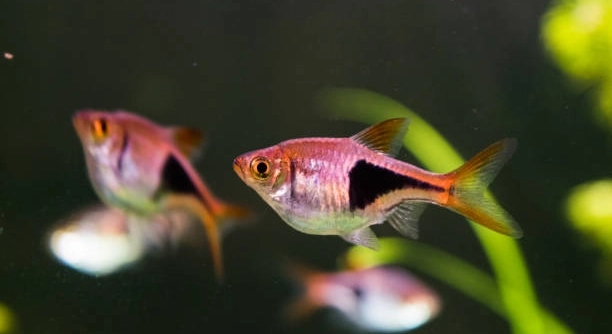
Many aquarists enjoy keeping rasboras for their vibrant colors and peaceful nature. Ensuring these fish thrive requires attention to details, especially water temperature. Small mistakes can lead to stress, illness, or even shorter lifespans for these delicate fish.
The most frequent mistakes with rasbora water temperatures include sudden fluctuations, setting temperatures too high or low, improper heating equipment, inadequate monitoring, neglecting acclimation periods, inconsistent water changes, and failing to match species-specific temperature preferences. These errors can significantly impact health and behavior.
Understanding these common pitfalls will help you maintain a stable environment. Proper temperature management supports healthier, more active, and longer-living rasboras in your aquarium.
Sudden Temperature Fluctuations
Rapid changes in water temperature can shock rasboras. Even small swings can cause stress, weaken their immune system, and make them more susceptible to disease. These fish thrive in stable environments, and abrupt shifts, such as turning off a heater at night or leaving a tank near a drafty window, can create harmful conditions. Monitoring water consistently helps prevent these problems. Using a reliable thermometer and maintaining a consistent heating schedule reduces the risk of temperature swings. Gradual adjustments during seasonal changes are essential. Stress from fluctuations may show as lethargy, loss of appetite, or unusual swimming patterns. Tank size also plays a role, as smaller tanks tend to experience faster temperature shifts. Maintaining stability is key to ensuring rasboras remain active, healthy, and display their natural colors. Small, consistent efforts make a big difference in their overall well-being and lifespan.
Even minor temperature swings can impact behavior, feeding habits, and overall health in rasboras.
Keeping water steady supports their growth, reduces stress, and encourages natural behavior, resulting in a more balanced tank environment.
Incorrect Heating Equipment
Choosing the wrong heater can lead to uneven temperatures. Small heaters may not reach the entire tank, while overly powerful heaters can overheat sections of the water. Placement matters; the heater should allow circulation for consistent warmth. Thermostatic heaters are ideal to maintain precise control. Avoid cheap or unreliable models that fluctuate widely. Proper installation and regular checks ensure your rasboras remain in their optimal temperature range. A well-chosen heater helps prevent stress and promotes healthier activity levels.
Using the correct heater ensures a uniform, stable environment and prevents sudden spikes or drops in water temperature.
Investing in a high-quality heater tailored to your tank size minimizes maintenance issues and keeps rasboras healthy. Consistent temperatures support feeding, breeding, and immune function. Periodic checks are necessary to confirm settings are accurate, and backup thermometers can provide extra assurance. Proper equipment reduces the need for frequent adjustments, allowing for a stable tank ecosystem. This stability directly influences the overall vitality and coloration of your fish. Regular monitoring, combined with the right tools, ensures that rasboras experience minimal stress and can thrive in their environment without unexpected disruptions.
Neglecting Acclimation Periods
Rasboras need time to adjust to new water conditions. Placing them directly into a tank with a different temperature can cause stress or illness.
Gradual acclimation helps rasboras adapt safely. Float the sealed bag in the tank for 15–20 minutes to match water temperature. Slowly add small amounts of tank water to the bag over 30–60 minutes. This reduces shock and allows their bodies to adjust. Rushing this process can lead to stress, weakened immunity, and increased vulnerability to disease. Taking time for proper acclimation sets a foundation for healthier behavior, better feeding response, and stronger overall health.
Skipping proper acclimation can result in sudden temperature stress, which may show as lethargy, hiding, or erratic swimming. Following a patient, step-by-step introduction process ensures rasboras settle comfortably into their new environment and begin thriving.
Inconsistent Water Changes
Irregular water changes can make temperature regulation harder. Old water may retain heat differently, causing fluctuations that affect rasboras.
Consistent water changes stabilize both temperature and water quality. Removing 10–20% of water weekly and replacing it with properly conditioned water prevents buildup of waste and harmful chemicals while maintaining temperature balance. Sudden large changes can shock fish, so smaller, regular adjustments are better. Monitoring temperature during changes ensures that replacement water matches the tank’s conditions. Keeping a steady routine supports healthy behavior, proper feeding, and natural activity patterns.
Proper scheduling and measurement are essential. Combining regular water changes with careful temperature monitoring ensures rasboras remain stress-free. This approach maintains their vitality, reduces disease risk, and supports overall tank harmony, providing a healthier and more stable environment for the fish.
Setting Temperatures Too High
Excessively warm water can stress rasboras, causing faster metabolism and reduced oxygen levels. Avoid setting heaters above the recommended range for the species.
High temperatures increase vulnerability to disease and shorten lifespan. Maintaining a safe, consistent range keeps rasboras active, healthy, and comfortable in their environment.
Setting Temperatures Too Low
Water that is too cold slows metabolism, weakens the immune system, and can lead to lethargy. Rasboras are tropical fish that need warmth to thrive. Maintaining consistent, species-appropriate temperatures ensures proper feeding, growth, and activity levels. Regular monitoring prevents prolonged exposure to low temperatures, reducing health risks.
Ignoring Species-Specific Preferences
Different rasbora species require slightly different temperature ranges. Research the specific needs of your fish and adjust the heater accordingly to match their natural habitat. Proper attention to species preferences ensures long-term health, activity, and coloration.
FAQ
What is the ideal temperature range for rasboras?
Most rasboras thrive in water between 74°F and 79°F (23°C–26°C). Some species may tolerate slightly higher or lower temperatures, but staying within this range promotes stable behavior, proper feeding, and healthy growth. Consistent monitoring is important to avoid stress and health issues.
How can I prevent sudden temperature changes?
Using a reliable heater with a thermostat is essential. Avoid placing the tank near windows, doors, or vents that cause drafts. Regularly check the water temperature with a thermometer, and make gradual adjustments when needed to maintain stability.
How long should acclimation take for new rasboras?
Acclimation should take at least 30–60 minutes. Float the bag in the tank for 15–20 minutes, then slowly add small amounts of tank water to the bag. Gradual introduction prevents shock and helps the fish adjust safely to the new temperature.
Can I use any heater for a rasbora tank?
Not all heaters are suitable. Choose one that matches your tank size and has a built-in thermostat. Avoid cheap, unreliable models, as they can fluctuate and stress the fish. Proper placement and circulation ensure even heating.
How often should I change the water to maintain temperature stability?
Weekly water changes of 10–20% are ideal. Regular changes help maintain temperature and water quality. Avoid large or irregular changes, which can cause sudden shifts and stress. Always match replacement water to the tank’s temperature.
What are the signs my rasboras are stressed due to temperature?
Lethargy, hiding, erratic swimming, loss of appetite, and faded colors indicate temperature stress. Prompt adjustments and stable conditions can reverse these effects and improve overall health.
Is it necessary to measure temperature daily?
Daily checks are recommended, especially if your tank is small or affected by external conditions. A thermometer provides accurate readings and helps catch fluctuations before they impact the fish.
Can temperature affect breeding?
Yes. Proper temperatures encourage natural breeding behavior, while fluctuations or extremes can prevent spawning or harm eggs. Maintaining species-specific temperatures supports successful reproduction and healthier fry.
What should I do if my heater fails?
Immediately move the fish to a temporary heated container if possible. Monitor the tank closely and replace the heater quickly. Sudden drops or rises in temperature can be dangerous, so acting fast reduces stress and potential illness.
Do different rasbora species require different temperatures?
Yes. While most prefer 74°F–79°F, some species have narrower ranges. Research your specific species and adjust the heater accordingly. Providing the correct range ensures long-term health, proper feeding, and active behavior.
How can I tell if the temperature is too high or too low?
Too high: rapid breathing, lethargy, faded colors. Too low: sluggish movement, reduced appetite, hiding. Consistent monitoring and observation help detect early warning signs and prevent long-term damage.
Are small tanks harder to regulate in temperature?
Yes, small volumes fluctuate faster. Use a properly sized heater and monitor frequently. Gradual adjustments and avoiding external drafts help maintain stability in smaller tanks.
Can water changes shock rasboras if the water is a different temperature?
Yes, abrupt changes can stress fish. Always match replacement water temperature to the tank and add it gradually. Small, consistent adjustments minimize shock and keep fish healthy.
Is it okay to use a thermometer strip on the tank glass?
Thermometer strips are convenient but less accurate than digital or stick-on thermometers. For precise readings, use a reliable thermometer submerged in the water, especially if temperature control is critical for sensitive species.
How does temperature affect oxygen levels?
Higher temperatures reduce oxygen levels, which can stress fish. Cooler water holds more oxygen, but too cold slows metabolism. Maintaining a balanced, species-appropriate range ensures sufficient oxygen and stable health.
Can I combine different rasbora species in one tank regarding temperature?
Only if their preferred temperature ranges overlap. Mixing species with different requirements can stress one or more types. Research compatibility and adjust equipment to accommodate all species safely.
How often should I replace or check the heater?
Inspect monthly for proper function. Replace older heaters every few years or if they show irregular readings. Regular maintenance ensures consistent temperatures and reduces risk to the fish.
What happens if rasboras stay in incorrect temperatures long-term?
Long-term exposure can cause chronic stress, reduced immunity, illness, stunted growth, and shorter lifespan. Consistently maintaining proper temperatures supports health, activity, and coloration.
Can adding decorations or plants affect temperature?
Yes, dense decorations can create areas of slightly different temperatures. Ensure proper circulation and place heaters to maintain even warmth throughout the tank. Plants can also slightly buffer temperature changes, which can be beneficial if monitored carefully.
Are there natural ways to stabilize tank temperature?
Room insulation, avoiding direct sunlight, and keeping tanks away from drafts help. Plants and decorations can buffer small fluctuations, but heaters and consistent monitoring remain essential for precise control.
Does lighting affect water temperature?
Strong aquarium lighting can raise temperature slightly. Combine lighting management with a thermostat-controlled heater to maintain stable conditions, especially in small tanks or shallow aquariums.
How quickly should I adjust temperature if it’s off?
Adjust gradually, about 1–2°F per hour, to prevent shock. Sudden changes can stress fish and lead to illness. Patience ensures safer, healthier adaptation.
Can I rely on my aquarium’s room temperature to keep rasboras comfortable?
Room temperature alone is often insufficient, especially in cooler climates or small tanks. A heater with a thermostat ensures consistent, species-appropriate conditions. Monitoring is still necessary to avoid harmful fluctuations.
What’s the safest method to test water temperature?
Use a reliable digital thermometer or high-quality stick-on thermometer. Measure at different points in the tank to confirm consistency. Avoid relying solely on room temperature or heater settings without verification.
Do rasboras need cooler nights?
A slight nighttime drop is acceptable but should not exceed a few degrees. Maintaining overall stability is more important than minor fluctuations, which mimic natural conditions without causing stress.
Can temperature affect feeding habits?
Yes. Water that is too cold can reduce appetite, while high temperatures may increase metabolism excessively. Keeping the tank in the recommended range encourages normal feeding patterns and digestive health.
How do I combine water changes, acclimation, and temperature control effectively?
Use small, gradual water additions during acclimation and weekly changes, always matching tank temperature. Monitor with a thermometer, adjust the heater as needed, and avoid sudden shifts. This routine minimizes stress and promotes healthy, active rasboras.
Is monitoring one point in the tank enough?
Not always. Measure near the heater, in the center, and near the surface. Temperature can vary slightly, especially in larger tanks, so multiple readings ensure uniform conditions.
Can I use a backup heater?
Yes, especially in areas with unstable electricity. A secondary heater provides safety, ensuring the tank remains within the safe temperature range if the primary fails. Proper placement and monitoring are still required.
Do I need to adjust temperatures for different seasons?
Yes, seasonal changes in room temperature can affect the tank. Gradually adjust the heater to maintain consistent species-specific temperatures, ensuring rasboras remain stress-free year-round.
Can temperature fluctuations cause aggression in rasboras?
Yes. Stress from inconsistent temperatures can lead to unusual behavior, including aggression, hiding, or abnormal swimming patterns. Stable conditions reduce stress and maintain normal social behavior.
How do I know if my thermometer is accurate?
Calibrate using a cup of water with ice or boiling water as reference points. Regular checks against known temperatures ensure reliable readings and reduce the risk of exposing fish to harmful conditions.
Is it safe to use multiple heaters in one tank?
Yes, for large tanks or uneven heating, but ensure they are properly sized and monitored. Overlapping heaters should be calibrated to prevent overheating or conflicting temperature zones.
Can oxygenation methods help with temperature issues?
Aeration devices like air stones improve oxygen levels, which can mitigate stress in slightly warmer water. However, they do not replace proper temperature control and consistent monitoring.
How do I maintain ideal conditions for breeding rasboras?
Maintain species-specific temperatures consistently, provide clean water through regular changes, and ensure gradual acclimation. Stable conditions encourage spawning, egg development, and fry survival.
Should I combine temperature checks with other water parameters?
Yes. pH, hardness, and ammonia levels interact with temperature. Balanced parameters support overall health, reduce stress, and allow rasboras to thrive in a stable environment.
Can temperature stress be reversed?
Yes, if caught early. Stabilize the tank, ensure proper acclimation, and monitor behavior closely. Rasboras can recover fully if stress is addressed promptly.
How important is consistency compared to exact temperature?
Consistency is often more important than a precise degree. Stable conditions within the recommended range reduce stress, even if slightly above or below the ideal point. Gradual changes are always safer than sudden shifts.
Do temperature changes affect coloration?
Yes. Stress from inappropriate temperatures can fade colors. Maintaining stable, appropriate warmth supports vibrant, healthy appearance.
Is it okay to rely on heater settings alone?
No. Always verify with a thermometer. Heater dials can be inaccurate, and temperature may vary within the tank. Direct monitoring ensures safety.
Can I combine rasboras with other tropical fish regarding temperature?
Only if ranges overlap. Mismatched temperature needs can stress one species. Research compatibility carefully before combining species to maintain a healthy environment for all.
Are there signs of long-term temperature stress?
Chronic lethargy, stunted growth, dull coloration, frequent disease, and reduced lifespan indicate long-term exposure to incorrect temperatures. Maintaining stable conditions prevents these issues.
How do I handle power outages affecting temperature?
Temporary relocation to a heated container or using battery-powered heaters helps. Minimize exposure to cold, monitor fish behavior, and restore stable conditions quickly after power returns.
Can plants and decorations buffer temperature changes?
Yes, they can create microhabitats and slow minor fluctuations. Proper circulation and monitoring are still essential to prevent hotspots or cold areas.
How precise should my heater be?
A tolerance of ±1°F (0.5°C) is ideal. Reliable heaters reduce stress and ensure rasboras remain in a safe, healthy range consistently.
Is gradual temperature adjustment better than sudden changes?
Yes, gradual adjustments prevent shock. Raising or lowering by 1–2°F per hour allows rasboras to adapt safely, avoiding stress and potential illness.
How do I manage temperature during tank cleaning?
Prepare water in advance to match tank temperature. Avoid exposing fish to sudden cold or hot water during cleaning, and monitor with a thermometer throughout the process.
Can heater malfunctions be detected early?
Yes. Unexpected behavior, unusual swimming, or sudden temperature readings indicate potential issues. Regular monitoring allows for prompt intervention.
Do small fluctuations matter if they are brief?
Short, minor fluctuations are less harmful than prolonged or extreme shifts. Still, aim to maintain stable conditions to reduce cumulative stress.
How can I balance temperature and oxygen levels simultaneously?
Use aeration to boost oxygen if temperatures rise slightly. Stable heating and good circulation prevent low oxygen zones and stress, supporting overall health.
Are digital or mechanical heaters better?
Digital heaters offer precise control and monitoring. Mechanical heaters can work but may fluctuate more, making digital models safer for sensitive species like rasboras.
Can multiple species affect temperature regulation?
Yes. Different activity levels and metabolism can slightly alter water temperature. Monitor closely when combining species to ensure stability.
Is it normal for rasboras to hide when temperatures fluctuate?
Yes. Hiding is a common stress response. Stabilizing temperature and observing behavior helps them return to normal activity.
Do I need to consider tank location for temperature stability?
Absolutely. Avoid windows, vents, direct sunlight, or drafty areas. A stable environment reduces temperature fluctuations and supports healthy fish.
Can sudden outdoor temperature changes affect my tank?
Yes, especially in small or poorly insulated tanks. Adjust heaters accordingly and monitor to maintain species-specific ranges.
How important is regular thermometer calibration?
Calibration ensures accuracy. Reliable readings prevent prolonged exposure to harmful temperatures, maintaining optimal conditions for rasboras.
Do night and day temperature differences matter?
Minor drops are acceptable, but extremes should be avoided. Consistency is more important than slight natural variations.
Can I use an automatic temperature controller?
Yes. Controllers add safety and precision, especially for larger tanks or sensitive species, reducing risk of human error.
How do I handle extreme heat in summer?
Use fans, shading, or cooling devices while monitoring heater and water temperature. Maintain species-specific ranges to prevent stress and oxygen depletion.
Can temperature affect disease resistance?
Yes. Stress from incorrect temperatures weakens immunity, making rasboras more prone to illness. Stable conditions support strong immune function.
Are hobbyist thermometers reliable enough?
High-quality models are adequate. Check for consistency and accuracy regularly. Digital or calibrated devices are preferred for sensitive species.
Does tank size influence temperature management?
Smaller tanks fluctuate faster. Proper heater size, placement, and monitoring are essential to maintain stability.
Can sudden cold snaps in the room harm rasboras?
Yes. Sudden drops can stress fish. Gradual adjustments and consistent heating prevent harm.
Is a backup power source necessary?
For sensitive species or areas with unreliable electricity, backups help maintain stable temperatures during outages.
Do seasonal temperature shifts require adjustment of heater settings?
Yes, small adjustments may be needed to maintain the optimal range, especially during extreme seasonal changes.
How do I combine temperature monitoring with regular tank maintenance?
Measure temperature before, during, and after water changes or cleaning. Gradual adjustments ensure stability while performing routine maintenance.
Can temperature alone prevent disease?
No, but it reduces stress and supports immunity. Proper water quality, nutrition, and temperature together maintain healthy rasboras.
How do I respond if multiple fish show signs of stress?
Check temperature, water quality, and recent changes. Correct any issues gradually and monitor behavior to ensure recovery.
Are glass or acrylic tanks better for temperature stability?
Both can work, but thicker glass or acrylic provides better insulation, reducing fluctuations. Placement and heating remain important.
Does aeration affect temperature readings?
Slightly, due to water movement. Measure in still areas for accurate readings, especially when calibrating heaters.
Can heater placement cause uneven temperatures?
Yes. Poor placement creates hot or cold spots. Position heaters for optimal circulation and monitor with multiple thermometer points.
Is it necessary to adjust temperature for breeding pairs only?
Yes. Spawning often requires slightly higher or stable temperatures. Research species-specific needs for successful breeding.
Can temperature affect social behavior?
Yes. Stress from fluctuations can cause aggression, hiding, or unusual activity. Stability promotes normal social interactions.
How do I reduce temperature-related stress in small tanks?
Use a heater appropriate for tank size, avoid drafts, monitor frequently, and make gradual changes. Small, stable adjustments prevent shock.
Do plants or decorations influence temperature readings?
Yes. Dense plants can create microclimates. Monitor multiple points to ensure uniform conditions.
How long does it take rasboras to recover from temperature stress?
Recovery can take days to weeks depending on severity. Stabilizing temperature and water quality accelerates recovery.
Can night cooling improve health?
Slight drops mimic natural conditions but must remain within safe limits. Consistency is key to avoiding stress.
Are aquarium covers helpful for temperature stability?
Yes, covers reduce evaporation and heat loss, helping maintain stable water temperatures.
Can I trust heater display readings?
Check with a separate thermometer to ensure accuracy. Heater dials can be imprecise.
Do I need to adjust temperatures when adding new fish?
Yes. Acclimate slowly and monitor closely to avoid stress from temperature differences.
Can overstocking affect temperature stability?
Yes, high fish density can slightly raise temperature and reduce oxygen. Monitor closely and maintain proper aeration.
Is daily temperature logging necessary?
For sensitive species, yes. Logging helps track trends and catch fluctuations early.
Can water conditioners affect temperature?
No direct effect, but ensure conditioned water matches tank temperature before adding fish.
Do heater malfunctions always show immediately?
Not always. Subtle fluctuations may go unnoticed without regular monitoring, potentially stressing fish over time.
Can multiple small heaters work better than one large heater?
Yes, for even circulation, but monitor carefully to prevent overheating or conflicting zones.
Does water depth influence temperature control?
Yes, shallow areas heat or cool faster. Monitor at different depths for uniformity.
Is it safe to adjust heater while fish are in the tank?
Yes, but make changes gradually to prevent sudden stress.
Do different lighting schedules affect temperature?
Strong lights can raise water slightly. Monitor combined effects with the heater for stability.
Can aquarium fans replace a heater?
No. Fans cool the surface but cannot maintain species-specific warmth needed for rasboras.
Are extreme seasonal temperatures dangerous?
Yes. Rapid drops or heat spikes can stress fish. Adjust heaters and monitor daily.
Can multiple species increase temperature sensitivity?
Yes. Metabolic differences can affect water warmth and fish tolerance. Ensure overlapping ranges.
How precise should daily temperature checks be?
Within ±1°F is ideal for early detection of issues and to maintain safe conditions.
Do heater wattage and tank size always match?
Heater should be rated for tank volume. Undersized heaters cannot maintain stability, oversized heaters risk overheating.
Can I rely solely on room temperature for regulation?
No, external conditions fluctuate. A heater with a thermostat is necessary for consistent species-specific temperatures.
How do I manage temperature during power outages?
Move fish to a heated container or use backup power. Monitor closely until stable conditions are restored.
Are temperature changes more harmful at night?
Sudden nighttime drops can stress fish. Gradual, minimal changes are safer than abrupt shifts.
Can temperature affect swimming patterns?
Yes. Too cold slows movement, too hot causes hyperactivity. Stable temperatures support normal behavior.
Do small tanks need extra monitoring?
Yes, because temperature fluctuates more rapidly due to lower water volume.
Can heater failures go unnoticed?
Yes. Regular thermometer checks are essential to detect subtle failures before fish are affected.
Is water circulation important for temperature stability?
Yes. Good circulation prevents hot or cold spots, ensuring uniform warmth throughout the tank.
Do tank covers help reduce temperature swings?
Yes. Covers reduce evaporation and help maintain steady water temperature.
Can high temperatures reduce oxygen levels significantly?
Maintaining the right water temperature for rasboras is one of the most important aspects of keeping them healthy and active. These fish are small and delicate, which makes them sensitive to changes in their environment. Even minor fluctuations in temperature can cause stress, affect feeding habits, and weaken their immune systems. By keeping a stable temperature range appropriate for the species, you provide a consistent environment where rasboras can thrive. Monitoring the water daily, using a reliable thermometer, and selecting proper heating equipment are simple steps that have a big impact on the well-being of your fish. Small tanks require extra attention because they experience faster temperature changes, and even a short period of exposure to water that is too hot or too cold can have lasting effects. Ensuring gradual acclimation for new fish, matching water changes to tank temperature, and observing their behavior closely helps prevent temperature-related problems before they become serious.
Proper acclimation and routine maintenance play a key role in minimizing stress caused by temperature fluctuations. When introducing new rasboras to a tank, floating the bag in the water and slowly adding tank water over time allows the fish to adjust safely. This reduces the risk of shock and gives them time to adapt to their new environment. Regular water changes not only improve water quality but also help maintain a consistent temperature, which is particularly important in tanks exposed to drafts or sunlight. Using a heater with a thermostat ensures steady warmth, while multiple thermometer readings throughout the tank provide assurance that all areas remain uniform. Even small decorations and plants can influence microclimates within the tank, so it is important to monitor different points. By following these simple steps, you can prevent many of the common mistakes that negatively affect rasboras and create a healthier, more stable tank environment.
Consistency is more important than perfection when it comes to water temperature. While small deviations can happen, maintaining a stable range within the species’ requirements is the best approach to avoid stress and support natural behavior. Temperature directly affects feeding, activity, breeding, and overall health, so paying attention to this factor has a long-term impact on your fish. Proper heater selection, regular monitoring, and gradual adjustments when needed help ensure that rasboras remain comfortable and resilient. Maintaining the right temperature also supports their natural coloration, growth, and energy levels. Over time, these careful habits lead to a thriving aquarium where the fish are more active, healthy, and visually vibrant. By understanding the needs of your rasboras and managing their environment thoughtfully, you create a safe and supportive habitat that encourages long-term well-being and allows you to enjoy watching them flourish in your care.

Hello,
If you enjoy the content that we create, please consider saying a "Thank You!" by leaving a tip.
Every little bit helps us continue crafting quality advice that supports the health, happiness, and well-being of pets around the world, for pets of all shapes, sizes, and species.
We really appreciate the kindness and support that you show us!