
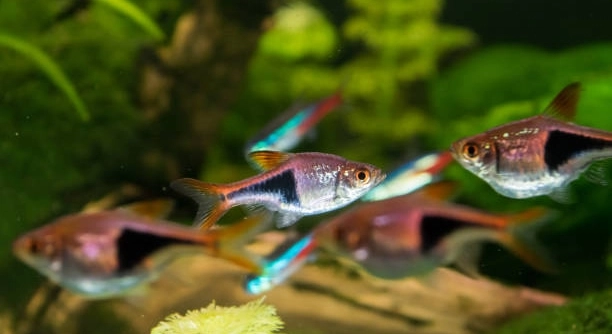
Rasboras are small, active fish that bring life to any aquarium. Many aquarists enjoy their playful nature and bright colors, making them a popular choice for both beginner and experienced fish keepers alike.
Rasboras can survive without plants, but their overall health and stress levels may be affected. Plants provide hiding spots, improve water quality, and create a more natural environment, which helps promote normal behavior and reduces vulnerability to disease.
Understanding how plants impact their wellbeing will help you create a more comfortable home for your rasboras and support their long-term health in your aquarium.
Why Plants Matter for Rasboras
Plants in an aquarium offer more than just decoration. They create hiding spots that help rasboras feel secure, reducing stress and aggressive behavior. Live plants also absorb excess nutrients, improving water quality and lowering the risk of algae growth. Certain species of rasboras prefer swimming among plants because it mimics their natural habitat, giving them a sense of comfort. Without plants, fish may feel exposed, which can affect feeding habits and overall activity levels. Even a few carefully placed plants can make a significant difference. Artificial plants provide some cover, but they do not filter the water or offer the same biological benefits. Choosing the right plants that can survive in your tank’s conditions ensures your rasboras thrive. Fast-growing species can help maintain balance, while floating plants can provide shade and reduce stress. Adding plants creates a stable, healthier environment that supports both the physical and mental wellbeing of your fish.
Plants also help maintain oxygen levels and support beneficial bacteria that keep the tank healthy.
For tanks without plants, it’s important to monitor water quality closely. Filtration systems should be efficient, and decorations or structures can offer hiding spaces. Some aquarists use moss or small floating plants as a compromise. Even without a fully planted tank, rasboras can adapt if care is consistent. The goal is to reduce stress and provide stimulation. Observing their behavior can indicate if they need additional cover or environmental enrichment. Small changes like adding driftwood or rock formations mimic natural habitats, giving rasboras safe areas to explore. While plants enhance the environment, maintaining a clean tank and stable water parameters is equally essential for their health. Proper feeding, routine water changes, and attention to tankmates help compensate for the lack of vegetation. Over time, fish will show more natural behaviors if these conditions are met.
Alternatives to Live Plants
Artificial plants and decorations can provide hiding spots and visual interest for rasboras.
Even without live plants, you can create a comfortable environment. Smooth rocks, driftwood, and artificial plants give fish places to explore and retreat. Floating objects reduce light intensity, which lowers stress. Substrate choices like sand or fine gravel encourage natural foraging behavior. Providing multiple levels in the tank helps mimic natural conditions, allowing rasboras to swim freely and interact safely. Decorations should be arranged to allow open swimming areas while still offering cover. Observing the fish regularly ensures they feel secure and active. Maintaining water quality is critical since artificial setups lack the filtration benefits of live plants. Regular water changes and proper filtration support the same stability live plants would provide. By combining thoughtful décor with consistent tank care, rasboras can remain healthy and display normal behaviors even without a planted environment. This approach allows for flexibility while still meeting the biological and psychological needs of your fish.
Tank Conditions Without Plants
Maintaining water quality is crucial when keeping rasboras without plants. Regular water changes and efficient filtration help prevent toxins from building up, ensuring a stable environment for the fish. Decorations can provide hiding spots to reduce stress.
Temperature and pH stability are essential for rasboras to thrive. Without plants, fluctuations in water chemistry can stress fish more quickly, making them prone to disease. Monitoring ammonia, nitrite, and nitrate levels becomes even more important. Providing aeration and circulation ensures oxygen reaches all parts of the tank. Small adjustments in care routines can make a noticeable difference in fish activity and overall health. Observing behavior daily helps detect early signs of stress.
Light levels also impact fish comfort. Overly bright tanks without plant cover can make rasboras feel exposed. Using dimmed lighting or floating décor helps create shaded areas, simulating a natural environment. This allows fish to feel secure while still promoting healthy swimming and interaction. Artificial plants or decorations positioned strategically can create zones for rest, hiding, and exploration. Even small changes in tank layout can significantly improve fish wellbeing.
Feeding and Behavior Without Plants
Rasboras rely on both nutrition and environment for normal behavior.
Without plants, they may explore more open areas but need alternative hiding spots to feel safe. Feeding should be consistent and balanced to maintain energy levels. Small, frequent meals encourage natural foraging and reduce stress. Providing live or frozen foods can stimulate activity, mimicking hunting behaviors in the wild. Observing how fish respond to feeding helps gauge comfort and tank conditions. Some rasboras may become timid without cover, so creating visual breaks with décor supports healthy interaction.
Behavioral enrichment becomes important when plants are absent. Floating objects, caves, or driftwood can encourage natural swimming patterns and exploration. Fish may establish territories around these structures, reducing aggression. Regularly changing décor positions adds stimulation, preventing boredom. Monitoring interactions ensures tankmates are compatible and reduces stress-related conflicts. Even without plants, careful attention to tank layout, feeding routines, and environmental variation helps maintain activity levels and overall health. By providing both security and stimulation, rasboras remain vibrant, active, and display natural behaviors consistently in a plant-free setup.
Stress Management Without Plants
Rasboras can experience higher stress without plants, as open spaces leave them feeling exposed. Providing hiding spots with decorations or driftwood helps reduce anxiety and supports natural behavior. Small adjustments in tank layout can make them feel more secure.
Maintaining stable water parameters also lowers stress. Sudden changes in temperature, pH, or chemical levels can affect their health. Regular monitoring and gentle maintenance help prevent stress-related illnesses, ensuring a calmer environment even in plant-free tanks.
Breeding Considerations
Breeding rasboras without plants is possible but requires extra care. Artificial spawning mops or smooth surfaces can replace plant leaves. Eggs need protection from adults and strong water flow should be avoided to prevent them from being swept away.
Observing Health Signs
Watch for lethargy, faded colors, or unusual swimming patterns. These signs may indicate stress or poor water quality in plant-free tanks.
Tank Maintenance Tips
Consistent water changes, vacuuming substrate, and checking filtration are essential. Plant-free tanks require more attentive care to maintain a stable and safe environment for rasboras.
FAQ
Can rasboras live happily without plants?
Yes, rasboras can live without plants, but their wellbeing may be affected. Plants provide shelter, reduce stress, and create a natural environment. Without them, fish may feel exposed, making it important to provide decorations, driftwood, or artificial plants to offer hiding spots and comfort.
Do artificial plants replace live plants completely?
Artificial plants can provide cover and visual stimulation but do not filter water or absorb excess nutrients like live plants. They help reduce stress and encourage normal behavior but must be combined with proper filtration and regular water changes to maintain water quality.
How often should I change water in a plant-free tank?
Frequent water changes are critical. In tanks without plants, waste accumulates faster and toxins like ammonia and nitrites can rise. Weekly water changes of 20–30% are generally recommended, but monitoring water parameters may require adjustments to ensure a stable, healthy environment.
Will rasboras breed without plants?
Breeding is possible without plants but requires extra care. Provide smooth surfaces or artificial spawning mops for egg-laying. Protect eggs from adults and avoid strong currents. The absence of live plants means you must be more vigilant about water quality and hiding spaces to support successful spawning.
Do rasboras need hiding spots if there are no plants?
Yes, hiding spots are essential. Even in plant-free tanks, fish need areas to retreat for security. Caves, driftwood, or decorations create zones where fish feel safe, helping reduce stress, encourage natural behaviors, and prevent aggression among tankmates.
How do I keep water clean without plants?
Efficient filtration, regular water changes, and careful monitoring are key. Plants naturally absorb nutrients and filter water, so without them, mechanical and chemical filtration must compensate. Cleaning substrate and removing uneaten food also prevent harmful buildup.
Are rasboras more stressed in a plant-free tank?
They can be. Open spaces make them feel exposed, which may lead to stress-related behaviors such as hiding excessively, reduced feeding, or erratic swimming. Providing alternative cover, maintaining stable water conditions, and observing daily behavior helps manage stress effectively.
What kind of décor works best without plants?
Driftwood, smooth rocks, caves, and floating objects work well. These items provide visual breaks and hiding spots while allowing open swimming areas. Arranging décor at multiple levels can mimic natural habitats, encouraging exploration and reducing stress.
Do rasboras need lighting adjustments without plants?
Yes. Bright lighting can feel harsh without shaded areas from plants. Using dimmed lighting or floating decorations creates shaded zones, helping fish feel secure while still supporting their natural activity patterns.
Can a plant-free tank support a large group of rasboras?
It can, but careful planning is needed. Ensure ample space, adequate hiding spots, and strong filtration. Overcrowding without cover increases stress and aggression. Observing behavior and maintaining water quality are critical to keeping a healthy, active group.
Are there specific water parameters I should focus on more?
Temperature, pH, and nitrogen compounds require close attention. Rasboras are sensitive to sudden changes, and plant-free tanks lack natural buffering. Stable parameters, consistent maintenance, and proper filtration are necessary to maintain their health.
How can I enrich a plant-free tank for rasboras?
Use décor that encourages exploration, create open swimming areas, and rearrange objects periodically. Adding floating objects, small caves, or artificial plants stimulates natural behaviors. Regular observation ensures the environment remains engaging and supportive for their activity and wellbeing.
Is it harder to care for rasboras without plants?
It can be more demanding because plants naturally contribute to water stability and offer stress relief. Without them, aquarists must compensate with careful maintenance, water monitoring, and thoughtful tank decoration to keep fish healthy and active.
Do rasboras need companions in a plant-free tank?
Yes, they are schooling fish and thrive in groups. Having at least six or more rasboras helps reduce stress and encourages natural behavior. Even without plants, companions provide comfort and security in open areas of the tank.
Will algae growth differ without plants?
Possibly. Plants compete with algae for nutrients, so without them, algae may grow more quickly. Regular cleaning, controlling light exposure, and managing nutrient levels are necessary to prevent excessive algae buildup.
Can water temperature fluctuations harm rasboras more without plants?
Yes. Plants buffer temperature and provide shaded areas. In their absence, fish are more exposed to temperature changes, which can cause stress or illness. Using a reliable heater and monitoring fluctuations helps maintain a safe environment.
Are there specific foods better for plant-free tanks?
A balanced diet of flakes, frozen, or live foods works well. Variety supports health and stimulates natural foraging behaviors. Because there are no plants to graze on, providing protein-rich and nutrient-dense options helps maintain energy and vitality.
How do I know if my rasboras are stressed without plants?
Look for faded colors, hiding excessively, erratic swimming, or reduced feeding. Stress may indicate the need for additional cover, better water quality, or environmental enrichment to mimic the security plants would normally provide.
Can I gradually introduce plants later if needed?
Yes, introducing live plants later is possible. Choose species compatible with tank conditions, and acclimate them slowly. This can enhance water quality, provide natural cover, and support healthier, more active rasboras in the long term.
Are there any specific tank setups recommended for plant-free rasboras?
Use moderate lighting, smooth substrate, and carefully arranged décor for hiding spots. Ensure strong filtration and maintain stable water conditions. Open swimming areas combined with secure retreats help replicate natural habitats while compensating for the lack of plants.
Do water changes differ if there are no plants?
Yes. Plants help absorb waste, so plant-free tanks require more frequent water changes to maintain stable chemical levels. Monitoring ammonia, nitrites, and nitrates ensures a safe environment, and removing uneaten food prevents harmful buildup.
How important is observation in a plant-free tank?
Extremely important. Without plants, rasboras show stress or discomfort sooner. Daily observation helps detect behavioral changes, water quality issues, or aggression, allowing quick action to maintain a healthy and safe environment.
Can I keep other fish with rasboras in a plant-free tank?
Yes, but choose peaceful species that tolerate open spaces. Aggressive or territorial fish can stress rasboras without plant cover. Compatible tankmates and careful observation ensure harmony and reduce stress-related issues.
What is the overall care difference compared to a planted tank?
Plant-free tanks require more attention to water quality, stress management, and environmental enrichment. While rasboras can adapt, consistent care, alternative hiding spots, and regular monitoring are necessary to maintain their health and natural behavior.
How can I prevent boredom for rasboras without plants?
Rotate decorations, add caves or floating objects, and vary feeding routines. Enrichment encourages natural behaviors, exploration, and activity, keeping fish engaged and reducing stress even in a plant-free environment.
Are there risks to long-term health without plants?
Potentially, if care is inconsistent. Without plants, rasboras are more sensitive to stress, poor water quality, and environmental instability. Attentive maintenance, proper tank layout, and regular monitoring help prevent long-term issues and support healthy fish.
What is the best approach overall for plant-free rasboras?
Focus on stable water conditions, alternative hiding spots, and behavioral enrichment. Monitor health closely, provide a balanced diet, and ensure compatible tankmates. Consistency and attention to detail allow rasboras to thrive even without live plants, maintaining both activity and wellbeing.
Are there alternative ways to simulate plant benefits?
Floating objects, caves, driftwood, and artificial plants mimic shelter and visual breaks. Strategic placement creates zones of safety, encourages natural behavior, and reduces stress, partially replicating the benefits that live plants offer.
How often should tank décor be adjusted?
Periodically adjusting décor stimulates exploration and prevents boredom. Small changes can mimic natural environmental variations, keeping rasboras active and engaged without live plants.
Can stress affect feeding habits without plants?
Yes, stressed fish may eat less or hide during feeding. Providing secure areas and consistent care helps maintain normal feeding behavior, ensuring energy and growth are not compromised in a plant-free tank.
Is a smaller tank harder for plant-free rasboras?
Smaller tanks increase stress risks due to limited swimming space and hiding spots. Careful layout, frequent maintenance, and adequate schooling numbers are essential to maintain health and reduce tension among fish.
Do rasboras need different care during seasonal changes without plants?
Yes, temperature and light fluctuations can be more noticeable. Stable heating, adjusted lighting, and monitoring water parameters ensure rasboras remain comfortable despite environmental changes.
What’s the simplest way to start a plant-free tank for rasboras?
Use a clean, stable tank with efficient filtration, smooth substrate, and hiding décor. Add a school of at least six fish, maintain water parameters, and monitor behavior closely. This setup ensures a safe, comfortable environment without live plants.
How can I tell if the tank setup is sufficient?
Fish should swim actively, display vibrant colors, feed normally, and show minimal stress signs. Adjust hiding spots, décor, or water parameters if any behavioral or health issues appear. Regular observation confirms the tank meets their needs.
Can I mix live and artificial plants?
Yes, combining both allows partial benefits of live plants while providing durable cover. Artificial plants fill gaps and offer consistent hiding areas, supporting security and comfort in the tank.
Is filtration more important without plants?
Absolutely. Plants naturally absorb waste, so filtration must compensate. A strong, efficient system maintains water quality, supports biological balance, and reduces stress in the absence of live vegetation.
Do rasboras need monitoring differently without plants?
Yes, closer attention to behavior, health, and water parameters is needed. They show stress and discomfort faster without cover, making regular checks crucial to prevent issues and maintain a healthy environment.
What’s the best diet for plant-free rasboras?
A mix of high-quality flakes, frozen, and live foods ensures balanced nutrition. This variety supports energy, growth, and natural foraging behavior when there is no plant matter in the tank.
How important is schooling behavior in a plant-free tank?
Very important. Rasboras rely on group dynamics for security. A sufficient number of tankmates reduces stress, encourages natural behavior, and compensates for the lack of plant cover.
Can I reduce stress with lighting alone?
Lighting helps, but it’s not enough alone. Dimmed or shaded lighting, combined with décor and proper water conditions, supports comfort and reduces stress more effectively than lighting adjustments alone.
Are small tanks feasible for plant-free rasboras?
Yes, but careful planning is required. Provide hiding spots, efficient filtration, and monitor water quality closely. A small school of fish with open swimming space and décor ensures comfort and reduces stress.
How often should I check water parameters without plants?
More frequently than in planted tanks. Weekly checks may not be sufficient; monitoring ammonia, nitrite, nitrate, pH, and temperature every few days helps prevent stress and health issues.
Can I keep rasboras alone without plants?
It’s not recommended. They are schooling fish and require companions for security. Without plants or companions, they may become stressed, hide excessively, or show abnormal behaviors.
Do rasboras interact differently without plants?
Yes, they may be more cautious or swim in tighter groups due to exposure. Alternative hiding spots and décor help encourage normal social behavior while reducing stress.
Can I maintain a low-maintenance plant-free tank?
Yes, with careful planning. Efficient filtration, stable water parameters, and minimal but strategic décor reduce maintenance needs while keeping fish healthy and active.
Are there signs of long-term adaptation to plant-free tanks?
Over time, rasboras may become more confident and explore open areas if stress is managed. They can display normal swimming patterns and feeding habits once they adjust to alternative cover.
Do seasonal water chemistry changes affect plant-free tanks more?
Yes, plants buffer minor fluctuations naturally. Without them, small changes in pH, temperature, or hardness can stress fish, making careful monitoring more critical.
Can live plants be added later without disruption?
Yes, introducing live plants gradually minimizes stress. Acclimate them carefully and monitor water parameters to ensure the tank environment remains stable for rasboras.
Are there specific hiding spots preferred by rasboras?
They favor low caves, driftwood, and dense decorations. These areas allow retreat, mimic natural shelters, and reduce stress in the absence of live plants.
How can I prevent aggression without plants?
Provide multiple hiding spots, open swimming areas, and keep a sufficient number of tankmates. Territorial behavior decreases when fish feel secure and have enough space to avoid conflicts.
Is feeding behavior a reliable indicator of stress?
Yes. Hesitant feeding, hiding during meals, or competition over food may indicate stress. Adjust hiding spots, water quality, or feeding routines to restore normal behavior.
Do floating decorations help in plant-free tanks?
Yes, they create shaded areas and reduce light intensity, giving fish a sense of security while still allowing normal swimming and activity.
Can substrate type influence stress levels?
Yes, sand or fine gravel allows natural foraging and reduces injury risks. Rough or sharp substrates may increase stress or harm delicate fins in open tanks without plant cover.
Are rasboras adaptable to plant-free tanks long-term?
Yes, with careful management. Stable water conditions, proper hiding spots, consistent feeding, and schooling support allow rasboras to remain healthy and active over time without live plants.
Do I need additional enrichment in a plant-free tank?
Yes, enrichment is vital. Rearranging décor, adding floating objects, or providing feeding challenges encourages natural behaviors, keeps fish active, and reduces stress.
Can stress from lack of plants affect lifespan?
Chronic stress can impact health, making fish more susceptible to disease. Maintaining secure environments, stable water parameters, and enrichment supports longevity even without live plants.
Are there beginner-friendly alternatives to live plants?
Yes, artificial plants, driftwood, moss balls, and caves provide cover and stimulation while requiring minimal maintenance. They help maintain security and activity without complicating tank care.
Do tank size and stocking density matter more without plants?
Yes, overcrowding increases stress without natural cover. Providing sufficient space and hiding areas is critical to maintaining healthy interactions and preventing aggressive behavior.
How do I know if my tank layout is effective?
Fish should swim actively, feed normally, and show minimal stress. Adjust décor if they hide excessively, display unusual behavior, or show signs of aggression.
Can I use floating plants instead of substrate plants?
Yes, floating plants offer shade and cover without complex planting. They help reduce stress, create shaded areas, and partially simulate a natural environment.
Do rasboras need observation during feeding more than in planted tanks?
Yes, without plant cover, stress may affect feeding. Observing meals ensures all fish eat adequately and allows early detection of discomfort or illness.
Is water circulation more critical without plants?
Yes, plants help move and oxygenate water naturally. Strong, gentle circulation ensures oxygen distribution and prevents stagnant areas, supporting healthy fish behavior.
Are rasboras less active without plants?
They may initially be cautious in open spaces. Providing hiding spots and enrichment encourages exploration and normal swimming behavior, maintaining activity even in plant-free setups.
Can I maintain a plant-free tank with minimal effort?
It requires attention to water quality, hiding spots, and enrichment. While plants reduce maintenance naturally, careful planning allows a balanced, low-stress environment for rasboras without live vegetation.
Do rasboras interact differently with decorations than plants?
Yes, they may explore more and use décor differently. Proper arrangement encourages natural behaviors, provides retreat areas, and reduces stress despite the absence of live plants.
Is filtration choice more important without plants?
Yes, strong, reliable filtration compensates for the lack of natural nutrient absorption by plants. It maintains water quality, reduces toxins, and supports overall fish health.
How do I balance open space and hiding spots?
Provide zones of shelter while keeping open swimming areas. Strategic décor placement allows exploration, reduces stress, and encourages natural schooling and foraging behaviors.
Can plant-free tanks support high fish activity?
Yes, with sufficient space, alternative hiding spots, and consistent care. Proper environment setup ensures active, healthy rasboras even without live plants.
Do rasboras need enrichment daily without plants?
Regular stimulation is important. Rotating décor, adding floating objects, and varied feeding routines maintain engagement, natural behaviors, and reduce stress in plant-free tanks.
Is water testing more frequent without plants?
Yes, plant-free tanks lack natural buffering. Frequent checks of ammonia, nitrite, nitrate, and pH ensure stable conditions, reducing stress and supporting healthy fish.
Can I combine live and artificial plants for best results?
Yes, combining both provides partial biological benefits while maintaining consistent cover, security, and visual stimulation for rasboras.
Do tank decorations need cleaning more often without plants?
Yes, algae and debris accumulate faster without plants. Regular cleaning of décor maintains water quality and prevents stress for fish.
Are rasboras more sensitive to light changes without plants?
Yes, shaded areas created by plants help buffer light intensity. Artificial décor or floating objects can replicate this effect to reduce stress.
Is tank monitoring more critical in small setups without plants?
Yes, small tanks amplify water quality changes and stress. Close observation, frequent water changes, and adequate hiding spots ensure a healthy environment for rasboras.
Do rasboras need different feeding schedules without plants?
Not necessarily, but consistent meals help compensate for lack of natural grazing opportunities. Small, frequent feedings encourage normal activity and reduce stress.
Can alternative structures fully replace plant benefits?
They provide security, visual breaks, and enrichment, but cannot replicate water filtration and oxygenation benefits. Regular maintenance and monitoring are required to support health.
How do I prevent stress during tank maintenance without plants?
Perform gentle water changes, avoid sudden temperature or chemical shifts, and maintain hiding spots. Minimizing disruption helps keep rasboras calm and reduces stress.
Is fish behavior a reliable indicator of tank success without plants?
Yes, active swimming, normal feeding, and social interaction indicate a well-maintained, comfortable plant-free environment. Behavioral changes signal adjustments may be needed.
Do rasboras prefer certain types of décor?
Yes, low caves, driftwood, and floating objects create safe zones. Smooth surfaces and varied structures encourage natural behaviors and reduce stress in open tanks.
Can I simulate plant benefits with floating objects?
Yes, floating décor provides shaded areas, reduces stress, and encourages exploration, partially replacing the cover that live plants offer.
**Do rasboras need monitoring
Rasboras are adaptable fish that can live in a variety of aquarium setups, including tanks without plants. While live plants provide natural benefits such as hiding spots, nutrient absorption, and a sense of security, their absence does not make it impossible to keep rasboras healthy. The key is to create an environment that meets their basic needs in alternative ways. Decorations, driftwood, and artificial plants can provide hiding spots and visual breaks, giving fish places to retreat and reducing stress. A well-thought-out layout ensures that the tank still feels safe and comfortable, even without live vegetation. By carefully arranging décor to provide both open swimming areas and sheltered zones, you can support natural behaviors and encourage activity.
Maintaining water quality becomes more critical in plant-free tanks. Without live plants to absorb excess nutrients and support beneficial bacteria, regular monitoring of ammonia, nitrites, and nitrates is essential. Consistent water changes, proper filtration, and careful attention to temperature and pH stability help create a safe and healthy environment for rasboras. Observing fish daily allows you to detect early signs of stress or illness, which is especially important in tanks lacking natural cover. Feeding routines also play an important role. Small, frequent meals of high-quality flakes, frozen, or live foods help support energy levels and encourage natural foraging behavior, which may otherwise be reduced in a less stimulating environment.
Behavioral enrichment is another way to support rasboras in plant-free tanks. Rotating decorations, adding floating objects, and providing different types of hiding spots encourage exploration and reduce boredom. Even small adjustments, such as changing the placement of caves or driftwood, can make a noticeable difference in activity levels and overall wellbeing. Schooling behavior is especially important for these fish, as the presence of companions provides security and encourages natural interaction. By paying attention to water quality, offering adequate hiding spaces, and supporting social and behavioral needs, rasboras can thrive without live plants. With careful planning, consistent care, and thoughtful observation, you can maintain a healthy, comfortable, and stimulating environment for your fish, ensuring they remain active, vibrant, and healthy over the long term.

Hello,
If you enjoy the content that we create, please consider saying a "Thank You!" by leaving a tip.
Every little bit helps us continue crafting quality advice that supports the health, happiness, and well-being of pets around the world, for pets of all shapes, sizes, and species.
We really appreciate the kindness and support that you show us!