
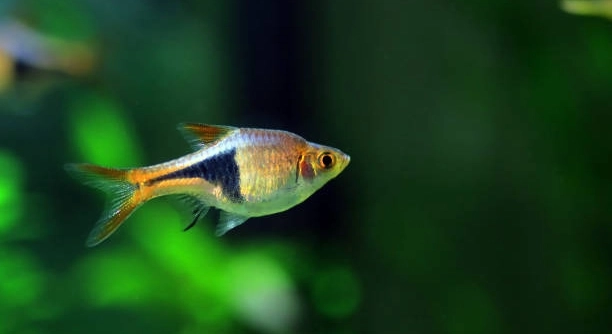
Rasboras are small, active fish often found in community aquariums. Their behavior can be subtle, making it difficult for casual observers to notice the ways they communicate with each other. Understanding these signals improves aquarium care.
Rasboras use small, deliberate movements such as fin flicks, body tilts, and subtle shifts in swimming patterns to communicate. These signals indicate stress, feeding readiness, social hierarchy, or mating intentions, providing insight into their behavior and group dynamics.
Recognizing these small cues can help you create a healthier, more harmonious environment for your fish and enhance your overall aquarium experience.
Fin Flicks and Subtle Tail Movements
Rasboras often communicate through tiny fin flicks and gentle tail movements. These motions can indicate excitement, nervousness, or readiness to feed. Observing how a fish moves its fins can reveal its mood and social status within the group. Some flicks are quick and sharp, while others are slow and deliberate. During feeding time, many rasboras will show synchronized fin movements that signal awareness of food in the tank. Tail swishes can also act as warnings to other fish, showing boundaries or dominance without direct confrontation. Even in a calm tank, small tail flicks may indicate minor agitation, helping aquarists adjust the environment. Temperature, water quality, and tank companions can all influence these subtle signals. Understanding these movements allows you to anticipate behavior, prevent stress, and maintain harmony. Over time, careful observation builds a clearer understanding of how each individual interacts within the school, improving overall care.
Fin flicks are often signs of alertness or readiness for feeding. They are quick, deliberate, and easily observed in most rasbora species.
Watching these movements carefully can prevent conflicts and ensure that all fish remain healthy and stress-free, especially in smaller tanks.
Body Tilts and Positioning
Body tilts are common when rasboras navigate their environment or signal social cues. Tilting at specific angles can indicate curiosity or caution.
Tilting their bodies slightly up or down can show a fish is assessing surroundings or preparing to move. These subtle shifts are often paired with fin flicks, giving clearer insight into intentions. When a rasbora tilts near a hiding spot, it may signal unease or anticipation of a threat. During group interactions, synchronized tilts can indicate cohesion or collective decision-making, such as moving to a feeding area. Recognizing these positions can help aquarists predict behavior before it escalates into stress or aggression. Body positioning also reflects energy levels; more vertical or erratic tilts may suggest discomfort or poor water conditions. Adjusting light, decorations, or hiding spaces can reduce stress. Over time, consistent observation of these cues will enhance understanding of how rasboras communicate with subtle body language and help maintain a balanced, calm aquarium environment.
Group Swimming Patterns
Rasboras often move in coordinated groups, signaling safety and social alignment. Sudden changes in direction or speed communicate alertness or warnings to others, keeping the school cohesive.
Group movements reflect the fish’s awareness of their environment and peers. When one fish detects a potential threat, others respond immediately by adjusting their positions. These patterns also indicate social hierarchy; dominant individuals often lead, while subordinate fish follow closely. During feeding, synchronized swimming ensures that all members have equal access to food, reducing stress and aggression. Observing these patterns helps identify stressors or discomfort in the tank. Changes in water quality, lighting, or the introduction of new fish can disrupt established swimming routines. Paying attention to how rasboras move together allows for better tank management and promotes a calm, balanced environment. Group swimming is both a communication tool and a measure of overall tank health, reflecting interactions that may otherwise go unnoticed.
These synchronized movements are essential for group cohesion and can prevent conflicts, particularly in smaller tanks.
Fin Flaring and Gaping
Fin flaring signals alertness, dominance, or territorial behavior in rasboras. It is often paired with body posture to reinforce communication.
Flaring occurs when a fish spreads its fins fully, making it appear larger. This behavior can be seen during confrontations or when establishing social rank. In community tanks, observing which fish flare more often can reveal leaders and submissive individuals. Flaring may also appear during mating displays, signaling readiness or attracting attention. While aggressive in appearance, flaring is often non-contact, serving as a warning rather than a threat. It communicates confidence and strength, reducing the need for physical conflict. Tank layout, space, and hiding spots can influence how frequently flaring occurs. Ensuring proper conditions minimizes stress and helps maintain a peaceful environment. Over time, recognizing who flares and why enhances understanding of each fish’s personality and social role.
Fin gaping complements flaring by opening the mouth slightly, signaling feeding interest or mild agitation. Observing both together gives a clearer picture of intentions and mood within the school.
Sudden Darts and Quick Movements
Sudden darts are used to signal alarm or excitement. Rasboras make these short, rapid movements when startled or when spotting food in the tank.
These quick movements alert other fish in the group. Even small disturbances can trigger a series of darts, helping the school respond collectively.
Hovering and Pausing
Rasboras often hover or pause in one spot to signal observation or hesitation. This behavior shows careful assessment of surroundings and readiness to act.
Hovering allows fish to evaluate potential threats or food sources without committing to movement. It is common near decorations or hiding spots.
Color Shifts and Fading
Rasboras can subtly change color to communicate stress, mood, or readiness to mate. These shifts are usually faint but noticeable under close observation.
Changes in hue or intensity provide cues to tank mates. A paler shade often indicates discomfort or stress, while vibrant colors suggest health and alertness.
Close Proximity Swimming
Swimming closely together signals safety and social bonding. Rasboras naturally form tight groups to maintain cohesion and reduce vulnerability.
How can I tell if my rasboras are stressed?
Stressed rasboras often display subtle signs, such as faded colors, erratic swimming, or constant hiding. They may dart suddenly or hover in one spot for extended periods. Observing their fins and tail movements can also reveal tension, as tight or clamped fins often indicate discomfort. Environmental factors like poor water quality, overcrowding, or sudden changes in lighting can trigger stress. Paying attention to how they interact within the group is important. Dominant fish may flare more aggressively if others are stressed, and sudden disruptions in group swimming patterns often signal that something in the tank is off.
What are common causes of fin flicking and tail movements?
Fin flicking and tail movements are normal communication tools but can also indicate stress or excitement. Feeding time often triggers quick flicks, while slow, deliberate movements usually reflect calm social signaling. Environmental changes, such as temperature shifts or new tank mates, can increase flicking frequency. These movements are essential for establishing social hierarchy. Observing how often and when your fish perform these actions helps you differentiate between routine communication and reactions to stress or discomfort. Adjusting tank conditions can reduce excessive movements.
Why do rasboras swim in tight groups?
Rasboras swim closely to feel safe and coordinated. Tight schooling reduces the risk of predation in the wild and helps maintain social bonds in aquariums. If a fish isolates itself, it may be sick or stressed. Group swimming also aids in food distribution during feeding. Observing how the group responds to disturbances, like sudden movements or changes in lighting, helps determine if your fish feel secure. Tight formations indicate a healthy social structure, while loose or scattered swimming can signal tension or an imbalance in tank conditions.
What does fin flaring mean in a community tank?
Fin flaring usually indicates dominance or alertness. In community tanks, it can be a warning to others, establishing boundaries without physical contact. Flaring may appear during feeding or when a new fish is introduced. While it looks aggressive, it often prevents fights by signaling strength and confidence. Monitoring which fish flare and how often helps identify leaders and potential stress sources. Adequate space, hiding spots, and proper tank size minimize frequent flaring and maintain harmony.
How do body tilts reflect fish behavior?
Body tilts are subtle cues that indicate a fish’s mood or intentions. Tilting upward or downward can signal curiosity, caution, or readiness to move. During group interactions, synchronized tilts often show cohesion or collective decision-making. Tilting near hiding spots may indicate unease or anticipation of threats. Observing these positions allows for better understanding of how rasboras interact and respond to their environment. Tank layout, decorations, and water conditions influence tilting behavior, and noticing these patterns can help prevent stress-related issues.
Why do rasboras hover or pause mid-water?
Hovering is a form of cautious observation. Rasboras pause to evaluate their surroundings or assess potential threats. It can occur near tank decorations, plants, or during feeding. Extended hovering often signals hesitation, stress, or curiosity. Recognizing this behavior helps aquarists respond appropriately, such as providing more hiding spots, adjusting lighting, or checking water parameters to maintain a comfortable environment for all fish.
Can color changes indicate health issues?
Yes, subtle shifts in color are important indicators. Paler shades may suggest stress, illness, or poor water conditions, while brighter colors generally indicate good health. Monitoring these changes over time helps detect early problems. Stress, diet, lighting, and water quality all affect color intensity. By observing how color changes correlate with other behaviors, you can take preventive measures, ensuring your rasboras remain healthy and comfortable.
How do sudden darts help communicate?
Sudden darts act as an alarm or signal excitement. One fish may dart when startled, prompting the group to respond collectively. This behavior is both protective and social, helping rasboras maintain cohesion. Noticing when and why darts occur allows you to identify potential stressors and keep the tank environment calm.
Why do rasboras swim close together near feeding time?
Close swimming during feeding ensures everyone gets access to food and reduces competition. It also strengthens social bonds within the school. Observing feeding patterns helps maintain fairness, prevents aggression, and ensures all individuals remain healthy. Adjusting feeding methods or amounts can further support peaceful group interactions.
How can I reduce aggression and stress in the tank?
Providing adequate space, hiding spots, and consistent water conditions minimizes stress. Avoid sudden lighting changes and overcrowding, and monitor social interactions. Understanding fin flicks, flaring, and body tilts helps predict potential conflicts. By observing and adjusting the environment, you create a calm, balanced setting for all rasboras.
What role do fins and tails play in communication?
Fins and tails serve as primary signaling tools. Movements indicate mood, social rank, and readiness for feeding or mating. Rapid flicks, gentle swishes, or full flares all carry different messages. Recognizing these cues allows for better understanding of behavior, improving care and social harmony in the aquarium.
How important is observing subtle movements regularly?
Consistent observation is crucial. Subtle behaviors often reveal early signs of stress, illness, or social shifts. By watching daily, you can make adjustments before small issues escalate. Tracking fin movements, body tilts, and swimming patterns improves your ability to maintain a healthy, harmonious tank.
What should I do if a fish isolates itself?
Isolation can indicate stress, illness, or discomfort. Check water parameters, tank mates, and environment. Providing hiding spaces and ensuring proper nutrition may encourage reintegration. Persistent isolation may require quarantine or veterinary advice. Recognizing isolation early helps prevent further health problems and maintains group stability.
How can I differentiate normal signaling from stress behaviors?
Normal signals are consistent and part of daily interaction, such as regular fin flicks, schooling, or occasional flaring. Stress behaviors are sudden, erratic, or prolonged, including clamped fins, hiding, or rapid darts. Observing context and frequency helps determine whether a behavior is communicative or stress-related.
How do environmental factors affect rasbora signaling?
Water quality, temperature, lighting, and tank decorations all influence signaling. Poor conditions can amplify stress behaviors like rapid darts or faded colors. Adequate space, stable water parameters, and enrichment reduce tension and allow natural communication patterns, ensuring a balanced, healthy environment for the school.
What are the signs of mating readiness?
Rasboras display brighter colors, flaring, and subtle circling movements when ready to mate. Males may follow females closely, performing synchronized swimming patterns. Recognizing these signals helps provide proper conditions for breeding, such as calm spaces, plants for egg-laying, and reduced disturbances to encourage natural behavior.
How can monitoring group behavior prevent conflicts?
Watching how the school interacts helps identify dominance patterns, potential stressors, and compatibility issues. Early detection of aggression or tension allows for environmental adjustments, preventing injuries and maintaining harmony. Recognizing shifts in group swimming, flaring, or tail movements ensures proactive tank management.
Why is subtle movement observation essential for aquarium care?
Subtle movements provide insight into mood, health, and social structure. Ignoring these cues can lead to stress, illness, or conflicts. Regular observation allows for timely interventions, supports harmonious group dynamics, and ensures long-term well-being of rasboras in a controlled environment.
How often should I observe my rasboras?
Daily observation is ideal. Short, consistent checks reveal behavioral changes, stress signals, or health issues early. Noticing patterns in fin flicks, swimming formations, and body tilts helps maintain a stable and comfortable tank, promoting both health and natural communication.
What adjustments improve rasbora comfort and signaling?
Provide adequate space, proper water conditions, plants, and hiding spots. Stable temperature and lighting reduce stress. Observing behaviors and adjusting tank elements when necessary supports natural communication, encourages healthy social interactions, and prevents conflicts within the school.
How do I ensure all rasboras feel safe?
Monitor interactions, provide hiding spots, and maintain stable water parameters. Minimize sudden disturbances and maintain proper group sizes. Recognizing stress cues like isolation, clamped fins, or rapid movements helps create a calm, secure environment where all fish can communicate naturally.
Rasboras are small fish, but they have a surprisingly complex way of communicating with each other. Their subtle movements, like fin flicks, tail swishes, and body tilts, tell a lot about their mood, social status, and intentions. Even small changes in swimming patterns or group formations can indicate stress, excitement, or readiness to feed. By observing these signals carefully, aquarists can better understand how each fish is feeling and interacting within the tank. Paying attention to these details allows you to respond appropriately to their needs, whether that means adjusting water conditions, adding hiding spots, or providing more space. These behaviors are natural and important for the well-being of rasboras, so noticing and interpreting them helps maintain a healthier and calmer environment for the entire group.
Understanding rasbora behavior is not just about preventing problems; it also helps improve the overall quality of life for the fish. When their environment supports natural communication, the fish are less likely to show signs of stress, aggression, or illness. Proper tank setup, including adequate space, stable water conditions, and appropriate lighting, plays a key role in encouraging these natural behaviors. Observing how the fish school together, flare their fins, or hover in place provides clues about social structure and group dynamics. These cues can guide how you arrange plants, decorations, and feeding routines, ensuring that each fish feels secure and included in the school. Over time, recognizing patterns in their behavior allows for a deeper connection to the aquarium, making it easier to maintain a balanced and harmonious tank.
Subtle movements may seem small or insignificant at first, but they are essential for communication among rasboras. Every flick of a fin, dart in the water, or color change carries meaning that contributes to the social life of the school. By being observant and attentive, you can prevent unnecessary stress and conflicts, while also enhancing the natural behaviors of your fish. Consistent observation helps identify early signs of health issues or discomfort, giving you time to make adjustments before problems escalate. Creating an environment that supports these subtle signals results in a thriving, active, and cohesive group. Understanding and respecting these movements makes caring for rasboras more rewarding, as you can appreciate the complexity of their interactions and ensure their long-term well-being.

Hello,
If you enjoy the content that we create, please consider saying a "Thank You!" by leaving a tip.
Every little bit helps us continue crafting quality advice that supports the health, happiness, and well-being of pets around the world, for pets of all shapes, sizes, and species.
We really appreciate the kindness and support that you show us!