
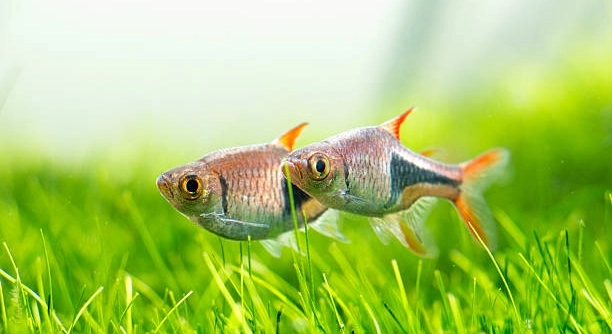
Rasboras are small, active fish that add charm to any freshwater aquarium. Watching them swim in groups is enjoyable, and many hobbyists take interest in interacting with their fish in more personal ways. Hand-feeding can be one of those interactions.
Rasboras can be trained to eat by hand with patience and consistency. Repeated exposure to hand-feeding, along with offering familiar food in small amounts, encourages them to associate your presence with a positive experience over time.
Learning to feed rasboras by hand enhances the bond between fish and owner, making daily care a more engaging experience. This practice can transform a simple aquarium routine into a rewarding interaction.
Preparing Your Rasboras for Hand-Feeding
Before attempting hand-feeding, it’s important to create a calm and safe environment for your rasboras. Ensure the tank is clean, and water parameters are stable, as stressed fish are less likely to respond positively. Start by feeding them near your hand using a small amount of food. Over time, move your hand closer while keeping movements slow and predictable. Consistency is key; feeding at the same time daily helps rasboras recognize a routine. Avoid sudden gestures or loud noises that could startle them. Using foods they already enjoy, such as flakes or micro pellets, increases the likelihood they will approach. Observing their behavior will guide how quickly you can progress. Some rasboras may take longer to feel comfortable, and it’s important to remain patient. Gentle persistence creates a safe association between your hand and feeding time, gradually encouraging trust.
Hand-feeding requires patience and repetition, but with time, rasboras will recognize your hand as a source of food.
Regular, calm sessions not only increase comfort but also improve their overall responsiveness and reduce skittish behavior around humans.
Techniques for Encouraging Hand Interaction
Start small by holding a few pellets on your fingertips and allowing rasboras to swim near at their own pace.
Once your rasboras are comfortable with your hand, gradually introduce more frequent sessions. Initially, place your hand just above the substrate and let them approach naturally. Avoid chasing them or forcing interaction, as this can undo progress. Rewarding even small approaches with a single pellet strengthens their association. Observe their individual personalities, as some may be bolder while others remain cautious. Varying the food types slightly can also maintain interest and encourage them to explore. Over weeks, most rasboras will begin to take food directly from your fingers, responding to your presence without hesitation. Consistent practice, coupled with a calm demeanor, ensures long-term success in hand-feeding, fostering both trust and a more interactive aquarium experience.
With regular, gentle practice, rasboras can learn to eat directly from your hand, making feeding a more engaging daily activity.
Common Challenges When Hand-Feeding Rasboras
Some rasboras may remain shy or hesitant at first. Fear, sudden movements, or unfamiliar hands can slow progress.
If fish seem reluctant, it’s important to remain patient and avoid forcing interaction. Start by placing food near them without touching, allowing them to get used to your presence. Gradually, move your hand closer over several sessions. Observing their comfort level and adjusting your approach prevents stress. Maintaining consistent feeding times and gentle movements encourages confidence. Small, incremental steps help even the most timid rasboras gradually respond to hand-feeding. Avoid overfeeding during these sessions to maintain their interest.
Stress or poor water conditions can make rasboras more wary. Ensuring a clean, stable tank environment enhances their willingness to interact. Some fish will naturally be bolder, while others take longer, so respecting individual differences is key. Repetition, patience, and careful observation remain the most effective tools.
Benefits of Hand-Feeding Rasboras
Hand-feeding can strengthen the bond between owner and fish, making aquarium care more rewarding. It provides visual confirmation of fish health and appetite, helping detect changes early.
Interacting with rasboras during feeding time also reduces skittish behavior. Fish that associate hands with food become more responsive, confident, and less stressed in their environment. This engagement can enhance observation skills, making it easier to notice subtle behavioral shifts or illness signs. By fostering a calmer, more interactive aquarium, hand-feeding adds a layer of enjoyment and connection to daily maintenance. Consistency and gentle handling ensure that both you and your fish benefit from these sessions, improving overall care quality.
Tips for Consistent Hand-Feeding
Use the same time each day to feed your rasboras. Consistency helps them recognize your hand as a source of food.
Keep your movements slow and steady. Quick motions can startle fish and set back progress. Patience is essential for building trust.
Encouraging Group Participation
Rasboras are schooling fish, so observing one fish approach your hand often encourages others to follow. Begin by feeding a few bold individuals, then gradually include the rest. Offering small amounts prevents competition and reduces stress. Over time, the entire group may learn to eat directly from your hand, creating a calm and interactive feeding session. Monitoring their behavior ensures no fish is left out or frightened. Adjusting the approach to each fish’s comfort level improves overall success, making group hand-feeding a rewarding and enjoyable routine.
Maintaining Safety During Hand-Feeding
Always wash your hands before feeding to prevent contamination. Avoid using soaps or lotions that may harm the fish.
FAQ
Can all rasboras be trained to eat by hand?
Not all rasboras will respond the same way. Some are naturally more cautious, while others are bolder. Success depends on individual temperament, patience, and consistency. Even within the same tank, some fish may take longer to trust your hand, and that’s perfectly normal.
How long does it take for rasboras to start hand-feeding?
The process can vary widely. Some fish may take just a few days, while others need several weeks of consistent exposure. Daily, calm feeding sessions help them associate your hand with food, but rushing the process can cause stress and slow progress.
What type of food works best for hand-feeding?
Small, familiar foods like micro pellets, flakes, or finely crushed freeze-dried options work well. Using food they already enjoy increases the likelihood they will approach your hand. Avoid oversized or unfamiliar foods until they are fully comfortable with hand-feeding.
Can hand-feeding cause aggression or competition among rasboras?
While rasboras are generally peaceful, offering too much food at once can cause minor chasing or competition. Feed small amounts and allow fish to approach at their own pace. Encouraging calm, gradual feeding helps reduce stress and ensures all fish participate safely.
Is it safe to put your hand in the tank daily?
Yes, if done carefully. Wash your hands thoroughly beforehand, avoiding soaps or lotions that could harm the fish. Slow, gentle movements minimize stress, and regular sessions create a positive association with your presence.
What if some fish never take food from my hand?
It’s normal for a few shy individuals to resist. Respect their pace and continue offering food nearby without forcing interaction. Over time, some may start participating, while others remain cautious. Focus on overall progress rather than forcing every fish.
Can hand-feeding replace regular feeding routines?
Hand-feeding should complement, not replace, standard feeding. Ensure all nutritional needs are met with regular tank feeding. Hand-feeding is a tool for interaction and enrichment, rather than the primary food source.
How do I prevent stress while hand-feeding?
Keep movements slow, maintain consistent feeding times, and avoid overcrowding around your hand. Monitor water conditions and fish behavior. If they seem tense or startle easily, step back and let them acclimate before continuing. Patience is key to minimizing stress.
Will hand-feeding improve fish responsiveness?
Yes. Rasboras that recognize your hand as a food source often become more confident and less skittish. This increased responsiveness can make other aspects of care, such as observation and tank maintenance, easier and more enjoyable.
Can hand-feeding be done with other fish in the same tank?
It is possible but may require adjustment. Observe how all tank mates respond and ensure the food is accessible for each species. Avoid aggressive species during hand-feeding sessions to maintain a calm, safe environment for your rasboras.
What are the benefits of hand-feeding beyond interaction?
Hand-feeding encourages natural curiosity, reduces fear of human presence, and allows for closer observation of health and behavior. It strengthens the connection with your fish and can make daily care routines more engaging and rewarding.
Are there risks to hand-feeding rasboras?
If done improperly, hand-feeding can stress fish or introduce contaminants. Always wash hands, use suitable foods, and avoid sudden movements. With care and patience, risks are minimal, and the benefits far outweigh potential concerns.
How often should hand-feeding be practiced?
Daily sessions work best, but short, consistent periods are sufficient. Even a few minutes a day can reinforce trust and comfort. Avoid overfeeding during hand-feeding to maintain healthy diets and prevent water quality issues.
Can juveniles be trained as easily as adults?
Juveniles may be easier to train due to their curiosity, but small size can make them more timid. Adults may require longer periods of patience, but with gentle, repeated exposure, most will eventually respond to hand-feeding.
What should I do if hand-feeding causes temporary skittish behavior?
If fish become startled, step back and give them space. Resume slowly and calmly once they settle. Skittish behavior often decreases with consistent, gentle sessions, and avoiding abrupt movements helps rebuild trust quickly.
Does hand-feeding help detect health issues?
Yes. Fish willing to approach your hand reveal their appetite and energy levels, allowing early detection of illness or stress. Observing their response during feeding provides insight into overall health and well-being.
Can hand-feeding work with newly introduced fish?
New fish may need more time to acclimate before hand-feeding. Focus first on settling them into the tank, establishing comfort with their environment, and then gradually introduce hand-feeding as they become less stressed and more confident.
What if water quality changes during hand-feeding?
Always monitor water parameters. Hand-feeding should not replace maintenance routines. Stable conditions are crucial for fish comfort and willingness to interact. Any sudden changes in temperature, pH, or cleanliness can cause hesitation or stress during feeding sessions.
Are there alternatives if hand-feeding isn’t possible?
If your rasboras never respond to hand-feeding, offering food in a consistent location and interacting through calm movements nearby can still build trust. Visual cues and consistent routines help create comfort even without direct hand contact.
How do I handle multiple tanks with rasboras for hand-feeding?
Focus on one tank at a time to avoid overstimulation. Gradually practice sessions in each tank, observing individual and group behavior. Consistency and patience in each environment ensure the best results and reduce stress.
Can hand-feeding enhance aquarium observation skills?
Yes. Close interaction allows for better monitoring of behavior, color changes, and appetite. Hand-feeding sessions provide valuable opportunities to notice early signs of illness, stress, or dietary needs, improving overall fish care quality.
What is the most important factor for successful hand-feeding?
Patience is the key. Slow, gentle movements, consistent timing, and observing each fish’s comfort level determine success. Forcing interaction or rushing the process can hinder progress and cause stress. Respecting individual differences ensures the best outcome for all rasboras.
How do I encourage hesitant fish without stress?
Place food near them without touching and let them approach voluntarily. Gradually decrease the distance over several sessions, rewarding any interaction. Keeping sessions calm and predictable reduces anxiety and builds trust naturally.
Is hand-feeding suitable for small or nano tanks?
Yes, as long as space allows for gentle interaction without overcrowding. Small tanks may require extra care to prevent water disturbance and ensure all fish have access to food. Slow movements remain essential for comfort.
Can hand-feeding be combined with training other behaviors?
Rasboras respond primarily to feeding cues, but repeated hand interaction can encourage awareness of your presence. Associating calm gestures with food may make them more comfortable with other gentle interactions, such as target feeding or observation.
Will hand-feeding interfere with natural schooling behavior?
No, if done gradually. Rasboras maintain their group dynamics while learning to approach hands. Observing individual responses and maintaining group comfort ensures schooling behavior continues naturally.
Does tank decoration affect hand-feeding success?
Yes. Providing hiding spots and open swimming areas helps fish feel secure. A balanced setup allows rasboras to approach at their own pace without feeling trapped or threatened, supporting a positive hand-feeding experience.
How can I tell if a fish is stressed by hand-feeding?
Signs include rapid swimming away, hiding, clamped fins, or refusal to eat. If observed, pause sessions and allow the fish to settle. Gradual reintroduction with slow movements helps reduce stress and rebuild confidence.
Is hand-feeding suitable for all ages of rasboras?
Yes, though juveniles may adapt faster due to curiosity. Adults may require more patience but can learn over time. Consistency and gentle handling are more important than age when encouraging hand-feeding.
How do I gradually increase hand-feeding success?
Start with a few fish, small food portions, and short sessions. Increase participation slowly, rewarding any approach. Observe individual comfort levels and adjust the pace accordingly. Gradual steps prevent stress and reinforce positive associations with your hand.
Can hand-feeding improve overall tank management?
Yes. Confident fish are easier to monitor, feed, and care for. Hand-feeding sessions create opportunities to observe health, maintain diets, and reduce skittish behavior, improving the efficiency and enjoyment of aquarium management.
What should I avoid during hand-feeding sessions?
Avoid sudden movements, overcrowding, overfeeding, and unwashed hands. Any of these can stress fish, reduce trust, and make training less effective. Patience and calm, consistent actions ensure the best outcomes.
Are there specific rasbora species better suited for hand-feeding?
Smaller, social species like harlequin or chili rasboras often adapt faster. Larger or more timid species may need extra time, but with patience, most rasboras can learn to approach hands. Success depends on personality more than species.
How do I maintain interest during hand-feeding?
Varying the type of small, familiar foods and keeping sessions consistent encourages participation. Avoid monotony and ensure sessions remain calm, predictable, and rewarding to maintain fish engagement.
Can hand-feeding be stopped once fish are trained?
Yes, trained fish will still recognize feeding routines. Continuing occasional sessions maintains trust and comfort, but ceasing entirely does not harm them if regular tank feeding continues.
What is the ideal session length for hand-feeding?
Short sessions of a few minutes work best. Overly long sessions can cause stress or overfeeding. Consistency and quality interaction matter more than duration.
How do I handle timid or new fish joining a tank?
Allow them to acclimate first, feeding near them without direct contact. Gradually introduce hand-feeding once they are comfortable and confident with their surroundings.
Can hand-feeding help with selective eaters?
Yes. Using hand-feeding to offer preferred foods can encourage hesitant eaters to consume necessary nutrients. Repeated positive experiences help broaden their diet.
Is hand-feeding safe for pregnant or breeding rasboras?
Yes. Gentle, calm sessions do not harm pregnant or breeding fish, provided food is appropriate and water conditions remain stable. Monitor behavior closely to prevent stress.
What if water quality declines during training?
Immediately resume regular maintenance. Water stability is crucial for comfort and participation. Hand-feeding should never replace tank care routines.
How do I know when training is successful?
Fish consistently approach your hand, take food directly, and remain calm during sessions. Success is measured by trust, responsiveness, and reduced hesitation over time.
Can hand-feeding lead to overdependence on the owner?
No. Rasboras will still feed normally in the tank. Hand-feeding is supplemental, building interaction without replacing regular feeding.
How do I prevent dominant fish from blocking others?
Feed small amounts and spread food across multiple fingers or locations. Allow timid fish to approach at their own pace, minimizing stress and competition.
Can hand-feeding improve tank aesthetics indirectly?
Yes. Calm, confident fish swim naturally, enhancing the visual appeal of the aquarium. Reduced skittish behavior creates a more serene environment for observation.
Should I document progress?
Keeping notes on fish behavior, participation, and comfort helps adjust training techniques and track improvement over time.
Can hand-feeding reduce stress during tank maintenance?
Yes. Fish accustomed to hand interaction are calmer during routine tasks, making cleaning, water changes, and inspections easier and less stressful for both fish and owner.
Is patience more important than technique?
Absolutely. Even perfect technique fails without patience. Slow, gentle, and consistent practice ensures trust and success with all rasboras.
What is the final key to successful hand-feeding?
Respect each fish’s pace, maintain calm movements, and remain consistent. Patience, observation, and gentle interaction guarantee long-term success.
How does hand-feeding benefit long-term fish care?
It fosters trust, improves observation of health, encourages engagement, and reduces skittishness. Overall, hand-feeding enhances daily care and strengthens the bond between owner and rasboras.
Can hand-feeding be combined with enrichment activities?
Yes. Offering small food treats while adding gentle environmental changes or hiding spots encourages exploration, learning, and interaction, improving mental stimulation.
Will hand-feeding work in planted tanks?
Yes. Ensure food is accessible and slow movements prevent startling fish. Dense plants may require strategic feeding locations for comfort and participation.
How do I troubleshoot hesitant fish?
Slow down, reduce session length, and offer food slightly farther from the hand. Observe and adjust until comfort returns. Incremental steps are key to success.
What if some fish always remain cautious?
Focus on overall progress rather than forcing every fish. Respect individual differences, and allow shy fish to participate at their own pace for positive results.
Does hand-feeding affect growth or nutrition?
No, provided it complements regular feeding. Ensure a balanced diet through the tank’s standard feeding routine. Hand-feeding is supplemental for interaction, not a replacement for nutrition.
Can I involve children or others in hand-feeding?
Yes, with supervision. Teach slow, gentle movements and patience to ensure safety and minimize stress. Everyone should follow the same routine to maintain consistency.
Are there long-term behavioral benefits?
Yes. Hand-fed rasboras are often calmer, more responsive, and confident. Improved comfort around humans and reduced skittishness enhance the aquarium experience for years.
How do I know if I’m moving too fast?
Signs include fish darting away, hiding, or refusing food. Step back, slow movements, and reduce hand exposure until comfort increases. Gradual progress is essential.
Is it necessary to use gloves?
No, plain, clean hands are best. Gloves may feel unnatural to fish and reduce the positive association of hand-feeding. Clean hands are sufficient.
How do I transition from hand-feeding back to regular feeding?
Gradually reduce hand sessions while maintaining food quality and timing. Fish will continue feeding normally and remain comfortable with your presence.
Can hand-feeding be combined with tank decorations or enrichment?
Yes. Using plants, hiding spots, or floating objects can encourage exploration and maintain interest while hand-feeding. It also reduces competition and stress.
How often should hand-feeding be reviewed or adjusted?
Periodically assess fish behavior and comfort. Adjust session length, food type, or frequency as needed to maintain positive, stress-free interaction.
Does hand-feeding require special lighting or tank setup?
No special lighting is needed. A calm, consistent environment with stable water parameters is sufficient. Lighting should support fish comfort and visibility without startling them.
Can hand-feeding be done with multiple species together?
Yes, with caution. Ensure food is accessible and slower or more timid fish are not intimidated. Monitor interactions to maintain safety for all species.
What is the ultimate goal of hand-feeding rasboras?
To create trust, improve observation, enhance engagement, and foster calm, confident fish that respond positively to human interaction.
How do I maintain success over time?
Continue regular, gentle sessions, observe fish behavior, and respect individual differences. Consistency and patience ensure long-term comfort and responsiveness.
Can hand-feeding influence breeding behavior?
Indirectly, yes. Reduced stress and increased comfort may create a more favorable environment for natural breeding behaviors in rasboras.
Are there any risks to long-term hand-feeding?
Minimal, if done carefully. Overfeeding or unclean hands can cause issues, but proper technique and consistency keep risks low.
How do I ensure fairness in group hand-feeding?
Spread food evenly, monitor interactions, and offer repeated opportunities to ensure all fish have access. Respect timid fish by allowing gradual participation.
Does hand-feeding replace monitoring water quality?
No. Regular testing and maintenance remain essential. Hand-feeding complements observation but does not replace tank care routines.
What are the most important takeaways for hand-feeding?
Patience, gentle movements, consistency, and respect for individual fish are key. Small, incremental steps and calm sessions ensure success for all rasboras.
Can I train other behaviors while hand-feeding?
Mostly feeding-related responses. Repeated exposure to gentle, predictable gestures may encourage comfort with human presence and calmer behavior in other interactions.
How do I recover from a setback during hand-feeding?
Pause sessions, reduce hand exposure, and resume gradually. Observing fish comfort and adjusting pace rebuilds trust effectively.
Will all rasboras eventually respond to hand-feeding?
Most will, but some may remain cautious. Success depends on patience, consistency, and respecting individual differences without forcing interaction.
Does hand-feeding improve observation of illness or stress?
Yes. Fish that approach hands allow closer inspection of behavior, appetite, and overall health, helping identify problems early.
Can hand-feeding be part of a daily routine without stress?
Yes, if kept short, calm, and consistent. Gentle sessions supplement care, provide enrichment, and enhance interaction without causing distress.
How do I maintain motivation for consistent hand-feeding?
Seeing gradual improvement, calm fish, and positive interactions reinforces the value of the practice. Short, daily sessions make it manageable and rewarding.
Are there alternative ways to interact if hand-feeding fails?
Yes. Offering food near the hand, gentle presence, and consistent feeding routines can build comfort without direct hand contact.
Hand-feeding rasboras can be a rewarding practice when approached with patience and consistency. The process requires creating a calm and stable environment in the tank, as stressed fish are less likely to respond to hand interaction. Observing your fish closely helps you understand their comfort level and individual personalities, allowing you to adjust your approach accordingly. Some rasboras may be naturally bolder and respond quickly, while others take longer to feel comfortable. Respecting these differences is essential to maintaining a positive experience for both you and the fish. By keeping feeding sessions short, predictable, and gentle, you gradually encourage trust without causing unnecessary stress. Using familiar, small foods like flakes, micro pellets, or finely crushed freeze-dried options increases the chances that your fish will approach your hand and participate in feeding. Over time, these small, consistent steps help create a bond that makes daily aquarium care more engaging and interactive.
Another important aspect to consider is that hand-feeding should complement, not replace, regular feeding routines. Maintaining a balanced diet and proper nutrition is crucial for the overall health of your rasboras. Hand-feeding provides an opportunity to monitor appetite, behavior, and activity levels more closely, which can help detect early signs of stress or illness. Observing how your fish respond to hand-feeding can reveal subtle changes in behavior that might otherwise go unnoticed during standard feeding methods. Additionally, calm and confident fish are generally less skittish, making other aspects of tank maintenance easier. The positive reinforcement created through hand-feeding also encourages social interaction within the school, allowing shy individuals to gain confidence gradually. Patience and observation remain key elements, as forcing interaction or rushing the process can have the opposite effect and lead to fear or avoidance behaviors.
Ultimately, the value of hand-feeding lies in the combination of trust, interaction, and improved observation. While not all rasboras will respond the same way, even small progress is meaningful and should be celebrated. Consistent, gentle sessions help your fish associate your presence with a positive experience, reducing stress and promoting calmer behavior. Beyond the practical benefits, hand-feeding adds a personal connection to daily aquarium care, making the experience more enjoyable and fulfilling. Respecting individual differences, maintaining proper water quality, and practicing careful, deliberate movements are all essential for long-term success. Over time, hand-feeding can transform routine feeding into an opportunity for engagement and enrichment, enhancing both the health of your fish and the satisfaction of caring for them.

Hello,
If you enjoy the content that we create, please consider saying a "Thank You!" by leaving a tip.
Every little bit helps us continue crafting quality advice that supports the health, happiness, and well-being of pets around the world, for pets of all shapes, sizes, and species.
We really appreciate the kindness and support that you show us!