
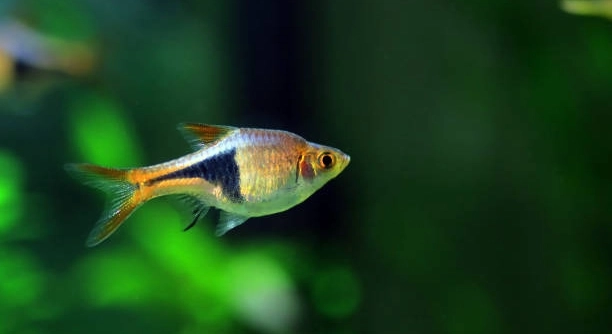
Rasboras are small, peaceful fish that often prefer certain areas of an aquarium over others. Their behavior can seem random, but it is influenced by their comfort, safety, and natural instincts in the tank environment.
Rasboras typically favor areas with moderate lighting, gentle water flow, and places to hide. These factors mimic their natural habitats, reduce stress, and promote schooling behavior, making certain spots more appealing for resting, feeding, and social interaction within the aquarium.
Observing these preferences helps create a more comfortable and healthy environment for your rasboras to thrive.
Light and Shade Preferences
Rasboras are very sensitive to light levels in their tank. Too much light can stress them, causing them to hide constantly or swim nervously. On the other hand, areas with soft or diffused light make them feel safe and calm. Adding plants or decorations that cast gentle shadows can create perfect resting spots. Many rasboras will spend most of their time in these shaded areas, especially during peak daylight hours. They naturally prefer spots that offer cover from above, which allows them to feel secure while still being able to swim freely. Observing how your fish react to different lighting can help you identify their favorite areas. Over time, you may notice consistent patterns, such as certain corners or plant clusters becoming their preferred locations. Balancing light and shade not only improves their comfort but also encourages natural behaviors, like schooling and foraging, making your aquarium feel more lively and harmonious overall.
Providing a mix of shaded and open areas helps rasboras feel safe and active, supporting their natural behaviors and overall well-being.
Creating this balance can also help prevent stress-related issues. Stress in fish often manifests as reduced appetite, faded coloration, or erratic swimming. By offering them calm zones with partial shade, you give them the chance to rest and regain energy, which positively affects their health. Soft lighting enhances plant growth, which further enriches hiding spaces and natural textures in the tank. The placement of floating plants can filter light and mimic natural ripples found in their original habitats, providing comfort and stimulation. Additionally, adding small structures like driftwood or rocks gives them extra shelter, reinforcing their sense of security. When they feel safe, rasboras are more likely to interact socially, maintain vibrant colors, and feed properly. Observing their habits can inform small adjustments in tank layout. This ongoing attention helps maintain an environment that meets their preferences, ensuring they thrive and display their most natural and engaging behaviors.
Water Flow and Temperature
Rasboras prefer gentle water flow that mimics slow-moving streams. Strong currents can exhaust them and make them hide more frequently.
Maintaining stable water temperature is equally important. Rasboras thrive in slightly warm, consistent water, which supports activity, digestion, and schooling. Rapid changes can cause stress and impact their health, making attention to flow and temperature critical for a comfortable aquarium. A well-regulated environment encourages them to explore, interact, and occupy preferred areas naturally, reducing the likelihood of persistent hiding or lethargy. Proper filtration that does not create strong turbulence and regular monitoring of temperature ensure the tank conditions match their natural tendencies. Small adjustments, like repositioning the filter outlet or adding barriers to disperse strong currents, can make a noticeable difference in their behavior. When water flow and temperature are ideal, rasboras show more predictable patterns, making it easier to design spaces they favor. Observing how they respond to different zones in the tank helps identify areas they trust and feel comfortable in, which is essential for long-term health and stress reduction.
Hiding Spots and Decorations
Rasboras naturally seek areas where they can hide. Plants, rocks, and small ornaments provide cover, making them feel secure. Dense clusters or corners of the tank are often favored as resting and feeding spots, reducing stress and encouraging natural behavior.
Decorations and hiding spots not only offer protection but also create a more dynamic environment. Rasboras use these spaces to retreat when feeling threatened or when resting. Floating plants can add extra shade and soft cover, while low-lying decorations create nooks for small groups to gather. Over time, you may notice consistent patterns where certain areas are frequently occupied. The placement of decorations influences swimming patterns, schooling behavior, and interactions between fish, encouraging them to explore while feeling safe.
Providing a variety of hiding spots helps balance the tank’s layout. Open areas allow active swimming and social interaction, while dense areas offer security and comfort. Careful arrangement ensures fish can access both without stress, supporting natural routines and long-term health. Regular observation can guide minor adjustments, keeping the tank environment engaging and safe for rasboras to thrive.
Social Behavior and Schooling
Rasboras prefer to stay in groups, often swimming together in specific areas of the tank. This schooling behavior provides safety, reduces stress, and strengthens social bonds among fish.
The size of the group influences how comfortable they feel. Smaller groups may appear hesitant or stay hidden, while larger schools move more confidently throughout the tank. They often choose areas with enough space to swim in synchrony while still offering nearby cover. Observing their movement patterns reveals preferred zones, which can be enhanced with plants or gentle currents. Social cohesion also affects feeding, activity levels, and interactions with other tank mates, making it an essential aspect of their behavior to consider.
Encouraging schooling requires careful consideration of tank layout and population. Providing open swim areas alongside hiding spots ensures the group can move freely without feeling exposed. Decorations should not obstruct their main swimming paths, allowing them to maintain group cohesion. Temperature, water quality, and lighting also impact social behavior, as stressed or uncomfortable fish may isolate themselves. By balancing these factors, the tank supports natural schooling, reduces aggression, and promotes overall well-being, creating a more predictable and harmonious environment for rasboras.
Feeding Areas
Rasboras often prefer certain areas for feeding, usually where they feel safe from strong currents or bright light. Floating or slow-sinking foods attract them to these spots, encouraging natural foraging and reducing competition among tank mates.
Placing food near plants or decorations can create a comfortable feeding environment. They are more likely to explore and eat consistently when they have nearby cover. Observing their feeding habits helps identify favored zones and ensures all fish get access to nutrition.
Tank Size and Layout
The layout and size of the tank influence where rasboras spend most of their time. Open areas allow schooling and swimming, while corners and densely planted regions provide resting spaces. Proper arrangement ensures they can move freely, find shelter, and interact safely, improving comfort and reducing stress.
Water Quality
Rasboras favor areas with clean, well-oxygenated water. Regular maintenance, filtration, and monitoring prevent stagnation and support consistent activity. Clean water promotes healthy swimming, feeding, and natural behavior, encouraging them to stay in preferred areas throughout the tank.
FAQ
Why do rasboras hide most of the time?
Rasboras hide to feel safe and reduce stress. Sudden movements, bright light, or strong currents can make them retreat. Providing plants, decorations, and shaded areas encourages them to feel secure, helping them gradually explore the tank while remaining comfortable.
How many rasboras should be kept together?
Rasboras are schooling fish and do best in groups of at least six. Smaller groups may appear shy or hide frequently. Larger groups promote confidence, natural schooling behavior, and social interaction, which supports overall health and encourages them to occupy different areas of the tank.
Do rasboras prefer tall or short plants?
They prefer a mix of both. Tall plants offer overhead cover and shade, which makes them feel secure, while short plants provide open spaces for swimming and resting. Arranging plants in layers helps them choose preferred areas without feeling exposed.
How important is water temperature for rasboras?
Water temperature is very important. They thrive in slightly warm, stable conditions. Sudden changes or extreme temperatures can cause stress, hiding, or health issues. Maintaining consistent warmth ensures active swimming, proper feeding, and natural behaviors.
Can decorations affect rasboras’ preferred spots?
Yes, decorations play a major role. Rocks, driftwood, and ornaments create hiding spots and shade. Fish tend to choose areas near these features because they feel protected. Open spaces between decorations allow swimming and schooling, so balance is key to a comfortable tank.
Do rasboras like strong water currents?
No, strong currents can exhaust them and make them hide more. Gentle water flow that mimics slow streams is preferred. Proper placement of the filter and adding flow barriers can create calm zones where rasboras feel safe and swim comfortably.
How does light influence rasboras’ location?
Lighting greatly affects where rasboras spend time. Bright light may make them retreat to shaded areas or under plants. Soft, diffused lighting provides comfort and encourages natural movement. Floating plants or partial cover can help reduce stress and create appealing zones in the tank.
Are certain tank areas better for feeding?
Yes, rasboras often feed in areas where they feel secure. Near plants or decorations, they can forage without feeling exposed. Floating or slow-sinking food works best, and feeding in the same spots helps them develop routine behaviors while reducing stress and competition.
Do tank mates affect where rasboras stay?
Absolutely. Aggressive or territorial fish can push rasboras into hiding. Peaceful tank mates and ample space allow rasboras to explore their favorite areas, swim in schools, and maintain natural behavior. Monitoring interactions helps maintain harmony and comfort in the tank.
How can I tell if rasboras are stressed?
Signs of stress include hiding frequently, faded colors, erratic swimming, or refusing food. Stress often comes from poor water quality, strong currents, bright lighting, or unsuitable tank mates. Adjusting the tank layout, lighting, and environment helps rasboras feel safe and return to normal activity.
What is the best tank layout for rasboras?
A balanced layout is best. Include open swimming spaces, shaded areas, plants, and decorations. This allows them to school, explore, and retreat when needed. Observing their preferred spots over time helps refine placement, ensuring a comfortable and natural environment that promotes health and activity.
Can rasboras change their preferred areas over time?
Yes, as they grow or as tank conditions change, rasboras may shift their favorite spots. Adding or rearranging plants, decorations, or adjusting lighting can influence their choices. Regular observation helps keep the tank tailored to their evolving preferences.
Do rasboras need hiding spots even in a peaceful tank?
Even in calm tanks, rasboras appreciate hiding spots. These areas offer comfort and security, reducing stress during rest or feeding. Properly placed plants and decorations give them choices and encourage natural behaviors, making them more active and confident in the aquarium environment.
How often should I check water quality for rasboras?
Regular monitoring is essential. Weekly checks for temperature, pH, ammonia, nitrite, and nitrate levels ensure the water remains safe. Stable, clean water supports preferred areas, encourages swimming, and reduces stress, helping rasboras maintain consistent and healthy behaviors.
Can lighting schedules impact their preferred areas?
Yes, consistent day-night cycles help rasboras establish routines. Sudden changes in light may cause them to hide or shift locations. Gradual transitions and a stable lighting schedule create predictable conditions, encouraging them to use open and shaded areas comfortably.
Do rasboras interact with other species in their preferred areas?
Rasboras often interact peacefully with small, non-aggressive species. They may share hiding spots or swim together near open areas. Compatibility with tank mates ensures their preferred zones remain safe, reducing stress and supporting natural schooling and social behavior.
Is it normal for rasboras to spend all day in one spot?
Yes, especially if the area is comfortable, shaded, and near food. Consistent hiding or resting zones provide a sense of security. Monitoring their activity ensures they are healthy and not stressed, while occasional exploration indicates a well-adjusted fish.
Can water flow adjustments change their favorite spots?
Yes, redirecting flow or adding gentle barriers can make certain areas more appealing. Calm zones encourage swimming and resting, while stronger currents may push them into other locations. Observing responses to these adjustments helps optimize tank layout for their comfort.
How does tank size influence their preferred areas?
Larger tanks allow more distinct zones, giving rasboras choices for swimming, hiding, and feeding. Smaller tanks limit options, causing clustering or frequent hiding. Thoughtful use of plants and decorations in any tank size ensures they can establish comfortable and accessible preferred areas.
What are the most common mistakes affecting rasboras’ location choices?
Common mistakes include bright lighting, strong currents, insufficient hiding spots, aggressive tank mates, and poor water quality. Each factor can push rasboras to hide or limit activity. Adjusting these elements improves comfort, encourages natural behavior, and supports healthy occupation of preferred areas.
How can I encourage rasboras to explore more of the tank?
Providing a balance of open spaces, shaded areas, and gentle water flow encourages movement. Regular observation and minor adjustments to plants, decorations, or lighting can stimulate exploration without causing stress, helping them feel safe while using the entire tank effectively.
Are certain foods more likely to attract rasboras to specific areas?
Yes, floating or slow-sinking foods draw them to preferred feeding zones. Placing food near plants or shaded spots encourages natural foraging behavior. Repeating feeding in consistent areas helps them develop habits and increases comfort in those locations.
How do seasonal changes affect preferred spots?
Changes in room lighting, temperature, or water chemistry may influence where rasboras spend time. They may move to shaded areas or calmer zones during warmer periods or adjust resting spots when water cools slightly. Monitoring and adjusting the tank environment helps maintain comfort year-round.
Can rasboras’ age affect their preferred areas?
Younger fish may hide more and prefer dense cover, while adults explore open swimming zones more confidently. Adjusting tank layout and observing growth patterns ensures all age groups have safe spaces and access to preferred areas that match their activity levels.
Is it normal for rasboras to compete for the same spots?
Some competition can occur, especially in smaller tanks or limited hiding spaces. Ensuring multiple shaded areas, decorations, and open zones reduces stress and allows them to occupy favorite areas comfortably without constant conflict.
How can I tell which areas are their true favorites?
Observe repeated patterns over time. Areas consistently used for swimming, feeding, or resting indicate genuine preference. Tracking movement during different times of day, after feeding, or during lighting changes helps identify zones that provide comfort and security.
Do temperature fluctuations affect hiding behavior?
Yes, sudden drops or spikes in temperature can cause rasboras to retreat. Stable, slightly warm water encourages active swimming and confidence in preferred spots, reducing hiding and supporting overall health.
Can rearranging decorations upset rasboras?
Yes, sudden changes may cause temporary hiding or stress. Gradual adjustments or partial rearrangements allow them to explore safely while maintaining familiar comfort zones, minimizing disruption to their routines.
Do rasboras prefer the top, middle, or bottom of the tank?
They generally prefer the middle to upper levels for swimming and social activity, but will use lower areas near plants and decorations for resting or hiding. Providing varied levels ensures they have choices that match their comfort and activity needs.
How important is plant density in choosing favorite areas?
Plant density offers cover and security. Dense clusters provide safe spots, while open areas allow swimming. A mix of both is ideal, supporting natural movement, schooling, and feeding while helping rasboras feel safe and confident in the tank.
Are there signs that a preferred area is unhealthy?
Yes, stagnant water, algae buildup, or low oxygen can make a previously favored area undesirable. Regular cleaning, water testing, and monitoring ensure these zones remain safe, comfortable, and actively used by rasboras.
Can lighting color influence their preferred zones?
Soft, natural light is preferred over harsh or colored lighting. Neutral lighting enhances visibility while maintaining comfort, encouraging use of open areas and shaded zones without causing stress or hesitation.
Do rasboras ever fight over preferred spots?
Aggression is rare but can happen in crowded tanks or limited hiding spaces. Providing multiple shelters and open zones reduces competition, allowing peaceful occupation of favorite areas and supporting social cohesion within the school.
How long does it take for rasboras to settle into preferred areas?
It varies, usually a few days to a couple of weeks. Gradual acclimation, stable water conditions, and consistent tank layout help them identify and regularly use areas where they feel most comfortable.
What is the best way to observe preferred areas without disturbing them?
Observe quietly from a distance or through gentle movements outside the tank. Avoid sudden tapping or bright light near the glass, as this can cause hiding. Consistent observation helps identify natural behavior patterns and preferred zones accurately.
Can water filtration impact where rasboras stay?
Yes, strong outflows can push them into calmer areas. Adjusting filter placement or adding flow barriers creates zones with gentle currents, encouraging them to occupy preferred swimming and resting areas without stress.
How does tank size affect schooling behavior?
Larger tanks allow schools to spread and move naturally, supporting social interactions and activity. Smaller tanks may cause clustering or hiding if space is limited. Balanced design ensures schooling behavior is maintained without compromising comfort or security.
Do rasboras react to external movement near the tank?
Yes, sudden movements outside the tank can cause hiding or stress. Maintaining calm surroundings and avoiding frequent tapping or sudden shadows helps them feel secure and encourages consistent use of preferred areas.
Can adding new fish change preferred spots?
Introducing new tank mates may temporarily shift their favorite areas as they adjust. Gradual introduction and observing interactions ensures minimal stress and helps rasboras reestablish comfortable zones without conflict.
How do water parameters affect preferred areas?
Stable pH, ammonia, nitrite, and nitrate levels are essential. Poor water quality can push them to less desirable areas or cause excessive hiding. Regular testing and maintenance keep favorite spots safe and appealing for natural behavior.
Do rasboras prefer plants with broad or narrow leaves?
A mix works best. Broad leaves provide better shade and cover, while narrow leaves allow swimming space. Variety ensures multiple comfortable zones and supports both resting and active swimming behavior in the tank.
Can preferred areas change with feeding times?
Yes, they may move toward feeding zones at consistent times. Observing patterns helps maintain comfortable areas and reduces competition, allowing them to eat safely while maintaining access to resting and hiding spots.
Do young and adult rasboras use different zones?
Young fish often prefer dense cover for protection, while adults explore open swimming areas more confidently. Providing a variety of hiding and swimming spaces ensures all age groups have access to safe and preferred zones.
Are certain water flow patterns more attractive to rasboras?
Gentle, consistent flow is preferred. Uneven or strong currents push them toward calmer zones. Strategic placement of plants, decorations, and filter outlets helps create areas they favor without causing fatigue or stress.
How long should rasboras stay in one preferred spot?
They may rest or feed in one spot for minutes to hours. Regular activity around the tank is normal. Ensuring multiple zones allows flexibility while providing safe areas for rest, feeding, and social interaction.
Do rasboras prefer shaded or well-lit feeding areas?
Shaded feeding areas are often preferred, as they provide security and reduce stress. Placing food near plants or decorations helps them feel comfortable while eating and encourages natural foraging behavior.
How can I tell if their preferred area is too exposed?
Signs include constant darting, hiding, or clustering in another zone. Adding cover, shade, or gentle water flow can make exposed areas more appealing and reduce stress.
Can adding floating plants change their favorite spots?
Yes, floating plants provide extra shade and cover. They often become preferred resting or feeding areas, giving rasboras more comfort and reducing stress in open sections of the tank.
Do rasboras prefer higher or lower oxygen zones?
Areas with higher oxygen levels are naturally preferred. Proper filtration, aeration, and plant coverage maintain oxygen-rich zones that encourage activity, feeding, and schooling without forcing them into less desirable areas.
How do seasonal changes affect preferred areas?
Variations in room temperature, lighting, and water conditions may cause rasboras to shift their favorite spots. Adjusting tank conditions helps maintain consistent comfort and encourages use of established zones year-round.
Can tank decorations block preferred swimming routes?
Yes, poor placement can restrict movement and force them into less comfortable areas. Ensuring open paths between hiding spots and shaded areas allows natural swimming, schooling, and exploration.
Do rasboras have favorite spots at night?
They often retreat to shaded or densely planted areas for rest. Maintaining calm lighting during nighttime and providing sufficient cover ensures they remain comfortable and safe while inactive.
Can water hardness affect preferred areas?
Extreme hardness or softness may push rasboras to zones with more stable water conditions. Balanced parameters and monitoring create consistent comfort, supporting natural swimming and resting behavior.
Are there signs they dislike a preferred area?
Hiding, erratic swimming, or avoiding the area indicates discomfort. Checking lighting, water flow, cover, and tank mates helps identify and correct factors that make a spot unappealing.
Do rasboras prefer corners or open areas for resting?
Corners with plants or decorations are usually preferred for resting, while open areas are used for swimming and schooling. A mix of both ensures they have safe zones and freedom to move.
Can preferred areas change if the tank is rearranged?
Yes, fish may explore new layouts and temporarily avoid previous favorite spots. Gradual adjustments help them adapt while maintaining comfort and reducing stress.
Do rasboras prefer the center or edges of the tank?
They often use edges for security and resting, and the center for swimming or schooling. A balance between open and covered areas supports natural behavior and comfort.
How can I encourage use of less popular areas?
Adding cover, shade, or gentle flow can make underused areas more appealing. Placement of food or decorations encourages exploration while maintaining safety and comfort.
Are certain areas preferred for breeding?
Yes, dense plants or secluded corners are chosen for laying eggs. Providing calm, covered zones supports natural reproductive behavior and reduces stress during breeding periods.
Do lighting intensity and duration affect preferred spots?
High intensity or sudden changes push them to shaded areas. Consistent, moderate lighting encourages exploration and comfort throughout the tank.
Can tank size limit their preferred zones?
Smaller tanks reduce options, causing clustering or hiding. Thoughtful layout with varied cover and open spaces ensures they can occupy comfortable areas without stress.
Do rasboras prefer areas with specific substrate types?
Substrate with smooth sand or fine gravel is often favored. It supports natural foraging, prevents injury, and complements hiding areas near plants and decorations.
How do temperature gradients influence preferred spots?
Areas with stable, slightly warm water are preferred. Cold or fluctuating zones push them into calmer or shaded regions, affecting activity, feeding, and social behavior.
Are floating or rooted plants better for creating preferred zones?
Both are important. Floating plants provide shade and gentle cover, while rooted plants offer structure for resting and hiding. A mix ensures multiple comfortable zones for swimming and shelter.
Do preferred areas change with the addition of new tank elements?
Yes, introducing plants, decorations, or rocks can shift favorite spots. Gradual additions help rasboras adjust while maintaining comfort and reducing stress.
Can water clarity influence preferred zones?
Cloudy or dirty water can drive fish to clearer, calmer areas. Maintaining clean water ensures all zones remain appealing and safe for swimming, resting, and feeding.
Do rasboras ever abandon preferred areas?
They may temporarily leave areas due to changes in water, lighting, or tank mates. Restoring stable conditions encourages them to return to familiar, comfortable zones naturally.
How does feeding frequency affect preferred areas?
Consistent feeding schedules encourage routine use of certain zones. Fish learn to associate safe, shaded areas with food, promoting comfort and reduced stress while maintaining natural foraging behavior.
Can temperature control devices create preferred zones?
Yes, heaters or thermostats create stable, slightly warm areas. Rasboras naturally gravitate to these zones, supporting activity, feeding, and social behaviors while reducing stress and hiding.
Are certain decorations more appealing than others?
Rasboras favor natural elements like plants, rocks, and driftwood. These features offer shelter, shade, and visual security, while plastic or brightly colored items may be less preferred or avoided.
Do rasboras prefer quiet or active tank environments?
Quiet environments are preferred. Excessive movement, vibrations, or loud noises can cause hiding and stress. Calm surroundings encourage exploration, feeding, and social behavior while allowing safe use of favorite areas.
How long does it take for rasboras to feel comfortable in new zones?
Usually a few days to two weeks. Gradual acclimation, stable water, and consistent hiding spots help them settle comfortably and consistently use new areas.
Can temperature and lighting work together to create preferred zones?
Yes, combining stable, slightly warm water with moderate lighting encourages exploration, resting, and feeding. Zones with both features become consistently favored, supporting natural behavior and overall well-being.
Do rasboras prefer areas with specific water movement near plants?
Gentle movement around plants attracts them. Flow keeps water oxygenated without stressing them, while plants offer shade and shelter, creating comfortable and appealing zones for resting and social interaction.
How does tank maintenance impact preferred areas?
Regular cleaning, water changes, and monitoring water quality ensure favorite spots remain safe, comfortable, and inviting.
Rasboras are delicate, peaceful fish that thrive when their tank environment closely matches their natural habits. Observing their behavior helps identify the areas they feel most comfortable in, whether it is shaded spots near plants, corners with decorations, or open swimming zones. Every tank is different, so the preferred spots for your rasboras may not be exactly the same as in another setup. Paying attention to where they hide, rest, or gather while feeding provides valuable insight into their comfort and stress levels. Creating a balance between open swimming space and secure hiding areas ensures they have options for all activities, from schooling to resting.
Water conditions, lighting, and tank layout play a large role in shaping where rasboras spend their time. Consistent, slightly warm water encourages activity and schooling, while gentle water flow prevents fatigue and stress. Proper lighting allows them to feel secure while exploring, and floating or rooted plants provide both cover and shade. Decorations such as driftwood, rocks, and ornaments give additional hiding spots, helping them feel safe and confident. Observing their reactions to changes in these conditions allows small adjustments to make the tank more comfortable. Over time, these observations can guide you in refining the tank layout to suit their needs, which supports natural behavior and healthy social interaction.
Schooling behavior and social dynamics also influence where rasboras spend their time. They prefer to stay in groups, which provides a sense of safety and reduces stress. Providing enough space for the school to swim together while also including areas for resting and feeding is essential. Tank mates, feeding routines, and the presence of hiding spots affect these patterns, as rasboras will naturally choose areas that meet both comfort and security needs. By maintaining clean water, stable temperatures, gentle lighting, and thoughtfully arranged decorations and plants, you create a supportive environment where rasboras can thrive. Observing and adjusting the tank setup over time helps ensure their preferred areas remain inviting and safe, allowing them to display natural behaviors consistently.

Hello,
If you enjoy the content that we create, please consider saying a "Thank You!" by leaving a tip.
Every little bit helps us continue crafting quality advice that supports the health, happiness, and well-being of pets around the world, for pets of all shapes, sizes, and species.
We really appreciate the kindness and support that you show us!