
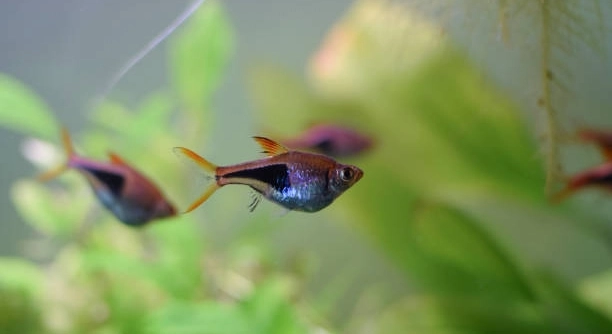
Rasboras are small, lively fish that often brighten home aquariums with their shimmering colors. Observing their movements can be enjoyable, yet sometimes they display unusual shaking while swimming that catches the attention of owners.
Rasboras may shake while swimming due to stress, water quality issues, parasites, or underlying illnesses. These factors can disrupt their balance and comfort, leading to rapid, erratic movements as the fish attempts to stabilize itself in the environment.
Learning about the reasons behind this behavior can help maintain a healthy and comfortable tank for your rasboras. Proper care and observation play a key role in supporting their wellbeing.
Common Causes of Shaking in Rasboras
Rasboras can shake for several reasons, most of which relate to their environment or health. Poor water quality is a frequent trigger. High ammonia, nitrite, or nitrate levels can irritate their gills and skin, making them swim erratically. Sudden changes in temperature or pH can also create stress, causing shaking. Infections, including bacterial or parasitic infestations, are another factor. External parasites may attach to the body, leading to twitching movements as the fish tries to relieve discomfort. Overcrowding in the tank can increase stress levels, making normal swimming patterns unstable. Even strong water currents or improper filtration can force rasboras to struggle to maintain balance. Proper observation helps identify whether shaking is occasional or continuous, which can indicate the severity of the problem. Noticing other symptoms like faded color, clamped fins, or reduced appetite can help determine if medical attention or environmental adjustments are needed.
Stress and poor water quality are often linked, so keeping conditions stable is crucial for rasboras’ health.
Observing their tank regularly and making small adjustments can prevent shaking. Maintaining clean water, balanced diet, and stable temperatures keeps rasboras comfortable.
Parasites and Diseases
External parasites often cause visible irritation. Small spots, scratching against decorations, or erratic swimming can indicate their presence. Parasites attach to the skin or gills, making it hard for rasboras to swim smoothly. Diseases like ich or fin rot can also lead to shaking.
Treating rasboras for parasites or infections requires careful attention. Quarantining affected fish helps prevent the spread to healthy tank mates. Medicated treatments or salt baths may be necessary, depending on the type of infection. Regular water testing and partial water changes can reduce the chance of recurring problems. Observing the fish’s behavior closely allows early detection of subtle changes. Temperature regulation and avoiding sudden chemical additives in the water also minimize stress, helping rasboras recover faster. Maintaining a balanced diet strengthens their immune system, which is vital for resisting diseases. Cleaning decorations and substrate reduces parasite eggs and bacteria buildup. By monitoring both behavior and environmental factors, owners can effectively manage health issues and create a safe, comfortable habitat for their rasboras.
Water Quality and Tank Conditions
Dirty water or improper tank conditions can make rasboras shake. Ammonia, nitrite, or nitrate levels that are too high irritate their gills and affect their swimming. Strong currents or overcrowding also cause stress, leading to erratic movements.
Maintaining clean water is essential for rasboras’ health. Regular partial water changes reduce harmful chemicals and keep the tank balanced. Using a reliable water test kit helps monitor ammonia, nitrite, nitrate, and pH levels. Ensuring proper filtration and avoiding sudden temperature changes also minimizes stress. Even small improvements, like adjusting decorations to reduce strong currents, can make a big difference. A comfortable environment helps rasboras swim normally and reduces shaking caused by stress or discomfort.
Tank temperature and pH stability play a key role in preventing shaking. Rasboras are sensitive to sudden changes, so a stable environment supports their natural behavior. Adding live plants or hiding spots also makes them feel secure. Observation and small adjustments often resolve shaking without medical intervention, keeping the fish healthy and active.
Diet and Nutrition
Poor diet can affect rasboras’ swimming and energy levels. Lack of essential nutrients or overfeeding may cause weakness or twitching. Feeding a balanced diet ensures they stay active and healthy.
Providing a variety of high-quality flakes, pellets, and occasional live or frozen food meets their nutritional needs. Overfeeding should be avoided, as excess food can pollute the water and stress the fish. Nutrient-rich foods strengthen their immune system, helping them resist diseases and recover from minor health issues. Observing their eating habits helps identify dietary deficiencies or problems early. Consistent feeding schedules and proper portion sizes support normal swimming and reduce erratic movements caused by weakness or malnutrition. Keeping food fresh and appropriate for their size ensures rasboras receive the nutrients needed for energy and overall wellbeing.
Stress Factors in Rasboras
Sudden changes in light, loud noises, or aggressive tank mates can stress rasboras. Stress often causes shaking as they try to cope with discomfort or fear.
Overcrowding increases competition for space and resources, making swimming difficult. Providing enough room and hiding spots helps reduce stress and stabilize behavior.
Breathing and Oxygen Levels
Low oxygen levels in the tank can make rasboras shake or gulp at the surface. Proper aeration and water movement ensure they receive enough oxygen. Monitoring oxygen levels and adjusting filtration or adding an air stone can prevent shaking caused by oxygen deficiency.
Recognizing Early Warning Signs
Fading color, clamped fins, or unusual swimming patterns often indicate health issues. Observing these signs early allows prompt action.
FAQ
Why does my rasbora shake only at night?
Shaking at night often happens when tank lighting is turned off or dimmed. Rasboras may become more active or stressed due to sudden darkness or cooler water temperatures. Ensuring a gradual light transition or a nighttime light can help them adjust and reduce erratic movements.
Can shaking be caused by water temperature?
Yes, sudden drops or spikes in water temperature can stress rasboras and make them shake. Maintaining a stable temperature between 74-78°F supports healthy swimming patterns. Using a reliable heater and thermometer prevents temperature fluctuations that disturb their comfort.
Do parasites always cause visible signs?
Not always. External parasites may cause subtle twitching before spots or scratching appear. Observing behavior closely helps catch infestations early. Quarantining new fish and regularly inspecting existing tank mates can prevent parasites from spreading and affecting swimming behavior.
Is shaking a sign of illness?
Shaking can indicate illness, including bacterial or fungal infections. Symptoms like faded color, clamped fins, or loss of appetite often accompany illness. Early detection allows treatment with medicated food, baths, or tank medications. Maintaining good water quality and hygiene reduces the risk of disease.
Can stress from tank mates make my rasbora shake?
Yes. Aggressive or overly active fish can intimidate rasboras, causing them to shake or hide. Ensuring compatible tank mates and enough space reduces stress. Adding plants or hiding spots allows rasboras to escape aggressive behavior and regain normal swimming patterns.
Does overfeeding affect shaking?
Overfeeding can pollute the water, increasing ammonia and nitrite levels that stress fish. It may also lead to bloating, making swimming awkward and causing shaking. Feeding small, controlled portions and removing uneaten food supports stable water conditions and healthier movement.
How long does it take for shaking to stop after fixing water issues?
Shaking may decrease within hours to days after correcting water parameters. Regular monitoring of ammonia, nitrite, nitrate, and pH ensures stability. Partial water changes and proper filtration accelerate recovery, while minimizing additional stressors helps rasboras regain normal behavior faster.
Are some rasbora species more prone to shaking?
Yes, delicate species like the harlequin rasbora are more sensitive to environmental changes. They react quickly to poor water quality, temperature shifts, or stress. Knowing the specific species’ needs helps provide the right tank conditions and reduces shaking.
Can diet changes reduce shaking?
A balanced diet rich in protein and vitamins strengthens the immune system, supporting better energy and swimming. Feeding a mix of high-quality flakes, pellets, and occasional live or frozen foods prevents weakness and erratic movements caused by nutritional deficiencies.
Should I isolate a shaking rasbora?
Isolation is helpful if illness or parasites are suspected. Quarantining the affected fish prevents spreading problems and allows close monitoring. A separate tank with clean water and controlled conditions supports recovery while keeping other fish safe.
Does shaking indicate long-term health problems?
Persistent shaking can signal chronic stress, illness, or poor tank conditions. Addressing water quality, diet, and environmental factors early prevents long-term damage. Observing behavior and responding promptly ensures rasboras maintain healthy swimming and overall wellbeing.
Can tank decorations affect shaking?
Yes. Sharp edges, strong currents from filtration, or overcrowded decorations can make swimming difficult. Arranging decorations to create smooth pathways and hiding spots helps rasboras swim freely and reduces shaking caused by physical obstacles.
How can I prevent shaking in the future?
Maintaining clean, stable water, monitoring temperature and pH, feeding a balanced diet, and providing a calm, spacious environment prevents shaking. Regular observation of behavior, early detection of stress or illness, and careful selection of tank mates ensures rasboras remain healthy and active.
Rasboras are lively and delicate fish that bring beauty to any aquarium. Observing them swim can be calming, but shaking movements are a sign that something in their environment or health is off. Various factors can lead to this behavior, including stress, poor water quality, diet issues, parasites, or underlying illnesses. Each of these elements affects the fish’s ability to swim comfortably. Stress from overcrowding, aggressive tank mates, or sudden changes in light and temperature can make them twitch or swim erratically. Water conditions also play a major role. High levels of ammonia, nitrites, or nitrates, as well as sudden fluctuations in temperature or pH, can irritate rasboras and cause shaking. Even strong water currents or improperly placed filtration systems can force the fish to struggle to maintain balance. Understanding these factors allows owners to identify the root of the problem and make the necessary adjustments to improve the fish’s environment.
Nutrition and overall care also impact rasboras’ behavior. A balanced diet rich in protein, vitamins, and minerals helps maintain their energy levels and immune system. Overfeeding, feeding low-quality food, or providing an unvaried diet can lead to weakness or digestive issues, which may show as shaking or erratic swimming. Alongside diet, proper tank maintenance is essential. Regular partial water changes, testing water parameters, and cleaning decorations reduce the buildup of harmful substances and parasites. Introducing live or frozen food occasionally can provide stimulation and additional nutrients, keeping the fish active and healthy. Adding plants or hiding spots creates a more secure environment and lowers stress, allowing rasboras to swim freely and confidently.
Monitoring the fish closely is equally important. Early signs of shaking, fading color, clamped fins, or changes in appetite often indicate stress or illness before it becomes severe. Prompt attention, including adjusting water quality, correcting temperature, feeding appropriately, or treating parasites, can prevent long-term health issues. For persistent problems, isolating affected fish in a separate tank can protect other inhabitants and support recovery. By combining careful observation with proper care, owners can reduce shaking and help rasboras thrive. Consistent maintenance, attention to diet, and a stable environment create conditions where these small fish remain vibrant, active, and comfortable in their tank, ensuring their wellbeing over time.

Hello,
If you enjoy the content that we create, please consider saying a "Thank You!" by leaving a tip.
Every little bit helps us continue crafting quality advice that supports the health, happiness, and well-being of pets around the world, for pets of all shapes, sizes, and species.
We really appreciate the kindness and support that you show us!