
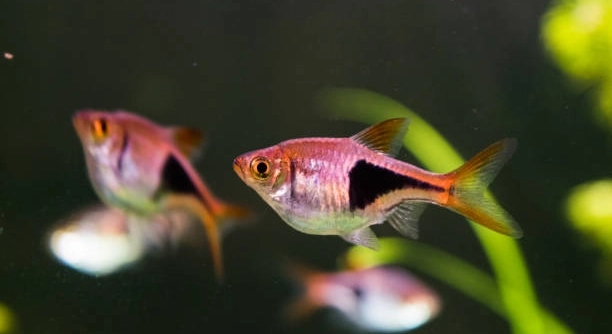
Do you ever notice your rasboras swimming near the glass and wonder what catches their attention so easily? Many fish owners observe this behavior and start to question whether reflections play a role in their activity.
Rasboras do react to mirror reflections, often perceiving them as other fish. Their responses range from curiosity to mild aggression, depending on the individual’s temperament. Observing these interactions provides insights into their social and territorial instincts in captivity.
Watching how these tiny fish respond can reveal patterns in their behavior. Recognizing these reactions helps create a more engaging and balanced environment for them.
How Rasboras See Their Reflections
Rasboras are small, schooling fish that rely heavily on visual cues. When they see their reflection in the glass or a mirror, they often mistake it for another fish. This can trigger various behaviors, such as swimming closer, displaying territorial gestures, or simply observing. Some rasboras show increased activity, darting back and forth, while others may remain cautious, keeping their distance. Over time, these interactions can influence how comfortable they feel in their tank. Lighting and the clarity of the glass also play a role in how distinct the reflection appears. A dimly lit tank may reduce the intensity of their reaction, while bright light can make the reflection seem more real. Understanding this behavior helps in arranging their environment thoughtfully, ensuring they feel secure and less stressed. Many owners notice that reflections can temporarily change the dynamics in a tank, especially with a small group of fish.
Mirror reactions are often temporary, lasting only a few minutes.
Some rasboras learn to ignore the reflection over time. Others remain curious and will continue interacting intermittently, adjusting their swimming patterns as they acclimate to the tank conditions.
Managing Reflection Interactions
Keeping a mirror in the tank for extended periods is not recommended.
Short exposure to a mirror can provide stimulation, but constant reflections may cause stress or fatigue. Fish may become aggressive or anxious if they repeatedly perceive a rival. Adjusting decorations, plants, or background elements can reduce mirror-like surfaces and minimize unnecessary reactions. Observing how rasboras respond allows owners to balance stimulation and calm in the aquarium. Creating hiding spaces, adding natural decorations, and ensuring proper lighting can help the fish focus on their environment rather than reflections. Regularly monitoring behavior ensures that fish remain healthy and active. By understanding these responses, tank maintenance can be adapted to suit the species’ natural tendencies. Reflection management supports the social and mental well-being of rasboras, helping them thrive while preventing unnecessary stress or conflict. Proper care enhances their swimming behavior, social interactions, and overall tank harmony.
Signs of Stress from Reflections
Rasboras may show stress when exposed to mirrors too often. Rapid swimming, hiding, or sudden changes in color are common signs. Monitoring these behaviors helps ensure their environment stays comfortable.
Stress from reflections can affect feeding and social interactions. Fish that continuously chase or avoid their reflection may eat less, lose energy, or become irritable with tank mates. Over time, repeated exposure can weaken their immune system, making them more susceptible to illness. Providing hiding spots, balanced lighting, and occasional breaks from reflective surfaces can help manage stress. Observing patterns in their behavior lets you identify when adjustments are needed to maintain a healthy, peaceful tank.
Some rasboras may initially react strongly but gradually settle down. Others remain reactive, showing short bursts of activity around mirrors. These responses vary by personality and tank setup, so tailoring the environment to their comfort is essential. Noticing subtle differences, like a flick of the tail or a shift in swimming direction, gives insight into their stress levels. Adjusting tank layout and limiting reflective surfaces improves overall well-being, encouraging calmer and more natural behaviors over time.
Encouraging Healthy Interaction
Providing natural decor can reduce unnecessary mirror reactions.
Rasboras respond positively to plants, rocks, and hiding spots that break up reflective surfaces. These additions create a more comfortable environment where they feel secure. Giving them areas to explore and swim freely encourages natural schooling behavior while minimizing stress from reflections. Proper tank arrangement also supports social interactions, allowing fish to establish territories without conflict. This setup helps them focus on each other rather than perceived rivals. Observing their activity around different decorations provides clues about preferences and comfort levels, letting you optimize their living space. Well-placed elements maintain balance between stimulation and calm.
Changing tank conditions gradually improves behavior. Altering lighting, moving decorations, or adjusting background colors helps minimize mirror reactions. Fish become accustomed to their surroundings without sudden stress. Introducing floating plants or rearranging rocks can redirect attention from reflections, promoting natural swimming patterns. Monitoring interactions ensures that no individual becomes overly aggressive or anxious. Gradual adjustments allow rasboras to adapt while maintaining their health and social structure. Consistent care, observation, and thoughtful modifications make the tank a more harmonious space where fish thrive. Over time, these changes enhance schooling behavior, reduce tension, and create a peaceful aquarium environment.
Mirror Placement Tips
Keep mirrors away from high-traffic areas in the tank. Frequent reflections can startle rasboras and disrupt their normal swimming patterns. Limiting exposure helps maintain a calm and stable environment.
Avoid placing mirrors near feeding spots. Constant reflection during feeding can cause stress or aggression. Proper placement ensures they focus on food and tank mates rather than perceived rivals.
Observing Behavior Changes
Noticing changes in swimming speed, schooling patterns, or coloration can indicate reactions to mirrors. Rasboras that repeatedly dart or hover near reflective surfaces are responding instinctively. Tracking these behaviors over days helps identify whether the reactions are temporary curiosity or signs of stress. Understanding individual tendencies allows adjustments to tank conditions. Consistent observation supports healthier interaction and reduces potential tension among tank mates, improving their overall comfort.
Temporary Mirror Use
Short mirror sessions can provide mental stimulation. Use sparingly to avoid long-term stress or fatigue in rasboras.
FAQ
Do rasboras recognize themselves in mirrors?
Rasboras do not recognize themselves in mirrors like some higher animals. They perceive their reflection as another fish. This often leads to curiosity or minor aggression, as they respond to what seems like a potential tank mate or rival. Their reactions are instinctive and not based on self-awareness.
Can mirror reflections stress rasboras?
Yes, prolonged exposure to mirrors can cause stress. Fish may swim frantically, hide excessively, or display changes in coloration. Continuous stress can affect appetite, energy levels, and even immune function. Limiting mirror use and providing hiding spots reduces stress and promotes a more natural environment.
How long should a mirror be in the tank?
Short periods of a few minutes are sufficient. Temporary exposure gives mental stimulation without overwhelming the fish. Constant placement can lead to fatigue and unnecessary aggression. Observing behavior while the mirror is present helps determine safe usage time for each tank setup.
Do all rasboras react the same way?
No, individual behavior varies. Some fish are more curious, approaching the reflection multiple times, while others remain cautious or ignore it. Differences in temperament, age, and social hierarchy influence reactions. Understanding each fish’s personality helps manage mirror exposure effectively.
Can mirrors improve activity levels?
Yes, short exposure can encourage swimming and exploration. Curiosity about the reflection prompts movement, which can simulate schooling behavior. However, this benefit only applies when mirrors are used sparingly and under controlled conditions, ensuring stimulation without stress.
Are there alternatives to mirrors for stimulation?
Decorations, floating plants, and rearranging rocks can provide mental and physical enrichment. These elements create hiding spaces and encourage exploration, promoting natural behaviors without causing stress associated with mirrors. Varying the environment periodically keeps fish engaged and active.
What signs indicate mirror stress?
Rapid, erratic swimming, tail flicking, hiding, loss of appetite, or color fading are common indicators. Monitoring these signs helps prevent prolonged stress and allows timely adjustments. Providing visual barriers or moving mirrors can restore calm.
Can mirror exposure affect social dynamics?
Yes, mirrors can temporarily disrupt schooling behavior. Fish may see reflections as rivals, creating tension or temporary isolation. Observing interactions ensures dominant individuals do not harass others and maintains harmony within the group.
Is it safe to use mirrors for young rasboras?
Yes, with caution. Young fish are often more active and curious, so mirrors can stimulate movement. Limit sessions to brief periods to avoid stress or fatigue. Gradual exposure helps them adapt without affecting growth or social behavior.
Do mirrors replace other forms of enrichment?
No, mirrors should not replace natural enrichment. Plants, rocks, and open swimming areas provide more meaningful stimulation. Mirrors can complement these features when used sparingly but are not a substitute for a well-structured habitat.
Can lighting affect mirror reactions?
Yes, bright lighting enhances reflections, making them more noticeable and potentially more stressful. Dim lighting reduces the intensity of reactions. Adjusting light levels helps manage mirror-induced behavior and keeps the tank environment comfortable for rasboras.
How often can mirrors be used safely?
Once or twice a week for short periods is generally safe. Frequent exposure increases stress and aggression risk. Monitoring behavior before and after use ensures the fish respond positively without long-term negative effects.
What is the benefit of observing mirror reactions?
Watching how rasboras respond provides insight into their temperament, social tendencies, and stress thresholds. It can help tailor tank arrangements, improve care practices, and ensure a balanced environment that supports mental and physical health.
Can mirror reactions indicate health issues?
Occasionally, unusual responses to mirrors, like lethargy or lack of interest, can signal underlying health problems. Consistent observation allows early detection of illness or environmental stressors, improving chances for timely intervention and recovery.
Are some tank setups better for mirror exposure?
Yes, tanks with open swimming areas and partial hiding spots allow safe interaction. Dense decor can reduce the visibility of reflections, minimizing stress. A balanced layout supports both natural behaviors and occasional enrichment without compromising fish welfare.
Final Thoughts
Rasboras are small, delicate fish that respond strongly to visual cues in their environment. Their reactions to mirror reflections are instinctive and vary between individuals. Some may approach the reflection with curiosity, while others keep their distance, showing caution or mild stress. Understanding these behaviors helps in providing a tank setup that supports both their physical and mental well-being. By observing how they interact with mirrors, owners can learn more about each fish’s personality, including its temperament, energy levels, and social tendencies. These insights can guide decisions about tank decorations, lighting, and the placement of hiding spots to reduce unnecessary stress while promoting natural behaviors.
Using mirrors occasionally can provide short bursts of stimulation for rasboras, encouraging swimming and social interaction. However, constant exposure can lead to fatigue, stress, or aggression, especially in smaller tanks. Limiting mirror time to a few minutes, monitoring responses, and gradually introducing reflections allows the fish to explore without overwhelming them. Creating a balanced environment with plants, rocks, and open swimming spaces is equally important. These natural additions not only make the tank visually appealing but also give the fish areas to retreat and feel safe. By combining occasional mirror use with thoughtful tank arrangement, owners can create a healthy and engaging space for their rasboras.
Paying attention to subtle behavior changes is essential for maintaining a peaceful tank. Signs such as erratic swimming, hiding, color fading, or changes in feeding habits can indicate stress from reflections or other environmental factors. Regular observation, paired with small adjustments like modifying lighting, rearranging decorations, or limiting mirror sessions, ensures that the fish remain comfortable and active. Over time, these practices promote stronger schooling behavior, improved social interaction, and overall better health. Providing a calm, enriched, and carefully monitored environment allows rasboras to thrive while reducing stress from reflections, ensuring they remain vibrant and energetic in their aquatic home.

Hello,
If you enjoy the content that we create, please consider saying a "Thank You!" by leaving a tip.
Every little bit helps us continue crafting quality advice that supports the health, happiness, and well-being of pets around the world, for pets of all shapes, sizes, and species.
We really appreciate the kindness and support that you show us!