
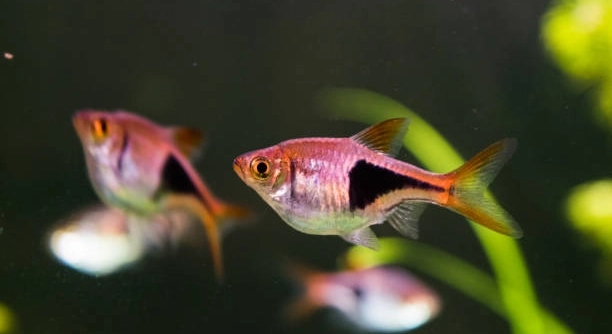
Rasboras are small, lively fish that bring movement to any aquarium. They often interact with their environment, and owners may notice how they respond differently when plants are present. Observing their behavior can be both relaxing and informative.
Rasboras tend to display more playful and active behaviors when live or artificial plants are included in their tank. The presence of plants provides shelter, stimulation, and opportunities for exploration, which encourages natural schooling and interactive patterns.
Introducing plants to your aquarium can enhance both the environment and your enjoyment of watching your fish. These simple additions create richer experiences for both Rasboras and their caretakers.
How Plants Affect Rasbora Behavior
Adding plants to a Rasbora tank changes the environment significantly. Plants create hiding spots, making fish feel safer and less stressed. They provide vertical and horizontal spaces for swimming, which encourages more natural movement. Many Rasboras explore the leaves, weaving through stems or resting underneath. This activity increases their curiosity and engagement. Plants also help regulate water conditions by absorbing nitrates and producing oxygen, contributing to healthier fish overall. Over time, you may notice that Rasboras are more active during the day and display more social interaction within the school. Even simple plant arrangements can spark noticeable differences in behavior. Live plants tend to stimulate the most natural responses, but artificial ones also offer structure and exploration opportunities. Watching Rasboras navigate a planted tank can reveal patterns in their interactions and preferences. Each fish may choose different areas to explore, rest, or hide, showing individuality.
Rasboras show calmer and more confident swimming in planted areas. Their schooling becomes tighter and more coordinated around vegetation.
Plant density and placement affect Rasbora activity. Denser plants offer more shelter but may limit swimming space, while scattered plants encourage exploration. Fish tend to return to familiar areas, showing attachment to specific spots. Over time, patterns emerge where certain plants become preferred resting or hiding zones. Observation can help owners adjust plant layout for optimal engagement.
Choosing the Right Plants
Soft-leaved plants are ideal for Rasboras, as they reduce injury risk while swimming. They also sway with water flow, adding stimulation. Fast-growing species like hornwort or water wisteria offer ample coverage, while slow growers like Anubias provide long-term stability and structure. Plant height matters too; taller plants create vertical layers that Rasboras enjoy navigating. Broad-leafed plants give resting areas and partial shade, making fish feel secure. Floating plants soften light and add a sense of depth, enhancing natural behavior. Placement near corners or along the tank edges encourages exploration without overwhelming open swimming areas. A mix of textures and heights replicates natural habitats and keeps fish active. Regular trimming prevents overgrowth, maintaining both aesthetics and swimming space. Introducing plants gradually lets fish adapt comfortably, minimizing stress. Observing how Rasboras interact with different species helps determine which plants suit their preferences best.
Proper lighting and moderate flow complement plant growth and Rasbora activity. Together, they create a balanced, stimulating aquarium that supports both fish and plant health. Over time, you can adjust arrangements to maintain engagement, ensuring that your Rasboras continue to display lively and natural behavior. A carefully planned planted tank encourages exploration, schooling, and playful interactions, making the aquarium more vibrant. By combining plant variety, density, and strategic placement, you can create an environment where Rasboras feel secure yet challenged. Their interactions with plants often indicate comfort levels and curiosity. Watching these patterns emerge adds insight into their needs, making care more responsive and rewarding. Ultimately, integrating plants benefits both fish welfare and the visual appeal of the tank, fostering long-term enjoyment and healthier aquatic life.
Best Tank Setups for Rasboras
Rasboras thrive in tanks with moderate plants and open swimming areas. A mix of tall and short plants helps balance exploration and shelter. Substrate choice, like fine gravel or sand, supports plant growth and keeps the environment comfortable for the fish.
Careful arrangement of plants creates natural zones within the tank. Dense clusters near corners offer hiding spaces, while open areas in the center allow schooling and free swimming. Adding driftwood or rocks further breaks up the space, giving Rasboras additional points to explore. Light levels should be moderate to encourage plant growth without stressing the fish, and gentle water flow mimics their natural habitat. Filtration is key to maintaining clean water and healthy plants. Observing how fish use each area helps refine the layout over time.
Temperature and water conditions must stay stable. Rasboras prefer slightly acidic to neutral water and a temperature between 22–28°C. Plants thrive in similar conditions, making compatibility easier. Regular maintenance, including trimming plants and monitoring water quality, ensures the tank remains a safe, stimulating environment. Using a mix of live plants with occasional artificial elements can keep the tank visually appealing and functional. Over time, fish show stronger activity and healthier coloration in well-designed setups.
Feeding Habits and Plant Interaction
Rasboras often graze near plant roots or leaves. Live plants sometimes harbor small microorganisms, giving fish extra nutrition naturally. Observing feeding patterns can reveal preferences for certain areas or plant types, encouraging varied diet management.
Providing a mix of flake, frozen, and live foods ensures balanced nutrition. Rasboras may pick at surfaces of leaves or driftwood where biofilm develops, complementing their main diet. Feeding in planted areas can stimulate natural foraging behavior, keeping fish active. Portions should be small to avoid excess waste, which could affect both water quality and plant health. Timing feedings to match their natural activity cycles encourages more interaction with plants and promotes overall well-being. Regularly observing fish responses to different foods and locations allows adjustments that maintain both nutrition and engagement.
Plants also influence feeding efficiency. Dense growth slows food dispersion, prompting Rasboras to search actively and reinforcing natural hunting instincts. Floating plants create shaded zones that encourage calmer feeding, while open areas let them move freely and socialize. Alternating feeding spots helps distribute fish activity evenly across the tank. Over time, Rasboras develop predictable patterns around certain plants, reflecting comfort and preference. This behavior allows for more intentional placement of foods and contributes to a healthier tank environment. Interaction with plants during feeding enhances mental stimulation and encourages consistent exercise, benefiting both fish and aquatic plants in tandem.
Plant Density and Fish Activity
Higher plant density often encourages Rasboras to explore and interact more frequently. Dense foliage provides hiding spots that reduce stress and create a sense of security. Fish tend to be bolder in open areas when they know cover is nearby, which promotes natural behavior.
Sparse planting can lead to increased swimming in open water but may reduce playful interactions. Rasboras may stick closer to tank edges if they feel exposed. Striking a balance between open space and plant clusters encourages healthy activity and schooling behavior, ensuring fish remain engaged without feeling threatened.
Lighting Effects on Behavior
Moderate lighting enhances both plant growth and fish activity. Too bright light can stress Rasboras, causing them to hide, while dim lighting encourages calmer movement. Balanced lighting supports natural colors, promotes active schooling, and allows fish to navigate the tank safely, maintaining consistent engagement throughout the day.
Seasonal Changes in Behavior
Rasboras may show variations in activity during temperature or light shifts. Subtle changes in tank conditions, like slightly cooler water or shorter daylight hours, can influence swimming patterns, plant interaction, and social behavior. Adjusting care routines according to these variations helps maintain stability and keeps the fish comfortable and active.
FAQ
Do Rasboras prefer live plants over artificial ones?
Rasboras often respond more actively to live plants because they create natural hiding spots and subtle water movement. Live plants also improve water quality by absorbing nitrates and producing oxygen. Artificial plants can offer structure, but they do not provide the same enrichment, leaving fish slightly less stimulated.
How many plants should I include in a Rasbora tank?
A moderate number of plants is ideal. Dense clusters in corners and along tank edges give shelter, while open swimming areas in the center allow schooling and active movement. A mix of tall and short plants ensures variety without restricting freedom to swim. Observing fish behavior can help adjust density over time.
What types of plants are safest for Rasboras?
Soft-leaved species like Anubias, Java fern, and hornwort reduce injury risk when Rasboras swim through them. Fast-growing plants provide coverage and exploration opportunities, while broad-leafed varieties offer resting areas. Floating plants can create shaded zones, helping fish feel secure and encouraging natural activity.
Do plants affect feeding behavior?
Yes, plants can encourage foraging behavior. Fish may pick at surfaces of leaves or roots where biofilm forms, supplementing their diet. Dense plant areas may slow food dispersion, prompting active searching. Placing food near plants can stimulate natural behavior, balancing nutrition and mental stimulation.
Will too many plants stress Rasboras?
Excessive plant density can limit swimming space and reduce visibility, making fish feel confined. Rasboras need both shelter and open water for natural schooling. Striking a balance between planted areas and open zones ensures they remain confident, active, and playful throughout the day.
How do plants influence Rasbora social behavior?
Plants create secure spots where shy fish can rest while the school continues swimming. This balance reduces aggression and supports coordinated schooling. Dense planting encourages small groups to explore together, increasing interaction and promoting natural patterns of movement and hierarchy.
Can Rasboras damage live plants?
Generally, Rasboras are gentle swimmers and do not harm plants. They may nibble occasionally at leaves or roots, but this is minimal. Proper planting techniques and robust plant selection prevent damage, and plants often recover quickly, maintaining both aesthetics and functional hiding spaces.
Do lighting conditions matter for plant and fish interaction?
Lighting plays a key role. Moderate light encourages plants to grow and creates comfortable conditions for Rasboras. Bright light can stress fish, causing them to hide, while dim lighting reduces activity. Balanced lighting supports natural behavior, vibrant colors, and safe exploration throughout the tank.
How often should I rearrange plants?
Frequent rearrangement can stress Rasboras, as they rely on familiar hiding spots. Occasional adjustments to improve growth or balance space are fine. Observing fish preferences for certain plants helps guide placement, ensuring they remain comfortable and continue to display playful and exploratory behavior.
Do seasonal changes affect how Rasboras interact with plants?
Yes, subtle changes in temperature or light duration can influence activity. Cooler water or shorter daylight may reduce swimming speed, encourage more resting among plants, or slightly alter schooling patterns. Adjusting care to maintain stable water conditions helps Rasboras remain active and healthy year-round.
Can artificial plants fully replace live plants for Rasboras?
Artificial plants provide structure and hiding spots, but they lack the biological benefits of live plants. Water quality improvements, natural grazing opportunities, and subtle environmental enrichment are reduced. Combining both types often yields the best results, offering visual appeal, safety, and engagement for Rasboras.
How do plants help reduce stress in Rasboras?
Plants offer visual barriers and secure resting areas, reducing exposure to perceived threats. Dense clusters allow shy fish to retreat while still observing the school. This sense of security promotes confidence, natural schooling behavior, and overall well-being, making fish more active and playful in the tank.
Are there any plants Rasboras tend to avoid?
Rasboras may avoid plants with rigid, sharp leaves or strong chemical treatments. Such plants can feel threatening or uncomfortable to swim through. Choosing soft, flexible species ensures safety, encourages exploration, and minimizes stress while maintaining a lively, interactive tank environment.
Can plant placement impact breeding behavior?
Yes, plants play a key role in spawning. Dense clusters and fine-leaved plants offer ideal sites for egg-laying and protection of fry. Proper placement encourages natural breeding behavior, giving fish confidence and safe areas to complete their reproductive cycle.
How do I maintain plant health without disturbing Rasboras?
Trimming, cleaning, and checking water quality should be done gently. Avoid sudden changes or heavy pruning that could stress fish. Regular maintenance supports growth, prevents overcrowding, and ensures Rasboras continue to interact naturally with the plants, maintaining activity and comfort throughout the tank.
Final Thoughts
Rasboras are naturally active and social fish, and their behavior can be influenced by the structure and elements in their tank. Including plants creates an environment that encourages exploration, playful swimming, and more natural interactions. Plants provide hiding spots, resting areas, and points of interest that help Rasboras feel safe. A well-planted aquarium allows fish to establish routines, such as favorite swimming zones or specific spots to rest. This sense of security often results in more confident and visible behavior, with Rasboras interacting both with each other and their surroundings. Over time, the combination of shelter and open swimming space can make the tank feel dynamic, giving the fish room to express themselves naturally.
Choosing the right plants and arranging them thoughtfully is important for maintaining a balance between comfort and activity. Soft-leaved species and fast-growing plants provide both safety and stimulation without causing harm. Tall plants create vertical layers for exploration, while shorter plants or ground-covering species offer shelter near the substrate. Floating plants can add shade and reduce stress by softening the light, allowing Rasboras to feel secure while swimming freely below. Regular maintenance, such as trimming overgrown plants and monitoring water conditions, keeps both fish and plants healthy. Observing how Rasboras use different areas of the tank helps guide adjustments in layout. Over time, certain plants or zones may become favorites, showing clear signs of comfort and preference. This balance between planted areas and open swimming space ensures that the fish remain active, social, and playful without feeling restricted or stressed.
Plants also influence feeding behavior, social interactions, and overall well-being. Rasboras may graze near plant surfaces or search for biofilm, which complements their diet and keeps them engaged. Dense or well-placed plants reduce aggression by offering retreats for shy individuals and promoting coordinated schooling. The presence of live plants can also improve water quality, benefiting fish health and contributing to a stable environment. Lighting, flow, and seasonal variations further affect behavior, and incorporating plants helps mitigate stress from these factors. Ultimately, creating a planted tank tailored to Rasboras’ needs enhances both their physical health and mental stimulation. By paying attention to plant types, placement, and density, caretakers can ensure their Rasboras remain active, playful, and comfortable, creating an aquarium that is both visually appealing and beneficial to the fish. This thoughtful approach to planting fosters long-term engagement and supports the natural behaviors that make Rasboras enjoyable to observe.

Hello,
If you enjoy the content that we create, please consider saying a "Thank You!" by leaving a tip.
Every little bit helps us continue crafting quality advice that supports the health, happiness, and well-being of pets around the world, for pets of all shapes, sizes, and species.
We really appreciate the kindness and support that you show us!