
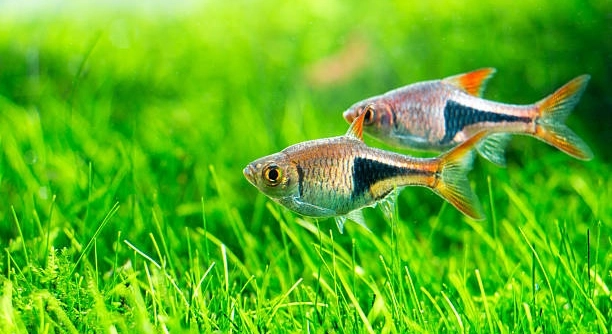
Rasboras are small, active fish that bring life to any aquarium. Their playful movements often draw attention to the tank’s decor, from plants to rocks, creating a dynamic environment. Observing them interact can be both relaxing and informative.
Rasboras interact with tank decor in predictable ways, including swimming through plants, hovering near ornaments, exploring crevices, using surfaces for resting, schooling around objects, nibbling on textures, and responding to changes in layout. These behaviors reflect natural instincts and environmental engagement.
Understanding these interactions can enhance tank design and fish wellbeing. Knowing how they engage with decor helps create a balanced, stimulating habitat.
Swimming Through Plants
Rasboras naturally enjoy weaving through live and artificial plants. Watching them glide between stems is calming, and it also serves a purpose. Plants provide cover, reduce stress, and create territories within the tank. Young rasboras often dart quickly through foliage, while older fish may move more deliberately, exploring every gap. The movement helps maintain their agility and encourages natural behaviors. Dense plants also act as a barrier during feeding, allowing timid fish to feel secure. The more complex the plant layout, the more engaging the environment becomes for these small fish. Even simple plants like Java fern or Anubias offer enough structure for exploration. Floating plants can create shaded areas that rasboras prefer at times, giving them an extra layer of comfort. Observing their interaction with plants reveals how much they rely on these structures for safety and recreation, highlighting the importance of including greenery in their tank setup.
Plants offer shade, security, and activity areas, making rasboras more comfortable and lively within their tank environment.
Careful plant placement supports both fish wellbeing and tank aesthetics. Dense planting encourages movement and natural interactions, while varied heights provide layers of exploration. Floating and rooted plants together create a dynamic environment, simulating natural conditions. Observing rasboras navigate through leaves and stems gives insight into their preferences, revealing which areas they favor for resting, schooling, or quick bursts of activity. Additionally, plants help with water quality by reducing nitrate levels and providing oxygen. They also offer hiding spots during feeding or when a new fish is introduced, preventing stress. Certain species like mosses allow them to nibble or forage, adding enrichment to their daily routine. Rotating plants and occasionally adjusting their positions keeps the environment stimulating. Over time, the combination of movement, cover, and foraging opportunities helps maintain healthy, active, and confident rasboras, supporting both their physical and mental wellbeing in the aquarium.
Hovering Near Ornaments
Rasboras often pause near rocks, driftwood, or other decorations. They use these items as markers within their territory or for brief resting spots.
Ornaments provide more than visual appeal. When strategically placed, they encourage natural behavior patterns like schooling, hiding, or territorial exploration. Rasboras may hover near a particular rock or behind a piece of driftwood, using it as a reference point while navigating the tank. They often return to the same spot after swimming around, indicating a sense of familiarity and security. Open spaces near decorations can also serve as gathering areas during feeding, helping maintain a social dynamic within the school. Varying shapes, textures, and sizes of ornaments influence their movement, as rasboras investigate or swim through gaps. Smooth surfaces, flat stones, or textured wood allow them to rest comfortably without injury, while taller ornaments create visual barriers that reduce stress and simulate natural habitats. Understanding these patterns helps optimize tank layouts for activity and wellbeing. Regular observation ensures ornaments remain safe and functional, supporting their playful and social behaviors.
Exploring Crevices
Rasboras often investigate small gaps and crevices between rocks, wood, or decorations. These tight spaces give them a sense of security while allowing natural exploration and curiosity. Observing this behavior shows how important varied textures and layouts are in their environment.
Crevices offer more than hiding spots. Rasboras use them to navigate the tank, practice agility, and escape perceived threats. They may dart in and out quickly or linger to rest briefly. Providing multiple openings encourages movement and reduces stress, especially in shy or smaller individuals. Different materials, such as smooth stones or driftwood, create varied experiences and prevent boredom. Over time, rasboras develop favorite spots, demonstrating their preference for complexity in their habitat. These behaviors highlight their instinct to seek both safety and stimulation within a confined space.
Rasboras’ use of crevices also supports social interaction. Fish often follow each other through gaps, reinforcing schooling behavior. Crevices break line-of-sight, reducing aggression in crowded tanks. They provide temporary retreats for weaker or younger fish, balancing group dynamics. Adjusting placement periodically keeps the environment stimulating, ensuring that fish remain active and engaged. Incorporating crevices alongside open swimming areas creates a versatile tank layout that supports natural behavior, enhances wellbeing, and adds visual interest for observers.
Resting on Surfaces
Rasboras frequently pause on flat surfaces like stones or broad leaves. These areas act as temporary resting spots and help them conserve energy during active periods.
Flat surfaces give rasboras a place to relax and regain energy without hiding completely. They often choose smooth or slightly textured areas that support their small bodies. Placement near plants or open swimming zones allows them to resume movement quickly. By alternating between resting spots and active areas, rasboras maintain a balanced activity level, which is important for overall health. Proper surface availability also minimizes stress by giving fish options for quick retreats and comfort within the tank environment.
Rasboras’ resting behavior can indicate comfort and tank suitability. They may linger longer on surfaces when the water is calm, highlighting preferred spots. Observing which areas they favor helps determine optimal decor arrangement, ensuring a mix of surfaces, open water, and shelter. Flat surfaces near plants or ornaments promote safe interaction while supporting natural activity patterns. Providing multiple resting areas prevents overcrowding and encourages equitable use of the tank space. Over time, this arrangement reduces stress, supports social behavior, and enhances the visual dynamic of the aquarium, making it a healthy and engaging home for the fish.
Schooling Around Objects
Rasboras often swim together around ornaments, plants, or rocks. This behavior strengthens their social bonds and provides a sense of safety while exploring the tank environment.
Moving as a group around objects also helps them navigate efficiently. They maintain formation, avoid collisions, and reduce stress while exploring unfamiliar areas.
Nibbling on Textures
Rasboras occasionally nibble on leaves, wood, or other surfaces. This behavior is part of their natural foraging instincts and helps them interact with their environment. They may remove small particles, test textures, or explore potential food sources. Providing varied textures encourages mental stimulation and supports natural behaviors.
Responding to Layout Changes
Rasboras quickly notice any changes in tank decor. They may adjust swimming patterns, explore new gaps, or hover near unfamiliar objects. These reactions indicate adaptability and curiosity, highlighting the importance of monitoring their responses when rearranging decorations to maintain a comfortable, engaging habitat.
FAQ
How many rasboras should I keep in a tank?
Rasboras are schooling fish and feel most comfortable in groups. A minimum of six is recommended, though larger schools of ten to twelve create more natural movement and reduce stress. Small groups may feel insecure and hide more often.
Can rasboras live with other fish?
Yes, rasboras are peaceful and generally compatible with other small, non-aggressive fish. They do well with tetras, guppies, and small catfish. Avoid larger or aggressive species that may chase or stress them. Maintaining a calm environment supports natural behaviors and reduces conflicts.
Do rasboras need live plants?
Live plants are not strictly required but are highly beneficial. They provide hiding spaces, simulate natural habitats, and support water quality. If live plants aren’t possible, dense artificial plants can offer similar security and exploration opportunities for your rasboras.
How often should I rearrange tank decorations?
Minor rearrangements can stimulate curiosity and encourage natural exploration. Avoid frequent or drastic changes, as rasboras can become stressed if their environment feels unstable. Gentle adjustments every few weeks allow them to investigate without causing anxiety.
What types of surfaces do rasboras prefer for resting?
They favor smooth or slightly textured surfaces, including flat stones and broad leaves. These surfaces provide temporary resting spots and comfort. Position resting areas near open swimming zones or plants so fish can easily resume activity when ready.
Why do rasboras nibble on plants or decor?
Nibbling is part of their natural foraging and exploration behavior. They are testing textures, looking for potential food, or simply interacting with their environment. Providing varied surfaces helps stimulate their instincts and keeps them mentally engaged.
Do rasboras need hiding spots in the tank?
Yes, hiding spots reduce stress and create a sense of security. Crevices, plants, and ornaments allow timid fish to retreat when feeling threatened. Multiple hiding places spread throughout the tank help maintain balanced social dynamics within the school.
How does tank layout affect rasbora behavior?
Tank layout strongly influences movement, exploration, and social interactions. Open spaces allow schooling and swimming, while plants and ornaments provide shelter and stimulation. Proper spacing encourages natural behaviors, reduces aggression, and keeps the fish active and confident.
Can rasboras get stressed from too many decorations?
Yes, overcrowding a tank can make swimming difficult and cause stress. Maintain a balance of open areas and decor to allow free movement while still offering exploration and hiding options. Observing their activity helps adjust layouts as needed.
Is it necessary to monitor how rasboras interact with their environment?
Absolutely. Observing interactions with plants, ornaments, and surfaces provides insight into comfort, preferences, and potential stressors. Adjusting the environment based on these behaviors ensures their wellbeing and promotes a healthy, engaging tank habitat.
How important is water quality for rasboras’ interaction with decor?
Water quality is critical. Poor conditions make fish lethargic, reducing interaction with plants and decorations. Clean, stable water encourages exploration, schooling, and resting behaviors, ensuring fish remain active and healthy within their environment.
Do rasboras show favorites among decorations?
Yes, they often return to specific spots repeatedly. These preferred areas may offer comfort, safety, or optimal resting surfaces. Noticing favored locations helps in planning decor placement to enhance tank usability and fish satisfaction.
Can rasboras adapt to new decorations quickly?
They can, but adaptation speed depends on individual temperament and previous experiences. Gentle introduction of new ornaments or plants helps reduce stress and encourages natural exploration, allowing them to adjust without fear or hesitation.
Should I remove decorations if rasboras are hiding too much?
Not necessarily. Excessive hiding may indicate stress, overcrowding, or water quality issues rather than the decorations themselves. Assess the environment carefully before removing items, ensuring that fish still have security and stimulation options.
How do lighting and decor work together for rasboras?
Lighting affects how decorations appear and how comfortable fish feel. Dim or moderate lighting can reduce stress, highlight plants and ornaments, and encourage active movement. Balancing light and decor creates a visually appealing and functional habitat for exploration.
Do rasboras interact differently with artificial versus live plants?
They often behave similarly, using both for cover, resting, and exploration. Live plants offer additional benefits like water quality improvement, but artificial plants still provide security and areas for interaction when live options are limited.
Can rasboras’ decor preferences change over time?
Yes, as fish mature, their activity level and social behavior may shift. They might explore new areas, favor different hiding spots, or adjust resting locations. Regular observation ensures the tank continues to meet evolving needs.
Are there decorations that should be avoided for rasboras?
Avoid sharp, rough, or small loose items that could injure or trap fish. Smooth rocks, driftwood, and safe ornaments are best. Ensuring decorations are secure prevents accidents and promotes a safe environment for exploration.
How do rasboras respond to changes in tank layout?
They often pause, hover, or swim cautiously when new items are introduced. This reaction shows curiosity and adaptability. Observing how they adjust helps in arranging decorations that stimulate activity while maintaining comfort and safety.
What’s the key to a balanced tank environment for rasboras?
A combination of open swimming space, varied surfaces, plants, hiding spots, and safe decorations supports natural behaviors. Maintaining water quality and monitoring interactions ensures comfort, activity, and a thriving, healthy group of fish.
Rasboras are small, active fish that bring energy and life to any aquarium. Their behavior around tank decor provides a lot of insight into their needs and natural instincts. Observing how they move through plants, explore crevices, rest on flat surfaces, and interact with ornaments can help create a more balanced and comfortable environment for them. Each decoration, from rocks to driftwood, has a purpose beyond aesthetics. Plants provide cover and reduce stress, crevices allow safe exploration, and resting surfaces help conserve energy. Even small details, like texture and placement, influence how confident and active rasboras feel in their tank. Understanding these interactions allows fish keepers to make thoughtful decisions about tank layout, ensuring the habitat meets both practical and behavioral needs.
Watching rasboras interact with their environment shows the importance of variety and structure in a tank. Open swimming areas encourage schooling and social activity, while hiding spots and crevices reduce stress for timid individuals. Placement of ornaments and plants should balance exploration opportunities with safety, so fish can navigate freely without feeling exposed. Surfaces for resting, such as broad leaves or smooth stones, allow them to pause comfortably during activity, supporting their overall health. Even subtle changes, like moving a plant or adding a small decoration, can prompt exploration and mental stimulation. Observing their reactions to these changes provides useful information about preferences and comfort levels. A thoughtful approach to tank decor not only improves the wellbeing of rasboras but also enhances the visual and dynamic appeal of the aquarium itself.
Creating a tank that supports natural behavior requires attention to both fish and environment. Rasboras respond positively to spaces that encourage exploration, social interaction, and resting. Maintaining clean water, safe decorations, and balanced lighting ensures their energy and curiosity are expressed without stress. Regular observation allows adjustments to the layout to meet evolving needs as fish grow and mature. By prioritizing both security and stimulation, aquarists can foster a healthy, engaging habitat that mirrors the conditions rasboras would encounter in the wild. Over time, a well-designed tank helps the fish remain active, confident, and interactive, providing satisfaction for both the fish and the keeper. Proper planning and careful arrangement of plants, ornaments, and surfaces are essential to achieving a harmonious and functional aquarium where rasboras thrive naturally.

Hello,
If you enjoy the content that we create, please consider saying a "Thank You!" by leaving a tip.
Every little bit helps us continue crafting quality advice that supports the health, happiness, and well-being of pets around the world, for pets of all shapes, sizes, and species.
We really appreciate the kindness and support that you show us!