
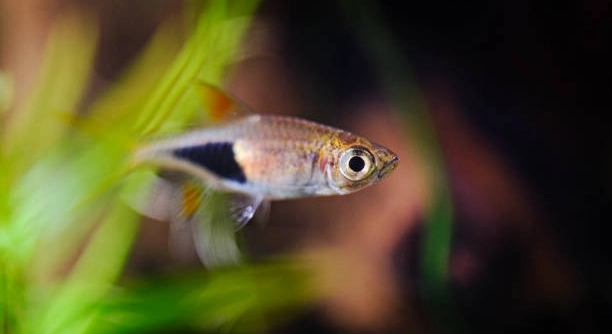
Many aquarists enjoy keeping Rasboras for their vibrant colors and peaceful nature. Small changes in a tank setup can greatly affect their behavior, health, and social interactions. Even minor adjustments deserve attention for better results.
Seven minor changes in tank conditions, including water flow, lighting, plant placement, and tank companions, can significantly influence Rasbora activity and wellbeing. Careful attention to these factors promotes stability, reduces stress, and encourages natural behaviors.
Understanding these subtle adjustments can help maintain a balanced tank environment. Each change, though small, has the potential to improve Rasboras’ health and daily habits.
Adjusting Water Flow
Rasboras thrive in gentle, consistent water currents. Too strong a flow can stress them, causing erratic swimming and hiding behaviors. Observing the tank carefully helps determine the best placement for filters or powerheads. Even slight changes in flow direction or speed can influence feeding patterns and social interactions. Placing decorations or plants strategically can naturally redirect water movement, creating calmer zones. Consistent flow also aids in oxygen distribution and waste removal, contributing to overall tank health. Small adjustments, like slightly lowering the filter output or angling the flow away from open swimming areas, can make a noticeable difference. Over time, Rasboras become more confident and active when currents feel manageable. This approach not only improves their physical condition but encourages natural schooling behavior. Tanks that mimic gentle stream conditions often see Rasboras display more vibrant colors and consistent energy levels. Attention to these subtle details can have an outsized impact on their wellbeing.
Flow adjustments also reduce stress and enhance the tank’s overall balance, allowing Rasboras to settle comfortably and interact naturally.
Careful observation is key. Watch how Rasboras respond to minor changes in flow and adjust gradually. Notice whether they gather in calmer areas or avoid certain spots. These small behavioral cues indicate whether the tank’s flow suits them. Over weeks, gradual modifications can create an optimal environment, encouraging schooling and more active feeding. Combining flow adjustments with proper plant placement and open swimming space ensures that Rasboras remain healthy and confident. This simple change often produces immediate improvements in behavior and coloration, showing that even minor tweaks can create noticeable positive results in tank dynamics.
Fine-Tuning Lighting
Proper lighting impacts Rasbora health, activity, and coloration. Too bright or inconsistent light can stress them, while subtle, consistent lighting enhances natural behaviors and promotes plant growth.
Adjusting the duration, intensity, and type of light can influence Rasbora behavior. Using a timer ensures consistency, simulating natural day-night cycles that regulate their internal rhythms. Dimmer areas with shaded spots allow shy individuals to retreat, reducing stress and promoting schooling confidence. LED lighting with a soft spectrum often enhances the vibrancy of their colors without creating excessive heat or glare. Balancing light exposure with live plants supports natural feeding and hiding behaviors, helping maintain a stable tank ecosystem.
Introducing subtle lighting changes over time encourages Rasboras to explore different tank areas, reducing aggression or hiding. Positioning lights to create gentle contrasts between shaded and illuminated zones allows them to display more natural activity patterns. Proper light exposure supports both physical health and social interaction, enhancing their overall vitality. Combining this with other minor adjustments, such as flow and decoration placement, can transform tank dynamics and improve daily energy levels. Careful attention ensures that Rasboras feel safe, active, and visually striking.
Optimizing Tank Temperature
Rasboras prefer stable temperatures between 24°C and 28°C. Sudden fluctuations can cause stress, weaken immune systems, and reduce activity. Using a reliable heater and thermometer helps maintain consistent warmth.
Monitoring temperature daily ensures stability. Minor adjustments, like slight heater repositioning or adjusting the thermostat, can prevent cold spots or overheating. Maintaining a uniform environment reduces illness risk and supports regular feeding behavior. Rasboras respond positively to consistent warmth, showing calmer schooling and more vivid coloration. Even small differences of a degree or two can affect metabolism and energy, so steady conditions are essential for their wellbeing.
Gradual changes are key when adjusting temperature. Sudden shifts can shock Rasboras, leading to hiding or lethargy. It’s helpful to check both surface and bottom readings, as some areas may differ. Pairing temperature control with proper filtration and water flow ensures a fully balanced environment. Stable warmth encourages normal growth, reproductive readiness, and improved coloration. Attention to minor temperature details supports long-term health, letting Rasboras thrive naturally in a carefully maintained habitat.
Rearranging Plants and Decorations
Repositioning plants and decorations creates natural hiding spots and swimming paths. Rasboras explore more when they feel safe and structured. Gentle placement encourages movement and reduces stress, improving overall tank activity.
Structured layouts improve territory clarity and social interaction. Grouping plants in clusters and leaving open areas promotes schooling behavior while allowing shy fish to retreat when needed. Adding small decorations, like driftwood or smooth stones, introduces varied surfaces and textures, enhancing exploration. These minor changes can make the tank feel larger and more dynamic, supporting natural behaviors.
Changing plant positions also impacts water flow and lighting patterns. Shadows cast by decorations create shaded zones, helping Rasboras regulate exposure and activity. Altering arrangements encourages them to investigate the tank fully, reducing aggression and boosting energy. Combining strategic plant placement with proper lighting, flow, and temperature creates a stable, stimulating environment. Thoughtful adjustments improve both physical health and social interactions, ensuring Rasboras remain active, confident, and visually vibrant throughout the day.
Adjusting Tank Companions
Choosing compatible tank mates prevents stress and aggression. Rasboras do best with peaceful species that share similar size and water requirements. Avoid overly aggressive or territorial fish that could intimidate them or disrupt schooling.
Introducing new companions gradually allows Rasboras to acclimate. Observing interactions during the first few days helps identify potential issues. Balanced group dynamics keep Rasboras active and confident, maintaining a harmonious tank environment.
Optimizing Feeding Schedule
Rasboras benefit from small, frequent feedings rather than large, infrequent meals. Dividing daily rations into multiple portions prevents overfeeding and maintains water quality. Using a variety of high-quality flakes, micro pellets, and occasional live foods supports optimal growth and coloration. Regular, measured feedings encourage consistent energy levels and social interaction, reducing competition stress.
Maintaining Water Quality
Regular water testing and partial water changes are essential. Clear, stable water reduces disease risk and supports natural behavior. Monitoring ammonia, nitrite, nitrate, and pH ensures Rasboras remain healthy.
FAQ
How often should I change the water in my Rasbora tank?
Partial water changes of 20-25% weekly are ideal. This keeps ammonia and nitrate levels low, reducing stress and preventing disease. Full water changes are unnecessary and can shock Rasboras. Consistency is more important than frequency, as sudden shifts in water chemistry can harm them.
What is the best temperature range for Rasboras?
Rasboras thrive between 24°C and 28°C. Maintaining stable temperatures is crucial, as even small fluctuations can stress fish, lower immunity, and reduce activity. Use a reliable heater and thermometer to monitor daily, and avoid placing the tank near drafts or direct sunlight.
Can Rasboras live with other fish?
Yes, they do best with peaceful species of similar size. Avoid aggressive or territorial fish that could chase or intimidate them. Introducing new tank mates gradually helps Rasboras acclimate, while observing interactions ensures compatibility and maintains calm schooling behavior.
How do I know if Rasboras are stressed?
Signs include hiding, erratic swimming, loss of color, and decreased appetite. Stress often results from poor water quality, inappropriate tank mates, strong currents, or improper lighting. Addressing these factors quickly helps restore normal behavior and reduces the risk of illness.
What should I feed Rasboras?
Feed a mix of high-quality flakes, micro pellets, and occasional live or frozen foods. Small, frequent meals are better than one large feeding, which prevents overfeeding and maintains water quality. Variety ensures proper nutrition, promotes color vibrancy, and supports consistent energy levels.
How many Rasboras should I keep together?
Rasboras are schooling fish and need at least six to feel secure. Larger groups improve social behavior and reduce stress. A bigger school also encourages natural swimming patterns, makes the tank more active, and supports overall health.
How important is tank decoration for Rasboras?
Plants and decorations provide hiding spots and open swimming areas. Strategic placement creates shaded zones and natural boundaries, reducing stress. Rearranging occasionally keeps the environment stimulating and encourages exploration, improving both activity levels and social interactions within the school.
How do I maintain proper water flow?
Rasboras prefer gentle, consistent currents. Adjust filter output or angle to avoid strong streams that stress them. Observing how they swim and gather in calmer areas helps identify optimal flow. Proper water movement ensures oxygen distribution and waste removal, supporting overall health.
Can lighting affect Rasboras?
Yes, proper lighting enhances coloration, activity, and plant growth. Too bright or inconsistent lighting causes stress, while soft, consistent light promotes natural behavior. Timers help maintain day-night cycles. Shaded areas allow shy fish to retreat, reducing anxiety and supporting schooling behavior.
What are common signs of illness in Rasboras?
Symptoms include clamped fins, faded colors, lethargy, labored breathing, and unusual swimming. Illness often stems from poor water quality or stress. Prompt observation, maintaining optimal conditions, and isolating affected fish can prevent outbreaks and support recovery.
How can I encourage natural schooling behavior?
Stable water conditions, gentle flow, adequate space, and proper group size support schooling. Balanced tank layout with open areas and hiding spots allows Rasboras to swim confidently together. Regular feeding and minimal disturbances further encourage active, synchronized movement.
Are minor tank changes really necessary?
Yes, small adjustments in temperature, flow, lighting, or layout can significantly impact Rasbora wellbeing. Observing their response to subtle changes helps maintain a healthy, active, and visually vibrant school. Consistent attention prevents stress and supports long-term health and behavior.
How often should I monitor water parameters?
Weekly testing of ammonia, nitrite, nitrate, and pH is recommended. More frequent checks are needed if issues arise. Stable water chemistry prevents stress, illness, and erratic behavior, ensuring Rasboras remain active and healthy over time.
Can Rasboras adapt to different tank sizes?
They are adaptable but prefer longer tanks with enough swimming space. Avoid tall, narrow tanks that limit horizontal movement. Adequate space combined with proper flow, group size, and decorations allows natural activity and reduces stress.
What is the ideal diet for color enhancement?
In addition to high-quality flakes, occasional live foods like daphnia or brine shrimp promote brighter colors. Variety and proper feeding schedules maintain health and energy. Overfeeding should be avoided to prevent water quality issues and maintain vitality.
How do I introduce new Rasboras to an established tank?
Float the bag in the tank to acclimate temperature, then gradually mix small amounts of tank water into the bag over 20-30 minutes. Slowly release the fish into the tank to reduce stress and help them adjust safely to new conditions.
Can minor changes affect breeding behavior?
Yes, stable water parameters, gentle flow, proper lighting, and plant coverage encourage spawning behavior. Stress, poor nutrition, or strong currents can inhibit breeding. Small adjustments in these areas often improve natural reproductive instincts and success rates.
What is the best way to clean the tank without stressing Rasboras?
Perform partial water changes rather than full cleanings. Clean decorations and substrate gently, avoiding strong chemical cleaners. Maintain filter function and avoid sudden changes in temperature or flow to reduce stress while keeping the tank healthy and stable.
How long do Rasboras usually live?
With proper care, Rasboras can live 4-6 years. Stable tank conditions, consistent feeding, and attentive monitoring of water quality are key factors in longevity. Minor adjustments in their environment can significantly extend lifespan and maintain activity levels.
Are there specific plants that Rasboras prefer?
Rasboras do well with dense plants like Java fern, Anubias, and floating species. These provide cover and shaded swimming areas, reducing stress and supporting natural schooling behavior. Open swimming zones combined with plant clusters create a balanced, comfortable habitat.
Rasboras are small, peaceful fish that respond strongly to subtle changes in their environment. Even minor adjustments in tank conditions, such as water flow, temperature, lighting, and decoration placement, can have a significant impact on their behavior, health, and coloration. Careful attention to these factors ensures that the fish remain active, confident, and vibrant. While these changes may seem small or insignificant at first, they can create a noticeable difference in how Rasboras interact with their surroundings and each other. Observing the fish regularly helps identify what adjustments are most effective and allows for fine-tuning of the tank setup to better suit their needs.
Maintaining consistent water quality is another key factor in keeping Rasboras healthy. Partial water changes, regular testing for ammonia, nitrites, nitrates, and monitoring pH levels help prevent stress and illness. A stable environment reduces erratic behavior and supports natural schooling patterns, which are an important part of Rasbora social dynamics. Proper feeding schedules, with small, frequent portions of varied foods, also contribute to overall health, coloration, and energy levels. By combining these practices with careful adjustments to tank flow, lighting, and decoration, it is possible to create a balanced and supportive environment. Small, deliberate changes over time often produce better results than major, sudden modifications, allowing the fish to adapt gradually and avoid unnecessary stress.
Paying attention to tank companions, plant arrangements, and environmental details enhances the wellbeing of Rasboras. Strategic placement of plants and decorations provides hiding spots, shaded areas, and open swimming zones, encouraging natural behaviors and reducing tension within the school. Choosing peaceful, compatible tank mates prevents conflict and supports a harmonious group dynamic. Even minor improvements, like adjusting lighting intensity or angling the filter output, can make the tank feel safer and more comfortable for Rasboras. These small steps, when combined, contribute to long-term health, active behavior, and overall satisfaction with the aquarium setup. Observing how the fish respond to changes and making gradual adjustments ensures that they continue to thrive while maintaining their natural beauty and energy.

Hello,
If you enjoy the content that we create, please consider saying a "Thank You!" by leaving a tip.
Every little bit helps us continue crafting quality advice that supports the health, happiness, and well-being of pets around the world, for pets of all shapes, sizes, and species.
We really appreciate the kindness and support that you show us!