
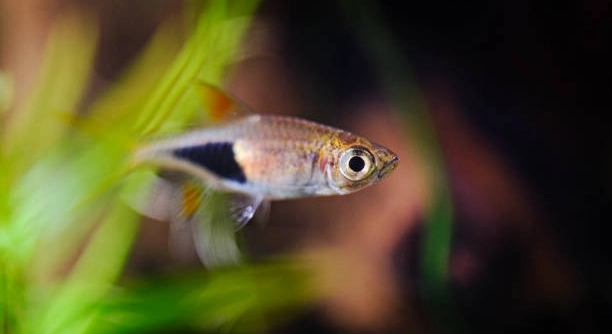
Do you enjoy keeping Rasboras in your home aquarium but notice their behavior sometimes shifts unexpectedly? Over time, these small, colorful fish can change how they interact with each other and their environment.
Rasboras can exhibit less social behavior as they age or due to environmental factors. Changes in tank size, water quality, stress levels, or group dynamics can influence their schooling tendencies and overall sociability.
Understanding these patterns can help you maintain a healthy and harmonious aquarium environment for your fish over the years.
Factors That Influence Rasboras’ Social Behavior
Rasboras are naturally schooling fish, but several factors can impact their social tendencies. Tank size plays a significant role; a cramped environment may cause stress, prompting them to hide or isolate themselves. Water quality is equally important. High ammonia or nitrite levels can make fish lethargic or reduce their interest in interacting with the group. Changes in temperature or pH can also affect behavior. Age is another consideration, as older Rasboras may naturally become less active or prefer smaller groups. Nutrition impacts energy and activity levels, so inconsistent feeding or poor diet may lead to withdrawal. Finally, the composition of the group matters. If a few aggressive or overly dominant individuals are present, others may avoid them, creating temporary isolation. Observing patterns over time helps identify which factors are most likely influencing your fish, allowing adjustments to improve their social interactions.
Small adjustments in environment or diet can often restore more normal schooling behavior in Rasboras.
Consistent monitoring of water parameters, regular feeding schedules, and maintaining appropriate tank populations can prevent long-term social decline. Introducing new plants or hiding spots encourages exploration and natural interaction. Avoid frequent sudden changes in the tank that might stress the fish. Even gentle rearrangements can help older or shy Rasboras re-engage with their group. Regular observation will reveal which Rasboras prefer to be alone and which respond well to subtle adjustments. Over time, patterns emerge that inform how to maintain a lively, cohesive school. Adjusting these factors gradually ensures that your fish remain active and social while minimizing stress-related behaviors.
Common Misconceptions About Rasboras’ Social Changes
Many assume that reduced schooling indicates illness, but it often stems from environmental or behavioral factors rather than health issues.
Behavioral changes in Rasboras can be subtle. Stress, tank overcrowding, or sudden changes in water conditions often explain why a fish may temporarily separate from the group. Illness is not always the cause, though it should still be ruled out with careful observation. Age and temperament differences within the school also contribute, as older or more dominant individuals may adjust their interaction patterns. Proper maintenance, including consistent water quality and balanced feeding, usually supports social behavior. Recognizing these distinctions helps prevent unnecessary treatments or interventions. Keeping the tank stable and ensuring all Rasboras have enough space allows them to maintain natural schooling habits without forced interaction, letting each fish behave according to its personality. Paying attention to these subtle cues ensures a healthier and more stable aquarium environment over time.
Environmental Stressors That Affect Social Behavior
Poor water conditions, overcrowding, and sudden changes in the tank can make Rasboras less social. They respond quickly to stress, often isolating themselves or reducing active schooling until conditions stabilize.
Maintaining stable water parameters is essential for Rasboras’ social behavior. Regular testing for ammonia, nitrites, and pH ensures the environment remains safe. Overcrowded tanks increase stress and reduce interaction, so keeping appropriate group sizes is critical. Sudden temperature shifts or aggressive tank mates can also disrupt social patterns. Small adjustments, such as adding plants or rearranging decorations gradually, can encourage re-engagement. Observing your fish’s daily activity provides insight into how environmental stressors impact behavior and which changes are most effective.
Even minor environmental improvements can restore social behavior in Rasboras. Simple measures like consistent feeding, stable water temperature, and sufficient swimming space encourage them to return to normal schooling habits. Over time, these adjustments help create a calmer, more interactive tank where Rasboras feel secure and maintain natural group behavior without unnecessary stress.
Health and Age Influences
As Rasboras age, their activity levels often decrease, which can affect social tendencies. Older fish may prefer smaller groups or rest more frequently.
Health conditions also influence interaction. Parasites, infections, or nutritional deficiencies can cause lethargy, hiding, or reduced schooling. Regular observation of physical condition, such as coloration, fin integrity, and swimming patterns, helps detect early health issues. Balanced diet and proper supplementation support energy levels and vitality, encouraging fish to stay engaged with their group. Awareness of age-related changes combined with attentive care allows for proactive adjustments to maintain social behavior. Consistent tank maintenance, including water changes and gentle handling, reduces stress and supports healthier interactions within the school.
Group Dynamics and Social Behavior
Rasboras rely on schools for safety and comfort. If group sizes are too small, they may appear less active or withdrawn. Proper group numbers help maintain natural schooling behavior and reduce stress-related isolation.
Dominant or aggressive individuals can influence the group’s social patterns. Some Rasboras may avoid stronger tank mates, leading to temporary separation.
Adjusting Tank Conditions to Encourage Interaction
Creating a balanced environment supports healthy social behavior in Rasboras. Ensure there is enough swimming space and hiding spots to reduce tension. Stable water parameters and consistent feeding schedules help maintain energy and interest in schooling. Gradual changes, like adding plants or rearranging decorations slowly, encourage exploration and group engagement. Observing how the school responds to adjustments allows for fine-tuning conditions. Avoid sudden overcrowding or introducing aggressive species, which can disrupt group harmony. By carefully managing the tank, you can help Rasboras maintain natural social patterns and reduce isolation behaviors over time.
Monitoring Behavioral Changes
Regular observation helps identify shifts in social activity. Noting patterns can guide adjustments to the tank or care routine.
FAQ
Why have my Rasboras become less social recently?
Rasboras may reduce social behavior due to stress, age, or environmental changes. Poor water quality, temperature fluctuations, or overcrowding often cause withdrawal. Even subtle shifts in tank layout or group composition can lead fish to isolate temporarily. Observing daily behavior helps pinpoint specific triggers.
Can older Rasboras still school normally?
Yes, but their activity often decreases with age. Older fish may prefer smaller groups or rest more frequently. While they may not move as actively as younger fish, maintaining proper tank conditions and group size encourages continued interaction.
How many Rasboras should be kept together?
A minimum group of six is recommended for most species. Larger groups support natural schooling and reduce stress. Too few fish can make individuals shy or withdrawn, while too many may increase competition and tension.
Do tank decorations affect social behavior?
Yes. Dense plants or hiding spots can encourage exploration and provide security, allowing shy fish to interact at their own pace. Overcrowding decorations may isolate fish, while a balanced layout supports schooling.
Can diet influence how social Rasboras are?
Absolutely. Proper nutrition provides energy and vitality, supporting active schooling. Poor diet or inconsistent feeding can reduce activity, making fish appear less social. Feeding small, frequent portions of high-quality food helps maintain energy levels.
Should I worry about illness if my Rasboras stop schooling?
Not always. Temporary withdrawal is often behavioral rather than health-related. However, check for signs of illness, such as discoloration, fin damage, or abnormal swimming. Early detection allows prompt care, preventing serious health issues.
Does water temperature affect schooling behavior?
Yes, even slight variations can influence activity levels. Rasboras prefer stable temperatures appropriate to their species. Sudden drops or increases can cause stress, reducing interaction and causing fish to hide. Using a reliable heater or thermometer helps maintain consistency.
Will adding new fish change social behavior?
Introducing new tank mates can temporarily disrupt schooling. Fish may hide or form smaller groups while adjusting. Gradual introduction and monitoring interactions prevent stress and help the school regain cohesion.
How do dominant fish affect the group?
Aggressive or dominant individuals can intimidate others, causing temporary isolation or reduced interaction. Observing behavior and, if necessary, adjusting group composition or adding hiding spots can restore balance.
Can environmental enrichment improve social behavior?
Yes. Plants, decorations, and gentle water flow encourage exploration and natural schooling. Enrichment reduces stress and boredom, helping fish engage more actively with their group over time.
How long does it take for Rasboras to return to normal social patterns?
Recovery depends on age, health, and environmental stability. Minor stressors may resolve within days, while older fish or significant changes can take weeks. Consistent care and observation support a smooth return to normal schooling behavior.
Is isolation always a bad sign?
Not necessarily. Temporary solitude can be a natural response to stress or aging. Persistent isolation combined with other signs, like lethargy or loss of appetite, should be addressed to ensure health and well-being.
Can stress from loud noises or vibrations affect social behavior?
Yes. Sudden or continuous disturbances can make Rasboras hide or reduce interaction. Positioning the tank in a quiet area and minimizing sudden movements helps maintain calm, encouraging natural schooling.
Are some Rasbora species more social than others?
Species differences exist. Some Rasboras form tight, consistent schools, while others are more flexible in grouping. Understanding species-specific behavior helps set expectations and manage group dynamics effectively.
What is the best way to monitor changes in social behavior?
Daily observation is key. Note swimming patterns, group cohesion, and individual interactions. Keeping a simple log of behavior alongside water parameters, feeding, and environmental changes helps identify causes and solutions efficiently.
Can water chemistry changes cause long-term social decline?
Yes. Consistently poor water quality, inappropriate pH, or high ammonia/nitrite levels can permanently stress fish, reducing activity and schooling. Regular maintenance, testing, and gradual adjustments prevent long-term behavioral issues.
How important is lighting for Rasboras’ social activity?
Lighting affects their daily rhythms. Too bright or inconsistent lighting can stress fish, while balanced lighting supports natural activity patterns, encouraging interaction within the school. Timers ensure consistency and reduce sudden changes.
Do Rasboras need hiding spots to feel secure?
Yes. Hiding places provide refuge, especially for shy or new fish. Access to cover allows confident schooling without forcing interaction, reducing stress and promoting healthy social behavior.
Can tank size alone influence social tendencies?
Tank size is critical. Small tanks restrict movement, causing stress and reducing schooling. Adequate space supports natural swimming patterns and group cohesion, keeping Rasboras active and interactive.
Is it normal for some Rasboras to remain solitary occasionally?
Yes. Occasional solitude can occur due to personality, health, or temporary stress. Observing whether the behavior is persistent or accompanied by other issues helps determine if intervention is needed.
Rasboras are naturally social fish, but their behavior can change over time due to a combination of environmental, health, and age-related factors. Observing them closely is key to understanding these changes. Small adjustments in tank conditions, group size, or feeding routines can make a noticeable difference in how active and social they appear. Stressors such as overcrowding, poor water quality, or sudden changes in temperature or pH often lead to temporary withdrawal. By maintaining stable conditions and providing adequate space, hiding spots, and balanced nutrition, it is possible to reduce stress and encourage Rasboras to remain interactive with their school. Even subtle modifications, like rearranging plants gradually or introducing gentle water flow, can stimulate exploration and natural social behaviors.
Health and age also play significant roles in their social tendencies. Older Rasboras may naturally become less active and prefer smaller groups, while young or newly introduced fish might initially hesitate to join the school. Illness, parasites, or nutritional deficiencies can further affect activity levels and willingness to interact. Monitoring physical condition, swimming patterns, and coloration helps identify early signs of health concerns, allowing timely intervention. A consistent care routine, including regular water testing, partial water changes, and proper feeding schedules, supports both health and social engagement. Adjusting the environment carefully and patiently can help maintain a balanced, cohesive group despite these natural changes. Recognizing the difference between behavioral adjustments due to age or temperament and those caused by health issues ensures appropriate responses, preventing unnecessary stress or over-treatment.
Maintaining a harmonious aquarium requires ongoing observation and attention to detail. Each Rasbora has its own personality, and temporary isolation or reduced activity is not always cause for concern. By keeping track of behavior trends, responding to environmental changes, and ensuring proper nutrition and tank maintenance, fishkeepers can support long-term social health in their Rasboras. Understanding group dynamics, providing sufficient swimming space, and minimizing stress from tank disturbances or aggressive individuals helps maintain normal schooling behavior. Gradual improvements in tank conditions, thoughtful management of group composition, and patience with older or shy fish contribute to a calmer, more stable environment. Overall, careful attention and consistent care allow Rasboras to continue displaying natural social behaviors, ensuring a lively and healthy aquarium where fish remain engaged and comfortable within their school.

Hello,
If you enjoy the content that we create, please consider saying a "Thank You!" by leaving a tip.
Every little bit helps us continue crafting quality advice that supports the health, happiness, and well-being of pets around the world, for pets of all shapes, sizes, and species.
We really appreciate the kindness and support that you show us!