
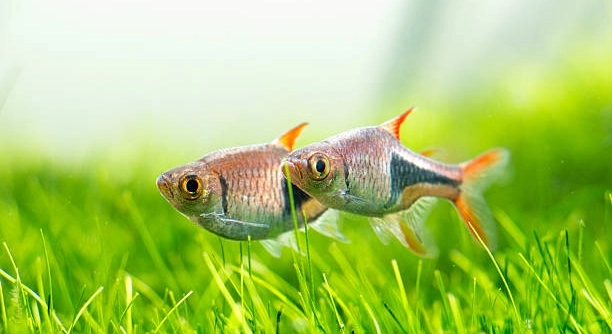
Rasboras are small, colorful fish that bring life to any freshwater aquarium. They are generally hardy, but there are moments when they need closer observation and care to stay healthy and active in their environment.
Rasboras require extra attention during times of water parameter changes, illness, stress from overcrowding, introduction to new tankmates, breeding periods, transportation, and sudden dietary adjustments. Attentive monitoring and prompt intervention can prevent serious health issues and ensure their overall well-being.
Understanding these key moments will help you maintain a thriving tank. Keeping track of their needs ensures your rasboras remain vibrant and healthy.
Water Parameter Changes
Rasboras are sensitive to sudden shifts in water temperature, pH, or hardness. Even small fluctuations can stress them, making them more prone to illness. When introducing new water or changing filters, it’s important to monitor these levels closely. A gradual adjustment helps fish acclimate safely. For example, raising the temperature slowly or mixing new water with tank water can reduce shock. Regular testing with reliable kits ensures stability, and observing fish behavior provides early warning signs. Signs of stress include erratic swimming, clamped fins, or loss of color. Maintaining consistent parameters supports immune function and keeps them active. Even experienced keepers can underestimate the impact of minor changes, so vigilance is key. Avoid sudden chemical treatments or drastic changes that could disturb the delicate balance. By keeping conditions stable, your rasboras will remain lively and display their natural colors beautifully, creating a healthier and more enjoyable tank environment overall.
Maintaining stable water conditions is essential for rasboras. Consistent monitoring prevents stress and keeps them healthy and active in the tank.
Slow, careful adjustments and regular water testing are the best ways to protect your fish. It creates a safer environment and reduces unnecessary health risks. Observing how they react after changes can guide future care practices. Over time, this attention ensures longevity and vibrancy, allowing your rasboras to thrive and display their natural behaviors freely without fear of illness or stress.
Illness and Disease
Illness can appear suddenly, and rasboras show subtle signs before it becomes severe. Early detection and treatment are critical.
Watching for unusual spots, faded colors, or lethargy can prevent bigger problems.
Keeping the tank clean, quarantining new fish, and providing balanced nutrition reduces disease risks. Regular observation helps detect illness early. Treating infections promptly with proper medication protects the entire tank. Stress weakens immunity, so maintaining stable water conditions complements treatment. Some diseases spread quickly, making isolation of affected fish necessary. Prevention is always easier than cure. Using high-quality food and avoiding overfeeding strengthens resilience. Adequate hiding spaces also reduce stress. Proper care routines create an environment where rasboras can resist infections and stay energetic. A proactive approach saves time, money, and heartache while ensuring a vibrant tank. Monitoring fish behavior and appearance regularly allows for swift action, keeping both individual fish and the group healthy. Consistency in care habits is the most effective strategy for long-term fish well-being.
Stress from Overcrowding
Overcrowded tanks increase aggression and stress among rasboras. They may hide more, lose color, or show rapid gill movement. Maintaining proper stocking levels ensures they swim freely and remain active.
Providing adequate space and hiding spots reduces stress. Overcrowding can also lead to poor water quality, increasing the risk of illness. Rasboras need room to school comfortably. When the tank is too small, dominant fish may chase others, causing injuries or fatigue. Regularly checking population density and adjusting the number of fish or tank size helps maintain balance. Stress not only affects behavior but also weakens immunity, making them more prone to disease. Adequate space supports natural schooling behavior and allows each fish to thrive. Observing their interactions helps identify potential issues before they escalate. Maintaining a peaceful environment is essential for a healthy and vibrant tank.
Consistent monitoring of tank capacity and fish behavior ensures a calm environment. Adjustments prevent stress-related issues and support long-term health.
Introduction of New Tankmates
New fish can upset established social dynamics and water stability. Gradual introduction and quarantine help prevent aggression and disease spread.
Observing interactions closely is vital during the first few days. Slow integration allows rasboras to adjust and reduces stress-related health problems.
Quarantining new arrivals for at least two weeks minimizes the risk of introducing parasites or infections. During this period, monitor their behavior and appearance for any signs of illness. When transferring to the main tank, float the bag to equalize temperature and slowly mix tank water to acclimate them. Introducing multiple fish simultaneously can help balance social hierarchies, as they are less likely to single out newcomers. Providing extra hiding spaces reduces conflict, giving shy fish places to retreat. Feeding in different tank areas prevents competition and ensures all fish get proper nutrition. Maintaining patience and careful observation during introductions supports a stable, healthy community tank and protects existing fish from unnecessary stress.
Breeding Periods
During breeding, rasboras need calm, stable conditions and minimal disturbance. Stress or sudden changes can reduce spawning success and harm the adults.
Providing separate breeding tanks or secluded areas ensures eggs and fry remain safe. Consistent temperature and water quality support successful reproduction.
Transportation and Relocation
Moving rasboras, even short distances, can be highly stressful. Proper packing, temperature control, and minimal handling reduce risk. Using oxygenated water and secure containers helps keep them safe. Always acclimate fish slowly to the new tank to prevent shock and maintain health.
Sudden Dietary Adjustments
Rasboras have sensitive digestive systems. Abrupt changes in food can cause bloating, constipation, or refusal to eat. Introducing new foods gradually allows their digestive system to adapt. Mixing old and new diets over several days prevents stress. Consistency in feeding times and portion sizes supports overall health.
FAQ
What is the best tank size for rasboras?
A tank of at least 20 gallons is recommended for a small school of rasboras. They are active swimmers, and adequate space prevents stress and aggressive behavior. Larger tanks allow stable water conditions and provide room for plants and hiding spots, which help reduce tension.
How many rasboras should be kept together?
Rasboras are schooling fish and thrive in groups of six or more. Keeping them in proper schools ensures natural behavior, reduces stress, and promotes vibrant coloration. Smaller groups may lead to shy or withdrawn fish. Always consider tank size when deciding the number of individuals.
How often should I test the water?
Testing water at least once a week is ideal. Monitoring parameters like pH, ammonia, nitrite, and nitrate helps detect problems early. Sudden spikes can stress fish and make them prone to illness. Consistent testing is crucial for maintaining a healthy aquarium environment.
Can rasboras live with other fish?
Yes, rasboras are peaceful and can coexist with other non-aggressive species of similar size. Avoid large or aggressive fish that may bully or eat them. Adding plenty of plants and hiding spaces makes integration smoother and reduces territorial disputes.
What should I feed rasboras?
Rasboras eat high-quality flake food, micro-pellets, and occasional live or frozen foods like daphnia, brine shrimp, or bloodworms. A varied diet supports coloration, growth, and overall health. Feed small amounts two to three times daily to avoid overfeeding and water pollution.
How do I treat common diseases?
Observation is key. Signs like faded colors, clamped fins, or unusual swimming indicate illness. Isolate affected fish when possible. Treatments vary depending on the condition, including antibacterial or antiparasitic medications. Maintaining water quality and minimizing stress helps prevent most diseases.
What is the ideal water temperature?
Rasboras prefer temperatures between 72°F and 78°F (22°C–26°C). Keeping temperature stable avoids stress, supports metabolism, and reduces susceptibility to disease. Use a reliable heater and thermometer to maintain consistent conditions. Avoid sudden changes during water changes or tank maintenance.
How do I encourage breeding?
To encourage breeding, provide a separate breeding tank with slightly softer, slightly acidic water. Offer live foods to stimulate spawning. Dense plants or spawning mops give eggs a safe place. Remove adults after spawning to prevent them from eating the eggs. Maintain stable water conditions for success.
How can I reduce stress in my rasboras?
Stress can be reduced by keeping water conditions stable, maintaining proper group size, providing hiding spots, and avoiding sudden changes. Minimizing disturbances during maintenance, feeding, or tank rearrangement also supports calm behavior and overall health.
How long do rasboras live?
With proper care, rasboras can live between 4 and 6 years. Maintaining clean water, a balanced diet, stable tank conditions, and regular monitoring helps them reach their full lifespan and remain active and colorful throughout their lives.
Can rasboras adapt to new foods?
Yes, but changes should be gradual. Mix a small amount of new food with their usual diet over several days. Sudden switches can cause digestive issues or refusal to eat. Patience ensures smooth adaptation and prevents unnecessary stress or health problems.
Is it necessary to have a planted tank?
While not strictly necessary, live plants improve water quality, provide hiding spots, and mimic a natural habitat. Plants reduce stress, encourage natural behavior, and create areas for spawning, making the tank more suitable for long-term health.
How often should I perform water changes?
Regular water changes of 20–30% weekly help maintain stable water quality and remove waste. Overdue or large changes can shock the fish, so gradual, consistent changes are safer. Water changes also help prevent algae growth and maintain a clean environment.
Can rasboras tolerate slightly different pH levels?
Rasboras are adaptable within a pH range of 6.5 to 7.5. Sudden swings outside this range can cause stress and weaken immunity. Maintaining stable pH through monitoring and buffering ensures a healthy tank. Sudden changes should always be avoided.
What signs indicate a healthy rasbora?
Healthy rasboras are active, swim in groups, display vibrant colors, and show normal feeding behavior. Their fins are open and smooth, and they rarely hide excessively. Monitoring their appearance and behavior regularly helps identify issues before they become serious.
How do I acclimate new rasboras?
Float the bag in the tank for 15–20 minutes to equalize temperature. Slowly add small amounts of tank water over 30–60 minutes. Gradual acclimation reduces shock and stress, helping new fish adjust safely to their environment and integrate with existing tankmates.
Are rasboras sensitive to light changes?
Yes, sudden changes in lighting can startle them. Use consistent lighting schedules and avoid abrupt bright lights. Gradual adjustments and providing shaded areas or plants help reduce stress and maintain natural behavior patterns.
Can rasboras survive in cooler water?
They can tolerate slightly cooler temperatures, but prolonged exposure below 70°F (21°C) may slow metabolism and affect health. Maintaining temperatures within their preferred range ensures proper activity, feeding, and immune function.
How important is tank decoration for rasboras?
Decorations, plants, and hiding spots reduce stress and provide a sense of security. Open swimming areas allow schooling behavior, while dense plants or caves offer retreat spaces. A well-decorated tank supports natural behavior, promotes health, and enhances visual appeal.
What should I do if my rasboras stop eating?
Loss of appetite can indicate stress, illness, or sudden dietary changes. Observe water parameters, check for disease, and offer varied foods. Isolate affected fish if necessary and monitor closely. Gradual reintroduction of familiar foods often restores normal feeding behavior.
How can I maintain a peaceful tank environment?
Maintain appropriate stocking levels, choose compatible tankmates, provide hiding spots, and avoid sudden disturbances. Regular monitoring of behavior and water quality reduces stress and conflict. A calm environment supports natural behavior and keeps rasboras healthy and active.
What is the best way to transport rasboras safely?
Use oxygenated water in secure containers and avoid rough handling. Maintain temperature stability and minimize transit time. On arrival, acclimate them slowly to the new tank to prevent shock and stress, ensuring a smooth transition.
How do I prevent common tank problems?
Regular water testing, proper feeding, consistent maintenance, and monitoring behavior help prevent problems. Avoid overstocking, sudden water changes, or aggressive tankmates. Proactive care minimizes stress, illness, and mortality, ensuring a healthy, thriving tank environment for rasboras.
Can rasboras coexist with shrimp or snails?
Yes, peaceful shrimp or snails can coexist without conflict. They help with algae control and contribute to a balanced ecosystem. Avoid larger or aggressive invertebrates that may harm the fish. Compatibility ensures a harmonious tank and supports overall health.
How do I recognize early signs of stress?
Early signs include hiding, clamped fins, color fading, erratic swimming, or reduced feeding. Observing behavior daily allows for prompt intervention, such as adjusting water parameters or tank conditions, to prevent health decline.
Is it necessary to aerate the tank?
While not always essential, aeration improves oxygen levels and water circulation, especially in densely stocked or heavily planted tanks. Proper oxygenation supports metabolism, reduces stress, and promotes overall health for rasboras.
How long should I quarantine new fish?
Quarantining for at least two weeks is recommended. It prevents introducing diseases and allows observation of behavior and health. Early detection of issues ensures safer integration into the main tank.
Can rasboras adapt to community tanks?
Yes, if tankmates are peaceful and of similar size. Proper spacing, hiding spots, and monitoring interactions help maintain harmony and reduce stress. A well-planned community tank encourages natural schooling behavior and healthy activity.
What is the ideal water hardness for rasboras?
They prefer soft to moderately hard water, around 5–12 dGH. Extreme hardness or sudden changes can stress them. Maintaining consistent water hardness supports health, coloration, and overall well-being.
How do I deal with aggressive tankmates?
Remove aggressive fish immediately to prevent injury or stress. Provide hiding spaces and adequate swimming areas to reduce confrontations. Observing interactions closely helps maintain a peaceful, healthy environment.
How can I keep rasboras active and vibrant?
Stable water conditions, varied diet, proper group size, and a well-decorated tank encourage activity and display of colors. Regular monitoring and minimizing stress factors maintain their natural behavior and health.
What common mistakes should I avoid?
Overcrowding, sudden water changes, poor diet, aggressive tankmates, and neglecting water quality are common mistakes. Avoiding these issues ensures longevity, vitality, and a thriving tank. Consistency and observation are key to proper care.
How often should I clean the tank?
Partial cleaning and water changes weekly maintain water quality. Avoid complete overhauls, which stress fish. Cleaning decorations, filters, and substrate gradually preserves beneficial bacteria while keeping the tank healthy.
Can rasboras tolerate tap water?
Tap water must be treated to remove chlorine, chloramine, and heavy metals. Using conditioners ensures safe water for rasboras. Untreated water can cause stress, illness, or death. Proper preparation is essential for their well-being.
Do rasboras need a specific lighting schedule?
Consistent lighting of 8–10 hours per day supports natural behavior and plant growth. Avoid sudden changes. Gradual transitions between light and dark periods reduce stress and encourage activity and feeding.
How do I help shy rasboras feel comfortable?
Provide hiding spaces, maintain a calm environment, and avoid overcrowding. Gradual acclimation to tankmates and minimal disturbances encourage confidence and natural schooling behavior. Patience supports healthy adaptation.
Can rasboras survive in unheated tanks?
They can survive in stable, moderate temperatures, but prolonged exposure to temperatures below 70°F (21°C) may slow metabolism and compromise health. Using a heater ensures consistent, suitable conditions.
What is the best way to feed fry?
Feed newly hatched brine shrimp or finely crushed flake food. Frequent, small meals support growth. Maintain clean water and stable conditions to prevent stress and disease. Gradual transition to adult foods is recommended.
How can I prevent algae growth?
Control lighting, avoid overfeeding, and maintain regular water changes. Introducing algae-eating invertebrates or fish helps manage growth. Balanced care reduces excess nutrients and keeps the tank clean.
How do I monitor water parameters effectively?
Use reliable test kits for ammonia, nitrite, nitrate, pH, and hardness. Record results regularly to identify trends. Early detection of changes allows for prompt intervention, preventing stress and illness.
Are rasboras compatible with bettas?
It depends on the betta’s temperament. Peaceful, non-aggressive bettas may coexist, but territorial males can stress or injure rasboras. Monitor interactions and provide hiding spaces to ensure a safe environment.
How long should I leave lights off during water changes?
Briefly turning off lights prevents additional stress during changes. Fish are less likely to panic, and water adjustments can be done calmly. Return lighting gradually afterward.
What is the best substrate for rasboras?
Fine gravel or sand works well, allowing natural foraging behavior. Avoid sharp or rough substrates that may injure delicate fins. Substrate choice also supports plants and contributes to a stable tank environment.
Can rasboras adapt to slightly brackish water?
They prefer freshwater, and brackish conditions may cause stress. Avoid significant salinity changes to maintain health and prevent long-term issues. Freshwater stability ensures comfort and longevity.
How do I handle tank maintenance safely?
Use gentle cleaning techniques, avoid harsh chemicals, and perform gradual water changes. Minimize disturbances, and monitor fish throughout the process. Proper handling reduces stress and supports overall health.
Is it necessary to aerate heavily planted tanks?
Even planted tanks benefit from aeration, especially with higher fish loads. Proper oxygenation supports metabolism and reduces stress, ensuring active and healthy rasboras.
How do I know when to replace filter media?
Replace or rinse media according to manufacturer instructions and tank conditions. Avoid complete replacement at once to preserve beneficial bacteria. Gradual maintenance ensures continued filtration without compromising water quality.
Can rasboras tolerate slight ammonia spikes?
Even small ammonia increases can be harmful. Immediate action, including partial water changes and monitoring, is necessary. Maintaining zero ammonia is the safest approach for their health.
What is the best temperature for breeding?
Slightly warmer water around 76–78°F (24–26°C) encourages spawning. Keep conditions stable and provide hiding spaces. Gradual changes improve success rates and reduce stress during breeding periods.
How do I know if my rasboras are stressed from handling?
Signs include rapid gill movement, clamped fins, hiding, or erratic swimming. Minimize handling and provide calm surroundings to help them recover quickly. Observation and gentle care prevent long-term stress.
Are rasboras sensitive to medications?
Yes, overdosing or using harsh chemicals can harm them. Always follow dosage instructions carefully and monitor fish during treatment. Quarantining affected fish reduces risk to the main tank.
Can rasboras survive in low-oxygen conditions?
They need well-oxygenated water. Low oxygen causes lethargy, gasping at the surface, and health decline. Proper aeration and water movement prevent oxygen depletion.
How do I prevent fin damage in rasboras?
Avoid sharp decorations, aggressive tankmates, and overcrowding. Regular observation and proper maintenance reduce injuries. Healthy fins indicate good overall care.
Can rasboras handle fast-flowing water?
They prefer gentle currents. Strong flow increases stress, causes fatigue, and may limit natural swimming behavior. Adjust filters to create moderate movement suitable for schooling behavior.
How important is consistency in feeding times?
Regular feeding supports metabolism, growth, and color. Inconsistent schedules cause stress and affect appetite. Stick to set times and avoid overfeeding to maintain a healthy tank environment.
Do rasboras need a resting period at night?
Yes, they benefit from darkness to rest and reduce stress. A consistent light-dark cycle supports natural behavior and overall well-being. Avoid bright lights overnight or sudden changes.
How can I tell if water changes are sufficient?
Stable water parameters, clear water, and healthy fish behavior indicate effective changes. Regular partial changes prevent toxin buildup and support long-term tank stability. Observation complements testing for accuracy.
What is the best way to acclimate fry?
Fry should be acclimated slowly to temperature and water chemistry. Small, gradual additions of tank water prevent shock and improve survival rates during transition from breeding tank to main tank.
Can rasboras live with goldfish?
Goldfish are not ideal tankmates due to size, temperature preferences, and waste production. Mixing them can stress rasboras and lead to poor water quality. Keeping species with similar needs ensures compatibility and health.
How do I prevent bacterial infections?
Maintain water quality, avoid overfeeding, quarantine new fish, and reduce stress. Prompt treatment of minor issues prevents escalation. Healthy tank conditions support immunity and reduce bacterial outbreaks.
Can rasboras tolerate tap water changes without treatment?
No, untreated tap water may contain chlorine, chloramine, or heavy metals. Use conditioners to neutralize harmful chemicals before adding water. Proper treatment ensures safety and reduces stress.
How can I keep rasboras colorful?
Provide a varied diet, stable water conditions, and adequate schooling. Low stress, proper lighting, and natural hiding spaces enhance vibrant coloration over time. Consistent care maintains health and appearance.
Are rasboras prone to bullying each other?
If overcrowded or stressed, minor aggression can occur. Proper group size, tank space, and hiding spots minimize bullying and allow peaceful schooling behavior. Monitoring interactions helps prevent injuries.
What is the best method for feeding live foods?
Offer small portions in the morning or evening. Remove uneaten food promptly to prevent water quality issues. Live food encourages natural hunting behavior and supplements nutrition.
How do I recognize healthy fry growth?
Fry should grow steadily, swim actively, and show normal coloration over time. Monitor feeding, water conditions, and behavior to ensure proper development and prevent health issues.
Can rasboras tolerate fluctuations in lighting?
Sudden bright or flickering lights cause stress. Gradual transitions and consistent schedules help maintain calm behavior. Provide shaded areas or plants for refuge.
How do I prevent ich in my tank?
Quarantine new fish, maintain stable water parameters, and avoid temperature shocks. Early detection and treatment prevent spread. Maintaining a clean, low-stress environment reduces risk of infection.
Can rasboras survive with other schooling fish?
Yes, as long as species are peaceful and similarly sized. Proper space and hiding spots ensure harmony. Mixed schools thrive with stable water and minimal stress.
How often should I inspect my tank equipment?
Regularly check heaters, filters, and pumps to ensure proper function. Malfunctioning equipment can stress fish, alter water quality, and cause health problems. Preventative maintenance avoids emergencies.
What is the ideal pH range for breeding?
Slightly acidic to neutral water around 6.5–7.0 promotes spawning. Stable conditions with minimal fluctuations improve egg survival and fry development.
How do I treat parasitic infections?
Use appropriate medications following instructions. Isolate affected fish if possible. Monitor closely for recovery. Maintaining water quality and reducing stress complements treatment and improves success.
Can rasboras live in tanks without plants?
They can survive, but plants improve hiding spaces, water quality, and natural behavior. Adding plants supports health, reduces stress, and encourages vibrant coloration.
How do I prevent overfeeding?
Feed small amounts two to three times daily, removing uneaten portions. Overfeeding causes water quality issues, obesity, and digestive problems. Consistent portions support health.
Are rasboras sensitive to tank vibrations?
Yes, excessive vibrations or tapping can stress them. Placing the tank in a stable location and minimizing disturbances supports calm behavior.
Can rasboras adapt to low-light conditions?
They can tolerate dim lighting but prefer moderate light for activity and plant growth. Consistent lighting schedules support natural behavior and overall health.
How important is filtration for rasboras?
Filtration maintains water quality, removes waste, and supports oxygenation. Proper filtration reduces stress and disease risk, promoting a healthy, thriving tank environment.
What is the best way to remove uneaten food?
Use a siphon or net to remove debris after feeding. Prompt removal prevents water pollution, reduces stress, and maintains healthy tank
Caring for rasboras requires attention to detail and consistency. These small, vibrant fish can thrive in a home aquarium when their basic needs are met. Maintaining stable water conditions is essential, as sudden changes in temperature, pH, or hardness can cause stress and make them more susceptible to illness. Regular testing of water parameters, careful observation of behavior, and gradual adjustments during maintenance help prevent problems before they escalate. Even minor changes, such as adding new tankmates or adjusting the diet, should be done slowly to allow rasboras to acclimate. Overcrowding should be avoided, as it can increase aggression and reduce swimming space, affecting both health and natural schooling behavior. Providing hiding spots and plants creates a safe environment, allowing them to feel secure and display their natural colors. When introducing new fish, quarantining them and monitoring their behavior minimizes the risk of disease spreading in the main tank. Careful attention to all these factors ensures that the aquarium remains a healthy and balanced environment for rasboras to thrive.
Feeding is another key aspect of their care. Rasboras benefit from a varied diet that includes high-quality flakes, micro-pellets, and occasional live or frozen foods such as daphnia or brine shrimp. Abrupt changes in diet can cause digestive issues or refusal to eat, so new foods should be introduced gradually. Maintaining consistent feeding times and portion sizes supports their metabolism and overall health. Overfeeding should be avoided, as it leads to water quality problems and can increase the risk of illness. During breeding periods, providing the right conditions, including slightly softer water and secluded areas, helps encourage spawning. Attention to the nutritional needs of both adults and fry is important for long-term health and vitality. Consistently monitoring feeding behavior allows early detection of problems and helps ensure that all fish receive proper nutrition.
Finally, minimizing stress and maintaining a calm environment are crucial for the overall well-being of rasboras. Stress can result from overcrowding, aggressive tankmates, sudden water changes, or rough handling. Providing stable conditions, adequate space, and hiding spots reduces anxiety and supports natural behavior. Regular water changes, proper filtration, and careful maintenance prevent toxin buildup and maintain a clean environment. Observing fish behavior daily allows early detection of illness, stress, or abnormal activity, giving an opportunity for prompt intervention. Even though rasboras are generally hardy, attention to these details ensures they remain active, vibrant, and healthy. By following consistent care practices, providing a balanced diet, and maintaining stable tank conditions, owners can create a thriving environment where rasboras can live long, healthy lives, displaying their natural beauty and energy.

Hello,
If you enjoy the content that we create, please consider saying a "Thank You!" by leaving a tip.
Every little bit helps us continue crafting quality advice that supports the health, happiness, and well-being of pets around the world, for pets of all shapes, sizes, and species.
We really appreciate the kindness and support that you show us!