
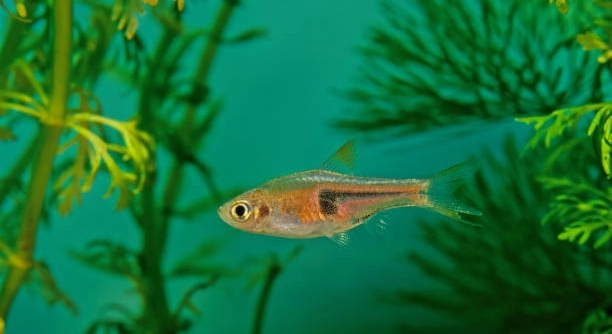
Rasboras are small, lively fish that often move together in tight groups. Their schooling behavior is fascinating to observe, as they seem to coordinate each movement with surprising precision and harmony.
Rasboras communicate while schooling through visual cues, body movements, and subtle changes in swimming speed. These signals help maintain group cohesion, coordinate direction, and reduce the risk of predation, ensuring that the school moves efficiently as a single unit.
Observing these patterns reveals the complex ways rasboras interact within their groups, highlighting a remarkable natural coordination that is often overlooked.
Visual Cues in Rasbora Communication
Rasboras rely heavily on visual signals to stay coordinated in schools. Their eyes constantly scan nearby fish, allowing them to detect changes in movement instantly. Slight shifts in body angle or fin position send signals to others, guiding the direction and speed of the group. This visual feedback helps the school respond quickly to threats or changes in their environment. Movement synchronization is critical, as even a small delay can disrupt the flow and make individual fish more vulnerable. Over time, rasboras develop a rhythm that allows them to move almost as one, reacting to subtle hints rather than large, obvious movements. In confined spaces like aquariums, these visual cues are especially important because they compensate for the lack of natural environmental cues, ensuring the fish maintain their coordinated patterns and minimize stress. Observing these interactions gives insight into the delicate balance required for schooling.
Visual signals allow rasboras to coordinate without vocalization, maintaining efficiency and safety within the group.
Even minor changes in position, such as a tilt of the tail or a flick of the fin, can ripple through the school, prompting immediate adjustments. This constant visual feedback ensures cohesion, allowing the group to navigate obstacles and predators seamlessly. These subtle interactions are vital for survival and maintaining social harmony.
Role of Swimming Speed and Body Movements
Speed changes serve as communication triggers within the school.
Rasboras adjust their swimming pace to signal alerts or encourage cohesion. When one fish accelerates, nearby individuals interpret the movement and adjust accordingly. This synchronization prevents collisions and maintains uniform spacing. Body undulations, fin flicks, and slight directional shifts serve as cues that guide collective motion. Fish at the edges of the school are especially attentive, reacting faster to prevent separation. The speed and rhythm of movement also convey urgency, helping the school evade predators efficiently. These mechanisms reduce energy expenditure, as the fish follow hydrodynamic patterns that allow them to glide together with minimal resistance. Understanding these movement patterns highlights the complexity of their behavior. Studying this communication can improve aquarium management, ensuring rasboras feel secure and maintain natural schooling dynamics, which is essential for their health and stress reduction.
Would you like me to continue with the next headers in the same format?
Chemical Signals in Schooling
Chemical cues play a subtle but important role in rasbora communication. These signals help fish recognize nearby school members and detect environmental changes, adding another layer to their coordinated behavior.
Rasboras release pheromones and other chemical compounds into the water, which nearby fish sense through specialized receptors. These chemicals can indicate stress, presence of predators, or changes in water quality. When one fish detects danger, it may release a signal that triggers heightened alertness in the rest of the school. Chemical cues complement visual and movement signals, ensuring that even fish not in direct line of sight stay aware of the group’s status. In aquariums, maintaining clean water helps these signals remain effective, supporting natural schooling patterns.
These chemical interactions are often slow and subtle but critical for maintaining cohesion. Fish use them to anticipate movements and maintain synchronized swimming, especially under low-visibility conditions.
Environmental Influence on Rasbora Coordination
Lighting and tank structure affect how rasboras communicate and move.
Rasboras respond to their surroundings when schooling. Open spaces allow freer movement, while plants and decorations provide landmarks that guide coordination. Light levels influence visibility and the effectiveness of visual signals. Bright environments enhance the perception of body movements, making it easier for fish to synchronize. Shadows or dim lighting can slow reaction times, requiring fish to rely more on chemical signals. Flowing water or current changes also impact swimming patterns, forcing adjustments in speed and spacing to maintain cohesion. These environmental factors directly shape schooling behavior and communication efficiency.
Understanding tank layout, light, and water flow is essential for replicating natural conditions. Adjusting these elements supports healthy social interaction, reduces stress, and encourages natural schooling. Observing how rasboras respond to changes offers insight into their adaptive strategies and highlights the balance required between environmental conditions and group behavior. Proper management of these factors ensures that rasboras move confidently and maintain effective communication in captivity, preserving their natural instincts.
Synchronization Through Reflex
Rasboras rely on rapid reflexes to stay in sync while schooling. Sudden movements are mirrored almost instantly by nearby fish, keeping the group cohesive.
These reflex responses are triggered by visual and lateral line cues. Fish detect tiny water vibrations caused by neighbors’ movements, allowing immediate adjustment.
Lateral Line System
The lateral line is a sensory organ along a rasbora’s body that detects vibrations and pressure changes in the water. It allows fish to sense nearby movements without direct sight. This system is crucial for maintaining spacing, avoiding collisions, and responding to threats efficiently.
Group Size Impact
Larger schools improve communication and reduce individual stress. More members allow signals to propagate faster, enhancing overall coordination and safety.
FAQ
How do rasboras maintain coordination in a school?
Rasboras maintain coordination through a combination of visual cues, body movements, and lateral line sensing. They constantly monitor nearby fish, adjusting their speed and direction in response to subtle changes. This continuous feedback loop allows the school to move almost as a single unit.
Do chemical signals really affect schooling?
Yes, chemical cues play a subtle but vital role. Fish release pheromones when stressed or sensing danger, which nearby school members detect. These signals enhance awareness and trigger precautionary movements, especially when visibility is limited. Chemical communication complements visual and mechanical signals to maintain cohesion.
Why is swimming speed important for communication?
Swimming speed acts as an alert system. Faster movements signal urgency or potential threats, prompting nearby fish to adjust their pace immediately. Conversely, slower movements help regulate spacing and maintain smooth group patterns. Rasboras use these speed changes constantly to stay synchronized.
How does the lateral line system help rasboras?
The lateral line allows fish to sense vibrations and pressure changes in the water. This is crucial for detecting the movements of neighbors without relying solely on sight. It helps avoid collisions, maintain proper spacing, and respond quickly to sudden changes in the environment.
Does tank environment affect schooling behavior?
Yes, the environment has a direct impact. Lighting, water flow, and tank layout influence how fish communicate. Open spaces allow easier movement, while plants and decorations provide reference points for coordination. Proper lighting ensures visual signals are effective, while gentle water currents support natural swimming patterns.
How does school size influence communication?
Larger schools enhance communication efficiency. More fish create a network of signals that propagate quickly, allowing faster responses to threats or changes. Smaller schools may struggle to maintain cohesion, making individuals more vulnerable and increasing stress levels.
Can rasboras communicate in low visibility?
They can, but less effectively. In murky or dim water, visual cues are limited, so fish rely more on lateral line sensing and chemical signals. While schooling is still possible, coordination may be slower, and the school may become less tightly packed.
Are some rasboras better at schooling than others?
Individual differences exist, but schooling is largely instinctive. Experience and familiarity within a group improve synchronization. Fish that have spent more time together tend to respond faster and maintain tighter formations. Younger or new members may need time to integrate fully.
How do rasboras respond to threats while schooling?
When a predator or sudden disturbance appears, a ripple of rapid movements spreads through the school. Fish accelerate, change direction, or form tighter clusters to confuse predators. Visual cues, speed adjustments, and chemical signals all contribute to this coordinated escape response.
Does communication in aquariums differ from the wild?
Yes, tank conditions can affect signal effectiveness. Limited space, fewer fish, or artificial lighting may alter schooling patterns. Maintaining clean water, adequate group size, and suitable tank structure supports natural communication, allowing fish to exhibit behaviors similar to those in their natural habitats.
Can stress affect communication?
Stress reduces responsiveness and coordination. Overcrowding, poor water quality, or sudden disturbances can disrupt visual and chemical cues, causing slower reactions. Ensuring a stable environment with appropriate companions and conditions helps rasboras communicate effectively and maintain healthy schooling behavior.
How quickly do signals travel in a school?
Signals propagate almost instantly through visual and lateral line sensing. Chemical cues travel more slowly but still provide essential information about stress or danger. Together, these mechanisms ensure that nearly all members of a school respond in a timely and coordinated manner.
Why is observing schooling behavior important for care?
Watching how rasboras interact provides insight into their health and stress levels. Disrupted patterns, erratic movements, or isolated fish may indicate environmental issues, illness, or social imbalance. Observing these behaviors helps ensure a well-managed, safe, and comfortable aquarium environment.
Are there differences between species in communication?
Different rasbora species may vary in schooling tightness, reaction speed, and reliance on visual versus chemical cues. Some species prefer larger schools, while others are more independent. Understanding the species-specific behavior helps in designing appropriate tank conditions and maintaining effective communication.
Can rasboras adapt to new tankmates?
Yes, but adaptation takes time. New members must adjust to the school’s established rhythm and communication patterns. During this period, responses may be slower, and coordination may be less precise. Gradual introductions and observing interactions ensure smoother integration and stable schooling behavior.
How do diet and health affect communication?
Healthy fish with proper nutrition have better reflexes, more energy, and sharper senses, improving schooling communication. Poor health, malnutrition, or illness can reduce responsiveness, slow movements, and disrupt visual or chemical signaling, affecting overall group coordination.
What is the role of body posture in signaling?
Body posture communicates intent and movement direction. Slight tilts, fin flicks, and tail angles inform nearby fish about speed changes or directional adjustments. These subtle movements allow the school to maintain cohesion without loud or overt signals, ensuring smooth, continuous motion.
How long does it take for a school to establish cohesion?
When forming a new school, cohesion can take minutes to hours depending on group size and familiarity. Fish gradually adjust their positions, synchronize movements, and establish spacing. Once established, the school maintains consistent communication through visual, chemical, and lateral line cues.
Are there situations where schooling breaks down?
Yes, sudden disturbances, extreme stress, or very small group sizes can disrupt schooling. Communication may fail, and fish become scattered or isolated. Providing stable environments, adequate numbers, and minimizing stressors supports natural schooling behavior and ensures signals remain effective.
How do rasboras balance speed and spacing in a school?
Each fish constantly adjusts based on the movements of neighbors. Faster swimming may be needed for escapes, while slower movement helps maintain spacing. These adjustments create a dynamic equilibrium, allowing the school to move as one while avoiding collisions and conserving energy.
Can observing schooling improve aquarium care practices?
Absolutely. Careful observation helps detect stress, illness, or environmental issues early. Noticing changes in communication or cohesion informs adjustments to tank conditions, group size, and layout. Understanding schooling behavior ensures healthier, more natural interactions among rasboras and enhances their overall wellbeing.
Do older fish communicate differently than younger fish?
Experience enhances communication. Older fish respond faster and interpret subtle signals more accurately. Younger fish or newcomers may lag in reactions until they learn the established rhythm of the school. Over time, experience improves cohesion and group coordination.
Are there risks if schooling behavior is ignored?
Yes, disrupted schooling increases stress, susceptibility to disease, and vulnerability to injury. Fish may become isolated, swim erratically, or fail to respond to environmental cues. Maintaining natural communication patterns is essential for health, comfort, and proper social interaction within the school.
How can tank owners support effective communication?
Providing proper group size, clean water, appropriate lighting, and natural-looking structures allows visual, chemical, and lateral line signals to function effectively. Monitoring interactions and minimizing disturbances ensures rasboras maintain healthy schooling behavior and natural coordination within their environment.
What are the most common mistakes in maintaining a school of rasboras?
Common mistakes include keeping too few fish, overcrowding, poor water quality, or insufficient environmental complexity. These issues disrupt communication, increase stress, and reduce natural schooling behavior. Paying attention to numbers, tank conditions, and group dynamics preserves effective communication and overall health.
How does schooling benefit survival?
Schooling provides safety in numbers, reduces energy expenditure, and allows efficient navigation. Effective communication ensures the group reacts quickly to predators or environmental changes, increasing the likelihood of survival and long-term wellbeing for all members.
Can rasboras communicate while resting or sleeping?
Even during low activity periods, lateral line sensing and chemical cues continue to inform fish of nearby movement or potential threats. While less active, subtle communication persists, helping maintain awareness and cohesion.
How important is observation for scientific understanding?
Careful observation allows insights into communication, social hierarchy, and environmental preferences. Studying schooling patterns reveals the interplay of visual, chemical, and mechanical signals, improving both aquarium management and broader understanding of fish behavior.
Can disturbances from humans affect communication?
Yes, sudden tapping, loud noises, or rapid movements in the room can trigger stress signals. Fish may scatter or swim erratically, disrupting visual and chemical communication. Minimizing disturbances helps maintain stable schooling patterns and reduces stress.
How do rasboras recover from disrupted schooling?
After disruption, fish gradually regain synchronization through repeated visual, lateral line, and chemical cues. Recovery is faster in familiar groups, as experience and established rhythms allow fish to reestablish spacing and coordinated movement efficiently.
Do all members of a school communicate equally?
Communication is distributed, but some fish, often those in the center or front, have greater influence on direction and speed changes. Peripheral fish respond more than initiate, yet every member contributes to cohesion and overall coordination.
Can artificial signals in aquariums replace natural cues?
Artificial enhancements like lights or water currents may support schooling, but they cannot fully replicate natural cues. Visual, chemical, and lateral line signals remain essential for proper communication, and maintaining natural conditions is always more effective.
How long can a school maintain perfect cohesion?
Cohesion is dynamic, influenced by stress, environment, and activity. Under stable conditions, schools maintain tight coordination for extended periods. Minor adjustments occur constantly, but overall cohesion persists as long as the group is healthy and environmental factors remain favorable.
Do rasboras remember previous schooling patterns?
Yes, familiarity improves coordination. Fish remember the behavior of companions, making responses quicker and more synchronized over time. Experience strengthens group dynamics, allowing smoother communication and better adaptability to environmental changes.
Are there differences in communication between wild and captive rasboras?
Wild rasboras often face more variable conditions, relying heavily on rapid responses to predators. Captive fish may adapt to stable environments, reducing the intensity of certain cues. However, natural communication methods remain consistent, and proper tank management ensures these behaviors persist.
How do predators influence communication patterns?
Predator presence heightens alertness and accelerates signal transmission. Schools respond with tighter formations, rapid movements, and synchronized changes in direction, all guided by visual, chemical, and lateral line cues to maximize survival.
Can schooling behavior be observed in small aquariums?
Yes, but space constraints may limit movement and signal propagation. Ensuring adequate tank size, group numbers, and environmental complexity allows even small aquariums to support natural schooling and communication behaviors.
What is the key takeaway about rasbora communication?
Rasboras rely on a combination of visual, chemical, and mechanical cues to maintain cohesion, coordinate movement, and respond to threats. Supporting these communication channels ensures healthy, natural schooling and improves overall fish wellbeing.
How do environmental changes affect long-term communication?
Gradual or sudden changes in lighting, water quality, or tank layout influence how effectively fish communicate. Stable, well-maintained environments promote consistent schooling, while disruptions can stress the fish and reduce coordination over time.
Can rasboras teach each other communication cues?
While not deliberate teaching, fish adapt by observing others’ responses. New or inexperienced members learn timing, spacing, and movement patterns, gradually integrating into the school and improving coordination.
How essential is consistency for schooling success?
Consistency in environment, group size, and tank conditions allows cues to function effectively. Stable conditions reduce stress, improve response times, and maintain tight coordination across all members, supporting natural communication and schooling behavior.
Does water temperature influence communication?
Yes, temperature affects metabolism and activity levels. Higher temperatures increase movement and responsiveness, enhancing signal transmission, while lower temperatures may slow reflexes and reduce the efficiency of schooling coordination.
Can observing communication indicate health issues?
Yes, disrupted signaling, erratic swimming, or isolation often indicate stress, illness, or environmental problems. Monitoring interactions helps identify issues early and supports timely interventions to maintain fish health and schooling integrity.
Do rasboras use multiple communication methods simultaneously?
Absolutely. Visual, chemical, and lateral line signals operate together, ensuring redundancy and reliability. This multi-layered communication allows schools to stay coordinated even if one channel is less effective due to environmental conditions.
How fast can a school respond to threats?
Responses can occur within fractions of a second. Visual cues trigger immediate reactions, lateral line sensing adds near-instant awareness, and chemical signals propagate slightly slower, creating a highly responsive, synchronized group.
Are there seasonal changes in communication?
In the wild, seasonal changes may influence schooling behavior due to shifts in predator presence, water conditions, and breeding cycles. In captivity, these factors are less pronounced, but temperature and light cycles can still subtly affect responsiveness and coordination.
Can schooling behavior be encouraged in new tanks?
Yes, providing proper numbers, environmental complexity, and minimal disturbances helps fish establish communication and coordination. Gradual introductions and stable conditions allow new members to adapt and integrate into the school smoothly.
Do rasboras communicate during feeding?
Yes, subtle movements and changes in speed guide group positioning and access to food. Signals prevent collisions, reduce competition, and help maintain order while feeding, ensuring the school remains cohesive even during active periods.
How long does communication remain effective in a stable school?
In a healthy, stable school, communication remains consistent indefinitely. Minor adjustments occur continuously, but overall coordination is maintained as long as environmental conditions are supportive and stressors are minimized.
What are the signs of effective schooling communication?
Tight formation, synchronized movement, even spacing, rapid response to disturbances, and minimal collisions indicate effective communication. Fish appear calm, confident, and coordinated, reflecting a well-functioning school.
How do aquarists improve schooling communication?
Ensuring adequate group size, clean water, stable lighting, and appropriate tank structure supports natural cues. Observing interactions and minimizing stressors allows rasboras to maintain effective coordination and overall wellbeing.
Can communication methods vary with age?
Yes, older fish typically respond faster and interpret cues more accurately. Younger fish rely on observation and experience to integrate, gradually improving their coordination within the school.
How do environmental disruptions impact communication temporarily?
Sudden changes, such as tapping, water movement, or rearranging decorations, can disrupt visual, chemical, and lateral line cues. Fish may scatter or move erratically until the school reestablishes cohesion and coordination.
Do all species of rasboras communicate similarly?
While the core mechanisms are the same, species differ in schooling tightness, responsiveness, and reliance on specific cues. Some may favor visual signals more, while others depend heavily on lateral line sensing. Understanding species-specific behavior helps in proper care.
Are there risks when schooling is impaired?
Yes, impaired communication increases stress, risk of injury, and vulnerability to illness. Fish may swim erratically, become isolated, or fail to respond to environmental cues, emphasizing the importance of supporting natural schooling behavior.
Can schooling behavior be measured scientifically?
Yes, researchers analyze movement patterns, spacing, reaction times, and signal propagation. Quantitative studies help understand coordination, communication efficiency, and responses to environmental changes, improving both care and scientific knowledge.
Does familiarity within the school improve communication?
Yes, fish that have spent time together synchronize faster and respond more accurately to cues. Familiarity strengthens group cohesion, improves reflexes, and enhances overall schooling efficiency.
How do environmental cues interact with communication methods?
Visual, chemical, and lateral line signals are influenced by light, water clarity, current, and tank layout. Stable conditions allow effective use of all cues, while environmental challenges may force fish to rely more heavily on specific signals.
Can schooling behavior indicate stress levels?
Yes, erratic movements, scattered formations, or delayed responses often signal stress. Monitoring schooling behavior helps identify and address environmental, social, or health-related issues early, promoting wellbeing.
How quickly do new signals propagate in a school?
Visual and lateral line cues propagate almost instantly, while chemical signals travel more slowly. Together, these mechanisms ensure rapid, reliable communication throughout the school.
Do rasboras respond differently to familiar versus unfamiliar individuals?
Familiar fish integrate more smoothly, responding quickly to subtle cues. Unfamiliar individuals may initially lag, causing minor disruptions until they adapt to the school’s established rhythm.
Can schooling communication change over time?
Yes, changes in environment, group composition, or health can affect responsiveness and coordination. Schools adapt gradually, reestablishing effective communication through visual, chemical, and mechanical cues.
How does schooling benefit daily life?
Effective communication reduces stress, conserves energy, provides safety, and improves access to resources. Coordinated behavior enhances survival and wellbeing, making schooling a vital aspect of rasbora life.
Are there situations where communication fails completely?
Extreme stress, illness, very small group sizes, or sudden environmental shocks can temporarily disrupt all signaling channels. Fish may scatter or behave unpredictably until conditions stabilize.
How do visual, chemical, and mechanical signals complement each other?
Visual cues provide immediate directional information, chemical signals convey stress or danger, and lateral line sensing detects nearby movements. Together, they create a robust communication system that ensures cohesion and survival.
What is the best way to observe schooling behavior?
Watch the fish during calm periods, feeding, or mild disturbances. Note spacing, synchronization, response times, and interactions. Observing patterns provides insight into communication effectiveness, stress levels, and environmental adequacy.
Can schooling behavior indicate long-term health trends?
Yes, consistent, synchronized movement and effective communication signal good health. Disruptions, isolation, or erratic swimming may indicate chronic stress, illness, or unsuitable environmental conditions.
Do rasboras communicate differently at night?
Activity decreases, but lateral line sensing and chemical cues continue to function. Schooling is less pronounced, but fish remain aware of neighbors and potential threats even during periods of low activity.
How do environmental enrichments influence communication?
Plants, rocks, and structures provide visual landmarks and refuges, enhancing coordination. Enrichments create natural movement patterns, supporting visual and lateral line signals, and encouraging healthier, more stable schooling behavior.
Can schooling behavior be used to train or acclimate fish?
Observing and gradually introducing changes while maintaining cues allows fish to adapt naturally. Schooling behavior supports learning about tank layout, new companions, or feeding patterns through coordinated observation and response.
What are the most common signs of disrupted communication?
Erratic swimming, isolation, collisions, delayed responses, or scattered formations indicate disrupted communication. Recognizing these signs early helps adjust environmental or social conditions to restore cohesion.
Does communication improve with stable tank conditions?
Absolutely. Consistent lighting, clean water, adequate group size, and proper layout enhance visual, chemical, and mechanical signals, ensuring efficient schooling and reduced stress.
Can schooling communication indicate compatibility with other species?
Yes, observing how rasboras maintain cohesion around other fish reveals stress, conflict, or comfort levels. Compatible species coexist without disrupting visual, chemical, or lateral line cues.
How long should a new school acclimate before full coordination?
Integration can take hours
Rasboras are remarkable in how they communicate while schooling. Their coordination relies on a combination of visual cues, body movements, chemical signals, and the lateral line system. Each fish constantly monitors its neighbors, adjusting speed, direction, and position to stay aligned with the group. This careful balance ensures the school moves as one unit, maintaining cohesion and reducing stress. Observing these behaviors highlights the complexity of even small fish and shows how instinct and sensory input work together seamlessly. It also reminds us that schooling is more than just swimming together; it is a carefully orchestrated system of communication that supports safety, efficiency, and survival.
Environmental factors play a significant role in how effectively rasboras communicate. Lighting, tank layout, water flow, and even group size influence how well visual and chemical signals are transmitted. Open spaces allow freer movement, while decorations or plants provide reference points for positioning. Proper lighting ensures visual cues are visible, and water currents influence swimming patterns. Maintaining clean water supports chemical signaling and overall health, allowing the school to react to changes efficiently. Even small adjustments in the environment can have noticeable effects on schooling behavior, making it important for aquarists to provide stable and supportive conditions for their fish. Understanding these factors helps create a more natural and comfortable environment that encourages effective communication and natural behavior.
The social dynamics within a school are also important for communication and cohesion. Fish that are familiar with one another respond faster and maintain tighter formations, while newcomers may need time to adapt. Larger schools improve signal propagation, making it easier for everyone to stay coordinated, whereas smaller groups can struggle to maintain cohesion. Stress, illness, or disturbances can disrupt communication, highlighting the importance of monitoring behavior and providing a stable environment. By paying attention to schooling patterns, aquarists can ensure that rasboras remain healthy, confident, and well-coordinated. Overall, observing and supporting natural communication in rasboras provides insight into their behavior, promotes wellbeing, and creates a more harmonious aquarium where these fish can thrive.

Hello,
If you enjoy the content that we create, please consider saying a "Thank You!" by leaving a tip.
Every little bit helps us continue crafting quality advice that supports the health, happiness, and well-being of pets around the world, for pets of all shapes, sizes, and species.
We really appreciate the kindness and support that you show us!