
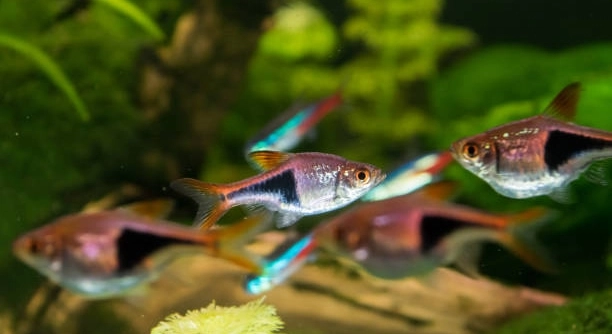
Rasboras are lively little fish that often bring charm to home aquariums. Sometimes, though, they may start nipping at each other, which can be surprising and a bit concerning for aquarists trying to maintain harmony.
The primary cause of rasboras nipping each other is stress, overcrowding, or competition for resources. Inadequate space, insufficient hiding spots, or uneven feeding can trigger aggressive behaviors, leading to fin damage or minor injuries among tank mates.
Observing their environment and social dynamics can reveal why these small fish sometimes act out. Proper care ensures a calmer, healthier aquarium community.
Understanding Why Rasboras Nip
Rasboras are generally peaceful, but nipping can occur when their environment isn’t ideal. Overcrowding is a common issue. When too many fish share limited space, territorial disputes arise, causing minor bites or chasing. Uneven distribution of food can also spark aggression, as some fish may compete more actively than others. Even the tank layout plays a role. Lack of hiding places, plants, or decorations can make fish feel exposed and stressed. Stress weakens their natural behavior, making them more prone to nip at fins or tails. Water quality is another factor to consider. Poor filtration or infrequent water changes create an uncomfortable environment, increasing irritation and aggression. Maintaining stable conditions, proper feeding, and adequate space can reduce nipping significantly. Observing their behavior regularly helps catch early signs of stress, allowing adjustments before conflicts worsen. Understanding these small details makes a noticeable difference in keeping rasboras calm and healthy.
Providing enough space and hiding spots helps reduce aggression effectively.
Regular monitoring and simple adjustments in tank setup can prevent most nipping problems, creating a balanced and peaceful aquarium environment.
Tank Setup and Social Behavior
Keeping rasboras in groups of six or more minimizes stress-related nipping. Small groups increase competition and tension, while larger schools distribute attention and aggression more evenly.
Proper tank layout encourages natural behavior and reduces conflicts. Plants, driftwood, and decorations create safe zones where fish can retreat when feeling threatened. This reduces stress and lowers the chances of nipping. Observing their swimming patterns helps identify which areas of the tank are most contested. Food placement is another key factor. Spreading food evenly and feeding at multiple spots prevents dominant fish from monopolizing resources. Water quality should never be overlooked. Stable temperature, clean water, and proper filtration make a comfortable environment, which discourages aggression. Adjusting lighting and avoiding sudden changes also helps fish feel secure. Recognizing signs of stress, such as hiding excessively or chasing others, allows timely intervention. Simple changes in environment, group size, and feeding routines create a calmer tank where rasboras can thrive naturally.
Feeding Habits and Aggression
Uneven feeding often triggers nipping among rasboras. Dominant fish may chase others to claim food, while weaker fish receive less, creating tension and stress in the tank environment.
Distributing food in multiple areas reduces competition. Floating pellets or small flakes should be spread evenly across the tank. Feeding smaller amounts several times a day keeps all fish engaged and minimizes aggressive bursts. Observing how fish approach food helps identify patterns of dominance or stress. Adjusting feeding times or using sinking food can also help balance competition, ensuring that all rasboras get proper nutrition without provoking nipping. Consistency in feeding routines makes a noticeable difference in fish behavior.
Proper nutrition strengthens rasboras and reduces irritability. High-quality flakes or frozen foods support health, limiting the likelihood of aggression. Feeding the right amounts encourages calm interactions.
Recognizing Stress Signs
Stress manifests in various ways, including hiding, rapid swimming, or frequent fin nipping. Identifying these signs early prevents serious injuries.
Water quality, tankmates, and space influence stress levels. Cloudy water, temperature fluctuations, or incompatible species can heighten anxiety. Maintaining stable conditions, proper filtration, and gentle water flow reduces tension. Regular observation allows timely interventions. Minor adjustments, such as adding plants or rearranging decorations, help fish feel secure. Stress also appears through changes in color or appetite. Brightening or fading colors, decreased eating, or sluggish swimming indicate discomfort. Addressing these factors promptly prevents escalation of nipping and promotes a healthier, more harmonious tank environment.
Tank Size and Population
A small tank often leads to rasboras nipping each other. Limited space increases competition and stress, making even normally peaceful fish more aggressive.
Keeping an appropriate number of rasboras for the tank size is essential. Overcrowding leads to constant chasing and fin damage, which can be avoided with proper planning and monitoring.
Compatible Tankmates
Choosing compatible tankmates reduces tension. Aggressive or overly active fish can provoke nipping, while peaceful species encourage calmer interactions. Observing social dynamics helps maintain balance.
Environmental Enrichment
Adding plants, hiding spots, and decorations gives rasboras areas to retreat and explore. This reduces stress and provides boundaries that prevent excessive chasing and nipping.
Maintaining Water Quality
Clean water is critical for reducing stress-related nipping. Regular water changes, proper filtration, and stable temperature keep rasboras healthy and less prone to aggression.
FAQ
Why do my rasboras nip each other even though the tank seems fine?
Even in a well-maintained tank, subtle stressors can trigger nipping. Overcrowding, uneven food distribution, or lack of hiding spots may create tension. Rasboras are schooling fish, and insufficient group size can increase competition, leading to fin nipping. Regular observation helps identify which factors are affecting them.
How many rasboras should I keep together to prevent nipping?
Keeping at least six to eight rasboras together usually reduces aggression. Larger schools distribute attention and social interactions, making it less likely for dominant fish to pick on weaker ones. Smaller groups often show more chasing and occasional nipping. Tank size should also match the number of fish.
Can diet influence nipping behavior?
Yes, poor or uneven feeding can increase aggression. Dominant fish may chase others to secure more food. Feeding smaller amounts multiple times a day or distributing food across different areas of the tank ensures all fish eat adequately and minimizes competition. High-quality flakes, frozen foods, or live foods also support health and reduce irritability.
Does tank layout really matter?
Tank layout plays a significant role. Plants, driftwood, and decorations provide hiding spots, break line of sight, and allow fish to retreat when stressed. Open tanks without shelter often increase tension, as fish feel exposed. Rearranging decorations periodically can also reduce boredom and territorial disputes.
Can water quality affect nipping?
Absolutely. Poor water quality causes stress, which increases the likelihood of nipping. Ammonia, nitrite, or nitrate spikes irritate fish. Maintaining stable temperature, regular water changes, and proper filtration keeps the environment comfortable, making rasboras calmer and less prone to aggressive behavior.
Do certain tankmates make nipping worse?
Yes, aggressive or fast-moving fish can provoke rasboras. Peaceful, small species are better companions. Fish that compete for the same food or territory may trigger more chasing and fin nipping. Observing interactions and choosing compatible species helps maintain a balanced tank environment.
How can I tell if the nipping is serious or minor?
Minor nipping usually leaves small fin marks without affecting swimming or appetite. Serious aggression results in torn fins, blood, or lethargy. Monitor behavior and intervene if injuries appear. Adding more hiding spots, adjusting population, or separating particularly aggressive individuals can prevent further damage.
Is adding more rasboras a solution to nipping?
Sometimes. Increasing school size can reduce attention on a single fish, spreading social interactions more evenly. However, tank size must be sufficient to prevent overcrowding, which can worsen stress and aggression. Observing the fish’s response to the change is important to ensure it helps.
Can environmental changes reduce nipping?
Yes. Rearranging decorations, adding plants, or adjusting water flow can reduce stress and territorial disputes. Subtle changes prevent boredom, break established territories, and provide escape routes, keeping rasboras calmer and minimizing chasing or fin nipping.
Should I separate aggressive rasboras?
Separating highly aggressive fish can be necessary if nipping causes injuries or stress. A temporary divider or separate tank allows the victimized fish to recover. After observing behavior, reintegration is possible if adjustments in tank setup or population reduce aggression.
Does temperature affect nipping behavior?
Temperature fluctuations or extremes increase stress, which may lead to more frequent nipping. Rasboras thrive in stable, moderate temperatures. Using a reliable heater and thermometer helps maintain consistency, promoting calm interactions and healthier fish.
Are certain rasbora species more prone to nipping?
Yes, some species are naturally more active or territorial. Harlequin rasboras are generally peaceful, while others may show occasional fin nipping under stress. Understanding species-specific behavior helps anticipate and prevent problems in a mixed or single-species tank.
Can stress from handling or moving the tank cause nipping?
Yes, sudden changes such as moving the tank, cleaning, or adding new fish can temporarily increase aggression. Stressful events disrupt social hierarchy and make fish more likely to nip. Providing hiding spots and limiting disturbances allows the tank community to stabilize.
How long does it take for nipping behavior to calm down?
Once stressors are addressed—adequate group size, proper feeding, stable water, and hiding spots—nipping usually decreases within a few days to weeks. Continuous observation ensures adjustments are effective and prevents escalation of aggression.
Is medication ever needed for nipping behavior?
Medication is rarely necessary. Nipping is usually a behavioral issue, not illness-related. Only if injuries become infected or stress leads to secondary health problems should treatment be considered. Otherwise, adjusting environment, tankmates, and feeding routines is the preferred approach.
Can adding plants alone stop nipping?
Adding plants helps by providing hiding spots and reducing stress, but it may not completely stop nipping if other issues, like overcrowding or poor feeding, persist. A combination of environmental improvements is more effective in reducing aggression.
Does nipping affect overall health?
Repeated nipping can lead to torn fins, infections, and stress, weakening immune response. Addressing the root causes promptly prevents long-term damage and keeps rasboras healthy and active in the tank.
Can I prevent nipping before it starts?
Yes. Providing proper group size, balanced diet, stable water conditions, hiding spots, and compatible tankmates from the beginning minimizes stress and reduces the likelihood of nipping. Proactive management is key to a peaceful rasbora community.
What should I do if nipping persists despite changes?
If nipping continues, reassess tank size, population, and layout. Sometimes separating aggressive individuals or adjusting the number of fish is necessary. Patience and careful observation help identify underlying stressors and ensure long-term harmony in the tank.
Is nipping normal behavior for rasboras?
Yes, occasional nipping is normal, especially in small or stressed groups. Understanding the causes and providing a supportive environment ensures that minor nipping does not escalate into serious injury or long-term stress.
Rasboras are small, active fish that add charm and movement to any aquarium. While they are generally peaceful, occasional nipping is a natural behavior, often triggered by stress, overcrowding, or competition for resources. Understanding why nipping occurs is key to maintaining a healthy tank environment. Observing their behavior closely allows you to notice early signs of stress, such as hiding, chasing, or fin damage, which can be addressed before problems escalate. Small adjustments to the tank setup, population, or feeding routines often make a noticeable difference in reducing aggressive behaviors and promoting calm interactions. Creating a balanced environment helps ensure that rasboras coexist peacefully, which contributes to a more enjoyable aquarium experience.
Proper tank conditions are essential for minimizing nipping. Ensuring that the tank is large enough for the number of fish, maintaining stable water parameters, and providing hiding spots can all reduce stress and territorial disputes. Plants, driftwood, and decorations give fish places to retreat and explore, which limits competition and encourages natural social behavior. Feeding practices also play a role; distributing food evenly and providing high-quality flakes, frozen, or live foods helps prevent dominant fish from monopolizing resources. Paying attention to how your fish interact during feeding times can indicate whether changes are needed. By maintaining a clean and well-structured environment, the risk of frequent nipping is significantly reduced, and your rasboras can thrive in a stable and supportive habitat.
Long-term care and observation are equally important. Rasboras respond to their surroundings, and even small changes in tankmates, decorations, or water conditions can influence behavior. Monitoring the tank regularly allows you to intervene if aggression increases or injuries occur. Adjusting school size, rearranging decorations, or providing additional hiding spots are practical steps that improve social balance and overall well-being. While occasional nipping is normal, consistent patterns of aggression should be addressed promptly to prevent stress and damage. By understanding their behavior, providing a supportive environment, and staying attentive to their needs, you can maintain a healthy, peaceful aquarium where rasboras can flourish, making them rewarding and lively additions to your home.

Hello,
If you enjoy the content that we create, please consider saying a "Thank You!" by leaving a tip.
Every little bit helps us continue crafting quality advice that supports the health, happiness, and well-being of pets around the world, for pets of all shapes, sizes, and species.
We really appreciate the kindness and support that you show us!