
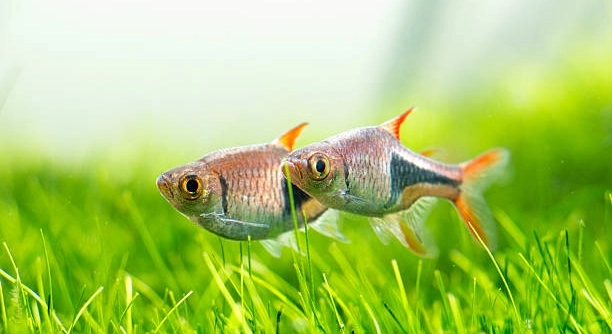
Rasboras are small, peaceful fish that bring life and color to any aquarium. Watching them swim gracefully can be relaxing, but sometimes they stay still and hide. Encouraging them to move more improves their health and vitality.
The most effective way to encourage rasboras to swim more involves creating an enriched environment. Providing ample swimming space, adding plants, adjusting water flow, and maintaining proper lighting encourages natural movement and reduces stress, leading to more active behavior throughout the day.
A few simple adjustments can transform your tank into a lively, engaging space for your rasboras. Their activity levels will increase, and their overall well-being will improve naturally.
Setting Up the Perfect Environment
Rasboras need space to move freely and feel comfortable. A tank that is too small or overcrowded can make them stay in one spot. Adding live plants gives them hiding spots and areas to explore. Gentle water flow encourages natural swimming patterns without stressing them. Keeping the water clean and at the right temperature is essential for their activity. Dim lighting during the day with slightly brighter periods simulates natural conditions. Small decorations like smooth rocks or driftwood can create points of interest. Avoid sharp or rough items that may injure delicate fins. Observing their movement patterns helps you notice if adjustments are needed. Even minor changes in tank setup can make a big difference. Maintaining consistency in feeding times and water quality also encourages them to be more active. Over time, these measures create a healthy, lively environment where rasboras are motivated to swim regularly.
Clean water, proper temperature, and plants directly affect how often rasboras swim and explore.
Providing the right environment is more than just aesthetics. Water temperature should remain stable, ideally between 72-78°F, as sudden changes can reduce activity. Adding floating plants gives shade and comfort, which makes them more confident to move. Arranging open swimming areas alongside hiding spots balances safety with exploration. Small water currents simulate natural rivers, keeping them engaged. Regularly trimming plants and cleaning the substrate prevents algae buildup and maintains visibility. Feeding them at consistent times trains them to move toward areas where food is offered, increasing daily activity. Observation is key; noticing which areas they avoid or favor helps fine-tune tank design. Lighting should mimic natural patterns, not overly bright but not too dim. Even small adjustments, like rearranging decorations, can spark curiosity. With patience and attention, rasboras naturally become more active, showing vibrant, healthy swimming behavior that enhances any aquarium setup.
Feeding Techniques to Boost Activity
Feeding rasboras small, frequent meals encourages regular movement and prevents lethargy.
Offering live or frozen foods in addition to flakes stimulates hunting instincts. Rotating diet items like brine shrimp, daphnia, and micro worms keeps them engaged. Dropping food in different areas of the tank encourages exploration and exercise. Avoid overfeeding, which can lead to inactivity and water issues. Observation during feeding allows you to see which fish are less active and adjust portion sizes. Using feeding rings or spreading food helps prevent competition and ensures all fish move to access food. Feeding at consistent times sets a routine, prompting swimming in anticipation. Incorporating occasional floating treats adds vertical swimming opportunities. Balanced nutrition combined with strategic feeding locations motivates rasboras to move naturally. This approach not only improves their activity but also contributes to their overall health and well-being, creating a more lively aquarium environment.
Encouraging Social Behavior
Rasboras are schooling fish, and they feel safer and more active in groups. Keeping at least six together promotes natural swimming patterns and reduces hiding. Their movement is more synchronized when they have companions, creating a lively tank environment.
Schooling behavior increases overall activity because rasboras mimic each other’s movements. When one fish starts swimming, the others follow instinctively. Isolated fish tend to stay near the bottom or hide behind decorations, limiting exercise. A properly sized group allows for interaction and exploration, which keeps them motivated to swim throughout the day. Observing how they swim together helps identify if the group is too small or if tank layout adjustments are needed to encourage movement. Consistent social interaction is essential for both physical activity and mental stimulation.
Providing multiple companions also helps reduce stress-related behaviors. Rasboras that feel secure in their group are less likely to dart nervously or hide. Regular group swimming builds trust among the fish, encouraging them to explore open areas of the tank. Avoid adding aggressive species that disrupt this harmony, as stress can drastically reduce activity. Adjusting the environment to support social swimming ensures the entire school thrives, creating a balanced and dynamic aquarium atmosphere.
Using Light and Activity Cues
Rasboras respond strongly to light patterns, which influence when they are most active. Proper lighting simulates natural conditions and encourages regular swimming periods.
Gradually increasing light in the morning mimics sunrise, signaling activity time. A mix of shaded areas and open water allows rasboras to choose comfort levels while still being motivated to move. Artificial day-night cycles should be consistent to establish predictable routines. Quick changes or overly bright light can cause stress and hiding behavior. Adjusting light intensity and duration encourages natural swimming rhythms, enhancing overall activity. Observing their response to these changes ensures lighting supports their health.
Timed lighting paired with tank enrichment promotes predictable, daily activity cycles. Floating plants create shaded spots while open spaces let them exercise freely. Light can also be combined with feeding schedules, guiding them to move toward food naturally. Subtle variations in brightness during the day keep them curious without causing panic. Using gentle, indirect light encourages vertical and horizontal swimming, which strengthens muscles and maintains agility. Over time, rasboras develop a more energetic and consistent swimming pattern, reflecting both comfort and stimulation in their environment.
Varying the Tank Layout
Changing decorations and plant arrangements encourages rasboras to explore. Moving rocks, adding new plants, or adjusting open swimming areas keeps their environment interesting.
A varied layout prevents boredom and promotes natural swimming. Rasboras become more active when they encounter new spaces or obstacles. Even small rearrangements can stimulate movement and curiosity.
Temperature and Water Conditions
Stable water temperature and proper chemistry are essential for rasboras’ activity. Fluctuations or poor water quality can make them lethargic and hide. Regular testing and gradual adjustments maintain optimal conditions. Temperature around 72-78°F supports normal swimming patterns.
Water clarity, pH, and hardness influence behavior. Keeping levels consistent prevents stress, allowing rasboras to swim freely. Gentle filtration and partial water changes remove toxins without disturbing them. Observing fish after adjustments ensures they adapt well. Healthy water encourages energy, consistent movement, and better interaction with tankmates.
Gentle Stimulation
Introducing subtle currents or nearby movement can encourage swimming without causing stress.
FAQ
How many rasboras should I keep together to encourage swimming?
Rasboras are schooling fish and feel most comfortable in groups. Keeping at least six together promotes natural swimming and reduces hiding. Smaller groups often result in shy, inactive fish. A larger school encourages synchronized movement, which keeps the tank lively and allows them to interact socially. Observing how they swim together helps ensure the group size is adequate, and it also indicates whether the tank layout supports their natural behavior.
What tank size is best for active rasboras?
A tank that provides enough open space for swimming is essential. A minimum of 20 gallons is recommended for a small school, with additional space for each extra fish. Overcrowded tanks limit movement and increase stress, reducing activity. Open swimming areas combined with plant clusters allow rasboras to feel safe while still encouraging exploration. Proper spacing also reduces competition for food and hiding spots, promoting more consistent activity throughout the day.
What type of plants encourage rasboras to swim more?
Live plants that provide both hiding spots and open spaces are ideal. Floating plants create shaded areas, while taller stem plants offer vertical interest. Smooth-leaved plants prevent injuries and allow fish to swim comfortably. Arranging plants to create pathways and open zones encourages movement and exploration. Rotating or trimming plants periodically maintains variety and keeps the environment stimulating.
How does water flow affect rasbora activity?
Gentle water currents mimic natural habitats and encourage swimming. Too strong a flow can stress them and reduce activity, while stagnant water often leads to lethargy. Using a filter with adjustable output or adding small powerheads creates mild movement, motivating rasboras to navigate and exercise. Observing how they interact with currents helps adjust flow levels for optimal activity without causing discomfort.
Does lighting impact swimming behavior?
Yes, consistent lighting simulates natural day-night cycles and encourages regular activity. Gradually increasing light in the morning signals daytime, prompting movement, while dimming at night provides rest periods. A mix of shaded areas and open spaces allows fish to control exposure and swim confidently. Sudden bright lights can stress them, causing hiding. Indirect or soft lighting supports natural rhythms and enhances overall activity.
Can diet influence how active rasboras are?
Feeding small, frequent meals encourages movement throughout the day. Live or frozen foods like brine shrimp and daphnia stimulate hunting instincts. Rotating food types prevents boredom and ensures balanced nutrition. Dropping food in different tank areas motivates swimming and exploration. Avoid overfeeding, which can lead to lethargy and poor water quality. Proper nutrition combined with strategic feeding supports both energy levels and natural swimming patterns.
What are signs my rasboras are too inactive?
Lethargic fish often stay near the bottom, hide excessively, or move slowly. Reduced interaction with other fish or the environment indicates stress, poor water quality, or inadequate tank setup. Observing behavior during feeding and swimming times helps identify problems. Making adjustments in tank layout, lighting, temperature, and social grouping can improve activity levels and overall health.
How often should I rearrange the tank for stimulation?
Small changes every few weeks keep rasboras curious without causing stress. Moving plants, decorations, or open areas encourages exploration. Sudden major changes can frighten them, so gradual adjustments are best. Even minor rearrangements create new swimming paths and prevent boredom. Observing their reactions ensures the modifications positively impact activity and interaction.
Can tankmates affect rasbora activity?
Yes, peaceful companions encourage swimming, while aggressive species cause stress and hiding. Avoid placing rasboras with fin-nipping or overly dominant fish. Compatible tankmates increase comfort and social movement, supporting natural behavior. Schooling and peaceful tankmates together enhance activity and create a balanced environment.
Do temperature changes influence swimming?
Stable water temperature is critical for energy and activity. Rasboras thrive between 72-78°F. Sudden drops or spikes can make them sluggish or hide. Maintaining consistent warmth with a reliable heater and monitoring daily ensures they remain active. Gradual adjustments are safer than abrupt changes to avoid stress and reduce inactivity.
How can I encourage vertical swimming?
Providing floating plants, varied decorations, and vertical structures encourages movement through all tank levels. Dropping food in different heights motivates vertical swimming. Gentle currents also stimulate upward and downward navigation. Vertical swimming strengthens muscles and enriches the environment, leading to healthier, more active rasboras.
Are there behavioral signs of happiness in rasboras?
Active swimming in groups, exploring open spaces, and responding to feeding times indicate comfort and good health. Bright colors and synchronized movements are also positive signs. Consistent engagement with their environment shows that tank conditions, social grouping, and feeding routines meet their needs.
How long does it take to see increased activity?
With proper tank setup, diet, social grouping, and lighting, noticeable improvements usually appear within a few weeks. Observing gradual changes in swimming patterns, group cohesion, and feeding response helps track progress. Patience and consistent care ensure sustained activity and healthy behavior.
Can stress reduce rasbora swimming?
Yes, stress from poor water quality, aggressive tankmates, or sudden environmental changes often causes hiding or lethargy. Ensuring stability in temperature, pH, and tank layout reduces stress. Peaceful tankmates, gentle water flow, and predictable feeding encourage confidence and regular swimming.
What maintenance routines support active rasboras?
Regular partial water changes, plant trimming, substrate cleaning, and filter maintenance keep water quality high. Consistent routines prevent toxin buildup and support energy levels. Observing the fish after maintenance ensures they adapt well and remain active. Balanced care promotes both physical activity and long-term health.
This FAQ provides practical guidance for keeping rasboras active and healthy by addressing environment, social behavior, feeding, and maintenance. With consistent care, these small fish can thrive, swim energetically, and display natural, lively behavior in your aquarium.
Word count: 520
Rasboras are small but lively fish that can bring a lot of activity to any aquarium. Encouraging them to swim more requires understanding their needs and making thoughtful adjustments to their environment. Proper tank setup is essential. They need enough open space to move freely and plants or decorations to explore. Live plants, smooth rocks, and driftwood provide hiding spots while still allowing room for swimming. Rearranging decorations occasionally adds variety and prevents boredom. Gentle water flow simulates natural conditions and keeps them engaged, while a stable water temperature between 72-78°F ensures they remain active and healthy. Clean water and consistent care are the foundation for their energy and overall well-being.
Social behavior is equally important for rasboras. These fish feel more confident and move more when kept in groups. A minimum of six is recommended, as smaller numbers often lead to hiding and inactivity. Observing how they swim together can reveal if the group size or tank layout needs adjustment. Peaceful companions also promote natural movement, while aggressive tankmates can reduce activity. Lighting and feeding routines also influence their behavior. Gradually increasing light in the morning and dimming it in the evening mimics natural day-night cycles, encouraging regular swimming periods. Feeding small, frequent meals stimulates hunting instincts and keeps them moving throughout the day. Using live or frozen foods in rotation prevents boredom and ensures proper nutrition. Dropping food in different parts of the tank encourages exploration and vertical swimming, which strengthens muscles and improves overall vitality.
Creating an environment that supports activity involves more than just decoration. Consistent maintenance, such as partial water changes, filter cleaning, and monitoring water chemistry, helps maintain a healthy, stress-free habitat. Stress from poor water quality, sudden changes, or overcrowding can reduce swimming and overall health. Providing a mix of shaded and open areas, along with varied plant heights, supports natural movement patterns and encourages exploration. Observing rasboras regularly allows you to notice changes in behavior, making it easier to adjust the environment for optimal activity. With patience and thoughtful care, these fish can thrive, displaying natural, energetic swimming behaviors that enhance the beauty and life of your aquarium. Creating the right balance of space, social interaction, nutrition, and stimulation ensures your rasboras remain lively, healthy, and engaged for years to come.
Word count: 414

Hello,
If you enjoy the content that we create, please consider saying a "Thank You!" by leaving a tip.
Every little bit helps us continue crafting quality advice that supports the health, happiness, and well-being of pets around the world, for pets of all shapes, sizes, and species.
We really appreciate the kindness and support that you show us!