
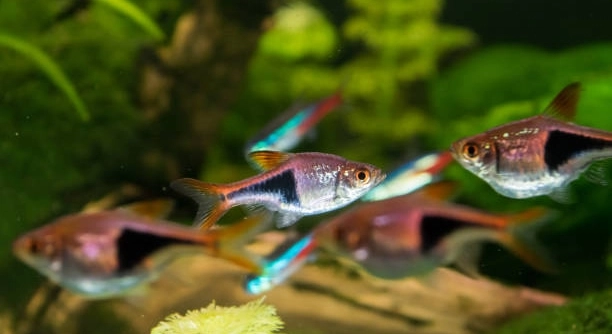
Keeping rasboras happy and healthy can sometimes be tricky, especially when they turn up their noses at food. Feeding these small fish requires patience, observation, and a few thoughtful strategies to ensure they thrive.
Picky rasboras often refuse meals due to stress, tank conditions, or food type. Adjusting feeding schedules, offering varied textures, and introducing new foods gradually can improve acceptance. Consistency and observation are key to maintaining their nutritional balance and overall well-being.
Learning a few simple feeding tricks can make mealtimes smoother and more enjoyable for both you and your fish. These techniques can help even the most selective rasboras eat consistently.
Offer Small, Frequent Meals
Feeding rasboras in small amounts throughout the day helps them feel comfortable and reduces waste. Large portions can overwhelm picky fish, causing them to ignore food or scatter it across the tank. Observing their behavior during each feeding can help you gauge how much they will eat in one sitting. Consistent portions also prevent overfeeding, which can lead to water quality issues. A few pellets or a small pinch of flakes at regular intervals can make a big difference. Over time, your fish may start recognizing feeding times and respond more readily. Varying the feeding schedule slightly can keep them interested, but avoid sudden large changes. Patience is important, as picky eaters may take time to adjust to smaller, frequent meals. Make sure uneaten food is removed after a few minutes to keep the tank clean and maintain healthy water conditions for all tank inhabitants.
Small meals throughout the day are easier for rasboras to accept and help maintain water quality.
Keeping meals small ensures your fish receive nutrients without causing stress or pollution in the tank. Observing how much they eat and adjusting portions gradually helps maintain consistent feeding habits. Over time, the fish learn to expect meals, reducing hesitation and increasing acceptance. Some rasboras may still refuse certain foods, but frequent small feedings give them more opportunities to try new items without overwhelming them. Removing uneaten food promptly prevents decay and keeps the tank environment healthy. Monitoring the tank’s water quality alongside meal adjustments ensures that both feeding and environment work together to support the fish’s health. This approach is particularly helpful for young or newly introduced rasboras, as they are often more cautious eaters. By keeping feedings consistent and manageable, you encourage natural eating patterns and reduce stress. A steady routine allows the fish to feel secure and more willing to try a variety of food types, including live, frozen, or flake options. Over time, picky behavior often decreases as the fish become accustomed to the feeding routine.
Mix Different Food Types
Offering a variety of food types ensures that rasboras receive balanced nutrition and remain interested in their meals.
Switching between flakes, pellets, frozen, and live foods prevents monotony and encourages fish to eat more consistently.
Picky rasboras may refuse food simply because it is unfamiliar or unappealing in texture. Introducing different types gradually can make them more willing to accept new options. Live foods like daphnia or brine shrimp are highly attractive to many fish, while frozen alternatives provide convenience without sacrificing nutrition. Flakes and pellets are useful for daily feeding but can become boring if offered exclusively. Rotating foods not only improves acceptance but also ensures that essential nutrients, vitamins, and proteins are provided. Observation is key—some fish may prefer certain textures or colors, and noting these preferences allows you to tailor feedings more effectively. Gradual changes are important, as sudden shifts in diet can stress the fish or lead to rejection. By offering a variety of foods, you create a more engaging feeding experience that encourages picky rasboras to eat more consistently, supporting growth, health, and overall vitality.
Use Live Food
Live food often attracts picky rasboras more effectively than dry options. Small creatures like daphnia or brine shrimp trigger natural hunting instincts, making fish more willing to eat.
Live foods provide high nutritional value, offering proteins, fats, and vitamins essential for growth and vitality. Feeding them encourages natural behaviors, stimulating activity and curiosity. Many picky rasboras respond quickly to live food, often ignoring flakes or pellets entirely. Introducing live food a few times per week can improve overall appetite and reduce selective eating. Careful sourcing is important to avoid introducing parasites or contaminants. Observing how the fish respond allows gradual integration with other food types. Combining live food with flakes or pellets can create a balanced diet while keeping feeding time engaging.
Some live foods can be used as occasional treats, improving willingness to eat other foods. Feeding small amounts prevents overfeeding and helps maintain tank cleanliness.
Offering live food occasionally increases activity and appetite in rasboras. It can be combined with frozen or dry options to maintain balance.
Live foods like daphnia and brine shrimp are rich in protein, aiding growth and health. Their movement stimulates hunting instincts, making meals more appealing. Picky rasboras are often more responsive to live food than to static flakes or pellets, increasing overall intake. Introducing live food gradually ensures the fish adjust without stress. Careful handling prevents contamination and keeps the tank environment safe. When combined with other food types, live food improves variety, nutrition, and interest in meals. Regular observation helps determine how much is needed and which types your rasboras prefer. Over time, integrating live food encourages more consistent feeding and reduces picky behavior, supporting a healthier, more active aquarium.
Soak Dry Foods Before Feeding
Soaking flakes or pellets softens them, making it easier for picky rasboras to eat. This prevents hard pieces from being ignored or causing discomfort.
Softened food is easier to digest and reduces the risk of digestive issues. Soaking also releases aroma, making food more attractive and noticeable. Some rasboras may only accept softer foods, so this simple step improves feeding success. Timing is key—soak just enough to soften, not to make mush. Combine soaked dry foods with small portions of live or frozen options for variety. Consistency in preparation ensures that fish adapt to softer textures over time, improving overall acceptance and nutrition. Proper storage of soaked food prevents spoilage and keeps feed safe.
Soaking dry food improves palatability and prevents waste in the tank. Fish are more likely to eat soft, aromatic pieces than hard, dry flakes or pellets.
Softened flakes and pellets are easier for picky rasboras to accept and digest. Soaking enhances flavor and aroma, encouraging hesitant eaters to consume meals. This method reduces the amount of uneaten food, preventing water contamination. Gradually, fish can adapt to dry foods alongside live or frozen options, maintaining nutritional balance. Careful soaking ensures the right texture without creating mush that can spoil quickly. Combining soaked foods with occasional live meals creates variety, keeping the fish interested. Observing feeding behavior helps determine how long to soak and which food types are best accepted. Over time, consistent use of soaked foods improves feeding response, reduces waste, and supports healthier tank conditions for all fish.
Feed at Consistent Times
Feeding rasboras at the same times each day helps them recognize routine and encourages regular eating. Consistency reduces stress and makes fish more willing to accept food.
Predictable feeding schedules improve appetite and help monitor how much each fish consumes.
Offer Variety in Color and Shape
Rasboras can be sensitive to visual cues in their food. Changing colors or shapes of flakes and pellets keeps them interested. Different shapes mimic natural prey, encouraging eating and reducing pickiness. Regularly rotating food appearances can improve acceptance and maintain balanced nutrition over time.
Avoid Overfeeding
Too much food can overwhelm picky rasboras and cause water quality issues. Small, controlled portions help fish eat effectively without leaving excess waste.
How often should I feed my rasboras?
Feeding rasboras two to three times a day in small amounts works best. Small, frequent meals prevent overfeeding and make it easier for picky fish to eat. Observing their behavior helps determine the right portion sizes. Remove uneaten food promptly to maintain water quality.
What types of food are best for picky rasboras?
A mix of flakes, pellets, live, and frozen foods provides balanced nutrition. Live foods like daphnia or brine shrimp trigger natural hunting instincts, encouraging hesitant fish to eat. Frozen foods such as bloodworms or brine shrimp offer convenience and high protein. Rotating foods keeps mealtime interesting. Flakes and pellets are suitable for daily feeding but should be softened or varied in shape and color to improve acceptance. Consistency in feeding different types gradually helps reduce pickiness over time, ensuring all nutritional needs are met.
Can I feed only live food?
Feeding only live food is not recommended. While live food is nutritious and encourages eating, it does not provide a complete diet. Combining live food with flakes or pellets ensures vitamins, minerals, and proteins are balanced. Occasional live food treats can improve appetite and activity, but daily reliance solely on live food may create selective eating habits and nutrient gaps. Gradually integrating dry or frozen options alongside live food helps picky rasboras develop consistent eating patterns and better overall health.
How do I know if my rasboras are eating enough?
Observing their behavior during feeding is key. Fish that quickly take food from the surface or mid-water are generally eating enough. Uneaten food remaining after a few minutes may indicate they are full or rejecting it. Watch for consistent growth, bright colors, and active swimming as signs of proper nutrition. Adjust portion sizes if food consistently remains uneaten or if fish appear lethargic. Monitoring feeding habits over several days gives a clearer picture of intake. Avoid guessing portion sizes, as overfeeding can harm water quality and underfeeding affects health.
Is it okay to soak flakes or pellets before feeding?
Yes, soaking flakes or pellets softens them, making them easier to eat and digest. Softened food also releases more aroma, attracting hesitant or picky rasboras. Soak only briefly to avoid creating mush that can pollute the tank. Gradual introduction of soaked food helps fish adjust to different textures without stress. Combining soaked foods with live or frozen options ensures variety and nutrition. Proper storage and timing prevent spoilage, keeping feeding safe and effective.
How can I reduce picky behavior in rasboras?
Routine, variety, and observation are essential. Feed at consistent times with small portions. Rotate food types, colors, and textures to maintain interest. Introduce live or frozen foods occasionally to stimulate appetite. Avoid overfeeding, remove uneaten food, and monitor water quality. Gradual changes and patience help fish adapt, reducing selective eating. Tracking preferences allows you to tailor feedings for better acceptance, ultimately creating healthier, more consistent eating habits.
Are there signs of overfeeding or underfeeding?
Overfed rasboras may leave food uneaten, become sluggish, or show poor water quality. Underfed fish appear thin, less active, or fail to grow. Monitoring behavior, growth, and tank cleanliness helps determine if feeding amounts are correct. Adjust portions gradually and ensure all fish have access to food without overcrowding. Properly balanced feeding promotes health, reduces stress, and prevents picky eating patterns.
Can picky rasboras eat together with other fish?
Yes, but competition can influence feeding behavior. Place food in multiple locations to prevent dominant fish from blocking others. Observe interactions and ensure all rasboras get adequate food. Using live or floating foods can help picky individuals access meals. Proper tank size and hiding spaces reduce stress and encourage consistent eating.
Feeding picky rasboras can feel challenging, but with patience and careful observation, it becomes much easier to manage. Understanding their habits, preferences, and natural behaviors is the first step in helping them eat consistently. Small, frequent meals are often more effective than larger portions because they are easier for the fish to notice and consume. Watching how much they eat at each feeding allows you to adjust portions gradually and prevent both overfeeding and leftover food, which can harm water quality. Consistency in feeding times also helps rasboras feel secure, encouraging them to eat when meals are offered. This simple routine is an important part of maintaining a healthy and stress-free tank environment.
Variety is another key factor in encouraging picky rasboras to eat. Offering a mix of flakes, pellets, frozen, and live foods ensures they receive proper nutrition while keeping mealtimes interesting. Live foods like brine shrimp or daphnia can trigger natural hunting instincts, while frozen options provide convenience and high protein. Soaking dry foods before feeding can make them easier to digest and more appealing, especially for hesitant eaters. Rotating different shapes, sizes, and colors of food also helps maintain interest and prevents selective feeding habits. Observing which foods are most accepted and integrating them into regular feedings gradually improves overall acceptance without overwhelming the fish. Over time, this variety helps reduce picky behavior and supports consistent, balanced nutrition.
Maintaining a clean and stable tank environment is just as important as the food itself. Uneaten food should be removed promptly, and water quality should be monitored regularly to prevent stress or health issues. Stress, overcrowding, or poor water conditions can make rasboras more selective or hesitant to eat. By combining careful feeding strategies, variety, and tank maintenance, you create an environment that encourages healthy eating habits and overall well-being. Patience and observation are essential throughout this process, as each fish may respond differently to changes. With time and consistency, even the most selective rasboras can learn to eat reliably, keeping them healthy, active, and vibrant in their aquatic home.

Hello,
If you enjoy the content that we create, please consider saying a "Thank You!" by leaving a tip.
Every little bit helps us continue crafting quality advice that supports the health, happiness, and well-being of pets around the world, for pets of all shapes, sizes, and species.
We really appreciate the kindness and support that you show us!