
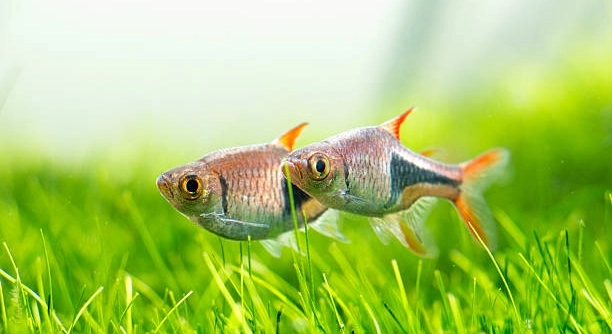
Rasboras are small, colorful fish that brighten up home aquariums. Observing their behavior can tell you a lot about their comfort and well-being in their aquatic environment. Stress can affect them more than many people realize.
Early signs of stress in rasboras include changes in swimming patterns, loss of appetite, faded colors, clamped fins, erratic behavior, hiding, and increased aggression. Monitoring these indicators is essential for maintaining their health and a stable aquarium environment.
Recognizing these signs early helps ensure your rasboras remain active, healthy, and vibrant in your aquarium. Simple steps can prevent minor stress from turning into serious health issues.
Changes in Swimming Patterns
Rasboras usually swim smoothly in groups, creating a calm flow in the tank. When stressed, their movement can become erratic. They may dart around quickly, float near the surface, or hover in corners. Sometimes they swim alone instead of schooling, which is unusual for these social fish. Observing their swimming closely can reveal stress before it affects their health. Minor changes, like slightly faster swimming or sudden stops, can indicate early tension. Environmental factors often trigger this behavior. Overcrowding, sudden temperature shifts, or poor water quality can make them uneasy. Even small decorations or tank rearrangements might disturb them. Stress from swimming issues can lead to fatigue, making them more prone to illness. A consistent routine, stable water conditions, and regular tank checks help maintain their calm behavior. Watching how they interact in groups provides insight into their mental and physical state, allowing for early intervention when needed.
Erratic swimming is one of the first noticeable stress signals in rasboras, often visible before other symptoms appear.
Tracking swimming patterns helps prevent long-term health issues and keeps the tank peaceful. Consistency in environment and diet supports their natural behavior and reduces unnecessary tension.
Loss of Appetite
When rasboras stop eating, it is often a clear indicator of stress. Even healthy fish may ignore food if conditions feel unsafe or uncomfortable.
Loss of appetite can result from water changes, illness, or sudden temperature shifts. Stress makes their digestive system slow down, which can worsen quickly if ignored. Overfeeding or underfeeding may also affect eating habits, so maintaining a proper schedule is important. Sometimes they avoid food if new tank mates are aggressive or if the tank feels too bright. Watching them during feeding time gives clues about their comfort. Affected rasboras may linger near the bottom or corners, showing disinterest in food. Providing hiding spots and monitoring water parameters can encourage them to eat again. Feeding small portions multiple times can help, rather than one large meal. By keeping an eye on appetite changes, you can address stress early, supporting healthier growth and preventing malnutrition. A calm, stable environment improves feeding response and restores their energy.
Faded Colors
Stress often causes rasboras to lose their bright, natural colors. Dull or washed-out scales are a clear visual signal that something is wrong in the tank environment.
Color fading usually results from poor water quality, sudden temperature changes, or prolonged stress. When the tank conditions are not ideal, rasboras may reduce pigment production as a biological response to stress. Nutritional deficiencies can also play a role; insufficient vitamins or a poor diet weakens their natural vibrancy. Social stress from aggressive tank mates or overcrowding can make colors appear muted. Gradual changes in hue are often more noticeable than sudden shifts, so regular observation is key. Maintaining clean water, proper temperature, and a balanced diet supports their coloration. Monitoring their colors daily helps detect subtle stress early, allowing adjustments before serious health issues develop. Proper care not only restores their visual appeal but also improves overall energy and behavior.
Dull coloration can be an early warning, signaling environmental or dietary problems that need attention.
Restoring bright colors requires consistent water conditions, proper nutrition, and reduced stress factors, which collectively support their overall health and activity.
Clamped Fins
Clamped fins occur when rasboras keep their fins close to their body instead of fanning them out naturally. This is often a direct response to stress in the aquarium.
Fins may clamp due to sudden changes in water temperature, poor water quality, or the presence of aggressive tank mates. Disease and parasites can also trigger this behavior, making early observation essential. Fish that keep fins tightly pressed often appear smaller and less active. Continuous clamping weakens their swimming ability, making feeding and movement harder. Providing hiding spots, maintaining stable water conditions, and reducing stressors helps them regain normal fin posture.
Monitoring fin position daily is crucial, as prolonged clamping indicates ongoing stress and possible health risks. Early intervention prevents long-term damage and promotes stronger, healthier fins over time.
Erratic Behavior
Rasboras may suddenly swim in circles, dash quickly, or freeze unexpectedly when stressed. Such irregular actions are not typical and indicate discomfort in their environment.
This behavior can result from sudden lighting changes, aggressive tank mates, or fluctuating water conditions. Close observation helps identify and address the cause promptly.
Hiding Frequently
Stressed rasboras often spend more time in plants, decorations, or tank corners. They may avoid open areas and limit social interaction with other fish.
Frequent hiding usually signals fear, poor water quality, or tank overcrowding. Ensuring stable conditions, adding secure hiding spots, and minimizing disturbances encourages them to return to normal activity levels.
Increased Aggression
Some rasboras become more aggressive under stress, chasing or nipping at tank mates. This change in behavior can disrupt the usual peaceful dynamics of the aquarium.
Stress-induced aggression often arises from overcrowding, limited hiding spaces, or sudden changes in the tank. Addressing these issues reduces tension and helps restore harmony among the fish.
FAQ
How can I tell if my rasboras are stressed?
Stress in rasboras can be identified by changes in behavior, appearance, or appetite. Look for erratic swimming, faded colors, clamped fins, hiding, or aggression. Even small deviations from their normal activity can indicate stress. Observing them daily helps catch issues early.
What causes stress in rasboras?
Common causes include poor water quality, sudden temperature changes, overcrowding, aggressive tank mates, or inadequate hiding spots. Even frequent rearrangements of the tank or inconsistent feeding schedules can make them uneasy. Stable environmental conditions are key to reducing stress.
How does water quality affect rasboras?
Rasboras are sensitive to ammonia, nitrite, and nitrate levels. Dirty water can irritate their gills and skin, leading to weakened immune systems and visible stress symptoms. Regular water testing, partial water changes, and proper filtration help maintain a healthy environment.
Can diet impact stress levels?
Yes. A poor or inconsistent diet can cause nutritional deficiencies, reducing energy and coloration. Feeding high-quality flakes, frozen foods, or live foods in small, regular portions supports their overall health and resilience against stress.
Do tank decorations influence stress?
Decorations, plants, and hiding spots are important for security. Lack of shelter or overcrowded spaces can increase fear and anxiety. Providing areas to hide and swim freely reduces tension and encourages natural behavior.
How often should I check water temperature?
Rasboras thrive in stable temperatures, usually between 72–78°F (22–26°C). Sudden drops or spikes cause stress. Daily monitoring with a reliable thermometer helps prevent temperature-related issues.
What should I do if a fish shows aggression?
Separate aggressive individuals if necessary, check for overcrowding, and ensure each fish has hiding spots. Reducing stressors and maintaining proper tank conditions usually restores calm behavior.
Can stress lead to illness in rasboras?
Prolonged stress weakens their immune system, making them more vulnerable to diseases like ich, fin rot, or bacterial infections. Early detection and a stable environment are essential to prevent health complications.
Is it normal for rasboras to hide occasionally?
Yes, occasional hiding is natural, but constant hiding is a sign of stress. Evaluate tank conditions, water quality, and social dynamics if hiding becomes persistent.
How can I reduce stress in my aquarium?
Maintain stable water parameters, provide adequate space, hideouts, and a balanced diet. Minimize sudden changes in lighting, temperature, or tank layout. Regular observation allows you to respond quickly to stress indicators.
Can introducing new fish cause stress?
Yes, new fish can disrupt established social hierarchies. Introduce them slowly, quarantine first if possible, and ensure enough space and hiding spots to reduce tension.
Are some rasbora species more sensitive than others?
Smaller or more delicate species, like chili rasboras, tend to be more sensitive to environmental changes. Understanding species-specific needs helps prevent unnecessary stress and supports long-term health.
How long does it take for stressed rasboras to recover?
Recovery depends on the cause and severity of stress. Minor issues may resolve within days if conditions improve. Chronic or long-term stress may take weeks, requiring consistent care, proper diet, and a stable environment.
Can stress affect breeding?
Yes. Stressed rasboras may stop breeding or produce weak eggs. Reducing stressors, providing suitable conditions, and maintaining good nutrition increases the chances of successful breeding.
Is regular observation enough to prevent stress?
Observation is essential but must be paired with proper tank maintenance, water quality checks, and environmental stability. Being proactive helps prevent stress before it becomes harmful.
What signs should prompt immediate action?
Severe erratic swimming, rapid color fading, persistent clamped fins, constant hiding, or aggressive behavior are red flags. Immediate water testing, partial changes, and adjustment of tank conditions are necessary to protect the fish.
How does tank size influence stress?
Overcrowded tanks limit movement and increase competition, causing stress. Providing enough space for swimming and territory reduces conflict and promotes healthier behavior.
Can stress be prevented entirely?
While some stressors are unavoidable, careful attention to water quality, diet, tank setup, and fish behavior can significantly reduce the risk. Early intervention is the best approach to maintaining healthy, happy rasboras.
Does lighting affect stress levels?
Sudden changes in brightness or prolonged intense lighting can stress rasboras. Use consistent lighting schedules and provide shaded areas or plants to help them feel secure.
Are there signs of recovery from stress?
Improved swimming, normal appetite, vibrant colors, and relaxed fins indicate recovery. Consistent observation ensures these positive changes are maintained over time.
How often should I feed my rasboras?
Feeding small portions 1–2 times a day is ideal. Overfeeding can foul water, while underfeeding can weaken them. Balanced feeding supports their energy and resilience against stress.
Can stress be caused by other species in the tank?
Yes, aggressive or overly active tank mates can create tension. Choosing compatible species and monitoring interactions helps maintain a calm environment for all fish.
What role does oxygen play in stress?
Low oxygen levels cause rapid gill movement and lethargy. Proper aeration, plants, and water movement help maintain oxygen levels and reduce stress.
Is quarantine necessary for new fish?
Quarantining new arrivals prevents disease and reduces stress on existing fish. A 2–3 week isolation period ensures new fish are healthy before joining the main tank.
Can stress affect lifespan?
Chronic stress shortens lifespan by weakening the immune system and causing long-term health problems. Minimizing stressors is critical for longevity.
How do I handle sudden changes in water parameters?
Gradual adjustments are key. Sudden shifts in temperature, pH, or hardness can shock rasboras. Monitor slowly and make incremental changes to reduce stress.
Are there behavioral cues to watch for daily?
Yes, swimming patterns, feeding response, interaction with tank mates, and fin position are daily indicators. Tracking these helps detect stress early.
Can stress cause weight loss?
Yes. Reduced appetite and increased energy use during stress may lead to weight loss. Maintaining proper feeding and environmental conditions prevents this.
How do I restore color in stressed rasboras?
Improving water quality, providing a balanced diet, reducing stressors, and adding plants or decorations can help bring back natural vibrancy over time.
Does tank cleaning stress rasboras?
Partial water changes are necessary but should be done carefully. Avoid sudden temperature changes or removing too many decorations at once. Gentle maintenance reduces stress during cleaning.
Are there signs of social stress?
Aggression, hiding, or breaking from the school indicate social stress. Adjust tank mates, add hiding spots, or increase space to restore harmony.
Can stress cause fin damage?
Yes. Clamped fins, nipping, or aggressive encounters can result in tears or fraying. Reducing stress and maintaining water quality encourages healing.
How do I monitor recovery effectively?
Daily observation, consistent feeding, water testing, and watching interactions provide a clear picture of progress. Record changes to ensure all stressors are addressed.
Is it normal for rasboras to be inactive occasionally?
Short periods of rest are normal, but prolonged inactivity, hiding, or lack of feeding usually indicates stress or illness. Investigate environmental or social factors promptly.
Can stress impact reproduction cycles?
Yes. Stressed rasboras may delay spawning or produce fewer eggs. Providing calm, stable conditions encourages natural reproductive behavior.
What steps prevent recurring stress?
Maintain clean water, balanced diet, adequate space, compatible tank mates, stable temperature, and proper lighting. Consistency is key to preventing recurring stress.
Do rasboras show signs of stress at night?
Stress can persist at night, leading to unusual movement or hiding even in darkness. Ensure the tank has proper nighttime conditions and resting areas.
How important is regular observation?
Observation allows early detection of stress, helping prevent illness or long-term behavioral changes. Daily attention supports healthy, active, and vibrant rasboras.
Can stress be reversed fully?
Yes, with proper care, stable conditions, and attention to diet and environment, rasboras can recover fully from stress, regaining color, energy, and natural behavior.
How do I know when stress is serious?
Persistent changes in behavior, appearance, or feeding indicate serious stress. Immediate evaluation of water, tank setup, and social dynamics is essential.
Does stress affect schooling behavior?
Yes, stressed rasboras may isolate from the group or swim irregularly. Restoring calm conditions encourages natural schooling patterns to return.
Can stress cause long-term health issues?
Chronic stress weakens immunity, slows growth, and increases disease risk. Early detection and intervention are essential to prevent lasting effects.
How can I make my tank more comfortable?
Provide hiding spots, stable water, proper temperature, balanced diet, and compatible tank mates. Avoid sudden changes and monitor behavior consistently.
Are small changes in behavior significant?
Yes, even minor deviations in swimming, color, or appetite can signal early stress. Early attention prevents escalation into serious problems.
Can stress affect multiple fish at once?
Yes, poor water quality, overcrowding, or aggressive behavior can stress the entire tank. Addressing environmental factors benefits all inhabitants.
What are quick signs of improvement?
Normal swimming, renewed appetite, vibrant colors, and relaxed fins indicate stress is decreasing. Consistent care maintains these positive changes.
How do I prevent stress during tank maintenance?
Perform gradual water changes, avoid sudden rearrangements, and provide stable lighting. Gentle handling minimizes disturbance.
Does stress vary by age?
Juveniles are often more sensitive to environmental changes, while adults may tolerate minor fluctuations better. Tailor care to age and species.
Can stress lead to disease outbreaks?
Yes, weakened immunity from stress makes rasboras more susceptible to bacterial, fungal, or parasitic infections. Maintaining optimal conditions reduces this risk.
Are there environmental adjustments that reduce stress?
Yes, keeping water clean, stable, and well-oxygenated, adding plants or decorations, and ensuring compatible tank mates all help reduce stress.
How do I balance tank aesthetics with stress prevention?
Arrange decorations to provide hiding spots without overcrowding. Ensure open swimming areas and stable layouts while keeping the tank visually appealing.
Can stress be cumulative?
Yes, repeated minor stressors can accumulate, leading to chronic health issues. Regular monitoring and consistent care prevent buildup.
Does stress affect growth?
Chronic stress slows growth and weakens immune function. Maintaining proper diet and stable conditions supports healthy development.
Are there natural remedies for stress?
Adding live plants, gentle filtration, and maintaining stable water parameters can naturally reduce stress without chemicals.
How do I know if environmental enrichment helps?
Fish showing more normal activity, less hiding, and vibrant colors indicate positive responses to enrichment. Adjust as needed for balance.
Can stress be linked to seasonal changes?
Yes, shifts in room temperature or lighting due to seasons can affect water conditions. Monitor and adjust to maintain stability.
What is the most important factor in stress prevention?
Consistent care, stable water, proper diet, sufficient space, and compatible tank mates are the most critical factors for minimizing stress.
How often should I monitor tank parameters?
Weekly testing of ammonia, nitrite, nitrate, pH, and temperature is recommended. Daily observation of behavior complements these checks.
Do stressed rasboras recover faster with companionship?
Yes, maintaining proper schooling groups supports natural behavior and reduces isolation stress. Avoid overcrowding to prevent additional tension.
Are there signs that stress is returning?
Dulling colors, clamped fins, hiding, or erratic swimming after recovery indicate renewed stress. Prompt evaluation is necessary.
How do I create a stress-free feeding routine?
Feed small portions at consistent times, remove uneaten food promptly, and observe behavior to ensure all fish are eating without competition.
Can stress affect how fish interact with humans?
Yes, stressed rasboras may avoid the front of the tank or show less curiosity during feeding or observation.
Is long-term observation better than frequent intervention?
Yes, observing trends over time helps identify persistent stressors. Frequent, unnecessary changes can worsen stress.
What is the most overlooked stress factor?
Subtle water quality fluctuations, minor temperature swings, or small changes in social dynamics often go unnoticed but can impact behavior and health.
Can stress be prevented entirely in home aquariums?
Complete prevention is difficult, but minimizing sudden changes, maintaining quality water, and consistent care significantly reduces risk.
How do I differentiate stress from illness?
Stress often shows behavioral changes without physical symptoms initially, while illness usually presents physical signs like lesions, fin rot, or abnormal growth. Observing both behavior and appearance helps distinguish the cause.
Does tank placement affect stress?
Yes, high-traffic areas, loud noises, or direct sunlight can increase anxiety. Quiet, stable locations support calmer behavior.
Can stress affect social hierarchy in rasboras?
Yes, stressed fish may retreat or act aggressively, disrupting normal social structures. Adequate space and hiding spots restore balance.
Are there long-term benefits to preventing stress?
Reduced stress improves lifespan, coloration, energy, social behavior, and overall health, making it easier to maintain a thriving aquarium.
How do I address multiple stressors at once?
Identify water quality issues, tank mates, and environmental changes simultaneously. Correct all factors gradually to avoid overwhelming the fish.
Can stress cause unusual schooling patterns?
Yes, fish may separate, swim erratically, or stay at tank edges when stressed. Restoring calm conditions helps reestablish normal schooling.
Is there a link between lighting duration and stress?
Long or inconsistent light cycles can disturb natural behavior. Maintaining regular schedules and shaded areas reduces tension.
Do rasboras recover faster in smaller or larger tanks?
Recovery depends on space, hiding spots, and water stability rather than size alone. Overcrowding delays recovery, while adequate space supports normal behavior.
How do I know if stress has permanently affected behavior?
Persistent avoidance, aggression, or feeding problems after weeks of optimal conditions may indicate lasting effects. Continuous care and monitoring remain important.
Can stress affect coloration permanently?
Chronic stress can cause long-term dulling, but improving water quality, diet, and environment often restores much of the natural vibrancy over time.
What is the best method to track stress in rasboras?
Daily observation, behavioral notes, and regular water testing help track trends. Monitoring changes early ensures prompt intervention.
Are juvenile rasboras more vulnerable to stress than adults?
Yes, juveniles are more sensitive to environmental changes, dietary shifts, and social dynamics, requiring extra attention for healthy growth and adaptation.
Can tank mates recover from stress independently?
Some fish recover naturally once conditions improve, but monitoring and adjusting environmental factors accelerate recovery and reduce repeated stress incidents.
How do I balance activity and rest for stressed fish?
Provide open swimming areas, shaded zones, and consistent lighting cycles. Encourage natural activity without forcing exposure or disturbance, supporting calm behavior and recovery.
Does water hardness affect stress?
Extreme or fluctuating hardness can affect comfort and behavior. Maintain stable conditions suitable for the species to reduce stress.
Can sudden noise trigger stress?
Yes, loud or continuous noise can frighten rasboras. Place the tank in a quiet location to prevent anxiety and erratic behavior.
How important is social interaction for stress reduction?
Proper schooling groups help rasboras feel secure and reduce stress. Avoid isolating individuals unless necessary for health or aggression issues.
Are there visual cues that stress is improving?
Vibrant colors, relaxed fins, normal swimming patterns, and renewed appetite indicate positive changes after stress reduction.
Can stress affect how rasboras respond to food?
Yes, stressed fish may ignore food, eat slowly, or avoid competition. Gradual feeding and calm conditions improve appetite and nutrition uptake.
How do I prevent stress during water changes?
Perform gradual changes, match water temperature, avoid sudden light shifts, and maintain familiar decorations. Gentle maintenance minimizes disruption and supports stability.
Can seasonal room changes stress rasboras?
Yes, temperature and light variations caused by seasons can alter water parameters. Monitor and adjust to keep conditions consistent year-round.
Is stress more common in new tanks?
Yes, newly established aquariums with unstable parameters or incomplete cycles often cause stress. Proper cycling and gradual introduction of fish reduce risk.
Can stress affect long-term social behavior?
Repeated stress can cause lasting avoidance, aggression, or altered schooling patterns. Maintaining consistent care helps restore social balance over time.
Do tank size changes cause stress?
Moving fish to smaller or overcrowded tanks increases anxiety. Gradual adjustments and adequate space are important to prevent tension.
Can stress affect breeding success long-term?
Yes, chronic stress can reduce fertility and egg quality. Stable conditions, proper diet, and minimized disturbances improve long-term reproductive outcomes.
How do I know if water changes are enough to reduce stress?
Observe behavior, appetite, and fin condition. Improvement after partial water changes indicates reduced stress. Combine with proper diet and hiding spots for best results.
Can stress be caused by uneven heating?
Yes, hotspots or cold spots create discomfort. Even water temperature distribution supports stable behavior and reduces stress.
Are there daily habits to prevent stress?
Feed consistently, observe behavior, monitor water, avoid sudden changes, and maintain tank cleanliness. These habits keep rasboras healthy and calm.
Can stress be transferred between fish?
Yes, aggressive or anxious behavior can affect tank mates. Ensuring stable social dynamics and sufficient space prevents group stress.
How do I manage multiple stress indicators at once?
Identify visible signs like hiding, color fading, or clamped fins, then address environmental, social, and dietary factors simultaneously for full recovery.
Is there a connection between stress and sleep patterns?
Stressed fish may rest less, hide excessively, or appear restless at night. Maintaining a quiet, shaded environment encourages normal rest.
Can stress be prevented by tank layout?
Yes, proper placement of plants, decorations, and open swimming areas reduces tension and supports natural behavior.
Do water pH fluctuations increase stress?
Yes, sudden pH changes can shock rasboras, causing erratic behavior. Stable pH levels are critical for reducing anxiety and maintaining health.
Can stress affect immune response?
Yes, chronic stress weakens immunity, making rasboras more vulnerable to infections and slow recovery from minor illnesses.
How can I tell if dietary changes help reduce stress?
Improved appetite, better coloration, and increased activity indicate that dietary adjustments are
Rasboras are delicate fish that respond quickly to changes in their environment. Stress can affect their behavior, appearance, and overall health, so it is important to notice early signs and address them promptly. Paying attention to how they swim, interact, and feed gives insight into their well-being. Even small changes, such as slightly faded colors or brief hiding, can indicate that the fish are uncomfortable. By monitoring these signals daily, you can take simple steps to ensure your aquarium remains a calm and healthy environment. Consistency in water quality, temperature, and diet is key to preventing unnecessary stress and keeping your fish active and vibrant.
Maintaining a stress-free tank involves more than just feeding and cleaning. The layout of the tank, the number of fish, and the presence of hiding spots all contribute to their comfort. Overcrowding or aggressive tank mates can create tension, while a stable social group helps rasboras feel secure. Decorations, plants, and shaded areas allow them to retreat when needed, reducing anxiety and promoting natural behavior. Even subtle changes, like moving the tank to a busier area of the room or altering the lighting schedule, can trigger stress. By making gradual adjustments and observing how the fish respond, you can minimize disruptions and maintain harmony in the aquarium.
Supporting rasboras’ health also requires attention to diet and overall care. Providing high-quality food in regular portions ensures they receive proper nutrition, which strengthens their immune system and resilience to stress. Regular water testing and partial changes keep ammonia, nitrite, and nitrate levels in safe ranges, preventing environmental triggers for stress. It is also important to observe long-term patterns, not just immediate reactions. Some stress signs may develop slowly, and addressing them early can prevent serious health problems. By maintaining stable conditions, watching for changes in behavior or appearance, and providing a calm, secure environment, you can help your rasboras thrive. A careful, consistent approach ensures they remain lively, colorful, and healthy in your aquarium for years to come.

Hello,
If you enjoy the content that we create, please consider saying a "Thank You!" by leaving a tip.
Every little bit helps us continue crafting quality advice that supports the health, happiness, and well-being of pets around the world, for pets of all shapes, sizes, and species.
We really appreciate the kindness and support that you show us!