
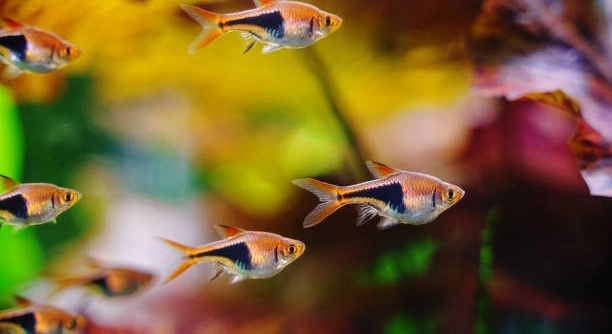
Have you ever watched a school of rasboras swimming together and wondered how they experience their social life in the aquarium? These small, colorful fish are often seen in groups, creating a lively scene. Their behavior can be surprising.
Rasboras, like many schooling fish, do not typically feel loneliness in large groups. They rely on numbers for safety and social interaction, which reduces stress and promotes natural behavior, ensuring they thrive in well-maintained aquariums with proper companions.
Observing their patterns can reveal interesting insights about their social needs and how to create an environment where they flourish comfortably.
Understanding Rasboras’ Social Needs
Rasboras are naturally schooling fish that feel safer and more confident in groups. When I first set up my aquarium, I noticed that single rasboras seemed more skittish and hid often, while a proper school moved gracefully together. Their social behavior is instinctive, and large groups provide security against potential stress. They communicate subtly through movement and positioning, which helps maintain group cohesion. When schooling, their swimming patterns become synchronized, reducing erratic behavior and improving overall health. The tank environment plays a role too. Providing hiding spots, proper lighting, and a balanced diet encourages positive social interaction. Overcrowding should be avoided, but a moderately sized school allows them to express natural instincts. Watching them, I realized how important these group dynamics are. Each fish benefits from observing others, reducing anxiety and promoting calm swimming. Schools of ten or more are ideal, depending on tank size.
Keeping a balanced number of rasboras ensures both safety and stress reduction, creating a healthier tank environment.
Proper schooling behavior enhances their physical activity and overall mental well-being, showing how group size impacts their daily life.
Signs Rasboras Are Comfortable in a School
Rasboras that are comfortable in a school swim in coordinated patterns, rarely hiding, and explore the tank together.
A calm school of rasboras shows healthy interaction through shared movements, feeding behavior, and minimal aggression. I’ve noticed that when a school is well-sized, fish seem more confident, swimming in open areas and using all levels of the tank. They respond to each other’s movements, creating a fluid, almost synchronized dance. When stressed or in too small a group, they may dart suddenly, cling to hiding spots, or show faded colors. By observing their body language, you can adjust the group size or tank setup to promote comfort. Tank decorations, plants, and gentle lighting contribute to a sense of security, allowing them to maintain consistent schooling behavior. Even minor changes in group dynamics affect their confidence, so monitoring interactions is key. A well-organized school encourages natural feeding patterns, reduces stress-related illness, and supports long-term vitality, making them more visually engaging and healthier overall.
How Tank Size Affects Schooling
A tank that is too small limits movement and increases stress. Rasboras need enough space to swim freely and maintain their natural group behavior without feeling confined.
I realized that when I first moved my rasboras into a slightly larger tank, their behavior improved immediately. They began exploring all areas instead of clustering in corners. The extra space allowed them to form natural sub-groups while still staying cohesive, which seemed to reduce tension among the fish. Decorations and plants also mattered. Providing open swimming lanes alongside hiding spots helped balance security with freedom. Observing their movements, I noticed their color brightened, and they became more active, showing less hesitation during feeding times. The tank’s layout can make a big difference in whether a school thrives or just survives.
Overcrowding not only limits swimming but can also trigger aggression, uneven feeding, and stress-related illnesses, emphasizing the importance of appropriate tank size for maintaining a happy school.
Feeding and Social Interaction
Rasboras often eat together, showing that feeding time strengthens group cohesion and reduces competition. Their small size makes observing these interactions fascinating.
When I feed my school, I notice subtle signals among the fish. Some lead the group toward food while others follow, and this hierarchy rarely causes conflict. Feeding routines become predictable, which reduces stress and supports natural behavior. They respond quickly to food distribution, ensuring everyone gets a share, especially in larger groups. Observing these patterns helped me adjust feeding amounts and frequency. Smaller schools sometimes struggle with competition, while larger schools balance out naturally. Consistent feeding also enhances coloration and activity levels, contributing to their overall health and vitality. Over time, I realized that their social dynamics during feeding reflected their comfort and stability in the tank environment.
Social interaction during meals is not only essential for survival but also encourages coordination, trust, and a calm atmosphere, showing that schooling benefits more than just safety.
Adjusting Group Size
Adding or removing rasboras changes the school’s dynamics noticeably. Small adjustments can improve their comfort and reduce stress.
I noticed that increasing my school by just a few fish made them more active. They swam in tighter, synchronized patterns and explored more areas of the tank.
Observing Behavioral Changes
Rasboras display clear signs when they feel stressed or lonely. Changes in swimming patterns, hiding, or fading colors indicate discomfort. Watching these behaviors helps determine whether adjustments to group size or environment are needed.
Lighting and Environment
Soft, consistent lighting encourages natural schooling behavior and reduces sudden stress responses.
Well-placed plants and decorations offer hiding spots without crowding. I found that balancing open swimming space with secure areas allowed my rasboras to move freely while feeling protected, which kept the school calm and coordinated.
How many rasboras should be kept together in a school?
I keep at least ten rasboras together, and it works well for their social needs. Smaller groups often show signs of stress, hiding, or erratic swimming. A school of ten to fifteen in a moderately sized tank allows them to swim naturally, interact without overcrowding, and feel secure. Observing their movement, it’s clear they rely on numbers to reduce anxiety. Too many fish in a small tank can cause competition for food and limited swimming space, which may lead to stress-related illnesses. Adjusting the number gradually helps maintain balance and keeps the school cohesive.
Can rasboras feel lonely if they are in a large group?
Even in large schools, individual rasboras do not show signs of loneliness. Their instinct is to stay with the group for safety and social interaction. I’ve noticed that as long as the tank has enough space and resources, each fish finds its place naturally. They swim in coordinated patterns, explore together, and maintain body contact, which seems to fulfill their social needs. Stress or unusual behavior usually appears when the group is too small, overcrowded, or the tank environment is poorly structured. Proper observation ensures that all fish are comfortable, active, and interacting appropriately within the school.
What are signs that rasboras are stressed in a school?
Rasboras may hide excessively, dart quickly, or cling to decorations when stressed. Their colors can fade, and activity levels drop. I once had a small school in a tank that was too cramped, and these behaviors became obvious. They ignored food at times, swam erratically, and rarely interacted with one another. Stress can also lead to illness or aggression if unaddressed. Observing swimming patterns, body coloration, and response to feeding helps identify discomfort early. Adjusting tank size, adding plants, or increasing the number of companions often resolves these issues. Calm, synchronized movement is a clear sign that they are comfortable.
Does tank size really affect schooling behavior?
Yes, tank size directly impacts how rasboras interact. In a cramped tank, they swim less, show more stress, and avoid each other. I noticed when I upgraded to a larger tank, their behavior changed instantly. They swam freely, formed natural sub-groups, and explored all areas. Plants and hiding spots also influence their comfort, as they provide security without limiting movement. Observing their daily routine revealed that proper spacing encourages natural schooling, reduces tension, and enhances feeding efficiency. An appropriately sized tank prevents overcrowding, supports healthy activity levels, and maintains consistent coloration and vitality across the group.
How does feeding affect group dynamics?
Feeding plays a key role in social interaction among rasboras. I noticed that during meals, they follow subtle signals, such as who approaches the food first. Larger schools distribute food more evenly, reducing competition and stress. Feeding routines become predictable, which strengthens coordination and calm behavior. In smaller schools, competition can lead to chasing or stress. Balanced feeding supports coloration, activity levels, and overall health, while promoting a sense of security within the school. Watching how they interact during meals provides insights into whether the group size and tank setup are suitable.
Can decorations and plants influence social behavior?
Yes, the right tank setup supports natural schooling behavior. I arrange plants and decorations to create open swimming areas alongside hiding spots. Rasboras use these areas to feel secure while still moving freely. Overcrowding with decorations can limit swimming and increase stress. A balanced environment encourages exploration, coordination, and interaction, helping each fish maintain its place in the school. The combination of open space and protective areas promotes confidence and reduces sudden darting or hiding. Adjusting the layout gradually allows the school to settle comfortably while maintaining natural patterns and activity.
Do rasboras need consistent lighting to stay happy in a school?
Consistent, soft lighting reduces sudden stress responses and supports natural activity. I use gentle lighting that mimics a natural day-night cycle. Sudden changes in brightness can make them dart or hide. Lighting also affects feeding patterns, coloration, and overall health. Observing the school under stable lighting shows calmer swimming, more synchronized movement, and confident exploration. Proper lighting combined with a well-structured tank allows the fish to express natural schooling behavior without unnecessary stress, making the group more cohesive and visually vibrant.
Can rasboras thrive without other species in the tank?
Rasboras do well in schools of their own kind. I prefer keeping them in a single-species setup because it reduces stress and allows natural behavior. Introducing other species can sometimes disrupt schooling, especially if they are aggressive or very large. Compatible companions must be peaceful and similarly sized to avoid tension. Observing the school’s cohesion, swimming patterns, and feeding habits helps determine if additional species are appropriate. Single-species schools often show calmer, more synchronized movement, brighter coloration, and less hiding, which indicates they are thriving.
How often should I monitor my rasboras’ behavior?
Daily observation is important. I watch their swimming patterns, feeding behavior, and interactions each day. Early signs of stress, like hiding or faded colors, are easier to address if noticed promptly. Consistent monitoring helps maintain a healthy school, ensures the tank remains well-balanced, and allows adjustments in group size, environment, or feeding routines as needed. Regular checks keep the fish active, coordinated, and thriving over time.
What is the ideal water condition for a happy school?
Stable water parameters are essential for comfort and health. I keep temperature, pH, and hardness within recommended ranges for rasboras. Fluctuations can stress the school, affect swimming behavior, and reduce appetite. Proper filtration, regular water changes, and gentle water flow support natural activity and schooling. Observing the fish after changes ensures they remain comfortable, active, and social, reflecting that water quality is a major factor in maintaining a cohesive and healthy school.
The FAQ covers common concerns about rasboras in schools and provides practical guidance based on observations.
Rasboras are small, active fish that rely heavily on social interaction to feel secure. Keeping them in a proper school is essential for their well-being, and the right number of companions can make a noticeable difference in their behavior. In my experience, observing a well-sized school swim together is both calming and fascinating. They move in coordinated patterns, explore the tank together, and respond to each other’s presence. When their environment supports natural schooling, they appear more confident, vibrant, and healthy. I’ve seen how even minor changes, like adding a few fish or adjusting decorations, can improve their overall activity and mood. The size of the tank, placement of plants, and availability of open swimming areas all contribute to a balanced social environment that allows the school to function smoothly. Overcrowding or isolating them can lead to stress, hiding, or erratic swimming, which impacts their health and reduces their natural behavior.
Feeding routines are another important part of their care. Rasboras show clear social interactions during mealtime, with some leading the group to food and others following along. A predictable feeding schedule reduces tension and helps all fish get their share without stress. I’ve noticed that larger schools distribute food more evenly and display calmer behavior during feeding, while smaller schools may develop competition or anxiety. Observing these interactions provides insight into their comfort and the effectiveness of the tank setup. Ensuring that they receive a balanced diet and that the environment supports natural feeding patterns helps maintain their energy levels, coloration, and overall well-being. The combination of proper tank size, a suitable number of companions, and consistent feeding routines makes a significant difference in how comfortably they live in captivity.
Lighting, water quality, and tank layout are additional factors that support their social needs. Soft, consistent lighting helps reduce sudden stress responses and encourages normal movement patterns. Stable water parameters, including temperature, pH, and hardness, are essential for their comfort and health. Decorations and plants should be arranged to provide hiding spots without restricting swimming space. I’ve found that a balanced layout allows rasboras to explore freely while still feeling secure, which keeps the school calm and coordinated. Regular observation helps identify any signs of stress early, such as fading colors, hiding, or erratic behavior, allowing adjustments to be made before issues worsen. Paying attention to these details creates a supportive environment where rasboras can thrive, swim naturally, and express their social behaviors fully, ensuring a healthy and lively aquarium.

Hello,
If you enjoy the content that we create, please consider saying a "Thank You!" by leaving a tip.
Every little bit helps us continue crafting quality advice that supports the health, happiness, and well-being of pets around the world, for pets of all shapes, sizes, and species.
We really appreciate the kindness and support that you show us!