
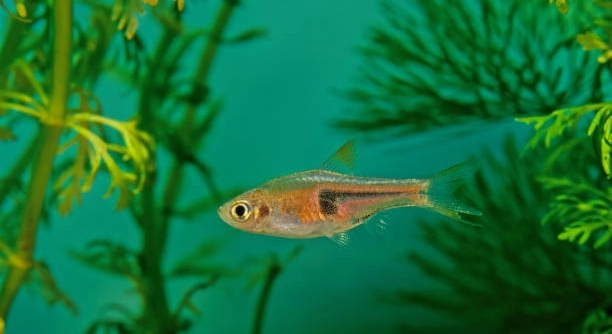
Do you enjoy watching your aquarium but find yourself noticing that your rasboras often swim together in groups? Observing their movement can be calming, yet many beginners are unsure how to interpret this schooling behavior.
Rasbora schooling is a natural social behavior where fish swim in coordinated groups to reduce stress and increase safety. Understanding their schooling patterns helps maintain a healthy environment and promotes normal activity within the aquarium setting.
Learning the basics of rasbora schooling can make your aquarium more enjoyable and ensure your fish thrive in a harmonious environment.
How Many Rasboras Should You Keep Together
Rasboras are naturally social fish, and keeping them in small groups can lead to stress and irregular behavior. For beginners, a minimum of six is often recommended, but larger schools are ideal for observing natural swimming patterns. Smaller numbers can result in shyness and hiding, especially in new tanks. They often feel more secure when surrounded by other fish of the same species, which encourages active swimming and interaction. The tank environment also matters; plants and decorations should provide enough hiding spots without restricting movement. Observing their behavior helps identify whether the group size is appropriate. Rasboras display tighter formations when they feel safe and are more spread out when uncomfortable. The key is to provide both security and space to maintain their natural schooling instincts, which also enhances the aesthetic appeal of the aquarium.
Maintaining an appropriate group size keeps stress low and promotes healthy, consistent behavior among rasboras.
A properly sized school allows rasboras to explore the tank together, interact with one another, and reduce fear responses. Fish in groups often display synchronized movements, which can be fascinating to watch. Observing these behaviors also helps detect early signs of illness or aggression. Adjusting the number of fish gradually is safer than sudden changes, as it minimizes disruption. Tank mates should be compatible, and water quality must be consistently monitored. Providing a well-lit environment with open swimming areas and plants encourages natural schooling without causing overcrowding. Overall, correct group sizing supports both mental and physical health, making the aquarium a thriving and dynamic habitat.
Recognizing Stress in Schooling Rasboras
Stress in rasboras can appear as erratic swimming, hiding, or loss of color. Observing these signs early is crucial.
Identifying stress helps prevent disease outbreaks and ensures your rasboras maintain natural schooling behaviors.
Stress often arises from improper water conditions, aggressive tank mates, or inadequate group sizes. Rasboras may swim frantically, cling to corners, or separate from the school when they feel threatened. Maintaining stable water temperature, pH, and filtration is essential to reduce stress. Monitoring daily behavior allows for prompt interventions, such as rearranging decorations, adjusting group size, or isolating aggressive species. Ensuring a calm, stable environment helps rasboras feel secure and encourages synchronized swimming. Providing sufficient plants and hiding spots also allows them to recover from stressful interactions. Recognizing subtle behavioral changes early is key to preventing long-term health issues. With consistent care and attention, rasboras can maintain vibrant colors, energetic schooling, and overall well-being in a home aquarium.
Ideal Tank Conditions for Rasbora Schooling
Maintaining proper tank conditions is essential for rasboras to school naturally. Water temperature, pH levels, and filtration must be stable. Plants and open swimming spaces also encourage coordinated movement and reduce stress, promoting healthy social interactions.
Stable water temperature between 22–28°C and a pH of 6.5–7.5 supports normal rasbora behavior. Filtration should provide gentle water flow, avoiding strong currents that disrupt schooling. Lighting must mimic a natural day-night cycle to encourage activity during the day and rest at night. Decorations and plants should balance hiding spaces with open areas, allowing free swimming. Overcrowding must be avoided, as it leads to stress and irregular schooling. Regular water changes and monitoring of ammonia, nitrite, and nitrate levels ensure a healthy environment. Providing consistent conditions supports synchronized swimming, natural interaction, and overall vitality in the aquarium.
A well-maintained tank encourages rasboras to swim together, explore, and display vibrant colors. Observing their schooling behavior in optimal conditions can be rewarding.
Feeding Practices That Support Schooling
Consistent feeding schedules help rasboras maintain energy for coordinated movement. Overfeeding or irregular feeding disrupts behavior and can lead to health issues. Providing a variety of food ensures balanced nutrition.
Offering small amounts two to three times daily helps prevent water quality issues and maintains active schooling. Rasboras thrive on a mix of flakes, micro pellets, and live or frozen foods such as daphnia or brine shrimp. Feeding should be done in a way that allows all fish to access food without competition. Uneaten food should be removed to avoid contamination. Nutritionally balanced meals support energy levels, promote growth, and enhance colors, which encourages synchronized movement. Observing how rasboras respond during feeding also indicates social cohesion and stress levels, helping identify any individual fish that may be struggling or not interacting with the group.
Proper feeding reinforces natural behavior, strengthens the school, and reduces aggressive tendencies. It also keeps the fish healthy and active in the aquarium environment.
Common Mistakes in Rasbora Schooling
Overcrowding and poor water quality are frequent mistakes that disrupt rasbora schooling. Insufficient hiding spots or incompatible tank mates can also lead to stress, causing fish to break formation and behave unpredictably.
Ignoring gradual changes in group size or tank layout can negatively affect schooling. Sudden additions or removals of fish often create tension within the group. Lack of proper monitoring of water parameters, such as temperature, pH, and ammonia, can stress rasboras and reduce their natural coordination. Even small daily disturbances, like excessive tapping or abrupt lighting changes, can make the fish uneasy, causing them to hide or scatter. Consistent observation and careful adjustments are necessary to maintain a stable, stress-free environment that supports healthy schooling behavior and ensures all fish remain active, vibrant, and synchronized.
Signs of a Healthy Rasbora School
Healthy rasboras swim in tight, coordinated groups with vibrant colors. Active interaction and smooth movement indicate comfort and proper care.
How Tank Mates Affect Schooling
Rasboras school more effectively when tank mates are peaceful and similarly sized. Aggressive or overly large fish can disrupt the group and cause stress, leading to irregular swimming and hiding. Proper selection maintains balance and encourages natural social behavior.
What is rasbora schooling?
Rasbora schooling is when these fish swim together in coordinated groups. This behavior is natural and helps them feel safe, avoid predators, and reduce stress. In aquariums, schooling also allows them to display normal social interactions, which is important for their health and overall well-being.
How many rasboras should be kept together?
A minimum of six rasboras is recommended, though larger groups are ideal. Smaller numbers can lead to stress, hiding, or irregular swimming. Larger schools encourage natural behavior, synchronized movement, and provide a sense of security, which is essential for a thriving aquarium environment.
What tank size is best for schooling?
A tank of at least 20 gallons works well for small groups. Larger schools require bigger tanks to provide adequate space for swimming and hiding. The tank should balance open areas with decorations and plants to allow natural movement without overcrowding, which reduces stress.
What water conditions support schooling?
Rasboras prefer stable water temperature between 22–28°C and a pH of 6.5–7.5. Filtration should create gentle flow without disturbing the school. Regular monitoring of ammonia, nitrites, and nitrates, along with consistent water changes, ensures a healthy environment that encourages synchronized swimming.
How can I tell if my rasboras are stressed?
Stress is visible through erratic swimming, hiding, or separation from the group. Dull colors, rapid gill movement, or refusal to eat can also indicate stress. Identifying these signs early allows adjustments in water quality, tank mates, or group size to restore balance and healthy schooling.
Does diet affect schooling behavior?
Yes, a balanced diet keeps rasboras active and coordinated. Feed small amounts two to three times daily using flakes, micro pellets, and live or frozen foods. Uneaten food should be removed to prevent water contamination, which could disrupt their schooling and overall health.
How do tank mates influence rasbora schooling?
Peaceful, similarly sized fish encourage healthy schooling. Aggressive or large tank mates can disrupt coordination and cause stress. Selecting compatible species and monitoring interactions helps maintain a cohesive school, supporting normal social behavior and a calm aquarium environment.
Can I change the number of fish in the school?
Adding or removing fish should be done gradually. Sudden changes can cause tension, stress, and irregular schooling. Introduce new members carefully, ensuring water parameters are stable. Observing behavior after changes helps maintain harmony and encourages natural group movement.
What plants and decorations work best?
Plants and decorations should provide hiding spots while leaving open swimming areas. Dense planting offers security, but too many obstacles restrict movement. Floating plants or low decorations can enhance safety without compromising space, allowing the school to form naturally and move freely.
How often should I monitor the school?
Daily observation is recommended. Watching behavior, color, and movement helps detect stress, illness, or disruption in schooling. Early detection allows for prompt interventions, such as adjusting tank conditions, rearranging decorations, or isolating problematic fish, ensuring the school remains healthy and synchronized.
This FAQ provides the essential information to maintain healthy, active rasbora schooling. Observing their behavior and making small adjustments ensures a stable environment and a thriving, cohesive group of fish.
Rasboras are small, peaceful fish that bring life and movement to any aquarium. Observing a well-coordinated school can be calming and rewarding, especially for those who enjoy maintaining a balanced and healthy tank. Schooling is not just a visual feature; it is a natural behavior that helps these fish feel safe, reduce stress, and interact socially. A properly maintained school encourages active swimming, vibrant colors, and consistent behavior, all of which are indicators of well-being. By understanding the basics of their schooling habits, aquarists can create an environment that supports both mental and physical health, ensuring that the fish remain lively and active over time.
Maintaining a healthy rasbora school requires attention to several key factors. Tank size, water conditions, and group size play critical roles in supporting natural behavior. A minimum group of six is recommended, but larger schools are ideal for observing synchronized movement and reducing anxiety. Water temperature and pH levels must remain stable, while filtration should provide gentle water flow. Plants and decorations should provide hiding spots without overcrowding the tank, allowing the fish freedom to swim while feeling secure. Regular feeding with a balanced diet, proper monitoring of water quality, and careful selection of tank mates further enhance the school’s health. By following these simple but essential practices, aquarists can prevent stress, reduce illness, and promote consistent schooling behavior.
Observing rasboras in a thriving school can be both enjoyable and educational. Watching their coordinated movement provides insight into their social behavior and overall condition. Daily observation helps identify early signs of stress or illness, allowing timely interventions to maintain harmony. Changes in group size, tank layout, or feeding routines should be gradual to avoid disrupting the school, and careful attention to water parameters ensures a stable environment. Supporting natural schooling behavior not only improves the health of the fish but also enhances the visual appeal of the aquarium. With consistent care and observation, rasboras can live comfortably in a cohesive school, displaying natural behavior that makes the aquarium both lively and balanced.

Hello,
If you enjoy the content that we create, please consider saying a "Thank You!" by leaving a tip.
Every little bit helps us continue crafting quality advice that supports the health, happiness, and well-being of pets around the world, for pets of all shapes, sizes, and species.
We really appreciate the kindness and support that you show us!