
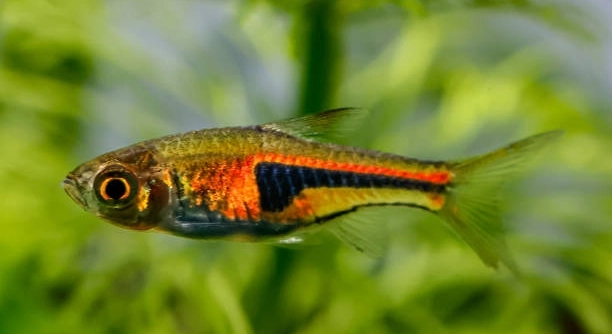
Do you enjoy keeping colorful freshwater fish but sometimes worry if your tank is big enough for them? Rasboras are small and lively, yet their well-being depends on having the right amount of space to thrive.
Rasboras require a minimum of 10 gallons of water for a small group of six to eight fish. Providing adequate swimming space, proper filtration, and regular water changes ensures healthy growth and reduces stress, aggression, and disease susceptibility in these schooling fish.
Learning how much space your rasboras need can make a significant difference in their overall health. Proper planning helps create a thriving, active community in your aquarium.
Understanding Tank Space for Rasboras
Providing enough room in your aquarium is crucial for rasboras’ health and activity. These small, schooling fish need space to swim freely and interact naturally. Overcrowding can lead to stress, weakened immunity, and unusual behavior. Each fish contributes to the overall bioload, impacting water quality and the effectiveness of your filtration system. Keeping at least six to eight rasboras in a tank of 10 gallons or more helps maintain social balance and reduces territorial disputes. Adding plants and open swimming areas supports their natural instincts, allowing them to explore and rest. Paying attention to their swimming patterns and interactions can reveal whether your tank meets their spatial needs. Regularly monitoring water parameters and observing behavior ensures a thriving environment. Even minor changes in tank size or decoration placement can affect their comfort and overall health. Small investments in proper space and setup make a significant difference in long-term care.
Space directly influences their activity levels and stress, so always provide a roomy, well-maintained tank for optimal well-being.
A well-planned aquarium balances swimming space with decorations. Open areas allow rasboras to school naturally, while plants and hiding spots reduce stress. Proper filtration and water changes complement the physical space, ensuring a healthy, active environment. Consistent observation helps adjust tank setup, maintaining comfort for all fish.
Choosing the Right Group Size
Keeping rasboras in appropriate numbers prevents social tension and promotes natural schooling behavior.
Small groups of six to eight fish are ideal, but larger tanks can support more. Too few fish can cause shyness, while overcrowding increases aggression and stress. Monitor interactions and adjust numbers carefully.
Adding the right number of rasboras allows them to form visible schools, enhancing both their health and visual appeal. Schooling helps them feel secure, reduces stress, and encourages natural swimming patterns. Overcrowding, however, strains filtration and increases the risk of disease. When selecting group size, consider tank dimensions, decorations, and filtration capacity. A larger group in a spacious tank can thrive, whereas a small tank limits movement and causes constant competition for resources. Observing behavior daily helps determine if adjustments are needed. Combining proper group size with adequate swimming space ensures balanced energy levels and stable social dynamics. The goal is to create a comfortable, stress-free environment where rasboras exhibit natural behavior and maintain strong health over time.
Tank Setup Essentials
A proper tank setup ensures rasboras remain active and healthy. Open swimming space, live or artificial plants, and smooth substrate help reduce stress while supporting natural behavior. Filtration and aeration maintain clean, oxygen-rich water, crucial for their well-being.
Maintaining stable water conditions is vital for rasboras. Use a reliable filter and perform regular water changes to control ammonia, nitrite, and nitrate levels. Temperatures should remain between 72 and 78°F, and pH should stay around 6.5 to 7.5. Gentle lighting supports plant growth and mimics natural conditions. Decorations should provide hiding spots without overcrowding swimming areas. Monitoring water quality and adjusting tank setup as needed prevents health issues and encourages lively, schooling behavior.
Choosing compatible tank mates complements the setup. Rasboras coexist well with peaceful species like tetras or dwarf gouramis. Avoid aggressive fish that may bully or stress them. A balanced diet, adequate space, and compatible companions create a thriving, low-stress environment. Observation helps ensure the tank remains harmonious and suitable for all inhabitants.
Monitoring Behavior and Health
Observe rasboras daily to identify signs of stress or illness early. Changes in swimming patterns, color, or appetite indicate potential issues.
Healthy rasboras swim actively, display bright coloration, and interact in schools. Lethargy, clamped fins, or erratic movement may signal water quality problems, disease, or overcrowding. Maintaining proper tank conditions, including water temperature, filtration, and space, reduces these risks. Regular inspection of plants and decorations ensures no sharp edges or debris harm the fish. Feeding a balanced diet strengthens their immunity and supports overall vitality.
Preventing disease relies on consistent care and attention. Quarantining new fish before adding them, maintaining clean water, and observing social interactions reduce stress-related illnesses. Monitor water parameters frequently and address any imbalance immediately. Adjust feeding routines and tank layout as needed to maintain activity levels and comfort. Understanding each fish’s behavior helps identify subtle health changes, allowing intervention before serious issues arise. Consistency in care and environment provides rasboras with a safe, supportive habitat, encouraging natural behavior and long-term wellness.
Feeding and Nutrition
Rasboras thrive on a varied diet of high-quality flake, micro pellets, and occasional live or frozen foods. Balanced nutrition supports vibrant colors, growth, and overall health. Avoid overfeeding to prevent water quality issues and maintain a stable, clean environment.
Providing small, frequent meals encourages natural foraging behavior. Feeding two to three times daily in amounts they can consume within minutes keeps them active and reduces waste accumulation in the tank.
Water Quality Maintenance
Regular water changes are essential for maintaining optimal conditions. Replace 20-25% of water weekly, checking parameters like ammonia, nitrite, and nitrate to prevent harmful buildup. Proper filtration complements these changes and ensures a safe, healthy environment for rasboras.
Temperature and Lighting
Rasboras prefer water between 72 and 78°F with gentle lighting. Consistent temperature prevents stress, while moderate lighting encourages plant growth and natural behavior, creating a comfortable habitat.
Common Mistakes to Avoid
Overcrowding, poor filtration, and neglecting water changes are common errors. Addressing these issues promptly maintains healthy, active rasboras and prevents disease outbreaks.
FAQ
How many rasboras can I keep in a 10-gallon tank?
A 10-gallon tank can comfortably house six to eight rasboras. This allows enough swimming space for schooling behavior while preventing overcrowding. Exceeding this number can increase stress, aggression, and waste accumulation, which may affect water quality and overall fish health.
Do rasboras need live plants in their tank?
Live plants are not strictly required, but they improve the environment by providing hiding spots, reducing stress, and supporting natural behavior. Plants also help maintain water quality by absorbing nitrates and offering shelter during nighttime or molting periods, contributing to a healthier tank.
Can rasboras live with other fish?
Yes, rasboras are peaceful and thrive with other small, non-aggressive species like tetras, guppies, and dwarf gouramis. Avoid large or aggressive fish that may bully or outcompete them. Proper tank size and hiding spaces further reduce stress when housing mixed species.
What is the ideal water temperature for rasboras?
Rasboras prefer temperatures between 72 and 78°F. Consistent temperatures prevent stress, support metabolism, and reduce susceptibility to disease. Using a reliable heater and thermometer helps maintain a stable environment, which is crucial for their long-term health.
How often should I feed my rasboras?
Feed small amounts two to three times daily. Offer only what they can consume in a few minutes to prevent uneaten food from polluting the water. A varied diet including flakes, micro pellets, and occasional live or frozen foods ensures balanced nutrition.
How do I know if my rasboras are stressed?
Signs of stress include clamped fins, hiding excessively, erratic swimming, and loss of color. Stress often results from poor water quality, overcrowding, sudden temperature changes, or incompatible tank mates. Identifying and correcting these factors restores their health.
How important is filtration for rasboras?
Filtration is essential to maintain clean, oxygen-rich water. A filter removes waste, controls toxins, and stabilizes water parameters. Pairing filtration with regular water changes keeps ammonia, nitrite, and nitrate levels safe, ensuring a healthy environment for rasboras.
Can rasboras tolerate slightly different water pH?
Rasboras prefer a pH range of 6.5 to 7.5. Slight deviations are usually tolerated, but drastic or frequent fluctuations cause stress and health problems. Monitoring and maintaining stable pH levels supports their activity, color, and immunity.
Do rasboras need a specific tank shape?
Rasboras prefer longer tanks rather than tall, narrow ones. A wide swimming area allows proper schooling, reduces stress, and encourages natural behavior. Tank length is more critical than height for promoting movement and social interaction.
How often should I change the water?
Change 20-25% of the water weekly. Regular partial water changes help remove waste and maintain stable water conditions. Frequent monitoring of ammonia, nitrite, and nitrate levels ensures a safe environment and reduces the risk of illness or stress.
Are rasboras easy to care for?
Rasboras are relatively low-maintenance if given proper space, clean water, and a balanced diet. Regular observation, compatible tank mates, and consistent water parameters help them thrive, making them suitable for both new and experienced fish keepers.
Can rasboras breed in a home aquarium?
Rasboras can breed if given ideal conditions, including slightly acidic, soft water and dense plants for egg-laying. Males display brighter colors during breeding, and eggs should be protected from adults. Careful monitoring and tank setup increase the likelihood of successful spawning.
What is the average lifespan of rasboras?
With proper care, rasboras live between three to five years. Maintaining stable water conditions, providing adequate space, and feeding a balanced diet all contribute to longevity. Regular health checks prevent early illness and support a long, active life.
How do I prevent disease in my rasboras?
Prevent disease by maintaining clean water, avoiding overcrowding, quarantining new fish, and feeding a varied diet. Observing behavior daily allows early detection of illness, and prompt treatment reduces spread. Stable tank conditions and minimal stress are key to keeping rasboras healthy.
Is tank decoration important for rasboras?
Yes, decorations like plants, rocks, and driftwood provide hiding spaces and simulate a natural environment. This reduces stress and encourages natural swimming patterns. However, ensure decorations do not overcrowd swimming areas or have sharp edges that could injure the fish.
Can I use tap water for my rasboras?
Tap water is acceptable if treated with a water conditioner to remove chlorine and chloramines. Testing water parameters ensures safe pH, hardness, and temperature. Proper preparation protects rasboras from stress and chemical exposure, supporting their health and activity.
What is the best way to introduce new rasboras to an existing tank?
Acclimate new fish gradually using the drip or floating method. Slowly equalize water temperature and chemistry over one to two hours. This reduces stress and shock, improving survival rates and helping new rasboras integrate smoothly with existing tank mates.
How can I tell if my tank is overcrowded?
Signs include constant competition for swimming space, increased aggression, and deteriorating water quality. Observing these behaviors and monitoring fish numbers versus tank size allows adjustments to prevent stress and maintain a healthy environment.
What are common signs of illness in rasboras?
Common signs include faded color, clamped fins, unusual swimming, loss of appetite, and white spots. Early detection and prompt treatment prevent disease spread and improve recovery chances, especially in well-maintained, clean tanks.
Do rasboras need supplemental oxygen?
In a properly filtered and aerated tank, additional oxygen is usually unnecessary. Air stones or surface agitation can help in warmer water or heavily stocked tanks, ensuring sufficient oxygen levels for active schooling behavior and overall health.
Can rasboras survive in small tanks temporarily?
They can survive short-term in smaller tanks, but prolonged confinement increases stress, limits swimming, and raises disease risk. Always aim for adequate long-term space to ensure proper growth, natural behavior, and overall well-being.
How often should I check water parameters?
Check key parameters like ammonia, nitrite, nitrate, and pH at least once a week. More frequent monitoring is recommended for new setups or changes in stocking. Stable water conditions reduce stress and prevent health problems.
Are rasboras compatible with shrimp or snails?
Yes, peaceful shrimp and snails can coexist with rasboras. They do not compete aggressively for food or space. Monitoring initial interactions ensures harmony, and providing hiding spots helps all species feel secure.
What tank accessories are unnecessary for rasboras?
Heavy decorations that block swimming space, oversized filters, or intense lighting are not necessary. Focus on a balanced setup with open areas, gentle filtration, moderate lighting, and plants to maintain comfort and natural behavior.
How long does it take for rasboras to adapt to a new tank?
Rasboras generally adapt within a few days to a week. Observing activity, feeding response, and interaction with tank mates helps assess adaptation. Proper acclimation, stable water, and adequate space shorten adjustment time.
Can rasboras jump out of the tank?
Rasboras are occasional jumpers, especially when startled. A secure lid or cover prevents escapes, maintaining safety and avoiding injury. Regular observation reduces sudden disturbances that may trigger jumping.
Do rasboras require special lighting schedules?
Moderate lighting for 8-10 hours a day is sufficient. Consistent light cycles support plant growth and mimic natural conditions, promoting active behavior and normal coloration. Avoid excessive light to prevent stress or algae overgrowth.
Is it necessary to quarantine sick rasboras?
Yes, isolating sick fish prevents disease from spreading to healthy tank mates. A separate quarantine tank allows proper treatment, observation, and recovery without compromising the main aquarium environment.
How can I tell if my rasboras are happy?
Happy rasboras swim actively in schools, display bright coloration, and feed eagerly. They explore the tank, interact with tank mates, and rest comfortably among plants or decorations, indicating a well-balanced, low-stress environment.
What is the minimum tank size for different rasbora species?
Small species like Harlequin rasboras need at least 10 gallons for six to eight fish, while larger species like Galaxy rasboras benefit from 15-20 gallons. Adjust tank size based on species, group size, and swimming requirements to ensure comfort and natural behavior.
How important is water hardness for rasboras?
Moderate water hardness of 5-12 dGH is ideal. Soft to slightly hard water replicates natural habitats and supports overall health. Drastic changes in hardness can stress fish, affecting immunity, color, and breeding potential.
Can rasboras live in brackish water?
Rasboras are strictly freshwater fish. They do not tolerate brackish conditions, which can lead to stress, illness, and premature death. Maintaining consistent freshwater parameters is essential for their survival and well-being.
Are there any special considerations for breeding rasboras?
Breeding requires slightly soft, acidic water, dense plants for egg-laying, and separate breeding tanks to protect eggs. Males display brighter colors during courtship. Careful monitoring of conditions and tank mates increases breeding success.
Do rasboras need supplements or vitamins?
A balanced diet usually provides sufficient nutrients. Occasional supplementation with high-quality foods or frozen/live treats supports growth, coloration, and immunity, especially for young or breeding fish. Over-supplementation should be avoided to prevent water contamination.
Can stress cause color loss in rasboras?
Yes, stress from poor water quality, overcrowding, incompatible tank mates, or sudden changes can dull colors. Maintaining stable conditions, proper group size, and a comfortable environment preserves vibrant coloration and overall health.
Is it okay to keep rasboras alone?
Rasboras are schooling fish and should never be kept alone. A single fish may become shy, stressed, and exhibit abnormal behavior. Keeping at least six individuals allows natural social interaction and reduces anxiety.
How do I clean the tank without harming rasboras?
Use gentle siphoning to remove debris, clean decorations carefully, and avoid harsh chemicals. Maintain partial water changes rather than full emptying to prevent stress. Consistent maintenance preserves water quality and fish health.
Are rasboras suitable for beginners?
Yes, they are hardy and relatively low-maintenance if given proper space, clean water, and a balanced diet. Regular observation, compatible tank mates, and stable conditions make them suitable for new aquarists.
Do rasboras recognize their owners?
Rasboras may respond to familiar movements near the tank and feeding routines. While not interactive like some species, they can show excitement or increased activity when owners approach.
Can rasboras coexist with bettas?
Bettas may be aggressive toward small schooling fish. Coexistence is risky and depends on the betta’s temperament. Careful monitoring and adequate tank space are necessary if attempting this combination.
How often should I prune plants in a rasbora tank?
Prune plants regularly to prevent overcrowding and maintain swimming space. Healthy plants support water quality, provide hiding spots, and encourage natural behavior without restricting movement.
Is it necessary to use a substrate for rasboras?
Substrate is optional but beneficial. Fine gravel or sand supports plants, allows for natural foraging, and prevents injury. Avoid sharp or rough substrates that may damage delicate fins.
Do rasboras need water flow?
They prefer gentle water flow. Strong currents can stress them and hinder schooling behavior. A mild, consistent flow from filtration ensures oxygenation without disrupting movement.
Can rasboras tolerate changes in lighting?
Sudden lighting changes cause stress. Maintain consistent light cycles and avoid extreme brightness. Gradual adjustments support natural rhythms and overall well-being.
Are there specific signs of old age in rasboras?
Older rasboras may slow down, lose some coloration, or eat less. Providing proper care, gentle tank conditions, and monitoring health ensures comfort during aging.
Can rasboras live with goldfish?
Goldfish are not suitable tank mates due to size differences, cold water preference, and potential competition. Rasboras require stable, warmer water and peaceful companions.
Do rasboras require quarantine for new plants?
Yes, rinsing or quarantining new plants prevents introducing pests, snails, or pathogens that could harm the tank’s balance and the health of rasboras.
How do I acclimate rasboras to new water conditions?
Use gradual acclimation by floating the bag and slowly adding tank water over one to two hours. This reduces stress and prevents shock from sudden changes in temperature or chemistry.
Is it necessary to test water hardness and pH regularly?
Yes, regular testing ensures stable conditions. Sudden changes in pH or hardness can stress rasboras, affecting health, color, and behavior. Consistent monitoring helps maintain a safe, thriving environment.
What are the most common diseases in rasboras?
Ich, fin rot, and bacterial infections are most common. Maintaining clean water, stable conditions, and quarantining new fish reduces risk. Early detection and treatment are key to recovery.
Do rasboras need extra space to rest?
Yes, open areas with low flow allow resting. Plants and hiding spots provide security, helping reduce stress and supporting natural behavior.
Can rasboras tolerate soft or hard water?
They tolerate soft to moderately hard water. Extreme hardness or softness can stress fish, affecting health and breeding success. Regular testing helps maintain optimal conditions.
How do I reduce aggression in a rasbora tank?
Maintain proper group size, provide open swimming space, and select peaceful tank mates. Overcrowding and territorial species increase aggression, so monitoring interactions is essential.
Do rasboras need aeration?
Aeration is beneficial but not mandatory in well-filtered tanks. Air stones or gentle surface movement improve oxygen levels and encourage healthy schooling.
Can rasboras tolerate cold water?
No, temperatures below 72°F can stress them and increase susceptibility to illness. Consistent warmth is essential for activity and overall health.
Is it okay to rearrange the tank decorations frequently?
Frequent rearrangement stresses rasboras. Only adjust when necessary, allowing fish to acclimate gradually to changes in layout. Stable environments promote comfort and natural behavior.
Do rasboras eat algae?
Rasboras do not rely on algae as a primary food source but may nibble occasionally. Provide balanced nutrition to meet their dietary needs fully.
Are rasboras sensitive to chemical additives?
Yes, they are sensitive to chlorine, chloramine, and other chemicals. Always treat tap water and avoid unnecessary additives to prevent stress or poisoning.
Can rasboras live in a community tank with corydoras?
Yes, peaceful bottom-dwellers like corydoras coexist well. They occupy different tank zones, minimizing competition while promoting a balanced, active aquarium.
How do I encourage natural schooling behavior?
Maintain proper group size, provide open swimming space, and avoid aggressive tank mates. Observing their interactions ensures healthy social dynamics and natural movement.
Do rasboras require any special equipment?
Minimal equipment is sufficient: reliable filter, heater, thermometer, and optional air stone. Focus on stable water conditions, swimming space, and suitable tank mates rather than elaborate setups.
Can rasboras survive in small tanks temporarily?
Short-term confinement is possible, but long-term survival requires adequate space. Limited swimming area increases stress, aggression, and disease risk, affecting longevity and behavior.
Are rasboras compatible with African dwarf frogs?
Yes, they are generally compatible. Both species are peaceful, occupy different areas, and thrive in similar water conditions. Observation ensures mutual comfort and harmony.
How long should rasboras be quarantined?
Two to three weeks is standard. Monitor for disease, stress, and acclimation. Quarantine prevents introducing illness to the main tank, protecting all inhabitants.
Do rasboras need hiding spots?
Yes, hiding spots reduce stress and provide security. Plants, rocks, or driftwood create a natural, comfortable environment without restricting swimming space.
Can rasboras live without a lid?
A lid is recommended. Rasboras may jump when startled, and a secure cover prevents escapes and injuries, ensuring safety.
Is it safe to mix different rasbora species?
Yes, compatible species with similar size, temperament, and water requirements can coexist. Monitor interactions to avoid stress or dominance issues.
Do rasboras require a special diet for breeding?
High-protein foods, including live or frozen options, improve breeding readiness. Proper nutrition supports egg production, male coloration, and fry development.
Can rasboras live in a planted tank only?
Yes, a heavily planted tank provides hiding spaces, encourages natural behavior, and maintains water quality. Open swimming areas must still be preserved for schooling.
Do rasboras respond to feeding cues?
Yes, they quickly recognize regular feeding times and may gather near the surface, demonstrating memory and routine awareness.
What are the best tankmates for rasboras?
Peaceful, small fish like tetras, guppies, dwarf gouramis, and Corydoras catfish are ideal. Avoid aggressive or large fish to maintain harmony.
How do I prevent algae overgrowth in a rasbora tank?
Control light exposure, maintain regular water changes, avoid overfeeding, and include live plants to compete for nutrients. Balanced care minimizes excessive algae growth.
Are rasboras sensitive to sudden noise or movement?
Yes, they can become stressed by abrupt disturbances. Avoid tapping the tank or making sudden changes near the aquarium to keep fish calm.
Can rasboras adapt to different water parameters over time?
Gradual adjustments are tolerated, but sudden changes cause stress. Slowly modifying temperature, pH, or hardness helps acclimation without health risks.
Do rasboras need extra calcium or minerals?
Not usually. A balanced diet and moderate water hardness supply necessary minerals. Supplements may only be needed in extremely soft water conditions.
Can rasboras live in low-light tanks?
They tolerate moderate low-light conditions but prefer some illumination to support plant growth and natural activity patterns. Completely dark tanks reduce activity and color vibrancy.
How can I tell if my rasboras are comfortable?
Comfortable rasboras swim actively in schools, explore the tank, feed eagerly, and rest calmly among plants, showing healthy color and consistent behavior.
Do rasboras require constant supervision?
Regular observation is sufficient. Daily checks for water quality, behavior, and health help prevent issues without the need for continuous monitoring.
**Can rasboras live with shrimp
Rasboras are small, peaceful fish that thrive when their basic needs are met. Providing enough space is essential for their health, as it allows them to swim freely, school naturally, and display normal behavior. A properly sized tank helps reduce stress, aggression, and the risk of disease. Even though they are relatively hardy, overcrowding or poor water conditions can quickly affect their well-being. Maintaining a minimum of 10 gallons for a small group of six to eight fish is a good starting point, while larger groups or bigger species require more room. Along with space, open swimming areas and plants help create a comfortable environment where rasboras can feel secure and active. Paying attention to these simple but important details ensures a healthy and balanced aquarium that supports their natural instincts and overall vitality.
Water quality plays a crucial role in keeping rasboras healthy. Regular water changes, proper filtration, and monitoring key parameters like ammonia, nitrite, nitrate, and pH help maintain a stable and safe environment. Temperature should remain between 72 and 78°F, and gentle lighting supports both plant growth and natural fish behavior. Providing a balanced diet of high-quality flakes, micro pellets, and occasional live or frozen foods keeps rasboras strong and colorful. Observing their behavior is also important, as signs like clamped fins, loss of color, or unusual swimming can indicate stress or poor water conditions. Adjusting tank size, group numbers, or tank setup when necessary prevents long-term problems and ensures they remain active and comfortable. Even minor improvements in care can have a noticeable impact on their health and happiness.
Social dynamics and tank companions are equally important for rasboras. They are schooling fish and feel most secure when kept in groups of at least six. Choosing peaceful tank mates and avoiding aggressive species reduces stress and allows them to display natural schooling behavior. Decorations and plants provide hiding spaces, but it is important to maintain open swimming areas to prevent overcrowding. Observing their interactions regularly helps identify potential issues before they escalate. Maintaining consistent care, including proper tank size, water quality, diet, and social environment, contributes to long-term health and well-being. Rasboras are low-maintenance yet rewarding fish, and a few thoughtful adjustments to their tank can create a thriving, stress-free environment that promotes natural behavior, vibrant colors, and a long, healthy life.

Hello,
If you enjoy the content that we create, please consider saying a "Thank You!" by leaving a tip.
Every little bit helps us continue crafting quality advice that supports the health, happiness, and well-being of pets around the world, for pets of all shapes, sizes, and species.
We really appreciate the kindness and support that you show us!